Heart Choker Necklace Gold: Metallurgy and Chain Mechanics
Explore the technical anatomy of a heart choker necklace gold. Learn about karat alloys, chain link shear strength, and clasp mechanics for lasting wear.

Introduction: Engineering the Modern Choker
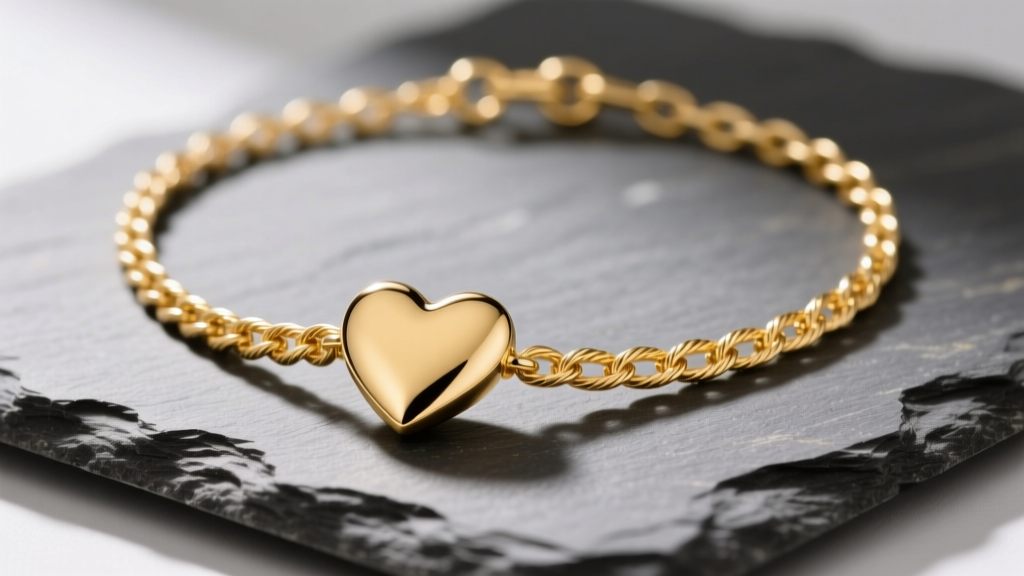
When consumers search for a heart choker necklace gold, the focus is often on the romantic symbolism or the immediate visual appeal of the precious metal. However, from a metallurgical and mechanical engineering perspective, a choker is a highly stressed structural assembly. Unlike longer chains that drape freely and absorb kinetic energy, a choker operates under constant biomechanical tension, wrapping tightly around a dynamic, moving surface (the human neck). Understanding the material science, chain architecture, and failure points of these pieces is essential for making an informed, long-term investment.
Metallurgical Breakdown: Gold Alloys and Tensile Strength
Pure 24-karat gold is virtually useless for functional jewelry. With a Vickers Hardness (HV) of approximately 25, it is highly malleable and will deform under minimal torsional stress. To create a durable heart choker necklace gold, jewelers must alloy the pure gold with metals like copper, silver, zinc, and sometimes palladium. This not only alters the color but drastically increases the tensile strength and surface hardness.
14K vs. 18K: The Hardness Compromise
The choice between 14K and 18K gold dictates the chain's resistance to stretching and abrasion. According to the Gemological Institute of America (GIA), 18K gold (75% pure gold) typically exhibits a Vickers Hardness of 120-130 HV. It offers a rich, deep yellow hue but is more susceptible to micro-scratching and link elongation over time. Conversely, 14K gold (58.3% pure gold) reaches 140-160 HV. The higher concentration of copper and silver in 14K gold creates a tighter crystalline lattice, making it significantly more resistant to the daily friction and pulling forces inherent to choker wear.
For a delicate choker chain (under 1.2mm in gauge), 14K gold is technically superior for structural integrity, whereas 18K is better suited for thicker, heavier chain profiles that can compensate for the softer alloy.
Chain Architecture and Link Shear Strength
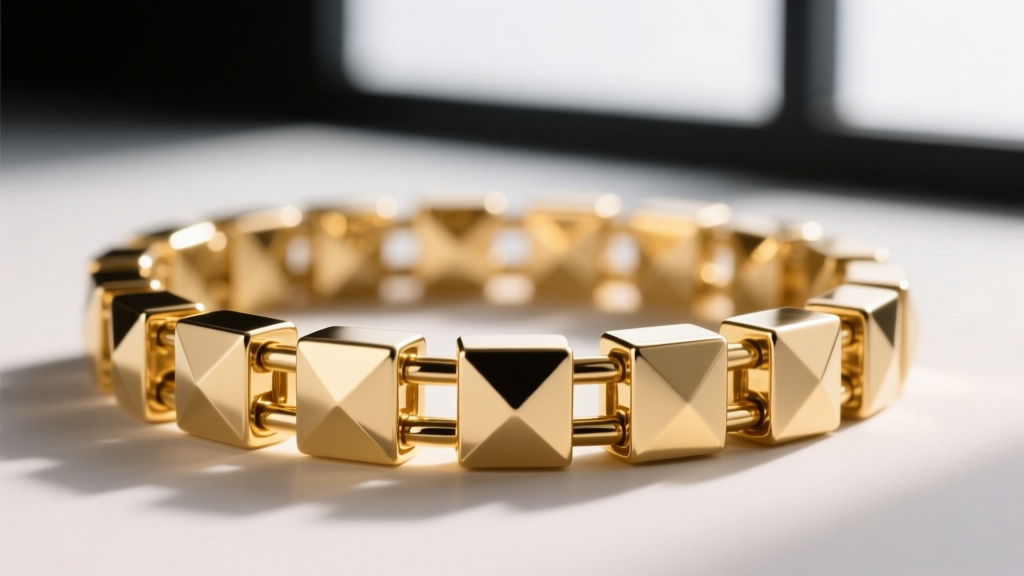
The structural profile of the chain dictates how it handles point-load stress and torsional twisting. A choker is frequently subjected to lateral pulling when caught on clothing or hair. Below is a technical comparison of the three most common chain types used in gold chokers.
| Chain Type | Standard Gauge (mm) | Approx. Breaking Strength | Primary Failure Mode | Drape Profile |
|---|---|---|---|---|
| Cable (Round) | 0.8 - 1.0 | 10 - 14 lbs | Link elongation (stretching) before snapping | Fluid, highly flexible |
| Box (Square) | 0.9 - 1.2 | 15 - 20 lbs | Plastic deformation (crushing) under point-load | Structured, semi-rigid |
| Curb (Flattened) | 1.2 - 1.5 | 22 - 30+ lbs | Clasp failure before chain failure | Heavy, lays flat against skin |
As noted by manufacturing data from Rio Grande Jewelry Supply, box chains are particularly vulnerable to crushing. If a box chain choker is snagged and pulled, the geometric interlocking squares can collapse inward, permanently kinking the chain. Cable chains, while weaker in absolute tensile strength, provide early warning signs of failure by stretching visibly before the gold work-hardens to the point of fracture.
The Pendant Connection: Bail vs. Soldered Jump Rings
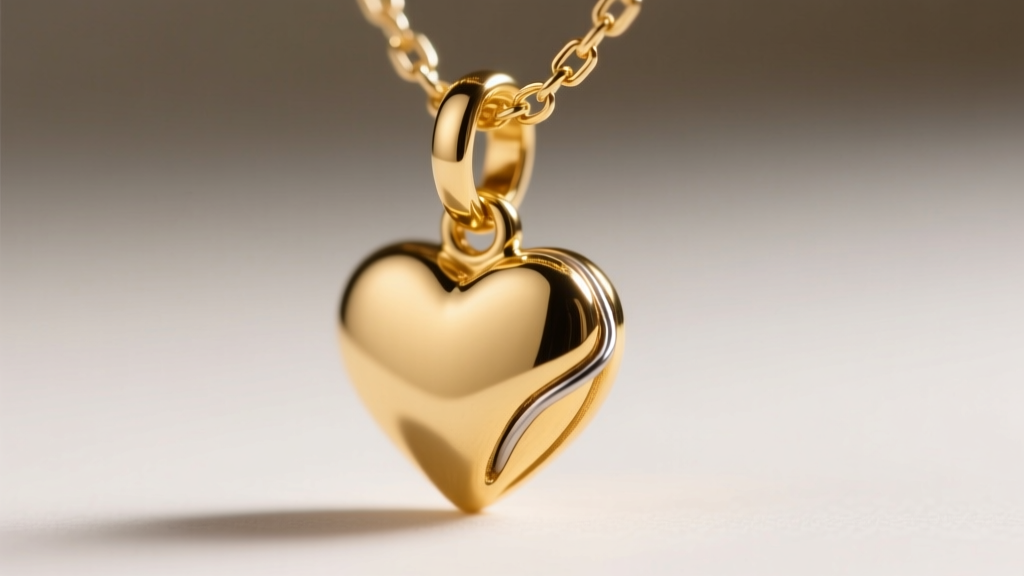
The connection point between the gold heart pendant and the choker chain is the most critical structural vulnerability in the entire assembly. There are two primary methods for this attachment, and their engineering differences are vast.
The 'Jump Ring Gap' Failure Mode
In mass-produced jewelry, the pendant is often attached via a jump ring that is simply closed with parallel pliers. This leaves a micro-gap between the two ends of the wire. Over months of wear, the adjacent chain link acts as a file, working its way into this gap through friction and kinetic movement. Eventually, the chain link slips through, and the pendant is lost.
Soldered and Laser-Welded Connections
To achieve true structural permanence, the jump ring must be fused. Traditional torch soldering uses a lower-karat gold solder to bridge the gap, while modern laser welding melts the exact same karat gold of the jump ring itself, creating a seamless, monolithic loop. A laser-welded jump ring increases the connection's shear strength by over 300%, effectively eliminating the risk of the chain slipping through. When evaluating a premium heart choker necklace gold, always inspect the jump ring under a loupe to ensure the seam is completely closed and fused.
Clasp Mechanics: Spring Ring vs. Lobster Claw
Because gold lacks the elastic memory required for repeated compression, the internal springs inside gold clasps are almost universally made of hardened steel. The gold casing merely serves as a decorative and protective shell.
- Spring Rings: These rely on a tiny, delicate steel coil. In fine choker chains (under 1.0mm), the gold casing must be extremely thin to remain proportionate. This thin casing is prone to denting, which binds the internal steel spring, causing the clasp to stick open or fail to close completely.
- Lobster Claws: These utilize a heavier, more robust internal mechanism and a thicker gold alloy shell. The lever action provides superior mechanical advantage, and the thicker casing resists deformation. For a choker, which is under constant tension, a lobster claw is the technically mandated choice to prevent accidental unfastening.
Ergonomics and Sizing: The Circadian Neck Fluctuation
A standard choker measures between 14 and 16 inches. However, human neck circumference is not a static metric. Due to hydration levels, ambient temperature, and circadian rhythms, a person's neck can fluctuate in circumference by up to 0.5 inches throughout the day. A rigid 14-inch gold choker lacking an extender chain risks becoming a tourniquet in the evening or suffering catastrophic clasp failure due to excessive tensile load.
From an engineering standpoint, a 2-inch extender chain is not merely a styling convenience; it is a vital pressure-relief mechanism. It allows the wearer to adjust the static tension on the chain links and the clasp spring, ensuring the gold remains well within its elastic limit and preventing the work-hardening that leads to metal fatigue.
Conclusion: Investing in Structural Integrity
A beautifully crafted heart choker necklace gold is a triumph of miniature engineering. By prioritizing 14K gold for delicate chains, demanding soldered jump rings for the pendant connection, and selecting robust lobster clasps, you ensure the piece survives the biomechanical realities of daily wear. According to the World Gold Council, the longevity of gold jewelry is directly tied to the precision of its manufacturing and the appropriateness of its alloy for the specific physical demands of the design. Look past the surface polish, and evaluate the mechanics.


