How to Style and Maintain a Heart Container Zelda Necklace
Learn how to choose, style, and maintain your heart container zelda necklace. Expert tips on chain pairing, enamel care, and everyday wear.

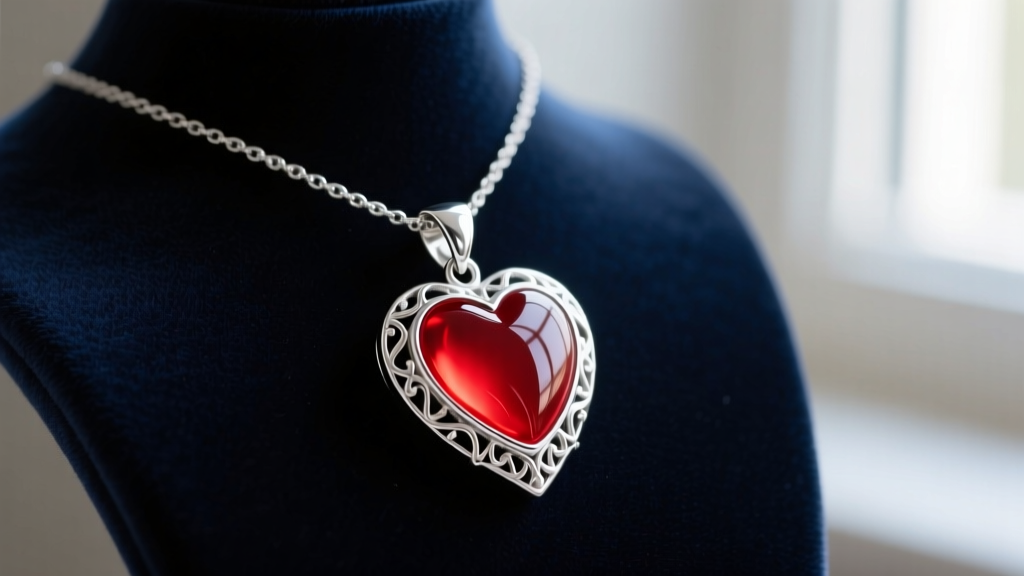
For fans of The Legend of Zelda, the Heart Container is more than just a digital health boost; it is an iconic symbol of resilience, adventure, and completion. As pop culture jewelry has evolved from cheap plastic trinkets to high-end artisan pieces, the heart container zelda necklace has become a staple for gamers who want to carry a piece of Hyrule into their everyday wardrobe. However, transitioning a geeky pendant from a cosplay accessory to a sophisticated piece of daily jewelry requires an understanding of materials, chain mechanics, and proper maintenance.
Whether you own a delicate cloisonné enamel piece, a heavy solid silver casting, or a faceted gemstone interpretation, this comprehensive guide will walk you through exactly how to style, layer, and care for your Zelda necklace to ensure it lasts through every quest.
Decoding Materials: Enamel, Resin, and Gemstones
The first step in styling and maintaining your necklace is identifying its core material. The market is flooded with varying tiers of Zelda merchandise, and the material dictates both the aesthetic and the care routine. According to the Zelda Wiki, the Heart Container has been a staple since the original 1986 release, but jewelry representations generally fall into four distinct material categories.
| Material Type | Price Range | Durability (Mohs/Impact) | Best For |
|---|---|---|---|
| Cloisonné Enamel on 925 Silver | $45 - $120 | High (Metal) / Medium (Enamel) | Everyday wear, subtle geek chic |
| Faceted Garnet or Ruby | $150 - $800+ | Very High (7.5 - 9.0 Mohs) | Fine jewelry, formal events |
| Cast Resin / Acrylic | $15 - $35 | Low (Scratches easily) | Cosplay, conventions, budget |
| 3D Printed Brass / Bronze | $30 - $60 | Medium (Prone to tarnish) | Textured, antique aesthetics |
Expert Insight: If you are buying an enamel piece, look for hard enamel (cloisonné) rather than soft enamel. Hard enamel is polished flush with the metal lines, making it significantly more resistant to chipping and dirt accumulation. Soft enamel leaves recessed areas that trap skin oils and lotions, eventually dulling the vibrant red hues.
Step-by-Step Chain Pairing and Bail Sizing
A common mistake enthusiasts make is pairing a heavy, solid silver Heart Container pendant with a flimsy, mass-produced chain. This not only looks disproportionate but risks the chain snapping. Here is how to correctly match your chain to your pendant.
1. Measure the Bail Inner Diameter
The bail is the loop at the top of the pendant. Most Zelda pendants have a hidden loop or a soldered bail with an inner diameter between 2.0mm and 3.5mm. If your bail is 2.5mm, a 1.2mm box chain will slide through effortlessly, but a 2.0mm rope chain will get stuck, potentially scratching the enamel rim when forced.
2. Select the Right Chain Style
- Box Chain (1.2mm - 1.5mm): The ultimate choice for medium-to-heavy silver Heart Containers. The square links distribute weight evenly and resist kinking.
- Cable Chain (0.9mm - 1.1mm): Ideal for delicate, gemstone-set pendants. It provides a classic, minimalist backdrop that lets a faceted ruby or garnet shine.
- Wheat Chain (1.5mm): Best for antique-finished brass or bronze castings. The braided texture complements the rugged, ancient Sheikah or Hylian aesthetics.
3. Upgrade the Clasp and Jump Rings
Mass-produced pop culture jewelry often uses 3mm spring ring clasps and thin 0.8mm jump rings. For pendants weighing over 10 grams, use chain-nose pliers to swap the jump ring for a 1.5mm soldered ring, and upgrade the clasp to a 5mm lobster clasp. This simple hardware swap prevents the heartbreak of losing your favorite pendant to a failed spring mechanism.

How to Layer Without Losing the Focal Point
Layering necklaces is a major trend, but the Heart Container has such a distinct, recognizable geometric silhouette that it can easily clash with other pendants. To achieve a cohesive look, you must use the "Rule of Three" and vary the chain lengths by at least two inches per layer.
- The Base Layer (16 inches): Start with a simple, lightweight chain featuring a subtle nod to the franchise. A tiny Hylian Shield stud pendant or a plain, minimalist gold chain works perfectly. This layer sits high on the collarbone and frames the face.
- The Focal Layer (18 inches): This is where your heart container zelda necklace lives. An 18-inch chain places the pendant right in the center of the chest, drawing the eye immediately. Ensure this chain is slightly thicker than the base layer to establish visual hierarchy.
- The Anchor Layer (20 to 22 inches): Finish with a longer, heavier chain featuring a vertical or linear pendant to contrast the wide, horizontal shape of the Heart Container. A Master Sword pendant or a Triforce piece works brilliantly here, creating a cascading V-shape that elongates the neck.
Styling Tip: Keep the metal tones consistent. If your Heart Container is set in yellow gold, ensure your Master Sword and Hylian Shield pendants are also gold or gold-plated. Mixing metals in a highly specific themed layering set can make the arrangement look accidental rather than intentional.
Enamel and Gemstone Care Routine
Proper maintenance is critical, especially for pieces worn daily against the skin. Skin acidity, perfumes, and lotions can degrade both metal finishes and gemstone polish over time. The Gemological Institute of America (GIA) notes that while garnets are relatively durable, they can still be damaged by harsh chemicals and sudden temperature changes.
For Cloisonné Enamel and Silver Pieces
Never use ultrasonic cleaners or silver dip solutions on enameled jewelry. The high-frequency vibrations of an ultrasonic cleaner can cause microscopic fractures in the glass-based enamel, leading to cracking. Silver dips contain harsh acids that will strip the translucent finish of the red enamel, leaving it cloudy and permanently ruined.
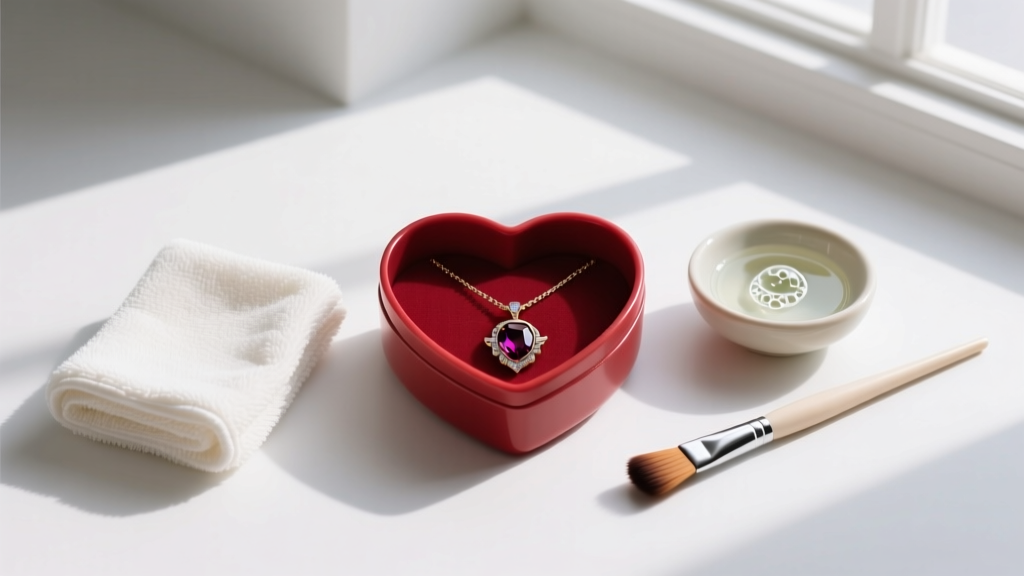
Step-by-Step Cleaning Guide
- Dry Dusting: Use a clean, dry microfiber cloth to gently wipe away daily oils and dust. Do this once a week to prevent buildup in the metal crevices.
- The Mild Soap Bath: Mix a few drops of phosphate-free dish soap into a bowl of lukewarm (never hot) water. Submerge the necklace for exactly 3 to 5 minutes.
- Agitation: Use a baby-soft toothbrush to gently sweep the bristles over the silver framing the enamel. Do not scrub the enamel directly with bristles; let the soapy water do the work.
- Rinsing and Drying: Rinse under a gentle stream of lukewarm water. Pat dry immediately with a lint-free cloth. Leaving silver to air-dry can cause water spots and accelerate tarnishing.
- Polishing (Silver Only): If the silver frame has tarnished, use a treated silver polishing cloth. Carefully fold the cloth to a sharp edge to polish the metal crevices without touching the red enamel.
By understanding the material composition, pairing the correct chain hardware, and adhering to a strict, non-abrasive cleaning routine, your Zelda necklace will remain a vibrant, meaningful staple in your jewelry collection for years to come. For more general jewelry maintenance standards, refer to the Jewelers of America care guidelines to ensure your pop-culture treasures are treated with the same respect as fine heirloom jewelry.


