2026 Heart Cut Diamond Necklace Trends & Style Guide
Explore 2026 heart cut diamond necklace trends, from east-west settings to ideal proportions. Expert styling and grading advice for modern pendants.

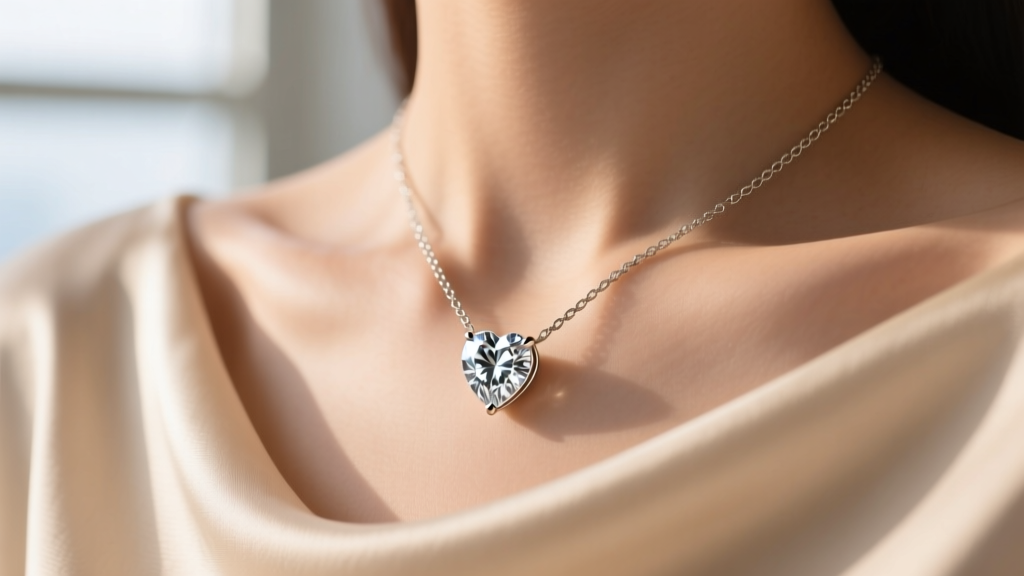
The 2026 Resurgence: Redefining Romantic Jewelry
The heart cut diamond necklace has officially transcended its historical reputation as a purely traditional, overly sentimental gift. In 2026, the silhouette has been reclaimed by avant-garde designers and minimalist stylists alike, transforming it into a staple of modern, edgy jewelry wardrobes. Driven by a cultural shift toward 'quiet luxury' and a maturation of Y2K nostalgia, today's heart pendants are less about overt romance and more about architectural geometry and personal expression.
Unlike the heavy, halo-encrusted heart pendants of the early 2010s, the 2026 aesthetic demands clean lines, unconventional orientations, and mixed-metal layering. Whether you are sourcing a natural stone or exploring the precision of lab-grown alternatives, understanding the technical nuances of this complex fancy shape is critical for both investment value and visual impact.
Anatomy of a Flawless Heart Cut Pendant
Cutting a heart shape from a rough diamond crystal is one of the most challenging tasks in lapidary arts. It requires sacrificing significant carat weight to achieve the signature cleft and rounded lobes. According to the GIA Diamond Buying Guide, evaluating a heart cut requires looking far beyond the standard 4Cs, focusing heavily on symmetry and light return.
Proportions and Symmetry
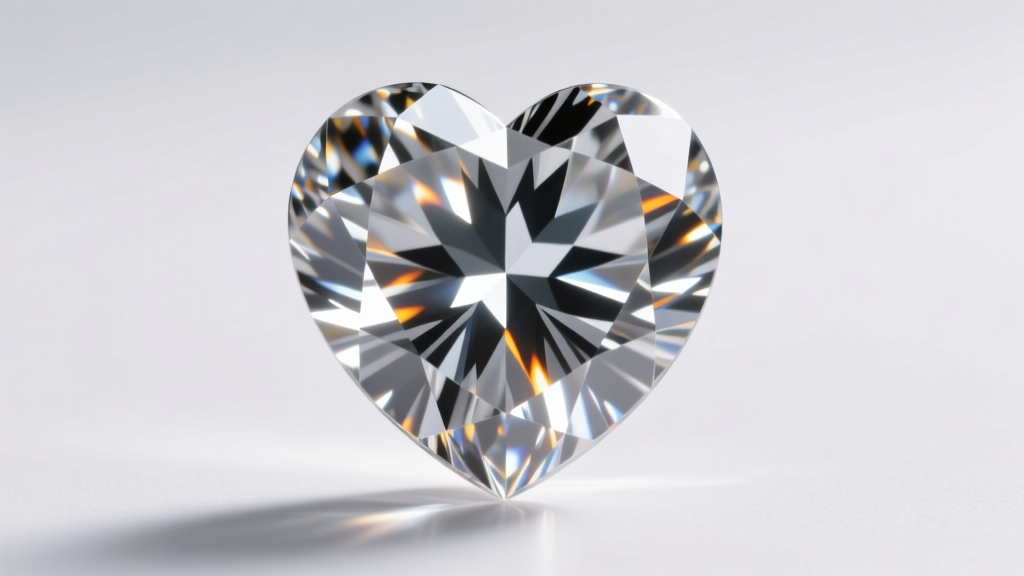
A poorly cut heart diamond will lose its distinct shape, often resembling a lopsided pear or a shield. When evaluating a pendant stone, demand the following parameters:
- Length-to-Width Ratio: The classic, visually balanced heart sits between 0.95 and 1.05. Ratios above 1.10 appear stretched and narrow, while those below 0.90 look squat and overly wide.
- The Cleft: The V-shape at the top must be deep enough to clearly define the two lobes, but not so deep that it creates a structural weak point or traps excessive dirt.
- The Wings and Lobes: The sides (wings) should have a gentle, continuous curve. Flat wings look harsh and geometric, while overly bulbous wings make the stone look overweight and reduce brilliance.
- Depth and Table: Ideal depth percentages range from 58% to 62%, with table percentages between 52% and 62%. These ranges maximize internal light reflection and minimize the dreaded 'bow-tie' effect.
Color and Clarity Realities
Because the heart cut features a large, open table facet, inclusions are easily visible to the naked eye. A minimum clarity grade of VS2 is strongly recommended for pendant stones, as the diamond will sit directly against the skin and draw the eye. For color, the pointed cleft tends to retain more body color than the rest of the stone. If setting the necklace in white gold or platinum, aim for an H color grade or higher to ensure a face-up white appearance. For yellow or rose gold settings, a J or K color can offer excellent value while blending beautifully with the warm metal.
Setting Trends: Beyond the Traditional Prong
The way a heart diamond is held in its setting dictates both its security and its overall style profile. The traditional 5-prong setting (with a specialized V-prong at the cleft) is giving way to more contemporary mounting techniques in 2026.
| Setting Style | Aesthetic Profile | Security Level | 2026 Trend Status |
|---|---|---|---|
| Standard 5-Prong | Classic, maximizes light entry | Moderate (V-prong can snag) | Declining in high-fashion circles |
| Full Bezel | Sleek, modern, architectural | Maximum (protects all edges) | Highly popular for minimalist stacks |
| East-West | Edgy, horizontal orientation | High (usually bezel or 4-prong) | Dominant trend for statement pieces |
| Hidden Halo | Subtle sparkle from the side | Moderate to High | Steady preference for bridal jewelry |
The East-West setting—where the heart is mounted horizontally across the collarbone rather than pointing downward—has become a defining trend for 2026. This orientation disrupts the traditional romantic expectation, turning the heart into a striking, geometric focal point that pairs exceptionally well with structured blazers and crewneck sweaters.
Chain Pairing and Layering Mechanics
A heart cut diamond necklace is only as good as the chain that suspends it. The weight distribution of a heart pendant is top-heavy due to the wide lobes, meaning the chain must provide adequate support without visually overpowering the stone.
Optimal Chain Gauges and Types
For a standard 0.75ct to 1.50ct heart pendant, avoid delicate, hollow chains. The ideal gauge sits between 1.0mm and 1.3mm.
- Box Chains (1.0mm - 1.2mm): Offer a smooth, reflective surface that complements the sharp facets of the heart. They lay flat against the sternum, preventing the pendant from flipping.
- Cable Chains (1.1mm - 1.3mm): Provide a more organic, textured look. Ensure the links are soldered to withstand the pendulum-like motion of the heavy pendant.
- Snake Chains (1.2mm): Excellent for a liquid-metal drape, but prone to kinking if bent. Best reserved for pendants worn exclusively outside of clothing.
Layering with Intention
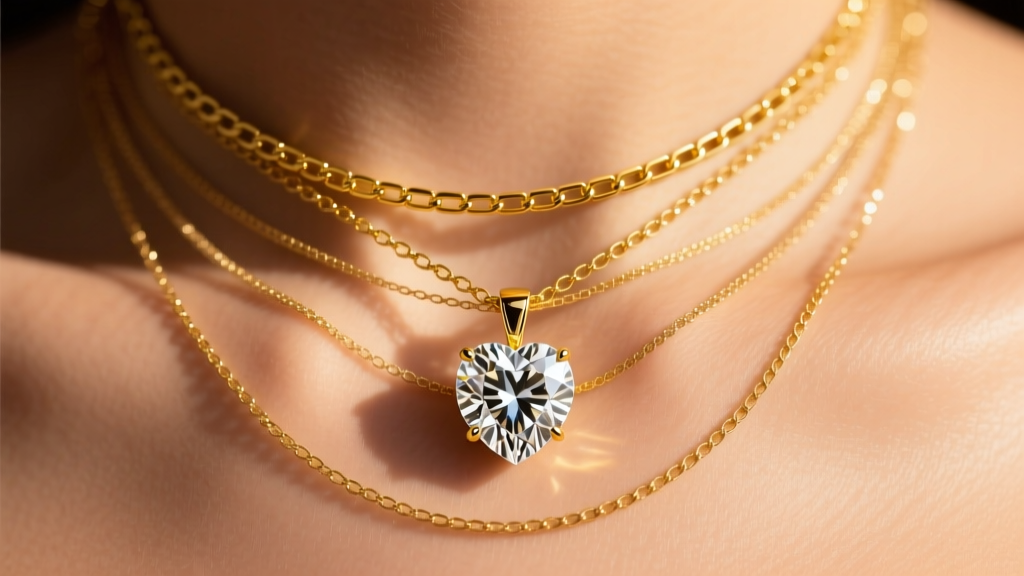
When incorporating a heart cut diamond pendant into a layered stack, treat it as the anchor piece. Place it on an 18-inch princess chain, and flank it with a 16-inch choker featuring a simple geometric shape (like a bezel-set baguette or a plain gold sphere) and a 20-inch matinee chain with a subtle textured link. This staggered spacing prevents the chains from tangling and ensures the heart's cleft remains visible.
Investment and Pricing Realities in 2026
The market for heart cut diamonds has bifurcated sharply between natural and lab-grown stones. Because heart cuts require a high degree of precision and result in significant rough yield loss, natural stones command a premium. However, lab-grown options have achieved optical and chemical parity, offering consumers access to higher clarity and color grades at a fraction of the cost.
Expert Insight: When purchasing a natural heart cut diamond necklace, always verify the grading report. As noted by GIA Grading Reports, fancy shapes do not receive a traditional 'Cut' grade, making it imperative to independently verify the depth, table, and symmetry metrics rather than relying solely on the color and clarity grades.
Current Market Pricing Estimates (1.00 Carat, G Color, VS2 Clarity):
- Natural Earth-Mined: $4,200 – $6,500 (excluding setting and chain)
- Lab-Grown (CVD/HPHT): $700 – $1,300 (excluding setting and chain)
For the setting and chain in 14K or 18K solid gold, expect to add $350 to $800 depending on the complexity of the bail and the metal weight of the chain.
Maintenance: Protecting the Cleft
The most vulnerable aspect of a heart cut diamond necklace is the cleft. This sharp V-shape is a natural cleavage plane in the diamond crystal, making it susceptible to chipping if struck against a hard surface. Always ensure your setting utilizes a custom-fitted V-prong or a bezel wrap at this specific point. Furthermore, the cleft and the underside of the lobes are magnets for sebum, lotion, and cosmetic buildup, which will quickly dull the stone's fire. Clean the necklace bi-weekly using a soft-bristled baby toothbrush and a mild solution of warm water and degreasing dish soap, avoiding harsh ultrasonic cleaners that can vibrate the V-prong loose over time.


