Beginner's Guide to Buying a Heart Lock and Key Necklace
Discover how to choose the perfect heart lock and key necklace. Learn about metals, chain lengths, and styling tips for this timeless romantic jewelry piece.

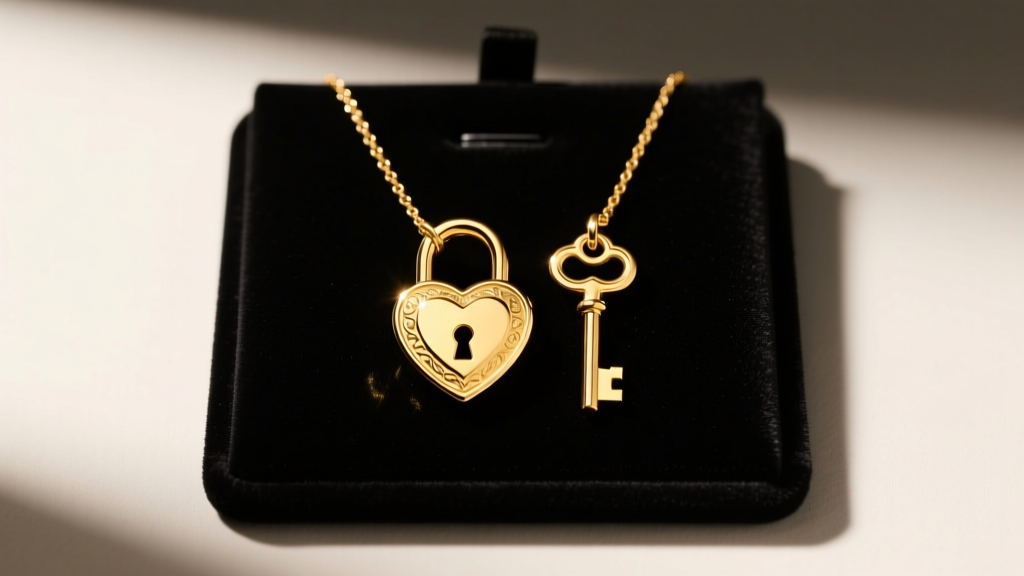
The Enduring Appeal of the Heart Lock and Key Necklace
Few jewelry designs carry as much immediate emotional weight and romantic symbolism as the heart lock and key necklace. Whether you are purchasing this piece as a promise ring alternative, a milestone anniversary gift, or a personal talisman of self-love, understanding the construction and material nuances is essential. Unlike simple stamped pendants, a lock and key set involves moving parts, precise weight distribution, and specific chain requirements to ensure longevity. This beginner-friendly guide will walk you through the exact specifications, material grades, and styling frameworks you need to make an informed purchase.
Decoding the Metals: Which Material Should You Choose?
The foundation of any fine jewelry piece is its metal. Because the padlock and key involve friction and moving parts, the hardness and durability of the alloy are critical. Soft metals will wear down at the keyway, eventually rendering the lock useless. Here is a breakdown of the most common metals used in these necklaces, complete with current market expectations.
| Metal Type | Durability & Wear | Price Range (USD) | Best For |
|---|---|---|---|
| 925 Sterling Silver | Moderate. Prone to tarnish and scratching. Requires rhodium plating for a white-gold look. | $45 - $120 | Everyday wear on a budget; teens and young adults. |
| Gold Vermeil | High base durability (sterling silver core), but the gold layer (minimum 2.5 microns) can wear off the key over time. | $80 - $180 | Fashion-forward buyers who want the look of gold without the solid gold price tag. |
| Solid 14k Gold | Excellent. The industry standard for fine jewelry. Hard enough to withstand daily friction in the lock mechanism. | $250 - $650 | Lifetime pieces, anniversaries, and daily wear without fear of water damage. |
| Solid 18k Gold | Good, but softer than 14k. The higher gold content makes it more prone to micro-scratches on the key blade. | $500 - $1,200+ | Luxury gifting and heirloom-quality investments. |
According to the Gemological Institute of America (GIA), 14k gold consists of 58.3% pure gold mixed with alloy metals like copper, silver, or zinc. This specific ratio provides the ideal tensile strength required for the tiny internal pins of a functional padlock pendant. If you opt for sterling silver, ensure the piece is coated in a flash of rhodium to delay the inevitable oxidation that occurs when silver reacts with sulfur in the air.
Selecting the Right Chain Gauge and Style
A common mistake beginners make is pairing a heavy solid gold padlock with a delicate, hollow chain. The heart lock and key necklace requires a chain that can support the pendant's weight without snapping at the jump ring. A standard 14k gold lock pendant weighs between 1.5 and 3.2 grams, while larger statement pieces can exceed 5 grams.
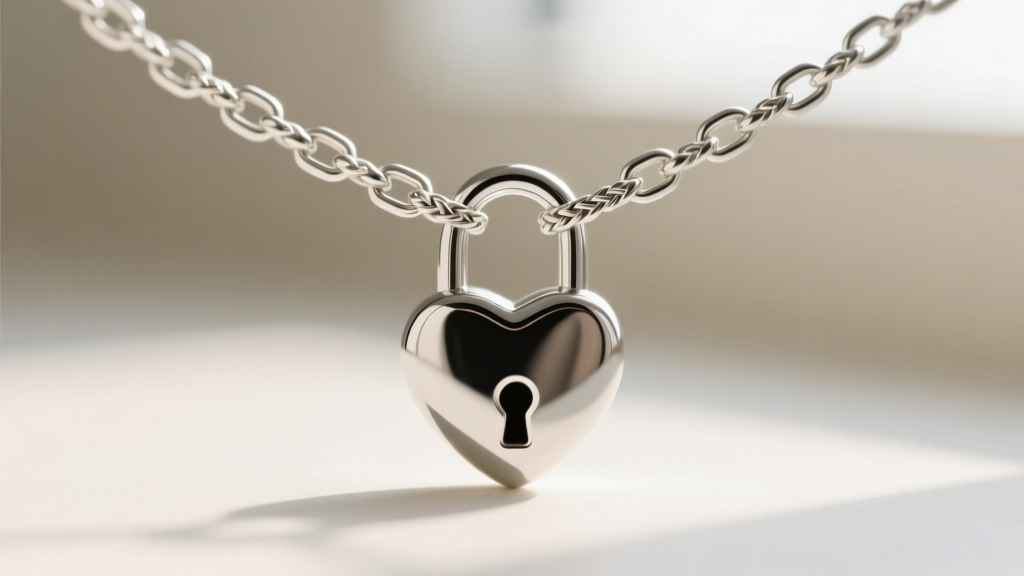
Recommended Chain Styles for Lock Pendants
- Box Chains (1.0mm - 1.5mm): The square, interlocking links of a box chain offer incredible tensile strength and a smooth surface that won't catch on the bail of the padlock. This is the most secure option for heavier locks.
- Cable Chains (1.2mm - 1.8mm): A classic choice featuring uniform oval links. Ensure the links are soldered (closed with a tiny weld) rather than simply bent shut, as unsoldered links will pull apart under the pendulum motion of a heavy lock.
- Rope Chains (1.5mm - 2.0mm): Twisted links that reflect light beautifully. While highly durable, the textured surface can sometimes cause friction against the pendant bail, leading to premature wear on the pendant's hanging loop.
Pro Tip: Always check the clasp on the chain itself. A standard spring-ring clasp is sufficient for chains under 1.5mm, but for thicker chains supporting heavy locks, upgrade to a lobster claw clasp for secure fastening.
The Mechanics: Functional vs. Decorative Locks
Not all heart lock and key necklace designs are created equal. When shopping, you must determine whether you want a functional mechanism or a purely decorative one.
Functional Pin Tumbler Locks
High-end jewelers often craft miniature, fully functional padlocks. These contain a microscopic pin tumbler mechanism inside the heart-shaped body. When the correct key is inserted, it aligns the internal driver pins and key pins at the shear line, allowing the shackle (the U-shaped loop at the top) to pop open. These pieces are marvels of micro-engineering and command a premium price due to the labor-intensive assembly. However, they require occasional maintenance; a tiny drop of specialized jewelry lubricant may be needed if the mechanism becomes stiff over the years.
Decorative Snap-Fit Locks
More common in fashion and bridge jewelry, decorative locks do not have internal pins. The key is often fixed to the front of the lock as a static design element, or it inserts into a simple friction-fit slot that holds the two halves of the heart together via a small magnetic or snap-fit hinge. While less expensive and perfectly fine for aesthetic purposes, they do not offer the interactive satisfaction of a true locking mechanism.
Styling Frameworks for Different Necklines
The visual weight of a heart lock and key necklace dictates how it should be styled against your wardrobe. Here is a practical decision framework for pairing this specific pendant with common necklines.
The Layering Rule: Because a lock and key pendant has an irregular, asymmetrical shape (due to the key hanging beside or inside the lock), it is notoriously difficult to layer with other pendants. It is best worn as a standalone statement piece on a bare neckline or over fabric.
- The V-Neck: The natural geometry of a V-neck draws the eye downward, perfectly framing a heart-shaped padlock. Opt for an 18-inch chain so the lock rests exactly at the apex of the V.
- The Crew Neck: To prevent the pendant from getting lost against a high collar, choose a shorter 16-inch choker-style chain. This forces the lock to sit above the fabric line, creating a stark, intentional contrast.
- Off-the-Shoulder / Boat Neck: These wide necklines expose the collarbones. A delicate 14k gold lock on a 20-inch chain will drape beautifully across the sternum, utilizing the negative space of the bare skin to highlight the metallic reflection.
Care and Maintenance for Long-Lasting Shine
Maintaining a necklace with moving parts requires a slightly more rigorous cleaning routine than a standard solid pendant. Dirt, skin oils, and cosmetic residues can easily become trapped inside the keyway of the lock, causing the mechanism to jam or the metal to tarnish from the inside out.
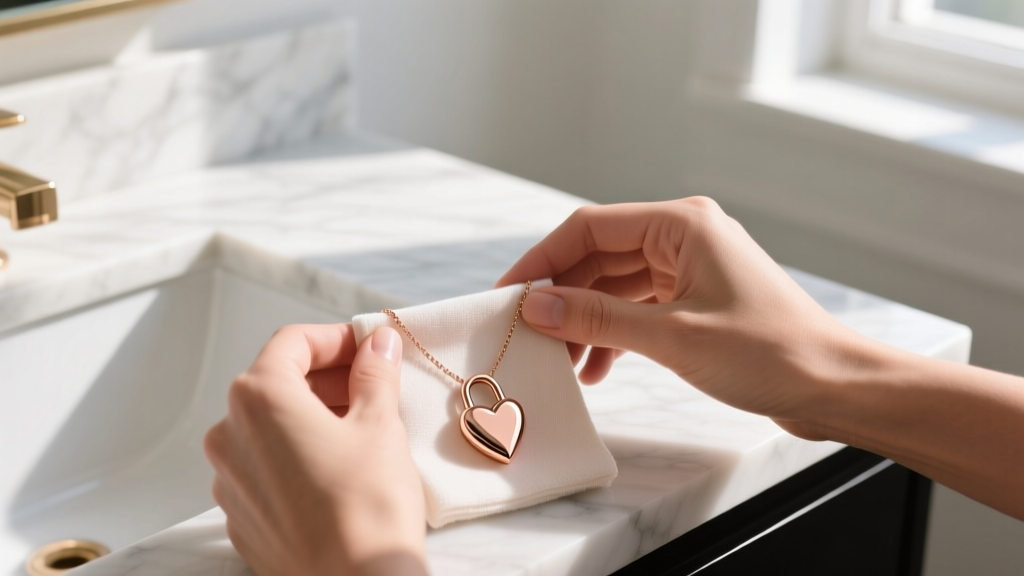
Follow these expert maintenance steps to preserve your piece:
- Weekly Wipe-Down: Use a lint-free microfiber cloth to gently buff the surface of the lock and the chain. This removes acidic skin oils that can degrade gold alloys and tarnish silver.
- Deep Cleaning the Mechanism: For functional locks, mix a few drops of mild, phosphate-free dish soap in warm distilled water. Submerge the pendant for exactly three minutes. Use a baby-bristle toothbrush to gently sweep the bristles into the keyway to dislodge trapped debris. Never use ultrasonic cleaners on functional locks, as the high-frequency vibrations can dislodge the microscopic internal springs and pins.
- Chemical Avoidance: Always remove your necklace before swimming in chlorinated pools or using household cleaning supplies. Chlorine reacts violently with the copper alloys in 14k and 18k gold, causing a phenomenon known as 'stress corrosion cracking' which can cause the chain links to become brittle and snap.
For comprehensive guidelines on maintaining fine jewelry at home, the Jewelers of America provides excellent, industry-approved protocols that align with these practices.
Final Thoughts on Your Purchase
Investing in a heart lock and key necklace is about more than just acquiring a beautiful accessory; it is about securing a piece of wearable symbolism. By prioritizing solid metals like 14k gold, selecting a soldered box chain of the appropriate gauge, and understanding the mechanical differences between functional and decorative locks, you ensure that your necklace will remain a secure and stunning staple in your collection for decades to come. Take your time, verify the hallmark stamps on the metal, and choose a piece that resonates with your personal style and emotional intent.


