Heart of the Ocean Necklace Titanic: A Beginner's Style Guide
Discover the history, materials, and styling tips for the iconic Heart of the Ocean necklace Titanic replica in this beginner-friendly guide.

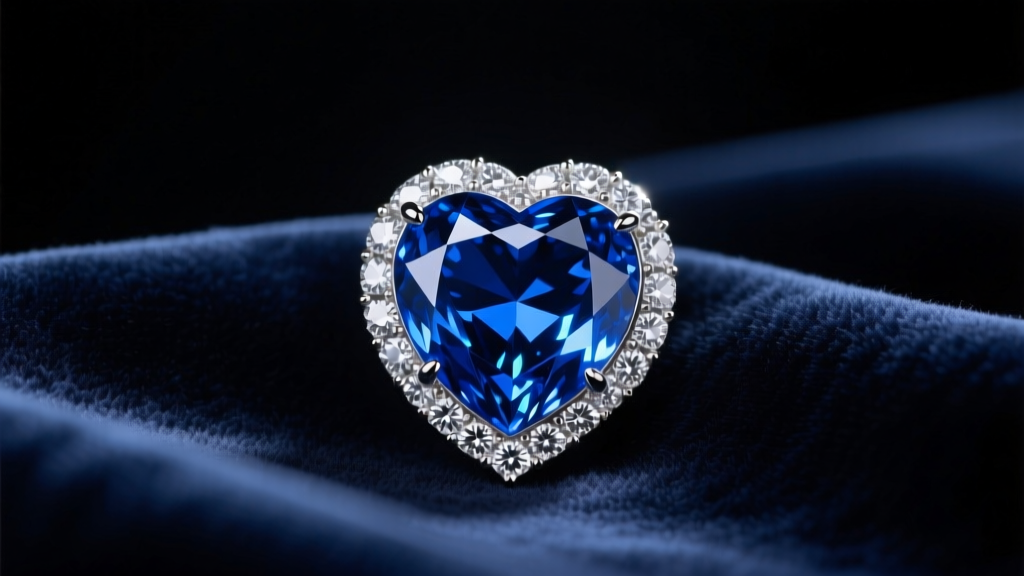
When James Cameron’s 1997 cinematic masterpiece hit theaters, it didn't just break box office records; it ignited a global obsession with a single piece of jewelry. The Heart of the Ocean necklace Titanic fans know and love is a masterclass in visual storytelling, combining the tragic romance of the film with the breathtaking allure of a massive blue diamond. But for beginners looking to purchase a replica or an inspired piece today, navigating the market can be overwhelming. From cheap costume alloys that turn your skin green to high-end lab-grown sapphires, the quality spectrum is vast. This beginner-friendly explainer will decode the anatomy, materials, and styling mechanics of this iconic pendant so you can invest in a piece that honors the legend without compromising on quality.
The Legend: Movie Prop vs. Real-Life Inspiration
To understand what you are buying, you must first understand the history. The fictional Heart of the Ocean was heavily inspired by the Hope Diamond, a 45.52-carat Fancy Dark Grayish Blue diamond currently housed in Washington, D.C. According to the Smithsonian National Museum of Natural History, the Hope Diamond's deep blue color is caused by trace amounts of boron within the carbon crystal structure. Because a natural blue diamond of the size depicted in the film would be worth hundreds of millions of dollars, the movie's jewelry department had to get creative.
The original movie prop was crafted by the prestigious London jeweler Asprey & Garrard. It featured a heart-shaped cubic zirconia (CZ) set in 18k white gold, surrounded by a halo of smaller white CZ stones. Following the film's massive success, the jeweler created a genuine version using a 177-carat Ceylon sapphire and 103 white diamonds, which later sold at auction for over $1.4 million. Today, when you shop for a Heart of the Ocean necklace Titanic replica, you are primarily looking at the Asprey & Garrard design blueprint: a large blue center stone, a white diamond halo, and a delicate white metal chain.
Anatomy of the Necklace: What Are You Actually Buying?
Before clicking 'add to cart,' you need to look past the flashy marketing photos and examine the material specifications. The center stone is the most critical variable affecting both the price and the longevity of the necklace.
| Center Stone Material | Mohs Hardness | Refractive Index (Brilliance) | Estimated Price Range |
|---|---|---|---|
| Blue Glass / Crystal | 5.5 - 6.0 | 1.52 (Low) | $15 - $40 |
| Cubic Zirconia (CZ) | 8.0 - 8.5 | 2.15 (High) | $45 - $120 |
| Lab-Created Sapphire | 9.0 | 1.76 (Medium-High) | $150 - $400 |
| Natural Blue Sapphire | 9.0 | 1.76 (Medium-High) | $1,500+ |
As noted by the Gemological Institute of America (GIA), corundum (sapphire) is exceptionally durable, making it ideal for everyday wear. Cubic Zirconia is slightly softer and can become cloudy over time due to micro-scratches and oil accumulation, but it offers a diamond-like sparkle that glass simply cannot achieve. For a beginner seeking the best balance of durability and budget, a lab-created sapphire or high-grade CZ set in sterling silver is the optimal choice.
Pricing Tiers: How Much Should a Replica Cost?
The market is flooded with knock-offs, but you can easily categorize them into three distinct pricing tiers based on their metallurgy and gemology.
1. The Costume Tier ($20 - $50)
- Metals: Brass, copper, or 'Tibetan silver' (a nickel-heavy alloy).
- Plating: Flash-plated rhodium or silver (less than 0.1 microns thick).
- Stones: Glass or low-grade CZ.
- Verdict: Avoid if you have sensitive skin. The thin plating will wear off within weeks, exposing the base metal to oxygen and sweat, leading to rapid tarnishing and potential contact dermatitis.
2. The Demi-Fine Tier ($80 - $250)
- Metals: Solid 925 Sterling Silver.
- Plating: 0.5 to 1.0 microns of rhodium to prevent tarnishing and provide a white-gold finish.
- Stones: AAA-grade CZ or lab-created sapphire.
- Verdict: The sweet spot for most buyers. You get genuine precious metal and a stone that will last for years with proper care.
3. The Fine Jewelry Tier ($1,000+)
- Metals: 14k or 18k Solid White Gold or Platinum.
- Stones: Natural or premium lab-grown blue sapphires with diamond halos.
- Verdict: An investment piece meant for heirloom status, not just movie fandom.
Chain and Clasp Mechanics: Avoiding Cheap Failures
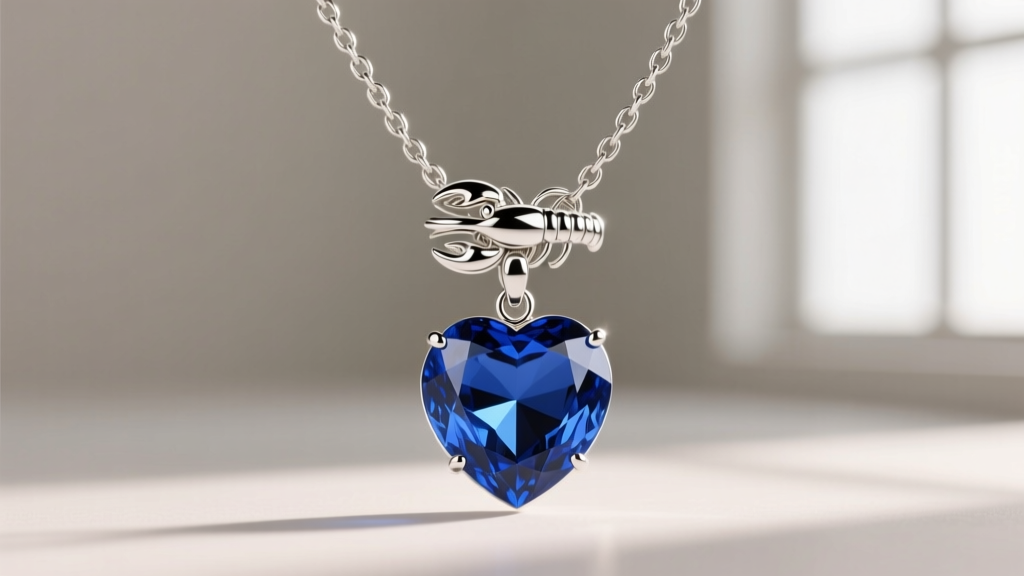
A common failure point in replica jewelry is the chain and clasp assembly. The movie necklace features a delicate box chain. While visually elegant, box chains are notorious for kinking if bent at sharp angles. When purchasing, check the chain width; anything thinner than 1.0mm will struggle to support the weight of a large heart pendant, leading to snapping.
Pay close attention to the bail (the loop connecting the pendant to the chain). In cheap replicas, the bail is often glued to the pendant setting. Over time, body heat and moisture degrade the adhesive, causing the pendant to snap off and get lost. Always look for a soldered bail that is physically fused to the metal setting. Furthermore, ensure the jump ring (the small circle connecting the clasp to the chain) is soldered shut. If you see a tiny slit in the jump ring, it will eventually pull apart under the pendant's weight.
How to Style the Heart of the Ocean Without Looking Costumey
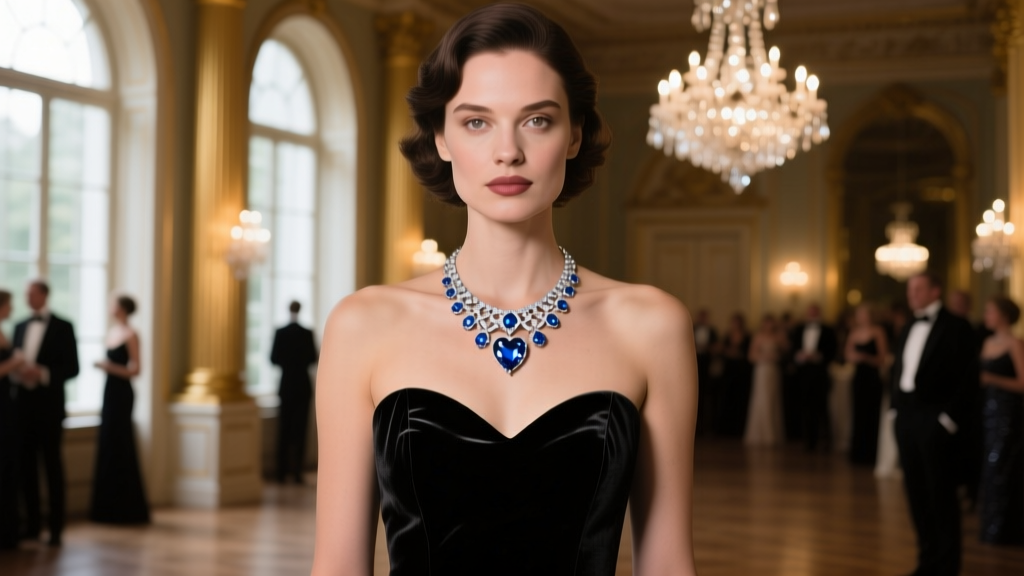
The biggest mistake beginners make with statement pendants is treating them like everyday casual wear. The Heart of the Ocean necklace Titanic design is inherently formal and dramatic. To wear it elegantly, you must balance its visual weight.
Neckline Pairings
- Sweetheart Necklines: The ultimate pairing. The curved dip of the dress mirrors the heart shape of the pendant, creating a harmonious silhouette.
- Deep V-Necks: Allows the pendant to rest directly on the skin, drawing the eye downward and elongating the neck.
- Off-the-Shoulder / Boat Neck: Provides a wide canvas of bare skin, allowing the blue stone to pop without competing with fabric patterns.
- Avoid: High collars, turtlenecks, or busy ruffled blouses. These will cause the delicate chain to get lost and the pendant to flip upside down constantly.
Metal and Accessory Rules
Because the pendant is so dominant, practice restraint with your other jewelry. Pair it with simple diamond or clear CZ stud earrings. Avoid dangling earrings or heavy bracelets, which will compete for attention and make the overall look feel cluttered and theatrical. Stick to white metals (silver, white gold, platinum) to maintain the icy, nautical aesthetic established by the film.
Care and Maintenance for Longevity
To keep your blue stone brilliant, you must understand its chemical vulnerabilities. Never use ultrasonic cleaners on cubic zirconia or treated sapphires, as the high-frequency vibrations can loosen the prongs or fracture the stone. Instead, use a mild solution of warm water and a few drops of gentle dish soap. Soak the necklace for 10 minutes, then gently brush the back of the stone (the pavilion) with a soft-bristled baby toothbrush. The back of the stone collects the most skin oils and lotion, which drastically reduces light return and makes the blue gem look dull and gray. Always store the necklace flat or hanging; never toss it into a jewelry box where the chain can tangle and stress the soldered joints.
Final Verdict for First-Time Buyers
Purchasing a Heart of the Ocean necklace Titanic replica is a fantastic way to own a piece of cinematic history, provided you buy smart. Skip the $20 costume bins and aim for the $100 to $250 demi-fine range. Insist on solid 925 sterling silver with a thick rhodium plate, a soldered bail, and a high-grade CZ or lab sapphire center stone. By focusing on structural integrity and material quality over flashy marketing, you will secure a breathtaking piece of jewelry that captures the romance of the high seas without the tragedy of a broken chain.


