Heart of the Ocean Necklace Worth: Gem & Material Analysis
Discover the true Heart of the Ocean necklace worth by analyzing sapphire, tanzanite, and diamond material properties, grades, and market valuations.

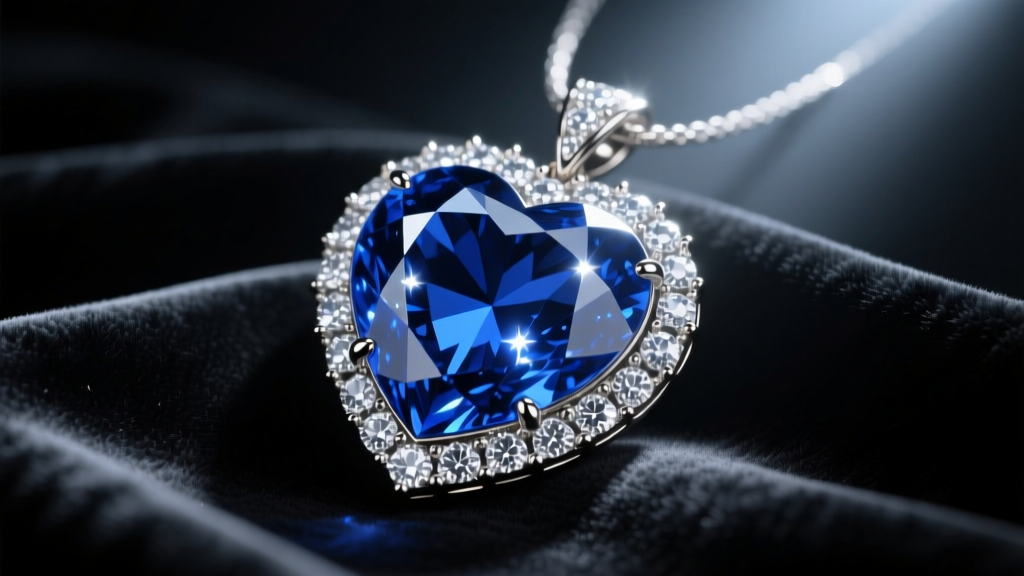
When collectors, cinephiles, and high-jewelry enthusiasts search for the heart of the ocean necklace worth, they are often met with a dizzying array of figures. From commercial glass replicas priced under $50 to the legendary $20 million Harry Winston piece worn by Celine Dion at the 1998 Academy Awards, the valuation of this iconic pendant spans a massive spectrum. But as we navigate the high jewelry market in 2026, determining the true worth of a 'Heart of the Ocean' style necklace requires stripping away the Hollywood mythology and examining the piece through a strict gemological and metallurgical lens.
To accurately appraise or commission a custom heart-shaped blue pendant, one must understand the material properties that dictate price, durability, and light performance. This guide breaks down the exact mineral compositions, metal alloys, and diamond grades that separate a cinematic prop from a masterwork of fine jewelry.
The Fictional Legend vs. Real-World Replicas
In James Cameron’s Titanic, the Heart of the Ocean is described as a rare, massive blue diamond. However, in the real world, blue diamonds of that size (estimated at 40-50 carats on screen) are virtually non-existent outside of museum collections like the Smithsonian's Hope Diamond. To bring the necklace to life, jewelers relied on alternative blue gemstones.
- The Asprey & Garrard Replica: Commissioned by the film's producers, this piece featured a 17-carat blue sapphire surrounded by white diamonds. It was later sold at auction, establishing a baseline for sapphire-based replicas.
- The Harry Winston Masterpiece: To promote the film, Harry Winston created a functional replica using a 177-carat tanzanite and 103 carats of diamonds. This is the piece that defines the upper echelon of the necklace's valuation history.
Gemological Breakdown: Sapphire vs. Tanzanite vs. Spinel
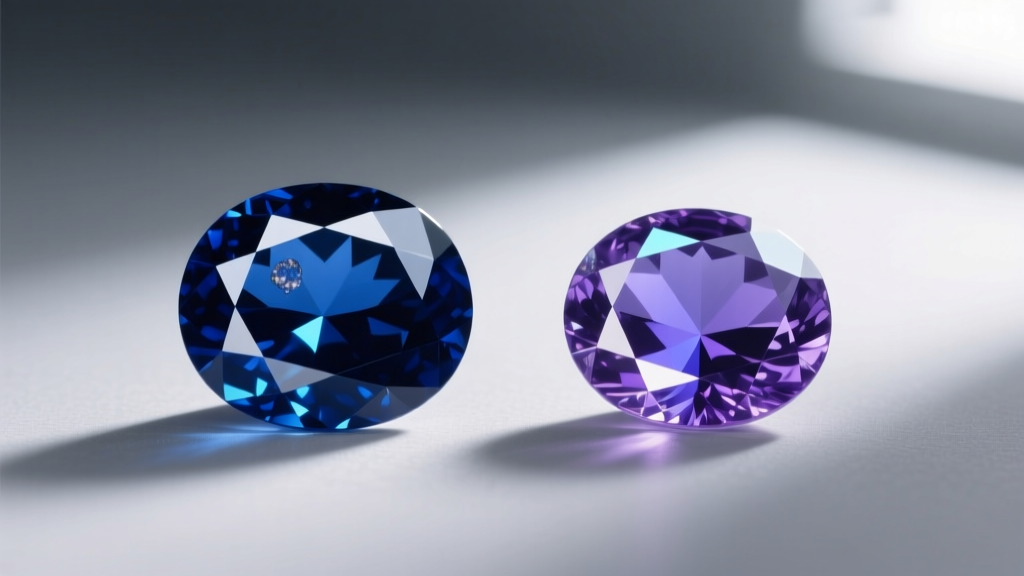
The center stone is the primary driver of the heart of the ocean necklace worth. While the movie prop used cubic zirconia, authentic luxury iterations rely on three primary blue gemstones. Each possesses distinct optical and physical properties that drastically alter the price per carat.
Material Properties & 2026 Market Valuation
| Material | Mineral Family | Mohs Hardness | Refractive Index (RI) | Specific Gravity | 2026 Market Price (Per Carat) |
|---|---|---|---|---|---|
| Blue Sapphire | Corundum | 9.0 | 1.76 - 1.77 | 4.00 | $5,000 - $15,000+ |
| Tanzanite | Zoisite | 6.5 - 7.0 | 1.69 - 1.70 | 3.35 | $400 - $1,200 |
| Blue Spinel | Spinel | 8.0 | 1.71 - 1.73 | 3.60 | $2,000 - $8,000 |
According to the Gemological Institute of America (GIA), a top-tier Ceylon or Kashmir blue sapphire commands a massive premium due to its exceptional hardness (Mohs 9) and lack of cleavage planes, making it highly resistant to chipping—a critical factor for a heavy, heart-shaped pendant that rests against the sternum. Tanzanite, while offering a stunning pleochroic violet-blue hue, is significantly softer. A 50-carat tanzanite heart stone may cost upwards of $40,000, whereas a sapphire of identical dimensions and saturation could easily exceed $500,000.
The Metal Matrix: Platinum vs. White Gold Settings
A massive center stone requires a setting that provides structural integrity without compromising the icy blue aesthetic. The metal matrix accounts for 15% to 25% of the total manufacturing cost in high jewelry.
Platinum 950 (The Industry Standard)
Authentic luxury replicas almost exclusively use Platinum 950 (95% platinum, 5% ruthenium or iridium). Platinum’s high density (21.45 g/cm³) gives the necklace a substantial, premium drape. More importantly, platinum’s prongs do not suffer from metal fatigue as quickly as gold alloys, ensuring that a heavy 40-carat heart stone remains secure over decades of wear. Furthermore, platinum is naturally white; it does not require rhodium plating, meaning it will never reveal a yellowish undertone as it wears down.
18k White Gold (The Accessible Alternative)
For custom commissions where the budget is heavily allocated toward the center sapphire, 18k white gold (75% gold, alloyed with palladium or nickel) is a viable alternative. However, jewelers must rhodium-plate the setting to achieve the bright white finish necessary to complement blue gemstones. Over a 10-year period, the rhodium will wear off near the bail and chain links, requiring professional re-plating.
Evaluating the Diamond Halo: Clarity, Cut, and Carat Weight
The 'Heart of the Ocean' design relies on a dense, continuous halo of white diamonds to frame the blue center stone and maximize light return. The worth of the necklace is heavily influenced by the quality of these melee diamonds.
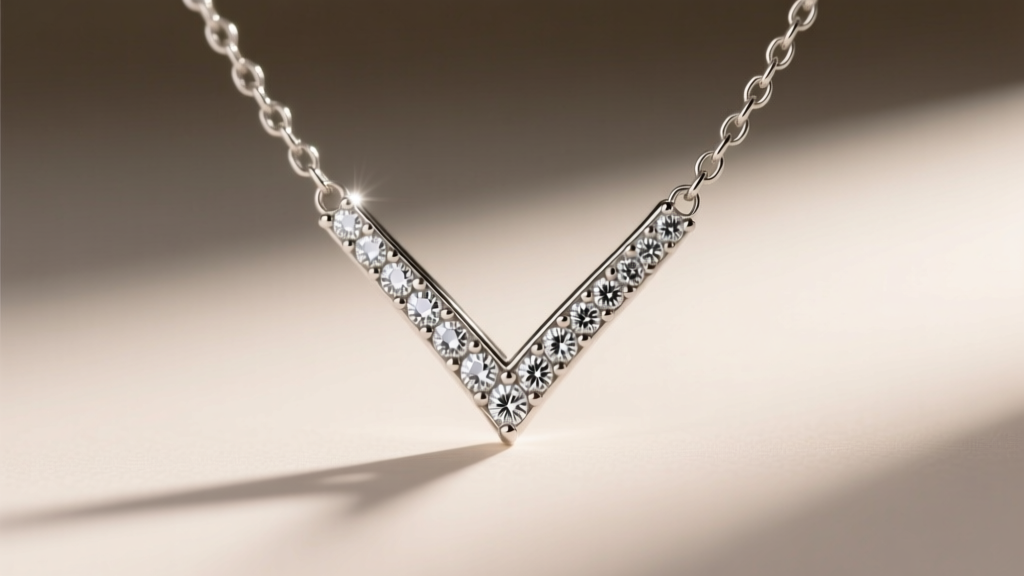
In high-end masterworks, the halo consists of brilliant-cut melee diamonds ranging from 0.05 to 0.15 carats each. To match the brilliance of a high-RI sapphire, the diamonds must meet strict grading criteria:
Expert Appraisal Tip: When evaluating a sapphire halo necklace, inspect the melee diamonds under a 10x loupe. If the stones exhibit visible carbon inclusions (I1 or I2 clarity) or possess a milky, fluorescent haze (common in lower-grade Strong Blue fluorescence stones), the overall valuation of the piece drops by up to 30%, regardless of the center stone's quality.
- Color Grade: F to G (Colorless to Near-Colorless). Anything lower (H or I) will introduce a warm yellow tint that clashes with the cool blue sapphire.
- Clarity Grade: VS1 to VS2. The stones must be eye-clean to maintain the 'icy' illusion of the halo.
- Setting Technique: Micro-pavé or shared-prong settings are required. Bezel or channel settings will obscure too much of the diamond's crown, reducing the scintillation necessary to mimic the cinematic glow of the original prop.
How to Appraise a Custom 'Heart of the Ocean' Piece
If you are commissioning a bespoke piece or evaluating an estate find, calculating the exact heart of the ocean necklace worth requires a composite appraisal. According to auction archives at Sotheby's Fine Jewelry, composite valuation involves three distinct tiers:
- The Intrinsic Material Value: Calculated by multiplying the exact carat weight of the sapphire/tanzanite by the current per-carat wholesale index, plus the melt value of the platinum and the wholesale cost of the melee diamonds.
- The Craftsmanship Premium: Master jewelers charge a 20% to 40% premium for the labor involved in cutting a symmetrical heart shape (which yields up to 60% rough stone wastage) and executing a flawless micro-pavé halo.
- The Provenance Multiplier: Unless the piece was crafted by a heritage house like Harry Winston, Cartier, or Asprey, it will not carry a brand multiplier. Independent bespoke pieces are valued strictly on their material and artisanal merit.
Ultimately, the worth of a Heart of the Ocean necklace is not defined by its cinematic lore, but by the uncompromising quality of its corundum, the precision of its pavé diamonds, and the enduring strength of its platinum setting. By focusing on these tangible material properties, collectors can confidently navigate the market and secure a piece of wearable art that transcends the silver screen.


