Heart Station Necklace Materials: Gold, Silver & Platinum Compared
Compare metals for your heart station necklace. We analyze 14k gold, sterling silver, and platinum for durability, tarnish, and skin safety.

The Structural Demands of a Heart Station Necklace
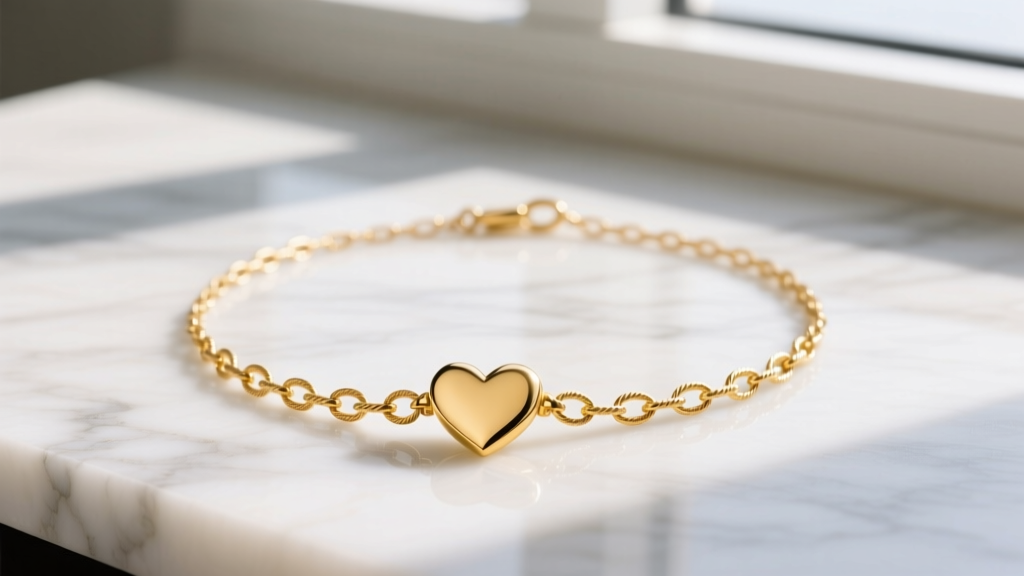
When selecting a heart station necklace, most buyers focus entirely on the aesthetic: the size of the heart motifs, the spacing between them, and the overall drape of the piece. However, from a metallurgical and structural standpoint, a station necklace is vastly more complex than a standard single-pendant chain. A traditional pendant hangs from a single bail or jump ring, concentrating the tensile stress in one area. A heart station necklace, by contrast, features multiple hearts integrated directly into the chain or attached via a series of jump rings along the length of the metal.
This design introduces multiple solder joints and friction points. Every time the necklace moves against your skin or clothing, the chain flexes at these station points. If the metal is too soft, the jump rings will slowly pull open, leading to lost charms. If the alloy is prone to oxidation, the crevices around the solder joints will trap tarnish that is notoriously difficult to polish. Understanding the material properties of your chosen metal is the only way to ensure your necklace survives daily wear without requiring constant visits to the jeweler for jump ring soldering.
Precious Metal Breakdown: Gold, Silver, and Platinum
The longevity of your necklace hinges on the specific alloy composition. Pure metals are rarely used in fine jewelry because they lack the necessary tensile strength. Let us break down how the most common precious metals perform in a multi-station design.
14k vs. 18k Gold: The Alloy Balance
Gold is alloyed with metals like copper, silver, and zinc to increase its hardness. The karat system dictates the ratio of pure gold to these alloy metals. According to the Gemological Institute of America (GIA), 14k gold contains 58.5% pure gold, while 18k gold contains 75% pure gold. This 16.5% difference drastically alters the physical properties of the chain.
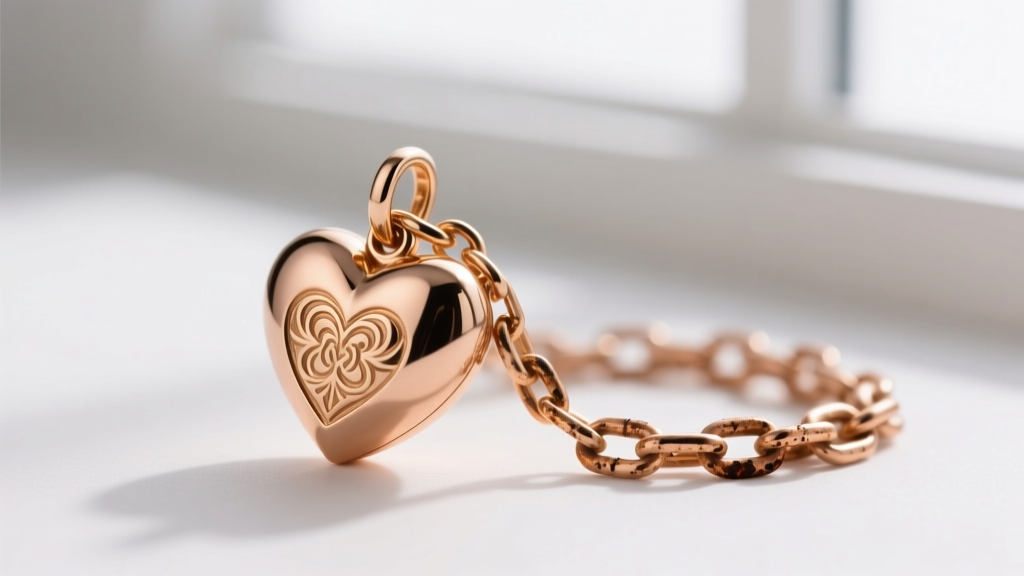
14k Gold (The Durability Choice): With a Vickers hardness (HV) of approximately 135-150 (depending on the exact alloy mix), 14k gold is significantly harder and more resistant to scratching. For a heart station necklace, 14k gold is highly recommended for the chain and the jump rings. The increased copper or silver content provides the structural rigidity needed to keep 20-gauge or 22-gauge jump rings tightly closed, even when subjected to the pulling forces of heavy heart charms.
18k Gold (The Aesthetic Choice): 18k gold offers a richer, warmer color and is less likely to cause allergic reactions due to its lower base-metal content. However, it is softer (around 125 HV). If an 18k gold station necklace features heavy solid hearts, the constant weight and movement can cause the jump rings to stretch into oval shapes over time. If you choose 18k gold, ensure the hearts are lightweight, hollow-backed, or made of enamel to reduce the tensile load on the chain links.
Sterling Silver and the Tarnish Reality
Sterling silver (925) is an alloy of 92.5% pure silver and 7.5% copper. It is the most accessible and affordable option for a heart station necklace, typically ranging from $80 to $250 depending on brand and craftsmanship. However, the copper content makes it highly susceptible to tarnishing when exposed to sulfur compounds in the air, cosmetics, and human sweat.
In a station necklace, tarnish is not just a surface issue; it is a structural maintenance nightmare. The small gaps where the heart charms meet the chain trap dead skin, lotion, and sulfur. Many manufacturers apply a flash plating of rhodium over sterling silver to prevent tarnish. While this looks brilliant in the box, rhodium plating wears off quickly at high-friction areas. On a station necklace, the jump rings and the clasp will lose their rhodium coating within months, leading to localized tarnishing that creates a patchy, two-tone appearance. If you opt for sterling silver, choose a design where the hearts are soldered directly into the chain links rather than hanging from separate jump rings, minimizing the crevices where tarnish can accumulate.
Platinum: The Heavyweight Champion
Platinum (typically 950 Pt, alloyed with 5% ruthenium or iridium) is the ultimate material for fine jewelry, but it comes with specific engineering considerations. Platinum is incredibly dense and heavy. A 950 platinum heart station necklace will weigh significantly more than its gold or silver counterparts.
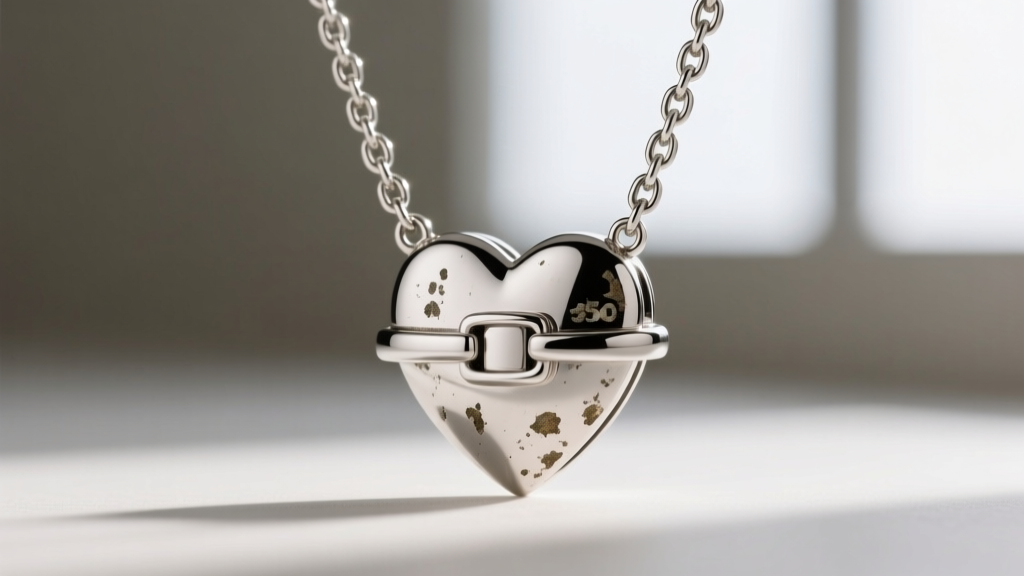
Because of this weight, the chain must be robust. A delicate 0.8mm cable chain in platinum will eventually snap under its own weight if the heart stations are substantial. Jewelers typically use a minimum of a 1.2mm to 1.5mm chain (such as a curb or rope chain) for platinum station necklaces to provide adequate shear strength. Furthermore, platinum does not wear away when scratched; instead, the metal is displaced, creating a soft, satin-like finish known as a patina. While some collectors love this vintage look, those who prefer a high-polish mirror finish will need to have the necklace professionally polished once a year. Expect to pay a premium for platinum, with quality station necklaces starting around $1,500 and easily exceeding $3,500 for designs featuring diamond accents.
Material Comparison Matrix
To help you make an informed decision, we have compiled a data table comparing the core properties of the primary metals used in heart station necklaces.
| Metal / Alloy | Hardness (Vickers) | Tarnish Resistance | Jump Ring Security | Avg. Price Range (2026) |
|---|---|---|---|---|
| 14k Yellow/White Gold | 135 - 150 HV | Excellent | High (Resists stretching) | $400 - $900 |
| 18k Yellow/Rose Gold | 115 - 125 HV | Excellent | Moderate (Can stretch if heavy) | $650 - $1,400 |
| 925 Sterling Silver | 60 - 70 HV | Poor (Requires maintenance) | Low (Prone to pulling open) | $80 - $250 |
| 950 Platinum | 130 - 145 HV | Excellent (Patina forms) | Very High (Requires laser welding) | $1,500 - $3,500+ |
Real-World Failure Modes and Maintenance
As jewelry repair specialists can attest, station necklaces fail in highly predictable ways based on their material. Understanding these failure modes will help you inspect and maintain your piece.
- Jump Ring Separation: The most common failure in gold and silver station necklaces. If the jump ring connecting the heart to the chain was cut with shears rather than sawed, it will have a sharp edge that catches on knitwear, slowly twisting the ring open. Always inspect the seams of your jump rings with a jeweler's loupe.
- Solder Joint Fatigue: In designs where the heart is soldered directly between two chain links, the solder used must have a slightly lower melting point than the base metal. If a jeweler uses a hard solder on a soft 18k gold chain, the heat can anneal (soften) the surrounding links, creating a weak point that will snap under tension.
- Clasp Spring Failure: The lobster clasp on a station necklace endures constant pulling. In sterling silver, the internal steel spring can rust if exposed to water, causing the clasp to jam. Ensure your silver necklace features a stainless steel or platinum spring mechanism inside the clasp.
Expert Tip: If you are investing in a platinum or 18k gold heart station necklace, ask your jeweler if the jump rings were closed using laser welding rather than traditional torch soldering. Laser welding provides a localized, high-strength seal without heating and weakening the adjacent delicate chain links, a technique highly recommended by the Jewelers of America for intricate multi-station pieces.
Alternative Materials: Titanium and Surgical Steel
For those with severe nickel allergies or those seeking ultra-durable, budget-friendly options, alternative metals are entering the station necklace market. Grade 5 Titanium (Ti-6Al-4V) is exceptionally strong, lightweight, and entirely hypoallergenic. A titanium heart station necklace will never tarnish, bend, or snap under normal wear. However, because titanium cannot be soldered with traditional jewelers' torches, the station connections must be mechanically linked or laser-welded in a factory setting, meaning they cannot be easily resized or repaired by a local bench jeweler. 316L Surgical Steel is another affordable, hypoallergenic option, though it lacks the prestige and intrinsic value of precious metals, making it better suited for fashion jewelry rather than heirloom pieces.
Final Verdict: Choosing Your Metal
The ideal material for your heart station necklace depends entirely on your lifestyle, budget, and tolerance for maintenance. If you want a piece you can wear daily in the shower and at the gym without a second thought, 14k gold offers the perfect intersection of durability, tarnish resistance, and value. If you desire a rich, romantic hue and are willing to handle the piece with care to prevent the jump rings from stretching, 18k rose or yellow gold is unmatched in beauty. For buyers seeking an entry-level luxury piece who do not mind periodic polishing, sterling silver remains a classic choice, provided you avoid designs with excessive mechanical joints. Finally, if budget is of no concern and you want an heirloom piece that will outlast you, platinum is the undisputed king of longevity, provided the chain gauge is thick enough to support the metal's substantial weight.


