Maui Necklace Moana Replicas: Sourcing, Care, and Troubleshooting
Discover how to source, repair, and maintain your Maui necklace Moana replica. Expert tips on fixing frayed cords, yellowing resin, and clasp failures.

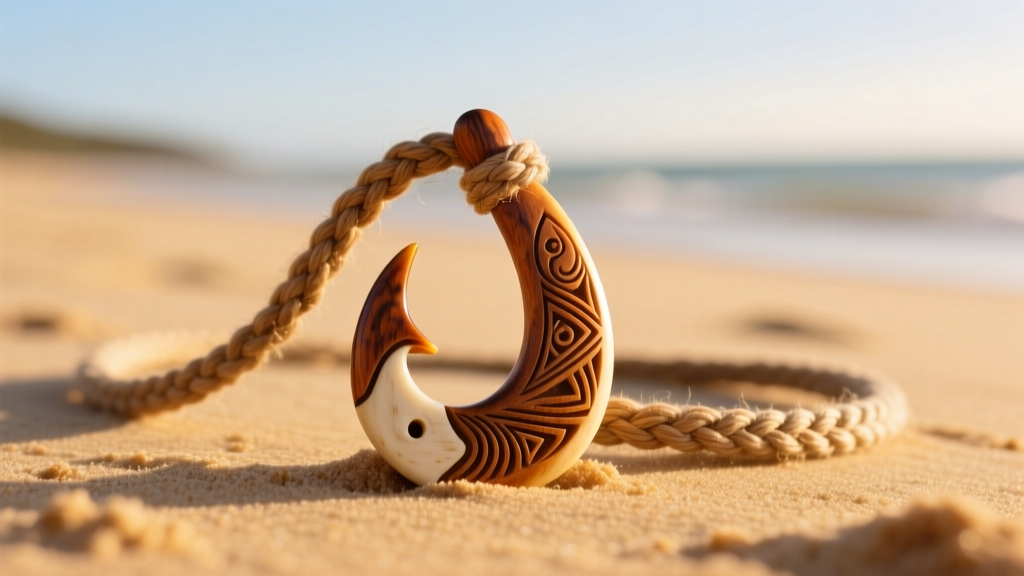
The Quest for the Perfect Maui Necklace Moana Replica
Since the release of Disney's animated hit, the demand for a screen-accurate maui necklace moana replica has remained incredibly high among cosplayers, collectors, and fans of Polynesian mythology. However, the market is flooded with cheap, injection-molded plastic toys and fragile 3D-printed trinkets that break within weeks of wear. As a jewelry specialist, I frequently see enthusiasts struggling with fraying cords, yellowing pendants, and failing adjustable knots.
The fishhook, traditionally known as a Matau in Polynesian culture, is a powerful symbol of strength, prosperity, and safe passage over water. Whether you are looking for a screen-accurate cosplay prop or a culturally respectful piece carved from authentic bone, maintaining this heavy, statement-making pendant requires specific jewelry care techniques. In this comprehensive troubleshooting guide, we will break down the exact material grades, repair methods, and structural upgrades needed to keep your demigod jewelry in pristine condition.
Material Breakdown: Screen-Accurate vs. Commercial Replicas
Before troubleshooting, it is vital to identify what your pendant is actually made of. The movie prop was designed to look like carved whale bone or ivory, but commercial replicas vary wildly in material composition. Understanding your material dictates your repair strategy.
| Material Type | Durability | Common Issues | Price Range |
|---|---|---|---|
| Injection-Molded PVC | Low | Snapping at the bail, paint chipping | $10 - $25 |
| Standard PLA 3D Print | Medium-Low | UV yellowing, layer line cracking | $30 - $60 |
| Cast Polyurethane Resin | Medium-High | Surface scratching, yellowing over time | $50 - $120 |
| Authentic Carved Bone | Very High | Drying out, staining from skin oils | $150 - $400+ |
If you want a piece that lasts a lifetime and respects the cultural origins of the design, I highly recommend sourcing authentic bone carvings from reputable Pasifika or Māori artisans. Organizations and collectives like Bone Art Place offer genuine, hand-carved New Zealand beef bone and whale bone pieces that carry the true weight and spirit of the Matau.
Troubleshooting Common Maui Fishhook Necklace Failures
Heavy pendants put immense stress on their suspension systems. Here is how to solve the three most common structural failures associated with these specific necklaces.
Issue 1: Fraying Waxed Cotton or Hemp Cords
The screen-accurate cord is a thick, braided hemp or dark brown cotton rope. Because the resin or bone hook is heavy (often exceeding 40 grams), the friction against the adjustable sliding knot causes the fibers to fray and eventually snap.
The Fix: Do not simply replace the cord with standard leather, which stretches and rots from sweat. Upgrade to a 2mm or 3mm waxed polyester cord (often sold as macrame cord). Polyester is impervious to water and sweat. To restore the 'hemp' look, take a block of natural beeswax or microcrystalline wax and vigorously rub it into the polyester fibers. This stiffens the cord, provides a matte, organic texture, and drastically reduces friction burn at the knot site.
Issue 2: Resin or PLA 3D-Printed Hook Yellowing
If your replica is 3D printed in white PLA or cast in standard polyurethane resin, exposure to UV light and natural skin oils will inevitably cause the 'bone' white finish to turn a sickly yellow.
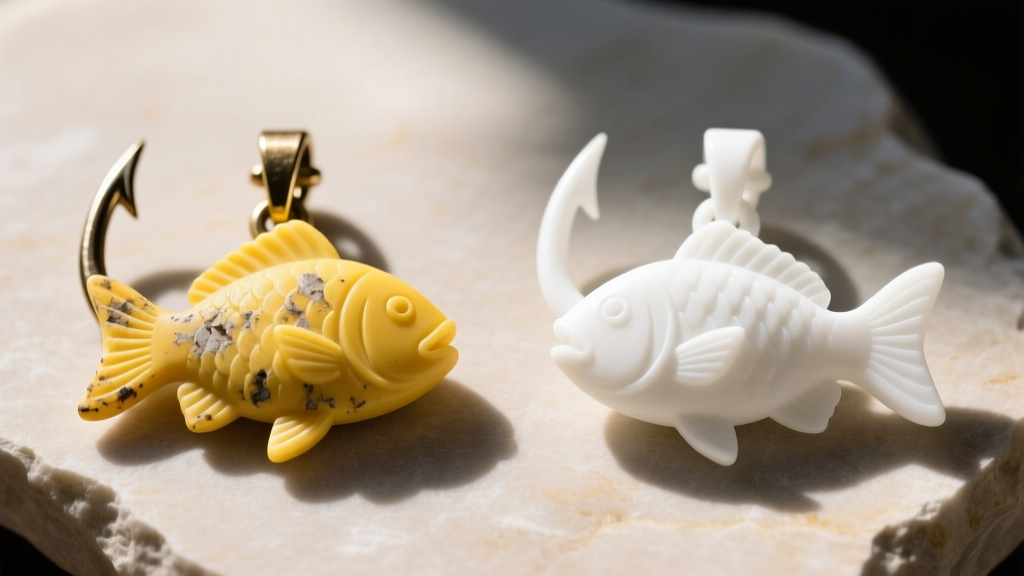
The Fix for PLA: You can reverse UV yellowing using a process called Retrobright. Create a solution of 12% hydrogen peroxide cream (available at beauty supply stores) and a small amount of glycerin. Coat the pendant, wrap it in clear cling film, and expose it to direct sunlight or a UV lamp for 4 to 6 hours. The oxidation process will bleach the plastic back to white. Rinse thoroughly and seal with a matte clear acrylic spray to prevent future UV damage.
The Fix for Resin: If the yellowing is merely surface-level oxidation on cast resin, use a three-stage plastic polishing kit (like Novus Plastic Polish). Start with step 2 to remove the oxidized layer, and finish with step 1 to restore a subtle, bone-like satin sheen. Avoid high-gloss finishes, as real bone does not reflect light like glass.
Issue 3: Clasp and Sliding Knot Slippage
The necklace relies on a sliding macrame knot to adjust the length, allowing it to sit high on the chest or low on the stomach. Over time, the cord compresses, and the knot becomes too loose to hold the heavy hook in place, causing the pendant to constantly slide down to your navel.
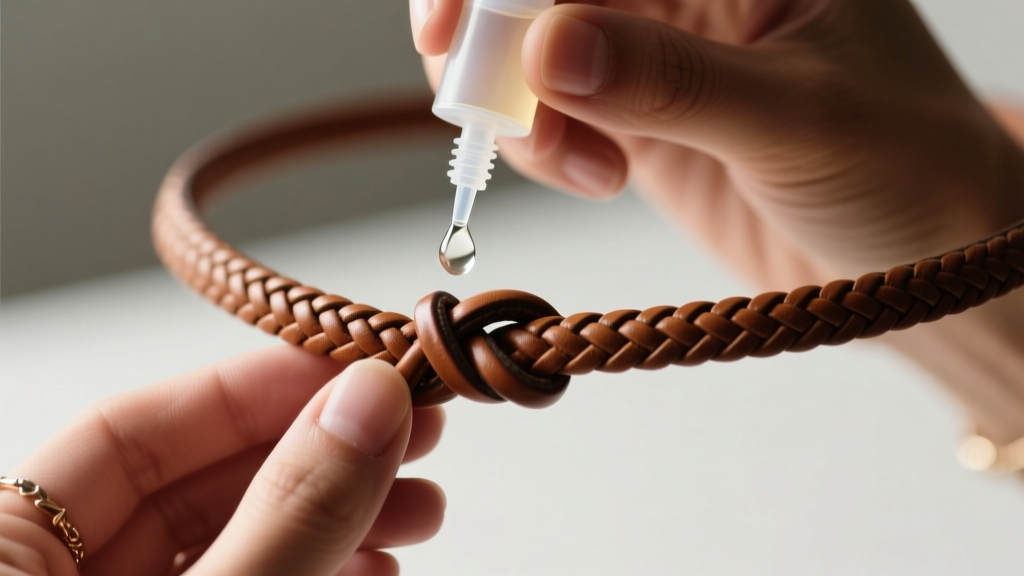
The Fix: You need to increase the friction of the sliding mechanism. First, untie the adjustable knot and re-tie it using a double-wrap square knot rather than a simple overhand loop. Once the new knot is tied and adjusted to your preferred tension, apply a single, microscopic drop of cyanoacrylate (CA) glue to the inside of the knot where the cords cross. Do not glue the knot to the main necklace cord; only glue the knot's own wrapping threads to themselves. This locks the knot's structure, preventing it from stretching out, while still allowing it to slide up and down the main cord. Finally, melt the very tips of the cord with a lighter and press them flat to create permanent stopper beads that prevent the hook from sliding off entirely.
Cultural Respect and Authentic Polynesian Carvings
While Disney popularized the aesthetic, the fishhook is a sacred tool and symbol in Polynesian navigation and fishing heritage. According to historians and cultural institutions like Museum of New Zealand Te Papa Tongarewa, the Matau represents not just physical strength, but the deep, spiritual connection between the ocean and the people who navigate it.
When sourcing a high-end replica, avoid mass-produced metallic versions that appropriate the design without understanding its geometry. An authentic carved bone hook will feature specific lashing holes at the top, designed to be bound with cord rather than pinched by a metal bail. If you are wearing this piece daily, treat it with the respect of a cultural artifact. Remove it before swimming in chlorinated pools, as chlorine will degrade both the organic bone and the binding threads over time.
Sizing and Layering the Fishhook Pendant
A major issue cosplayers face is scale. The animated hook is roughly the size of Maui's forearm—about 12 to 15 inches long. Wearing a 1:1 scale replica in real life is impractical; it will swing dangerously, catch on doors, and cause neck strain.
- The Ideal Scale: For daily wear, scale the hook down to 3.5 or 4 inches in length. This maintains the visual impact without the physical hazard.
- Weight Distribution: A 4-inch solid bone hook can weigh upwards of 60 grams. Ensure your neck cord is at least 3mm thick to distribute this weight comfortably across your cervical spine.
- Layering: Because the hook is a massive statement piece, avoid layering it with other pendants. Instead, pair it with simple, thin 18-inch sterling silver or braided leather chokers to frame the chest without competing for visual dominance.
Final Verdict: Maintaining Your Demigod Jewelry
Troubleshooting a heavy, culturally inspired pendant requires moving beyond standard jewelry care and adopting prop-making and macrame techniques. By upgrading to waxed polyester cords, utilizing UV-bleaching for yellowed resins, and reinforcing your sliding knots with CA glue, you can transform a fragile movie replica into a durable, everyday piece of armor. Whether you choose a screen-accurate resin cast or an authentically carved bone Matau, proper maintenance ensures your necklace remains as legendary as the demigod who inspired it.


