Care for High Jewelry & the Most Expensive Necklace in the World
Discover museum-grade care, cleaning, and maintenance secrets used for the most expensive necklace in the world, adapted for your fine jewelry.

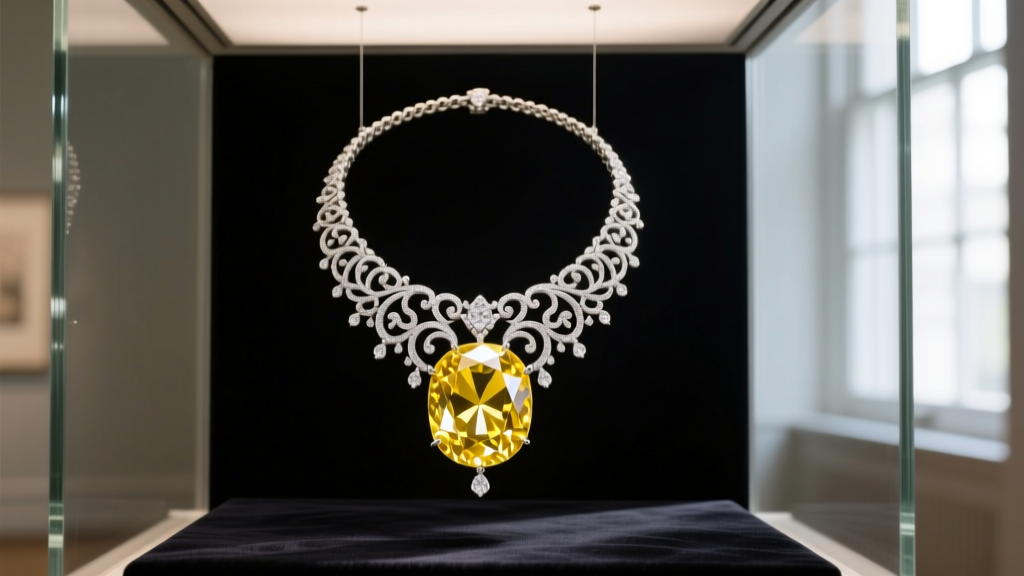
When collectors and gemologists discuss the most expensive necklace in the world, the conversation often turns to the $55 million Mouawad L'Incomparable Diamond Necklace, featuring a staggering 407.48-carat flawless yellow diamond. While you may not have a nine-figure masterpiece resting in your personal vault, the museum-grade conservation techniques required to maintain such ultra-high jewelry represent the gold standard for all fine jewelry care. In 2026, the intersection of advanced metallurgy, gemological science, and archival preservation offers unprecedented ways to protect your investments.
Maintaining high jewelry is not merely about keeping it shiny; it is an exercise in structural engineering, chemical awareness, and environmental control. Below, we decode the exact maintenance protocols used for the world's most valuable necklaces and translate them into actionable routines for your own precious pieces.
The Physics of Prongs and Tension Settings
The structural integrity of any heavy pendant or diamond necklace relies entirely on its prongs. For ultra-high jewelry, 950 Platinum (alloyed with ruthenium or iridium) is the undisputed standard. Unlike 18k white gold, which relies on a brittle rhodium plating that can mask micro-fractures, platinum is ductile. When a platinum prong is struck, it bends and displaces metal rather than cracking or chipping away.
According to the Gemological Institute of America (GIA), prong fatigue is the leading cause of catastrophic gemstone loss in heavy necklaces. White gold prongs, particularly those holding stones over 3 carats, require aggressive re-tipping every 12 to 18 months. Platinum, conversely, can often go 3 to 5 years before requiring professional burnishing.
| Metal Composition | Vickers Hardness (HV) | Prong Wear Profile | Recommended Inspection Interval |
|---|---|---|---|
| 950 Platinum (Ruthenium) | 130 HV | Ductile displacement; rarely snaps | 24 - 36 Months |
| 18k White Gold (Palladium) | 120 HV | Brittle fatigue; prone to micro-cracking | 12 - 18 Months |
| 18k Yellow Gold | 115 HV | Soft wear; prongs flatten over time | 12 Months |
| Grade 5 Titanium | 340 HV | Extreme durability; cannot be easily re-tipped | 5+ Years |
Cleaning Protocols for Type IIa Diamonds and Rare Gems
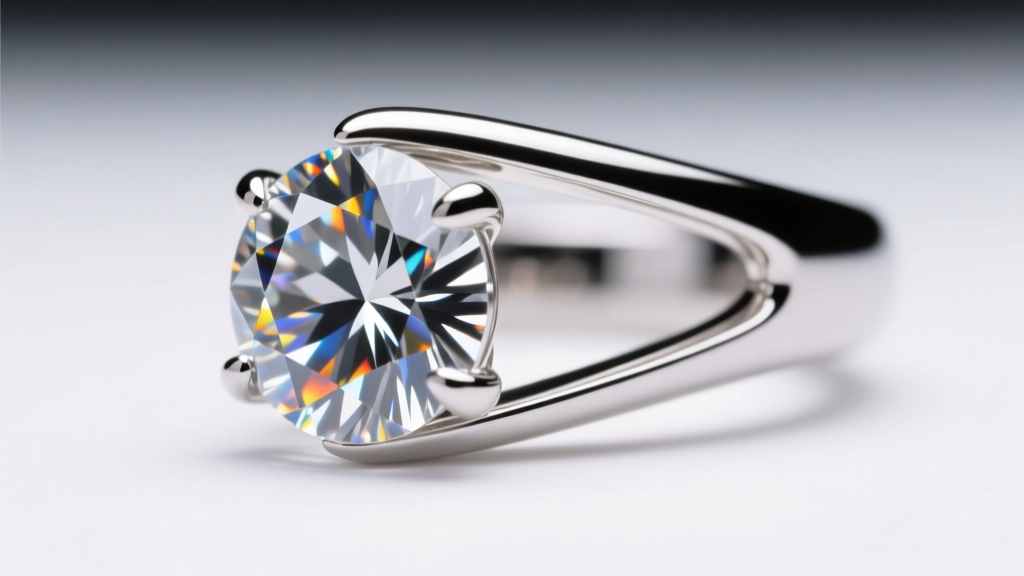
The most expensive necklaces in the world frequently feature Type IIa diamonds—chemically pure stones devoid of nitrogen impurities. While diamonds themselves are resilient, the cleaning protocols used by high-end auction houses like Sotheby's and Christie's strictly forbid commercial ultrasonic cleaners for mixed-gem necklaces.
The Danger of Ultrasonic Cavitation
Ultrasonic cleaners work via cavitation: microscopic bubbles implode against the jewelry, blasting away dirt. While excellent for plain diamond solitaires, this violent process is catastrophic for emeralds, opals, or fracture-filled diamonds. Most commercial emeralds are treated with cedar oil or synthetic resins to mask natural fissures. Ultrasonic cavitation will strip this oil out in minutes, leaving the stone looking heavily included and cloudy.
The Museum-Grade Cleaning Solution
Instead of harsh ammoniated commercial dips, conservators use a specific chemical approach:
- The Solvent: Distilled water only. Tap water contains dissolved calcium and magnesium, which leave microscopic mineral spots that dull a diamond's light return.
- The Surfactant: A drop of museum-grade non-ionic surfactant (such as Triton X-100 or a gentle, additive-free castile soap). Non-ionic surfactants lift sebum and skin oils without reacting chemically with porous gemstones or oxidizing silver alloys.
- The Agitation: A ultra-soft, 100% untreated goat-hair brush or a specialized microfiber swab to gently dislodge debris from the pavilion (the underside of the stone), where light-blocking oils accumulate.
'Never use a toothbrush on high jewelry. The nylon bristles, even when labeled 'soft', contain microscopic abrasive silica that can scratch high-polish 18k gold settings and dull the girdle of a precision-cut diamond over time.'
— Master Jeweler & Archival Conservator
Environmental Degradation and Archival Storage
When a piece like the L'Incomparable is not on a global exhibition tour, it is not simply tossed into a velvet box. High jewelry is highly susceptible to environmental degradation, specifically sulfur-induced tarnishing of secondary alloys and humidity-induced warping of organic components like natural pearls or untreated coral.
The Library of Congress Preservation Directorate outlines strict guidelines for storing mixed-media artifacts, which apply perfectly to fine jewelry vaults in 2026.
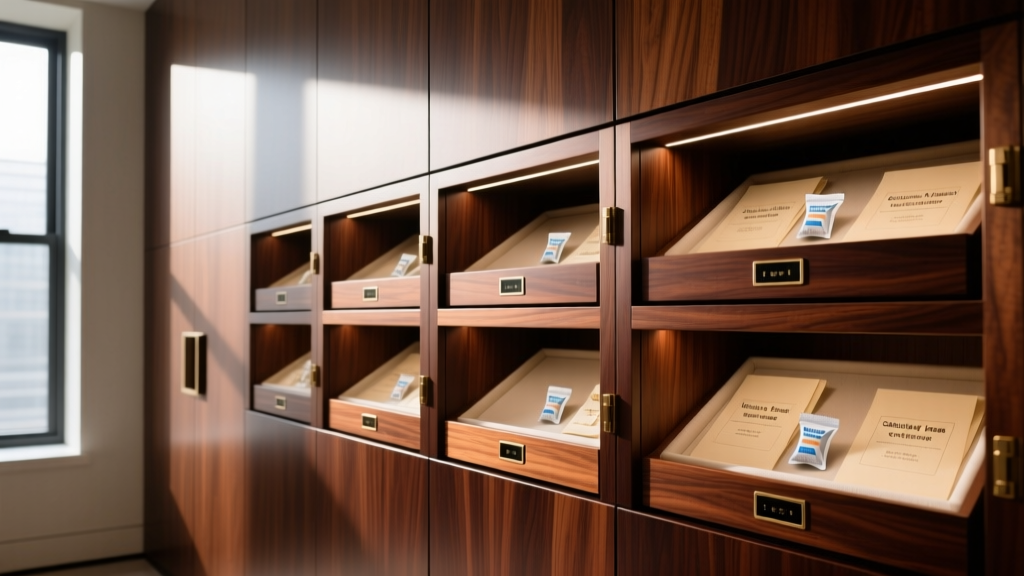
Building a Microclimate for Your Necklace
To replicate museum-grade storage at home, you must control three variables:
- Sulfur Elimination: Standard cardboard boxes and cheap velvet linings emit sulfur gases as they degrade, which rapidly tarnishes sterling silver and the copper alloys inside rose gold. Store necklaces in sealed polyethylene bags with American Gem Society approved anti-tarnish strips.
- Humidity Control: Maintain a relative humidity (RH) of 45-55%. Below 40%, organic gems like pearls can craze and crack. Above 60%, you risk mold growth on silk threading or leather cord elements.
- Suspension vs. Laying Flat: Heavy diamond necklaces should be laid perfectly flat in a padded, contoured tray. Hanging a 50-carat diamond necklace on a standard jewelry stand places continuous, asymmetric gravitational stress on the delicate linking jump rings, eventually causing them to ovalize and snap.
The Hidden Maintenance: Security and Appraisals
Care for the most expensive necklace in the world extends far beyond physical cleaning; it encompasses rigorous security maintenance. In 2026, high jewelry insurance policies require more than a static paper appraisal. They demand active, verifiable maintenance of the piece's identity.
Laser Inscriptions and RFID Tracking
Most high-value diamonds feature a microscopic laser inscription on the girdle, matching their GIA or AGS grading report. Over time, skin oils, lotions, and environmental grime can fill the microscopic laser grooves, making the inscription unreadable to standard gemological microscopes. During your annual professional cleaning, request that the jeweler specifically clean the girdle with high-pressure steam to ensure the inscription remains legible for insurance verification.
Furthermore, many ultra-high-net-worth collectors now embed passive RFID (Radio Frequency Identification) microchips into the custom clasps of their most valuable necklaces. These chips do not require batteries and can be scanned to instantly pull up the piece's provenance, metallurgical breakdown, and current replacement value. Ensuring these clasps are not exposed to extreme magnetic fields or harsh chemical dips is a vital part of modern jewelry maintenance.
Final Thoughts on High Jewelry Stewardship
Owning fine jewelry is an act of stewardship. Whether you are safeguarding a family heirloom, a modern bespoke creation, or a piece that rivals the most expensive necklace in the world, the principles remain identical. Respect the metallurgy of your settings, understand the chemical sensitivities of your gemstones, and invest in archival-grade storage. By adopting these museum-level protocols, you ensure that your jewelry will not only survive but retain its structural brilliance and financial value for generations to come.


