Heart With a Key Necklace Buying Guide: Metals & Sizing
Discover what to look for in a heart with a key necklace. Our buying guide covers metal grades, functional locks, chain pairings, and pricing.

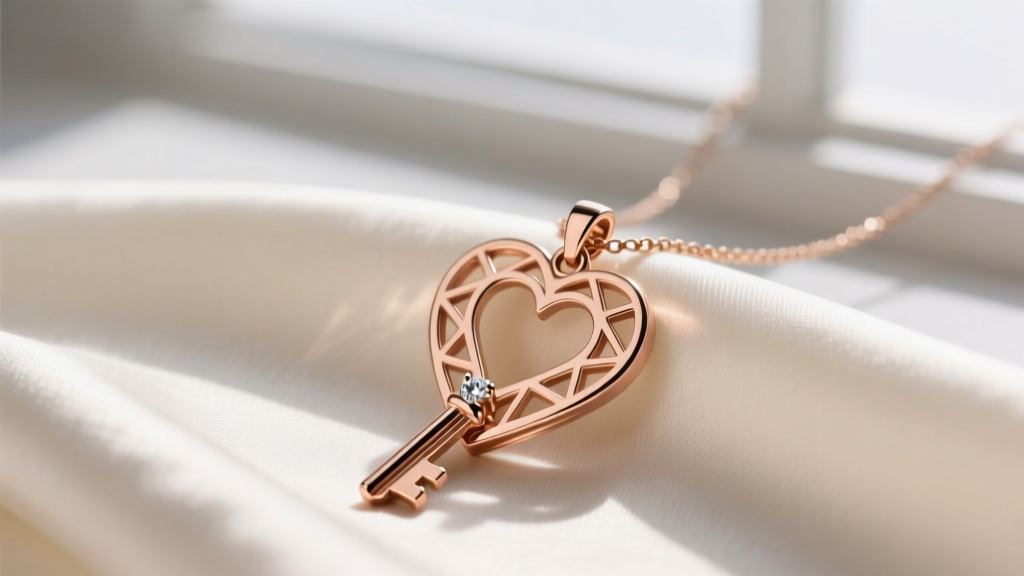
The heart with a key necklace is a timeless motif that symbolizes trust, intimacy, and unlocking new chapters. However, the market is flooded with everything from fragile fast-fashion alloys to heirloom-quality fine jewelry. As we navigate the 2026 jewelry landscape, buyers are increasingly prioritizing durability, ethical sourcing, and mechanical functionality over mere aesthetics. Whether you are seeking a functional locket that actually opens or a sleek, modern decorative pendant, understanding the structural nuances of this specific design is crucial. This comprehensive buying guide breaks down the exact material grades, chain mechanics, and sizing proportions you need to evaluate before making a purchase.
The Anatomy of a Heart With a Key Necklace
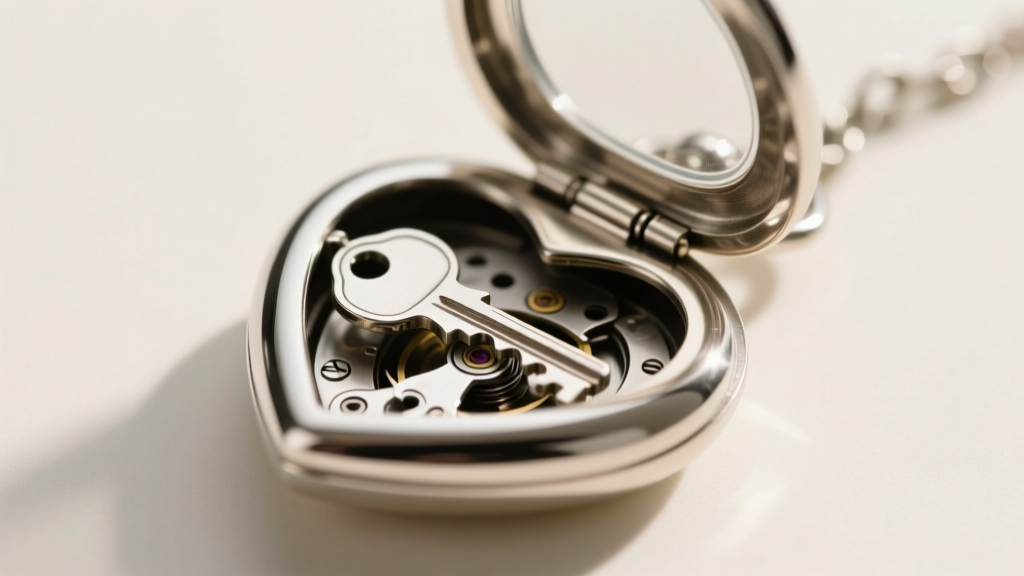
Not all heart and key pendants are constructed equally. The fundamental divide in this category is between decorative and functional designs. Decorative pendants feature a solid cast heart with a keyhole motif either engraved into the surface or soldered on as a separate overlay. The accompanying key is typically fixed to the chain or hangs as a secondary, immobile charm. Functional designs, on the other hand, operate as miniature lockets or mechanical locks. The heart features a working hinge, a concealed latch, and a key with a precisely milled bit that engages the locking pin. When evaluating a functional piece, inspect the keyhole insert. High-quality pieces use a hardened steel or brass insert within a gold or silver body to prevent the soft precious metal from stripping after repeated use.
Material Grades and Pricing Tiers
The longevity of your necklace depends entirely on its metallurgical composition. According to the Gemological Institute of America (GIA), understanding karat purity is essential for balancing color, durability, and price. Below is a breakdown of what to expect across different market tiers.
| Tier | Material Composition | Expected Price Range | Durability & Lifespan |
|---|---|---|---|
| Fashion | Brass or zinc alloy with flash plating (under 0.5 microns) | $20 - $60 | 6-12 months; prone to tarnishing and skin irritation |
| Demi-Fine | 925 Sterling Silver base with heavy Gold Vermeil (2.5+ microns) | $85 - $250 | 2-5 years; requires careful maintenance to preserve plating |
| Fine Jewelry | Solid 14k or 18k Gold (Yellow, White, or Rose) | $450 - $1,500+ | Lifetime; can be polished, repaired, and worn daily |
When shopping for vermeil, the Federal Trade Commission mandates a minimum thickness of 2.5 microns of gold over a sterling silver base. Many brands market "gold-plated" jewelry as vermeil, but standard plating is often less than 0.5 microns and will wear through to the base metal within months of daily friction.
Chain Selection and Clasp Mechanics
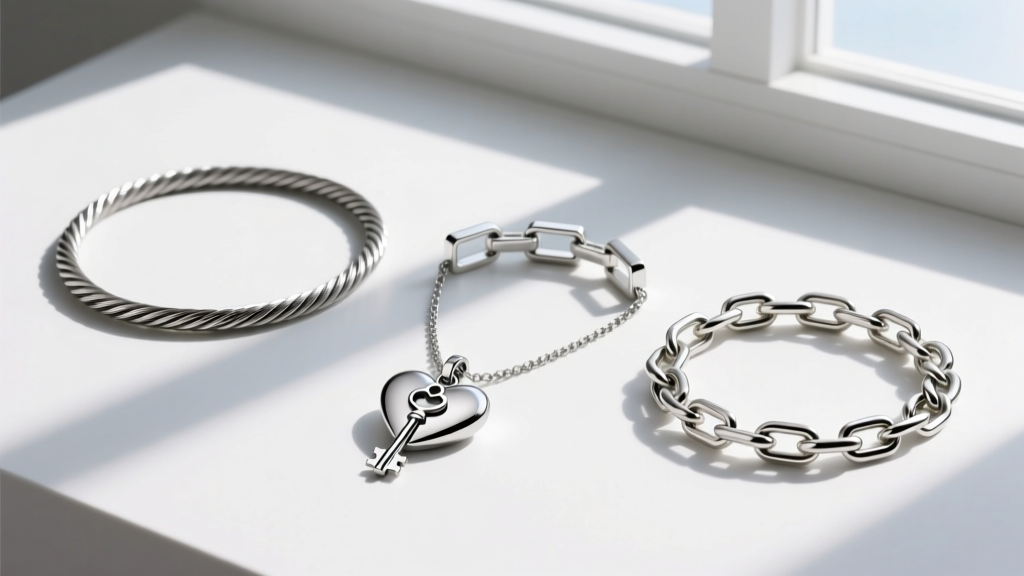
The chain is the structural backbone of any pendant necklace. For a heart with a key necklace, the chain must smoothly pass through the pendant's bail (the loop at the top) without catching. Box chains and rolo chains are the superior choices for this specific pendant style. Box chains feature square, interlocking links that lay flat and resist kinking, making them ideal for heavier solid gold pendants. Rolo chains offer a classic, robust profile that easily accommodates the thicker bails often found on functional lockets.
Conversely, avoid snake chains for pendants with moving parts or intricate keyholes. Snake chains are notoriously prone to kinking, and once the structural integrity of the chain is compromised, it cannot be repaired. Furthermore, the tight mesh of a snake chain traps skin oils and lotions, which can transfer to the pendant's keyhole mechanism and cause it to seize over time.
For the clasp, insist on a lobster clasp rather than a spring-ring. Spring-rings are difficult to operate with one hand and frequently fail due to weak internal tension springs. A well-crafted lobster clasp, ideally with a stamped hallmark on the back, ensures the necklace remains secure.
Functional vs. Decorative Locks: What to Verify
If you are specifically seeking a functional heart locket that locks and unlocks, mechanical precision is paramount. The Jewelers of America notes that miniature mechanical jewelry requires exacting tolerances. Here is a checklist for evaluating functional locks:
- Pin Thickness: The internal locking pin must be at least 1.2mm thick. Anything thinner will bend if the key is turned with too much force.
- Hinge Construction: Look for a multi-barrel hinge (at least three interlocking knuckles) secured with a flush-set steel pin. Single-knuckle hinges will warp and cause the locket halves to misalign.
- Key Bit Precision: The teeth of the key should have sharp, defined edges. Cast keys with rounded, soft edges will eventually strip the internal tumblers.
- Tension Test: When the key is inserted and turned, there should be a distinct, smooth resistance. A gritty or loose feeling indicates poor manufacturing tolerances.
Sizing and Proportion Guidelines
Proportion dictates whether your necklace looks like an elegant everyday piece or an overwhelming costume accessory. For a standard adult neckline, the ideal pendant width for a heart with a key design falls between 15mm and 22mm. This size is large enough to showcase the intricate keyhole details but small enough to sit flush against the sternum without flipping over.
Chain length is equally critical. A 16-inch chain positions the pendant at the collarbone, creating a modern, choker-adjacent look that pairs well with V-neck and scoop-neck tops. An 18-inch chain (the industry standard "princess" length) allows the heart to rest just below the clavicle, making it the most versatile option for layering with other delicate chains or wearing over high-neck blouses. If the pendant exceeds 25mm in width, opt for a slightly longer 20-inch chain to prevent the piece from looking top-heavy.
Care and Maintenance for Intricate Pendants
Maintaining a heart with a key necklace requires specific care, especially if the piece features gemstone accents or mechanical hinges. Never use ultrasonic cleaners on functional lockets. The high-frequency vibrations can loosen the microscopic tension pins holding the hinge together and shatter any pave diamonds or gemstones set around the keyhole.
Instead, clean the piece using a soft-bristled baby toothbrush and a mild solution of warm water and phosphate-free dish soap. Gently brush the crevices of the keyhole and the chain links. For functional locks, apply a microscopic drop of synthetic watch oil to the hinge pin once a year to maintain smooth operation. Store the necklace flat in an anti-tarnish cloth pouch to prevent the chain from tangling with the key, which can cause micro-scratches on the polished surfaces.


