The Heavy Rosary Necklace Silksong Trend: 2026 Gothic Guide
Explore the 2026 heavy rosary necklace Silksong trend. Learn about gauge sizes, silk cord weaving, and styling dark fantasy gothic jewelry.

The Rise of the Dark Fantasy Aesthetic
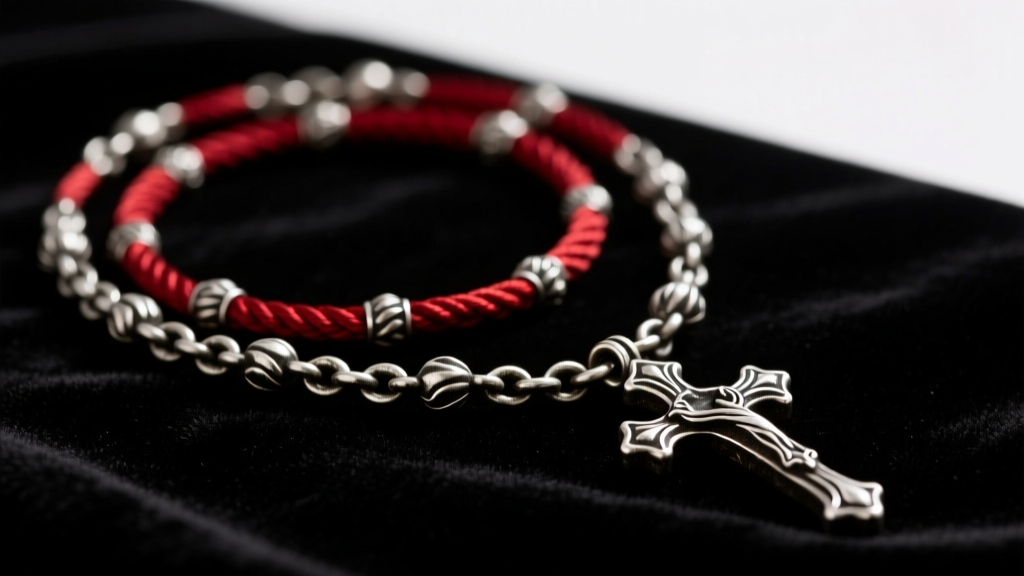
The intersection of dark fantasy gaming and alternative jewelry has birthed one of 2026's most fascinating micro-trends. As the cultural footprint of highly anticipated indie titles expands, the heavy rosary necklace silksong aesthetic has emerged as a staple in gothic and avant-garde fashion circles. This trend moves far beyond standard costume jewelry, demanding high-tensile metals, intricate silk-weaving techniques, and a distinct, moody silhouette inspired by the shadowy, arachnid-infused realms of dark fantasy lore.
Unlike the delicate, mass-produced rosary chains of the early 2010s, the 2026 iteration is defined by its weight, structural complexity, and the integration of organic silk cords. According to fashion analysts at Hypebeast, the crossover between gaming aesthetics and luxury streetwear has pushed jewelry designers to experiment with hybrid materials, blending industrial metalwork with traditional textile crafts. This guide breaks down the exact specifications, styling frameworks, and material grades you need to know to master this trend.
Material Breakdown: Heavy Gauge Metals vs. Silk Accents
To achieve the authentic drape and durability required for this style, jewelers are abandoning cheap zinc alloys in favor of robust, hypoallergenic metals and high-grade organic fibers. The contrast between cold, oxidized metal and soft, luminous silk is the core visual tension of the piece.
The Metal Framework
The backbone of any heavy rosary chain is the link and bead structure. For premium pieces, .925 sterling silver is the standard, but it must be treated. Designers use Rio Grande liver of sulfur solutions to force an oxidized, blackened patina into the crevices of the metal, highlighting the intricate link work while giving it an ancient, excavated appearance. For more accessible, everyday wear, 316L surgical stainless steel is utilized. While it cannot be oxidized with sulfur, it offers superior tensile strength and resists tarnishing from skin acids.
The Silk Integration
The 'silksong' element refers to the structural weaving of silk cord through the chain's jump rings and beads. This is not standard sewing thread. Artisans use Grade 6A mulberry silk cord, typically measuring between 1.5mm and 2.0mm in diameter. Before weaving, the silk is heavily treated with micro-crystalline beeswax. This waxing process serves two critical functions: it prevents the silk from fraying against the sharp inner edges of the metal jump rings, and it adds a subtle, leathery sheen that complements the matte, oxidized metal.

Sizing, Weight, and Drape Specifications
Understanding the physical specifications is crucial when sourcing or commissioning a piece. A true 'heavy' rosary must possess enough mass to drape heavily against the collarbone without flipping or tangling. Below is a technical comparison between standard gothic rosaries and the 2026 heavy variant.
| Specification | Standard Gothic Rosary | Heavy Silksong Variant (2026) |
|---|---|---|
| Chain Link Gauge | 18 to 20 gauge | 14 to 16 gauge |
| Bead Diameter | 4mm to 5mm | 6mm to 8mm (often faceted onyx or oxidized silver) |
| Silk Cord Thickness | N/A or thin decorative wrap | 1.5mm to 2.0mm waxed mulberry silk |
| Jump Ring Closure | Standard split rings | Soldered or heavy-duty twisted wire rings |
| Average Weight | 15 to 25 grams | 65 to 110 grams |
The increased weight (often exceeding 80 grams for a standard 24-inch loop) ensures the necklace sits flat against the sternum, providing a luxurious, grounding feel that cheaper alternatives completely fail to replicate.
Styling the Dark Fantasy Rosary: Necklines and Layering
Styling a piece with this much visual weight and textural complexity requires a deliberate approach to necklines and layering. The goal is to frame the necklace without letting it compete with overly busy garment patterns.
The High-Collar Silhouette
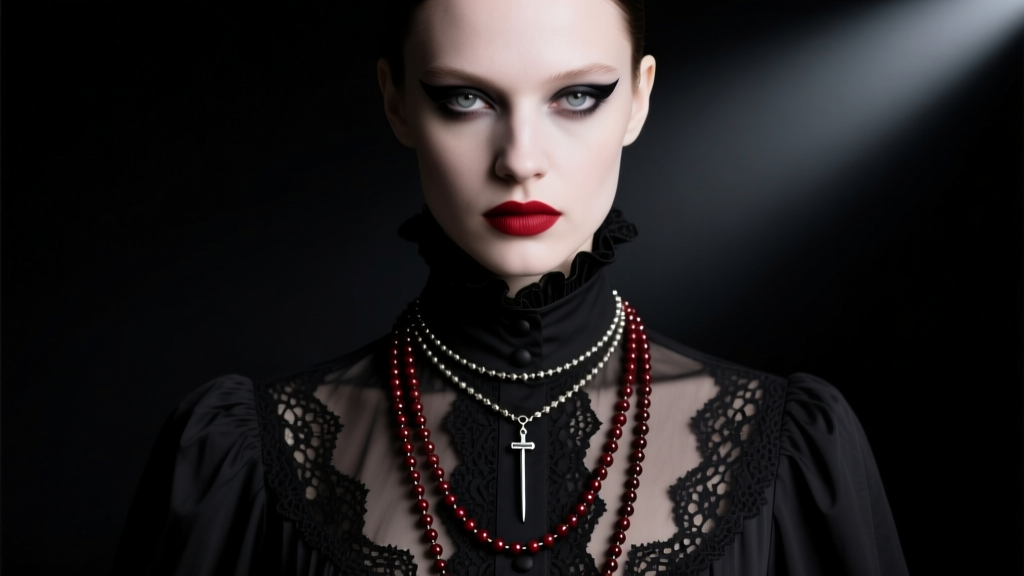
The most effective way to showcase a heavy rosary necklace is against a high, structured collar. Think Victorian-inspired blouses with dark, muted tones—charcoal, deep plum, or midnight blue. The high collar forces the rosary beads to sit prominently on the upper chest, while the silk-woven chain disappears elegantly behind the neck. Avoid wide V-necks, which can cause the heavy pendant or central crucifix motif to swing awkwardly and lose its structural alignment.
Asymmetrical Layering
For a more avant-garde look, layer the heavy rosary with a thinner, 14-inch oxidized steel choker. The choker anchors the visual weight high on the neck, allowing the 28-inch or 32-inch rosary to cascade down the torso. When layering, ensure the secondary chains are strictly metal; introducing multiple silk elements will muddy the aesthetic and make the outfit look cluttered rather than curated.
Authenticating and Sourcing Quality Pieces
Because this trend bridges niche gaming fandom and high-end alternative fashion, the market is currently flooded with cheap, mass-produced knockoffs. To ensure you are investing in a genuine piece of jewelry rather than a fragile costume prop, evaluate the following sourcing tiers:
- Entry Tier ($35 - $60): Typically features 316L stainless steel with standard, unwaxed polyester cord masquerading as silk. The links will be 18-gauge. Acceptable for occasional cosplay, but will degrade quickly with daily wear.
- Mid Tier ($85 - $150): The sweet spot for most buyers. Features 16-gauge steel or lightly oxidized silver with genuine waxed silk. Jump rings are securely closed, and the beads are natural stone (like matte onyx) rather than painted glass.
- Artisan Tier ($200 - $450+): Hand-forged .925 sterling silver with deep liver-of-sulfur oxidation. The silk is hand-woven through custom-cast links, often featuring bespoke pendants inspired by dark fantasy motifs (such as needle-shaped clasps or arachnid-silk patterns). Sourced primarily from specialized independent jewelers on platforms like Etsy or dedicated gothic boutique brands.
Care and Maintenance for Silk and Oxidized Metals
The hybrid nature of this jewelry introduces unique failure modes that require specific maintenance protocols. The primary enemy of the silk cord is moisture and UV degradation, while the enemy of oxidized silver is friction and chlorine.
Preventing Silk Fraying: Even with beeswax treatment, the friction of metal jump rings will eventually wear down the silk fibers. Inspect the weave monthly. If you notice micro-fraying near the clasp or pendant loop, apply a tiny drop of flexible jewelry glue (such as E6000) to the frayed edges and let it cure for 24 hours. Never wear your silk-integrated rosary in the shower or rain; water will strip the protective wax and cause the silk to rot from the inside out.
Preserving the Patina: The blackened oxidation on sterling silver is a surface treatment, not a permanent plating. To protect it, avoid polishing the chain with standard silver cloths, which will strip the dark patina and return the metal to a bright, shiny finish—ruining the gothic aesthetic. Instead, use a soft, dry microfiber cloth to remove skin oils. Once a year, apply a thin coat of Renaissance Wax to the metal links to seal the oxidation and protect the adjacent silk from transferring any metallic residue.
The heavy rosary necklace silksong trend is a masterclass in material contrast. By respecting the structural limits of both oxidized metals and organic silk, you can wear a piece of dark fantasy that feels as substantial and enduring as the lore that inspired it.


