Styling a Heidi Daus Necklace From Around 2009 From HSN in 2026
Discover how to style, authenticate, and value a vintage Heidi Daus necklace from around 2009 from HSN. Expert tips on 2026 trends and enamel care.

The Archival Allure of Late-2000s Statement Jewelry
In the fast-paced cycle of fashion, specific eras eventually loop back into the cultural zeitgeist. As we navigate the style landscape of 2026, the maximalist, unapologetically bold aesthetic of the late 2000s has experienced a massive resurgence among archival collectors. For vintage enthusiasts and jewelry historians, tracking down a specific heidi daus necklace from around 2009 from hsn has become a thrilling pursuit. These pieces represent a unique intersection of accessible luxury, wearable art, and the golden era of televised home shopping.
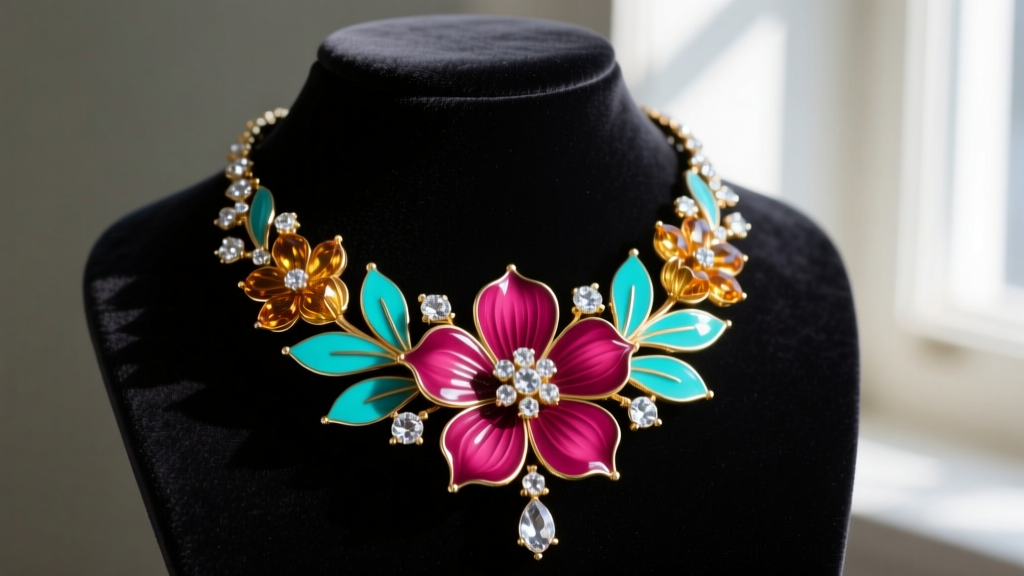
During the 2008–2009 economic climate, fashion consumers sought escapist, high-impact accessories that could transform a basic wardrobe. Heidi Daus, often dubbed the "Queen of Wearable Art," delivered exactly that through her exclusive broadcasts on the Home Shopping Network (HSN). Her 2009 collections—featuring motifs like "Petal to the Metal," "Garden of Eden," and various Art Deco revivals—were characterized by heavy, intricate bib necklaces that defied the minimalist trends of the preceding decade. Today, these archival pieces are highly sought after, not just as nostalgia, but as legitimate statement pieces that anchor modern 2026 styling frameworks.
Anatomy of a 2009 Heidi Daus HSN Masterpiece
To truly appreciate and authenticate these pieces, one must understand the specific manufacturing techniques and materials utilized by the Daus studio during this peak HSN era. Unlike fine jewelry that relies on kiln-fired vitreous enamel and precious metals, Heidi Daus pieces are masterclasses in high-end fashion jewelry engineering.
Base Metals and Cold Enamel Techniques
The foundation of a 2009 Daus necklace is typically a cast white metal or oxidized brass alloy, chosen for its ability to hold intricate, three-dimensional molds. The vibrant colors are achieved through "cold enamel"—a pigmented, hard-curing epoxy resin. According to conservation insights from the GIA Gems & Gemology archives, cold enamel allows for a broader, more opaque color palette and sharper dimensional layering than traditional glass enamel, but it requires vastly different care protocols. The resin is hand-painted and cured, giving each piece a slightly unique, artisanal depth that mass-produced stamped jewelry lacks.
Crystal Elements and Hardware
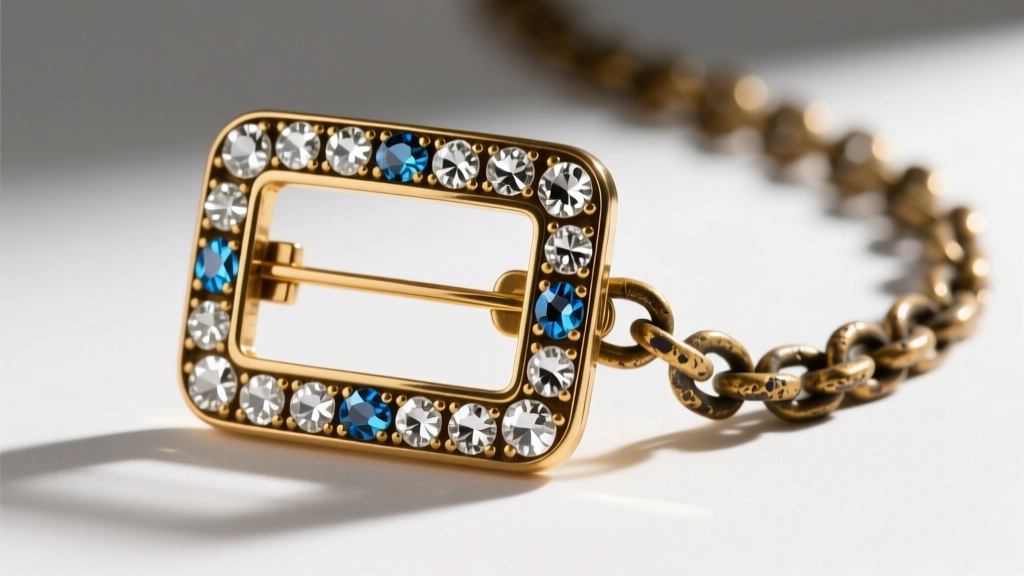
Daus heavily utilized precision-cut crystal glass (often Norton or Swarovski elements) featuring foiled backs to maximize light refraction. The pavé work on 2009 pieces is remarkably dense, utilizing marquise, navette, and chaton cuts to create a "feathered" or "petal-like" texture. Furthermore, 2009 marked a transitional period for HSN accessibility hardware. Many statement pieces from this year feature heavy-duty magnetic clasps backed by figure-8 safety catches, a deliberate design choice to accommodate viewers with dexterity concerns without sacrificing the structural integrity required to hold a 90-gram bib necklace.
Authentication and Secondary Market Valuation
The secondary market for late-2000s televised jewelry has matured significantly. Platforms like Ruby Lane, Poshmark, and specialized Facebook collector groups have established clear pricing tiers based on motif rarity, condition, and the presence of original HSN provenance tags. The "Archival Fashion" trend on TikTok has pushed mint-condition pieces up by 20-30% over the last eighteen months.
| Condition Grade | Defining Characteristics | 2026 Resale Value Range | Collector Demand |
|---|---|---|---|
| Mint / Archival | Original HSN tags, no enamel yellowing, pristine foiled crystal backs, tight safety catches. | $120 – $185 | Extremely High |
| Excellent | No tags, minor wear to metal plating on clasp, all crystals present, vibrant enamel. | $75 – $115 | High |
| Good / Wearable | Missing 1-2 small pavé crystals, slight resin dulling, clasp mechanism requires adjustment. | $40 – $70 | Moderate |
| Project / Parts | Cracked cold enamel, missing center stones, broken figure-8 safety catch. | $15 – $30 | Low (Harvest for parts) |
When authenticating, always check the back of the pendant drop. Genuine 2009 pieces feature a deeply recessed, hand-signed copyright stamp (© Heidi Daus) rather than a superficial laser engraving. The weight is also a dead giveaway; authentic Daus bib necklaces from this era possess a substantial, luxurious heft, typically weighing between 85 and 130 grams.
2026 Styling Framework: Modernizing the Maximalist
Wearing a heavy, crystal-encrusted 2009 statement necklace in 2026 requires a strategic approach to proportion. The goal is to let the archival piece serve as the undisputed focal point, avoiding the "costume clutter" trap that plagued late-2000s styling. The official Heidi Daus design archives emphasize that these pieces were designed to be wearable art, demanding negative space to truly shine.
Neckline Pairings and Fabric Contrast
- The Structured Blazer Contrast: Pair a floral or Art Deco Daus bib necklace with a sharply tailored, menswear-inspired blazer featuring a deep V-neck. The rigid, matte wool of the blazer provides a stark, modern contrast to the organic curves and high-shine crystals of the necklace.
- The Silk Slip Dress Anchor: For evening wear, drape a 2009 "Garden of Eden" motif over a minimalist, bias-cut silk slip dress in a muted jewel tone (like deep plum or emerald). The fluidity of the silk balances the rigid, 90-gram weight of the metal alloy base.
- The Sheer Organza Illusion: A major 2026 runway trend involves sheer, high-neck organza blouses. Layering an opaque, heavily enameled Daus piece over sheer fabric creates a striking visual tension, blending romantic modesty with aggressive maximalism.
The Rule of Proportion
When wearing a 2009 HSN statement piece, eliminate all other neckwear. Choker layering, which was popular when these pieces originally aired, is highly discouraged in 2026. Instead, balance the heavy neckline with architectural ear cuffs or simple, heavy-gauge metal hoop earrings. Keep bracelets minimal to allow the wrist to remain bare, ensuring the eye is continuously drawn back to the intricate enamel work at the décolletage.

Maintenance: Preserving Cold Enamel and Foiled Crystals
The most common failure mode for vintage 2009 Daus necklaces is improper cleaning. Because these pieces utilize cold enamel (epoxy resin) and foiled-back crystals, traditional jewelry cleaning methods will destroy them.
Expert Warning: Never place a Heidi Daus cold enamel piece in an ultrasonic cleaner. The high-frequency vibrations will shatter the epoxy resin bond, causing the enamel to flake off the metal base, and the heat will melt the delicate foil backing on the crystals, turning them permanently cloudy.
To safely maintain your archival piece, use a dry, ultra-soft microfiber cloth to gently buff the crystals. If the metal requires cleaning, use a slightly damp cotton swab with distilled water to carefully trace the metal bezels, avoiding the enamel entirely. Store the necklace flat in a climate-controlled environment; hanging heavy 2009 bib necklaces on standard jewelry hooks will eventually warp the oxidized brass chain links and stress the magnetic clasp soldering over time.
Final Thoughts on Archival Fashion
Securing a Heidi Daus necklace from the 2009 HSN era is more than just a vintage purchase; it is an acquisition of a specific moment in fashion history. These pieces capture the optimism, theatricality, and intricate craftsmanship that defined late-2000s accessible luxury. By understanding the material science of cold enamel, respecting the secondary market valuations, and applying modern 2026 styling frameworks, collectors can ensure these magnificent pieces of wearable art continue to command attention for decades to come.