Daughter Mom Necklaces: Technical Guide to Heirloom Chains & Metals
Explore the metallurgy, chain tensile strength, and laser engraving specs behind fine jewelry daughter mom necklaces built to last generations.

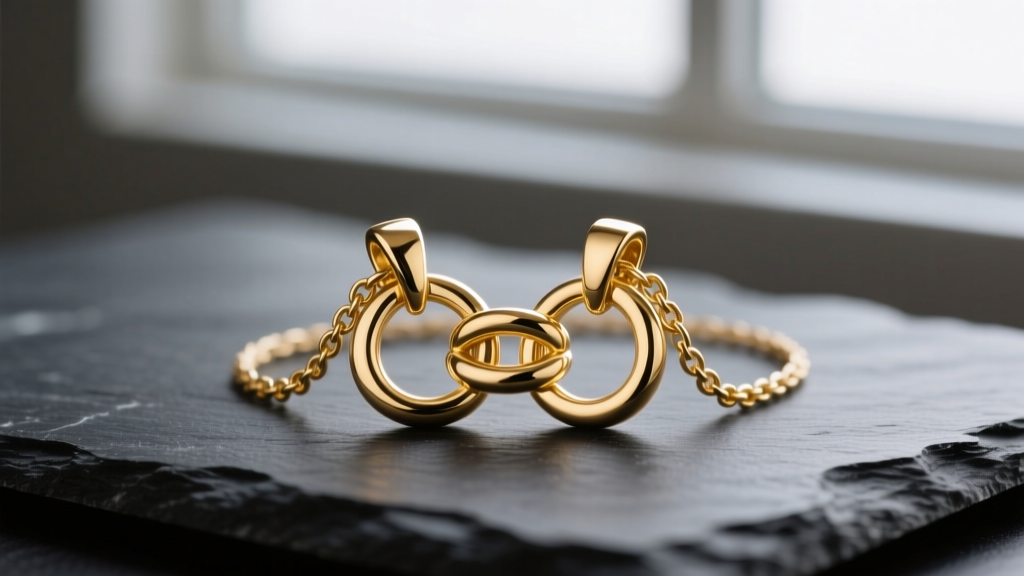
The market for daughter mom necklaces is heavily saturated with mass-produced, base-metal trinkets that tarnish, snap, or lose their engravings within months. However, when approaching this category from a fine jewelry perspective, the goal shifts from temporary sentimentality to creating a multi-generational heirloom. Designing or selecting a mother-daughter necklace that survives decades of daily wear requires a rigorous understanding of metallurgy, chain architecture, and precision engraving techniques. This technical deep dive bypasses the aesthetic fluff to examine the structural engineering required to build interlocking and split-pendant necklaces that endure.
The Metallurgy of Connection: Choosing the Right Alloy
According to the Gemological Institute of America (GIA), the durability of a gold alloy is dictated by its Vickers Hardness (HV) and tensile strength, which are determined by the specific mix of alloying metals like copper, silver, and zinc. For a pendant meant to be worn daily, the metal must resist deformation and abrasive wear.
- 14k Yellow Gold (58.5% Pure Gold): With a Vickers Hardness of approximately 140-160 HV, 14k gold offers the optimal balance of rich color and structural rigidity. It is highly resistant to bending under the weight of a solid cast pendant.
- 18k Yellow Gold (75% Pure Gold): Softer (around 120-130 HV) and more prone to micro-scratching, 18k gold is preferred for its deeper saturation but requires a thicker pendant profile to prevent warping over time.
- 950 Platinum: While platinum has a lower initial HV (around 110 HV), it possesses a unique property called 'work-hardening' and high density. When scratched, platinum displaces rather than losing mass, making it the ultimate metal for interlocking pendants that constantly rub against one another.
The White Gold Rhodium Problem in Interlocking Designs
A critical failure point in many white gold daughter mom necklaces is the rhodium plating. Standard nickel-based white gold is plated with a layer of rhodium typically measuring only 0.75 to 1.0 microns thick. In interlocking pendant designs (such as two hearts or puzzle pieces that link together), the constant metal-on-metal friction will strip this microscopic plating from the contact points within three to six months, revealing the yellowish-grey base alloy beneath. For interlocking styles, expert jewelers recommend either 950 Platinum or a palladium-based white gold alloy, which is naturally white and requires no rhodium plating, ensuring the piece maintains its color indefinitely despite friction.
Chain Architecture: Tensile Strength and Link Soldering
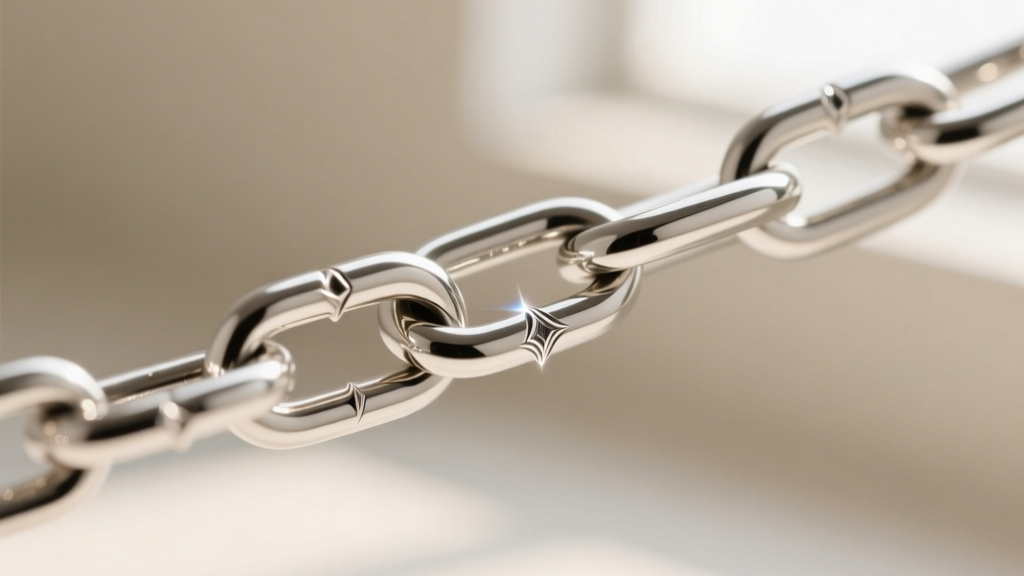
The chain is the structural lifeline of any pendant necklace. The Federal Trade Commission (FTC) Jewelry Guides mandate strict standards for metal stamping, but chain durability relies on manufacturing techniques that are rarely advertised. For mother-daughter pendants, which often carry significant emotional and sometimes literal weight (such as solid gold lockets or birthstone clusters), the chain must possess high tensile strength.
| Chain Style | Minimum Gauge for Pendants | Link Soldering Method | Failure Risk Level |
|---|---|---|---|
| Box Chain | 1.2mm - 1.5mm | Laser Welded | Low |
| Cable Chain | 1.5mm - 1.8mm | Torch Soldered | Medium |
| Wheat Chain | 1.0mm - 1.2mm | Woven / Unsoldered | High (Prone to Kinking) |
| Rope Chain | 1.5mm+ | Laser Welded | Low-Medium |
For heirloom pieces, demand laser-welded links. Traditional torch soldering introduces a brittle heat-affected zone (HAZ) at the joint, which can crystallize and snap under sudden tension. Laser welding uses a highly focused beam to fuse the metal seamlessly without altering the temper of the surrounding wire, increasing the chain's overall tensile strength by up to 30%.
Precision Engraving: Laser vs. Rotary Depth
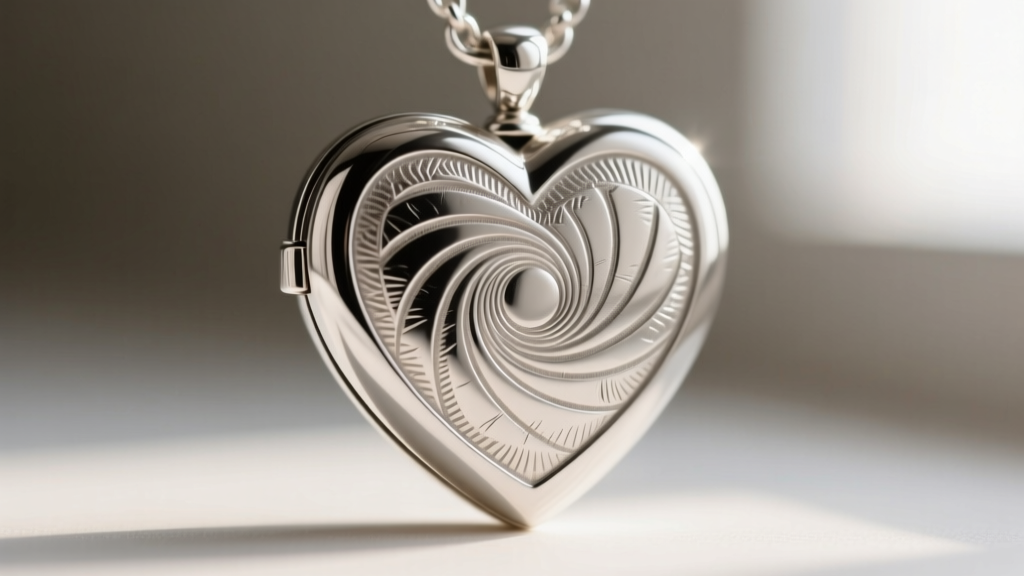
The personalization of a daughter mom necklace—often featuring fingerprints, handwriting, or hidden messages on the pendant's reverse—relies on engraving technology. The depth and method of the cut dictate how long the inscription will survive daily wear and polishing.
Rotary Engraving
Traditional rotary engraving uses a carbide or diamond drag bit to physically carve into the metal. This method achieves a depth of 0.1mm to 0.3mm. While deep and tactile, rotary engraving removes a significant amount of metal, which can weaken very thin pendants (under 1.5mm thick). It is best reserved for heavy sterling silver lockets or thick gold medallions.
Fiber Laser Annealing and Ablation
Modern fiber lasers offer superior precision. For dark, high-contrast markings on gold or platinum, lasers use an 'annealing' process. The laser heats the metal just below its melting point, drawing carbon and oxides to the surface to create a permanent black mark without removing any material (0.00mm depth loss). For physical depth, laser ablation can remove metal in 10-micron increments, allowing for hyper-detailed 3D topographical fingerprint engravings that are impossible with rotary tools.
Bail Mechanics and Clasp Security
The bail—the loop that connects the pendant to the chain—is a frequent point of catastrophic failure. In split-pendant designs where a mother wears one half and a daughter wears the other, the bail must accommodate the specific chain gauge while minimizing friction.
Expert Insight: Avoid 'hidden bails' or pinch bails for heavy interlocking pendants. These rely on tension and friction to grip the chain and often slip or crack under the dynamic movement of daily wear. Always opt for a solid cast, soldered loop bail that is permanently affixed to the pendant's top jump ring.
Clasp Failure Modes
The spring ring clasp, standard on most commercial necklaces, has a notoriously high failure rate. The internal steel spring is susceptible to metal fatigue and corrosion from sweat, eventually failing to retract the catch. For a fine jewelry mother-daughter necklace, upgrade to a solid cast lobster clasp. Lobster clasps distribute tension across a wider surface area and feature a thicker internal spring mechanism. For older mothers or daughters with dexterity issues, a neodymium magnetic clasp with a secondary 14k gold safety chain provides both accessibility and redundant security against loss.
Sizing and Proportions for Multi-Generational Wear
Finally, the physical scale of the pendant must be engineered for the wearer's proportions. A 25mm interlocking heart may look proportional on a mother in her 50s but overwhelming on a 10-year-old daughter. Expert custom jewelers utilize 3D CAD modeling to scale the exact same design geometry into two distinct sizes—for example, a 22mm pendant for the mother and a 14mm pendant for the daughter—while maintaining identical chain bail diameters and consistent metal thickness (typically 1.8mm to 2.2mm) to ensure both pieces feel equally substantial and wear at the same rate over the decades.


