2026 Heishi Bead Necklace Pricing: Value & Quality Guide
Discover the true value of a heishi bead necklace in 2026. We break down pricing tiers, material grades, and stringing quality to guide your budget.

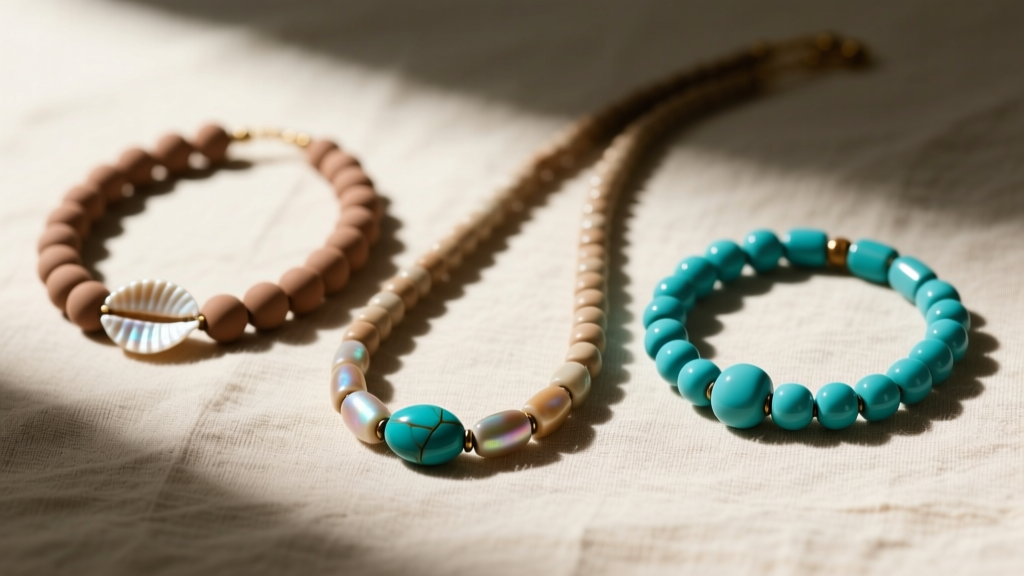
The True Cost of a Heishi Bead Necklace: Decoding the Market
The term 'heishi' (pronounced hee-shee) originates from the Santo Domingo Pueblo, where it historically translated to 'shell bead.' Today, the jewelry market has expanded the definition to encompass any flat, disc-shaped bead, regardless of material. As we navigate the 2026 jewelry landscape, the heishi bead necklace remains a staple of bohemian, coastal, and minimalist wardrobes. However, this surge in popularity has created a wildly fragmented market. You can find a heishi bead necklace for $12 on a fast-fashion app, or you can invest $850 in a master-crafted, hand-rolled turquoise strand. How do you assess the true value? This guide strips away the marketing fluff to provide a rigorous budget and value assessment, focusing on material integrity, manufacturing labor, and structural longevity.
Material Breakdown: What Are You Actually Paying For?
The price of a heishi bead necklace is inextricably linked to its raw materials and the labor required to shape them. Understanding these tiers is the first step in making an informed purchase.
1. Polymer Clay and Mass-Market Glass
The market is currently saturated with polymer clay heishi beads, primarily mass-produced overseas. These beads are extruded, sliced, and baked in massive batches. While they offer vibrant, colorfast options (like neon pinks and deep indigos) and are incredibly lightweight, they possess virtually no resale value. High-end artisan polymer clay, such as caning techniques that mimic millefiori, commands a slight premium but remains a fashion accessory rather than an investment.
2. Natural Shell and Bone
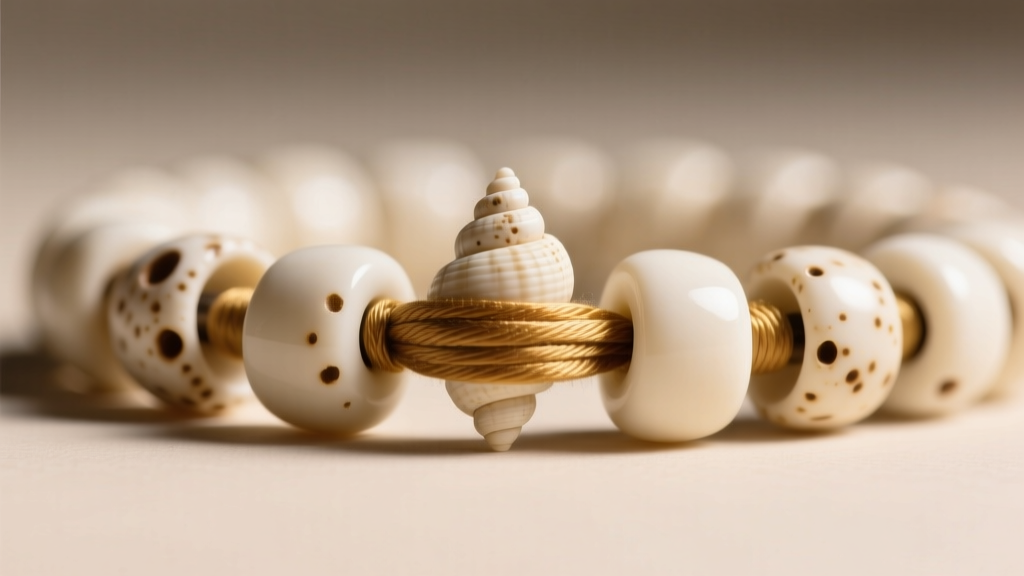
Authentic shell heishi—crafted from spiny oyster, mother-of-pearl, pen shell, and olive shell—represents the historical root of the style. The value here is dictated by the rarity of the shell and the thickness of the cut. A 2mm thick spiny oyster disc requires significantly more raw material and careful grinding than a paper-thin 0.5mm disc, directly impacting the price. Bone heishi, often dyed or bleached, sits at the lower end of the natural material spectrum and is frequently used as a budget-friendly spacer.
3. Gemstone and Semi-Precious Stone
This is where the budget assessment becomes critical. Gemstone heishi (turquoise, lapis lazuli, malachite, sugilite) is priced by the carat and the waste factor. Cutting a rough stone into uniform, flat discs results in up to 60% material waste. Consequently, a genuine, untreated Sleeping Beauty turquoise heishi necklace will command premium pricing. Conversely, dyed howlite or magnesite is frequently passed off as turquoise in the $30–$60 range, representing a severe loss of value for the buyer.
2026 Pricing Matrix: Budget vs. Investment Tiers
To help you benchmark your next purchase, we have categorized the current market rates for standard 16-inch to 18-inch heishi necklaces based on material and craftsmanship.
| Material Tier | Typical Price Range | Standard Stringing | Value Assessment & Longevity |
|---|---|---|---|
| Mass-Market Polymer/Glass | $12 - $35 | Elastic or basic cotton | Low. High risk of elastic snapping; purely trend-driven with zero heirloom value. |
| Dyed Stone / Bone | $35 - $75 | 7-strand wire or nylon | Poor. Dye will bleed onto skin/clothing over time. Deceptive pricing if sold as 'natural'. |
| Authentic Natural Shell | $80 - $250 | 19-strand wire or silk | Good. Excellent durability. Value holds well if sourced from verified indigenous artisans. |
| Genuine Gemstone (Artisan) | $300 - $900+ | 49-strand wire w/ French tips | Excellent. High material cost. Retains intrinsic value; qualifies as a wearable investment. |
Red Flags: Spotting Overpriced Fakes and Dye-Jobs
When evaluating a heishi bead necklace in the mid-tier budget range ($50–$150), buyers must be vigilant against deceptive practices. The most common trap is dyed howlite masquerading as turquoise, or dyed quartz sold as lapis lazuli.
The Acetone Test: If you are purchasing a gemstone heishi necklace in person, carry a cotton swab and a small bottle of pure acetone (nail polish remover). Rub the swab vigorously on an inconspicuous bead. If the swab turns blue or green, you are looking at surface dye, not genuine turquoise. A legitimate seller of natural stones will not object to this non-destructive test.
Another critical value indicator is bead uniformity. According to the Indian Arts and Crafts Board, authentic, traditionally hand-rolled heishi beads are strung on a wire and ground against sandstone or sandpaper. This process results in micro-variations in diameter and edge smoothness. If a 'Native American' shell or stone heishi necklace features laser-perfect, mathematically identical discs, it has been machine-cut in a factory. While machine-cut beads are more uniform, they lack the cultural authenticity and labor-intensive value that justifies a premium price tag. Always verify the artisan's credentials under the Indian Arts and Crafts Act of 1990 before paying investment-tier prices.
The Stringing Factor: Where Cheap Necklaces Fail
A $400 turquoise heishi bead necklace is entirely worthless if it snaps and scatters across a concrete floor. The stringing material is the hidden determinant of a necklace's true value and lifespan. Budget manufacturers use cheap elastic cord or 7-strand beading wire, which suffers from metal fatigue and kinking. The sharp edges of stone and shell heishi beads act like tiny saws, slowly cutting through weak threads.
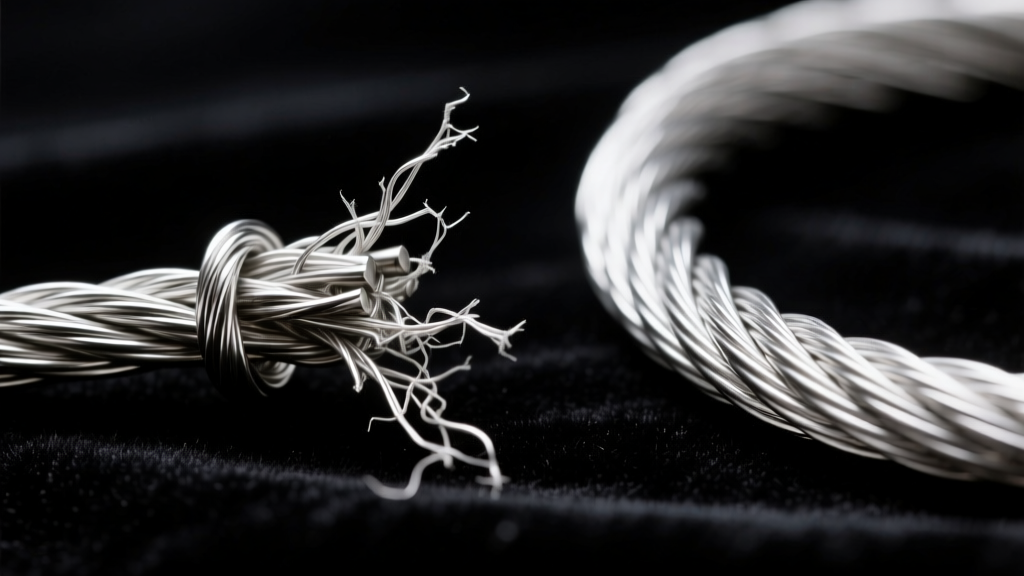
When assessing value, inspect the clasp area. High-quality heishi necklaces will use 49-strand micro-braided stainless steel wire (such as Beadalon 49) coated in nylon. Furthermore, look for French wire (bullion) or wire protectors at the clasp loop. These tiny metal findings prevent the sharp edge of the clasp from shearing the wire over time. If a seller is charging over $150 for a stone heishi necklace strung on basic elastic or unprotected cotton thread, walk away. The structural integrity does not match the material cost.
Sizing and Labor: The Millimeter Multiplier
Finally, budget assessment requires understanding the 'millimeter multiplier.' In the heishi market, smaller beads are exponentially more expensive than larger ones. A necklace made of 6mm turquoise discs requires a fraction of the cutting, drilling, and sanding time compared to a necklace made of 2mm discs. The 2mm strand requires three times the number of beads to achieve the same 18-inch length, tripling the labor and the drilling waste. When comparing two gemstone heishi necklaces, the one with the smaller, more uniform bead diameter should command a significantly higher price per carat due to the intense lapidary labor involved.
Final Verdict: How to Maximize Your Budget
If your budget is under $50, embrace high-quality polymer clay or glass heishi from reputable boutique brands that use proper 19-strand wire and secure crimp beads, rather than gambling on fake gemstones. If your budget exceeds $150, demand authenticity. Require proof of origin for shell and stone, perform the acetone test for dye, and meticulously inspect the stringing hardware. By applying these rigorous value assessments, you ensure that your heishi bead necklace is not just a fleeting summer trend, but a durable, authentic piece of wearable art.
For further reading on identifying genuine gemstones and detecting synthetic treatments, consult the Gemological Institute of America (GIA) Turquoise Guide.


