Hemp Necklace Designs: A Material & Fiber Comparison Guide
Explore the material properties of hemp cord versus alternatives. Learn how fiber grades and tensile strength dictate hemp necklace designs.

The Resurgence of Natural Fibers in Artisan Jewelry
When conceptualizing modern hemp necklace designs, jewelry makers must look beyond the rustic, bohemian stereotypes of the past. Today, hemp cord is engineered for precision, offering a unique intersection of tensile strength, biodegradability, and tactile warmth that synthetic fibers simply cannot replicate. However, selecting the right fiber is a complex material science decision. Whether you are weaving a micro-macrame pendant bail or stringing heavy lapis lazuli beads, understanding the structural properties of hemp compared to cotton, leather, nylon, and silk is critical for both the aesthetics and the longevity of the piece.
In this comprehensive material guide, we dissect the anatomical properties of hemp cord, evaluate its performance against alternative jewelry fibers, and provide actionable frameworks for matching specific fiber grades to complex necklace architectures.
The Anatomy of Hemp Cord: Ply, Tensile Strength, and Wax Coatings
Hemp fiber is derived from the bast of the Cannabis sativa plant stalk. Unlike cotton, which is a seed fiber, hemp's bast structure yields incredibly long, continuous fibers that are naturally resistant to mold, UV degradation, and saltwater rot. For jewelry makers, hemp cord is categorized by three primary metrics: ply count, tensile strength (pound test), and surface treatment.
Ply Count and Diameter
Hemp cord is typically spun in 2-ply, 3-ply, or 4-ply configurations. A standard 1mm 3-ply hemp cord offers a balanced, rounded profile ideal for sliding knots and bead stringing. Conversely, a 2-ply cord of the same diameter will lay flatter, making it the preferred choice for tight, intricate macrame patterns where a rounded cord would create bulky, uneven knot faces.
Tensile Strength and Load Bearing
The tensile strength of hemp is remarkably high for a natural cellulose fiber. A premium 1mm hemp cord generally boasts a 20 lb (9 kg) break strength, while heavier 2mm gauges can withstand up to 60 lbs. This makes heavy-gauge hemp exceptionally reliable for suspending dense gemstone pendants, such as solid agate or large quartz points, without the risk of the cord snapping under dynamic stress.
Waxed vs. Unwaxed Hemp
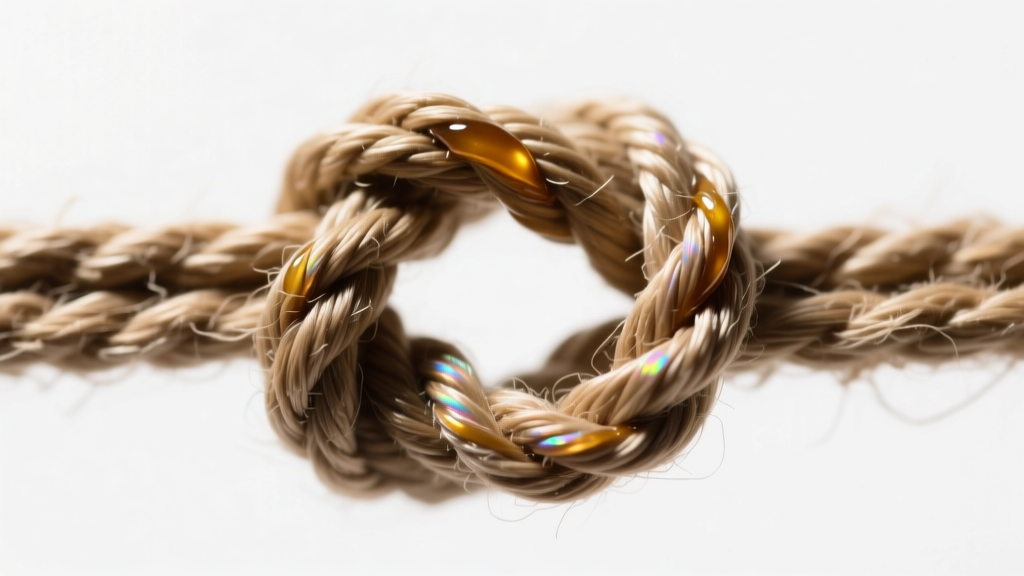
Surface treatment drastically alters the behavior of the cord. Unwaxed hemp is highly porous, offering excellent glue adhesion for clasp terminals but prone to fraying during repetitive knotting. Waxed hemp, coated in either natural beeswax or synthetic microcrystalline wax, features a stiffened, water-resistant exterior. The wax fills the microscopic gaps between the spun fibers, drastically reducing friction and allowing the cord to pull tightly into crisp, secure macrame knots without slipping.
Hemp vs. Alternative Fibers: A Material Showdown
To truly appreciate the utility of hemp in jewelry design, we must compare its physical properties against other common stringing and knotting materials. The table below outlines the critical performance metrics for artisan necklace making.
| Material | Tensile Strength | Knot Security | Water Resistance | Biodegradability |
|---|---|---|---|---|
| Hemp (Waxed) | High (20-60 lb) | Excellent (Wax grips) | Moderate (Sheds water) | 100% Biodegradable |
| Cotton | Low-Medium | Poor (Slips/Stretch) | Poor (Absorbs/Rots) | 100% Biodegradable |
| Nylon (Chinese Knotting) | Very High | Moderate (Requires melting) | Excellent | Non-Biodegradable |
| Leather (Round) | High | Poor (Too stiff to knot) | Poor (Stiffens/Cracks) | Biodegradable (Tanning dependent) |
| Silk (Griffin) | Low | Excellent (Natural grip) | Poor (Water spots) | 100% Biodegradable |
As the data illustrates, hemp occupies a unique middle ground. It lacks the absolute waterproof invulnerability of extruded nylon, but it vastly outperforms cotton and silk in tensile strength and knot security, while remaining entirely eco-friendly.
How Material Properties Dictate Hemp Necklace Designs
The physical limitations and advantages of hemp directly inform the structural engineering of different necklace styles. Here is how professional artisans map cord specifications to specific design categories.
Micro-Macrame and Pendant Bails
For micro-macrame, which involves weaving intricate, lace-like bezels around small cabochons, artisans require a highly pliable, ultra-thin cord. A 0.5mm or 0.75mm 2-ply waxed hemp is the industry standard. The thin diameter allows for tight turning radiuses, while the wax coating ensures that the half-hitch and square knots lock into place permanently without the need for toxic jewelry adhesives.
Sliding Knot and Adjustable Shamballa Styles
Adjustable necklaces rely on a square knot or snake knot that must glide smoothly along the base cords. Unwaxed or lightly waxed 1mm hemp is ideal here. If the cord is too heavily waxed, the friction will cause the adjustment knot to seize. Conversely, if the cord is too fuzzy (like raw cotton), the fibers will catch and pill, destroying the sliding mechanism over time.
Heavy Bead Stringing and Boho Chokers
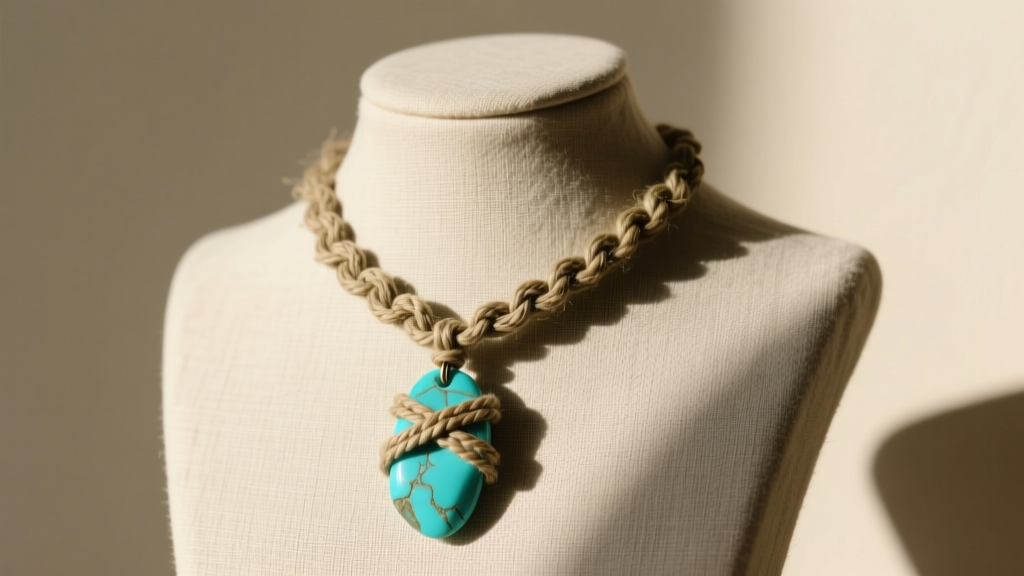
When designing chunky, bohemian chokers featuring large wooden beads, bone carvings, or unpolished turquoise, a 2mm to 3mm braided or 4-ply hemp cord provides the necessary structural rigidity. The thick cord prevents the heavy beads from drooping, maintaining a bold, structured silhouette on the collarbone.
Dyeing and Colorfastness in Natural Fibers
One of the most significant advantages of hemp necklace designs is the fiber's exceptional dye absorption. Because hemp is a cellulose-based fiber, it bonds brilliantly with fiber-reactive dyes (such as Procion MX dyes). Unlike protein fibers like silk, which require acid dyes and heat that can degrade the fiber's tensile strength, hemp can be dyed at room temperature in alkaline baths. This results in deeply saturated, colorfast hues that resist fading even under prolonged UV exposure. Artisans frequently utilize natural mordants, such as alum or iron, combined with botanical dyes like indigo, madder root, or cutch, to achieve rich, earthy palettes that align with sustainable jewelry practices.
Sourcing and Sustainability: The Eco-Impact
For eco-conscious consumers and designers, the environmental footprint of jewelry materials is a primary purchasing driver. According to data from the Food and Agriculture Organization (FAO), hemp is one of the most environmentally efficient crops available. It requires approximately 50% less water than cotton to produce the same yield of fiber and naturally suppresses weeds, drastically reducing the need for chemical herbicides. Furthermore, organizations like the Textile Exchange consistently rank hemp as a preferred, low-impact fiber. When sourcing hemp cord for your designs, look for suppliers who certify their hemp is organically grown and processed using mechanical retting (dew retting) rather than chemical water retting, which can introduce heavy metals and toxic runoff into local waterways.
Maintenance, Failure Modes, and Longevity
While hemp is incredibly durable, it is not impervious to environmental stressors. The most common failure mode for hemp necklaces is not snapping, but rather biological degradation. Because hemp is an organic cellulose, prolonged exposure to high humidity, sweat, and trapped moisture can lead to mildew or dry rot over several years. To maximize the lifespan of a hemp necklace, wearers should remove the piece before swimming in chlorinated pools or bathing. Chlorine actively breaks down the lignin and cellulose bonds in the plant fiber, leading to rapid embrittlement. For routine cleaning, gently wiping the cord with a slightly damp cloth and allowing it to air dry flat is sufficient. If the cord loses its flexibility or wax coating over time, a light application of natural jojoba oil or beeswax balm can restore its luster and water-resistant properties, ensuring the necklace remains a staple in the wearer's collection for years to come.


