Herringbone Necklace Gold 18k: The Ultimate Buyer's Guide
Discover what to look for when buying a herringbone necklace gold 18k. Expert advice on widths, weights, kink prevention, and clasp hardware.

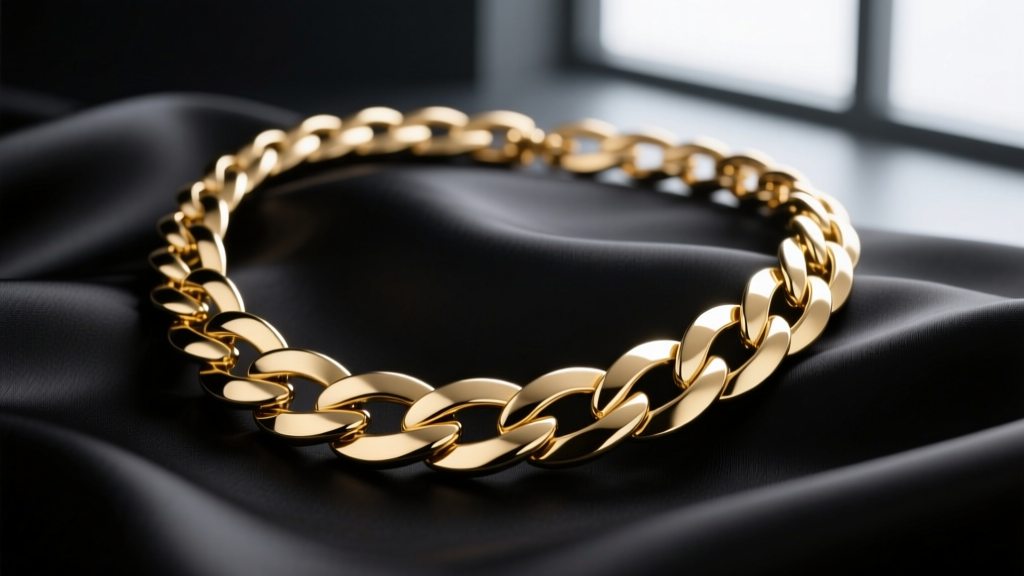
When it comes to achieving a seamless, liquid-metal drape that catches the light from every conceivable angle, few jewelry designs can rival the herringbone chain. For serious collectors and everyday luxury wearers alike, finding the perfect herringbone necklace gold 18k option is a masterclass in balancing opulent aesthetics with structural realities. Unlike standard cable or curb chains, the herringbone is an engineering marvel—and a high-maintenance one at that.
This comprehensive buying guide strips away the marketing fluff to deliver hard data on metallurgy, dimensional sizing, clasp mechanics, and the notorious 'kink factor.' Whether you are investing in a delicate 2mm choker or a heavy 10mm statement collar, understanding the anatomy of this specific chain will save you hundreds of dollars in avoidable repairs.
Why 18k Gold is the Pinnacle for Herringbone Chains
The magic of a herringbone chain lies in its fluid, fabric-like movement. This drape is heavily dependent on the malleability of the metal, which is exactly why 18-karat gold is the superior choice for this specific weave. According to the Gemological Institute of America (GIA), 18k gold consists of 75% pure gold and 25% alloy metals (typically copper, silver, and zinc).
While 14k gold offers higher tensile strength due to its higher alloy content, it is inherently stiffer. A 14k herringbone chain will often feel rigid, resisting the skin's contours and losing that signature 'liquid' effect. Conversely, the higher pure-gold content in an 18k alloy yields a richer, deeper yellow hue and the exact level of softness required for the flat links to articulate smoothly against one another. However, this softness introduces structural vulnerabilities that every buyer must acknowledge before purchasing.
Decoding Dimensions: Width, Weight, and Drape
The visual impact and physical durability of a herringbone chain are dictated by its width (measured in millimeters) and its overall gram weight. Because the links are laid flat and tightly packed, herringbone chains are significantly heavier and denser than rope or box chains of the exact same width.
| Width (mm) | Avg. Weight (18in) | Drape Profile | Ideal Neckline | Durability Rating |
|---|---|---|---|---|
| 2mm - 3mm | 8g - 15g | Delicate, subtle shimmer | Deep V-Neck, Scoop | Low (High kink risk) |
| 4mm - 6mm | 20g - 40g | Fluid, noticeable presence | Crew, Boatneck | Medium (Standard wear) |
| 8mm - 10mm | 55g - 85g | Bold, heavy collar effect | Open Collar, Off-shoulder | High (Resists minor bends) |
| 12mm+ | 100g+ | Rigid, armor-like statement | Minimalist / Plunging | Very High (Hard to kink) |
Pro-Tip: If you are purchasing your first herringbone, the 4mm to 5mm range is the 'Goldilocks' zone. It provides enough surface area to showcase the mesmerizing V-shaped link pattern while retaining enough gram weight to lay flat against the clavicle without flipping over.
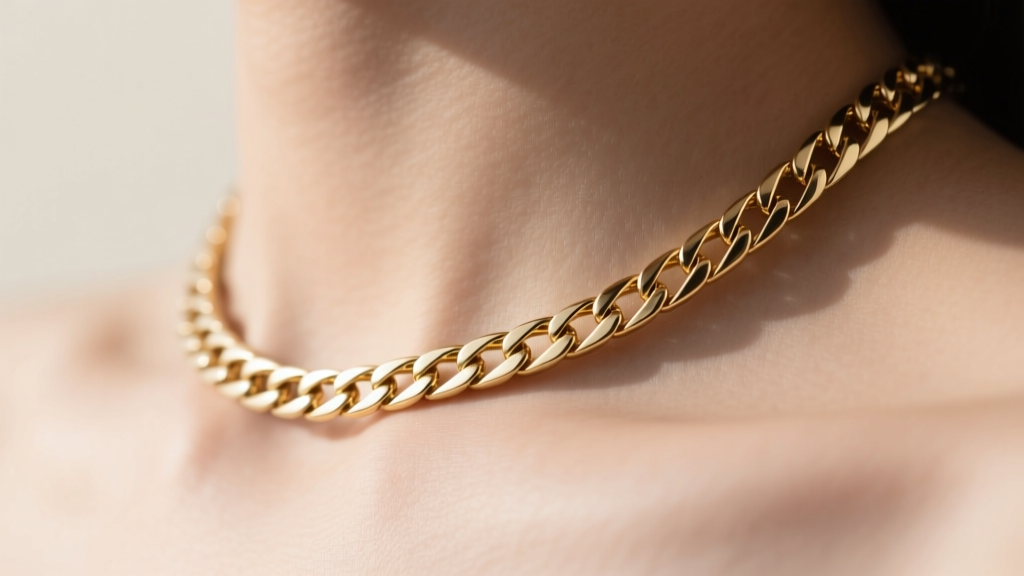
The Kink Conundrum: Engineering and Care
We must address the elephant in the room: herringbone chains kink. Because the chain is manufactured by laying short, parallel links flat and angling them slightly to create a continuous V-pattern, folding the chain against its natural grain causes the links to bend out of their horizontal plane. Once an 18k gold herringbone kinks, the structural memory of the metal is compromised.
Why 18k Gold Exacerbates the Issue
Pure gold is a soft metal. While the World Gold Council notes that alloying gold increases its Vickers hardness for jewelry applications, 18k gold remains vastly more malleable than platinum or stainless steel. When a herringbone chain is bent sharply, the flat links crease. While a skilled bench jeweler can use laser welding and specialized mandrels to flatten a kink, the chain will forever retain a 'weak spot' at that exact location, and the mirror-polish finish is often permanently dulled in the repair zone.
The Flat Storage Mandate
To protect your investment, you must adhere to strict storage protocols:
- Never hang a herringbone chain. Gravity will pull the chain through the loops, causing torsion and micro-kinks.
- Store entirely flat. Lay the necklace out in a wide, velvet-lined jewelry box drawer. Do not coil it tightly.
- The 'Slide-Off' Rule. Never pull a herringbone chain over your head if it is caught on hair or clothing. Always unclasp it and slide it off horizontally.
Hardware and Clasp Integration
The transition point where the fluid herringbone body meets the rigid clasp hardware is the most common point of catastrophic failure. Because the chain is flat, it cannot easily swivel inside a standard jump ring without twisting the terminal links.
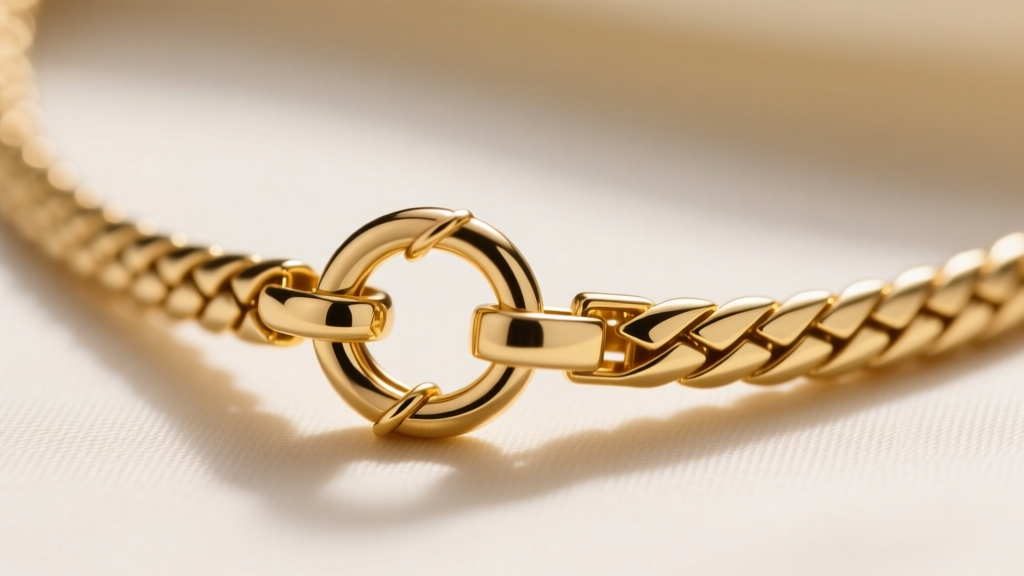
What to Demand from the Jeweler
When inspecting a potential purchase, look closely at the jump ring connecting the chain to the clasp. It must be soldered closed. An open jump ring will eventually pull apart under the heavy, sliding weight of the flat chain links. Furthermore, look for chains that feature a 'tapered' or 'step-down' end cap. This custom gold fitting bridges the gap between the wide, flat chain and the small clasp ring, distributing tension evenly and preventing the terminal links from snapping.
Clasp Selection
While the spring-ring clasp is common on cheaper, lightweight chains, it is wholly inadequate for a heavy 18k herringbone. Opt for a heavy-duty lobster clasp for chains over 20 grams. For ultra-wide collars (8mm+), consider upgrading to a neodymium magnetic clasp with a safety latch; this allows you to connect the necklace without aggressively bending the back of the chain to operate a tiny lobster lever.
2026 Market Pricing and Value Metrics
Pricing an 18k gold herringbone necklace requires understanding the split between 'melt value' and 'manufacturing premium.' Herringbone chains require highly specialized, multi-stage Italian chain-making machinery (often originating from Vicenza's jewelry manufacturing district) to stamp, lay, and press the links perfectly flat.
As of early 2026, buyers should expect to pay a manufacturing premium of 25% to 45% over the raw gold melt value, depending on the brand, the precision of the diamond-cut facets, and the quality of the end-caps. If a retailer is selling an 18k herringbone chain at or near raw scrap gold prices, be highly suspicious of the karat purity or the structural integrity of the hollow-point links. Always demand a hallmark stamp (750 or 18k) and a verified gram weight on your receipt.
Styling and Layering Constraints
The mirror-like finish of a herringbone chain makes it a standalone masterpiece, but it can be layered if done with surgical precision. The primary danger of layering a herringbone is friction and tangling; the flat, tightly packed links act like a gear, catching on the open loops of standard cable or rope chains.
The Layering Framework:
If you must layer, pair your 18k gold herringbone necklace with a chain that features a completely different geometry, such as a smooth, solid box chain or a thick, polished Cuban link. Ensure there is a minimum 2.5-inch length differential between the two chains to prevent the clasps from tangling at the nape of the neck. Avoid layering a herringbone with any chain that features sharp, protruding edges or gemstone bezels that could scratch the herringbone's high-polish surface.
Ultimately, a herringbone necklace in 18k gold is not a 'toss it in a pouch and forget it' piece of jewelry. It is a luxury asset that demands respect, careful handling, and an appreciation for master-level goldsmithing. When chosen correctly, its liquid drape and unmatched brilliance will make it the most captivating piece in your entire collection.


