What Is a Hickey Necklace? The Ultimate Choker Styling Guide
Discover what a hickey necklace is, from 90s tattoo chokers to velvet bands. Learn how to measure, style, and care for this edgy, skin-tight trend.


Decoding the Hickey Necklace: More Than Just a 90s Throwback
If you have spent any time exploring alternative fashion, grunge revivals, or modern streetwear, you have likely encountered the term 'hickey necklace.' While the name might sound provocative, a hickey necklace is simply a colloquial, tongue-in-cheek term for a tightly fitted choker that sits flush against the skin, mimicking the placement of a hickey on the lower neck. Unlike standard necklaces that drape over the collarbone, this specific style of choker hugs the thyroid cartilage, creating an edgy, deliberate, and skin-tight silhouette.
The term gained traction in the late 1990s alongside the explosion of the plastic 'tattoo choker' and thin velvet ribbons. Today, the hickey necklace has evolved from a cheap mall-accessory into a sophisticated staple of alt-fashion and minimalist styling. According to fashion historians at Vogue, the choker's lineage stretches back to the French Revolution and Victorian era, but the modern 'flush-fit' iteration is distinctly rooted in 90s grunge and 2020s alt-aesthetics. This beginner-friendly guide will break down the anatomy, materials, and precise styling frameworks you need to master this trend.
The Anatomy and Materials of a Flush-Fit Choker
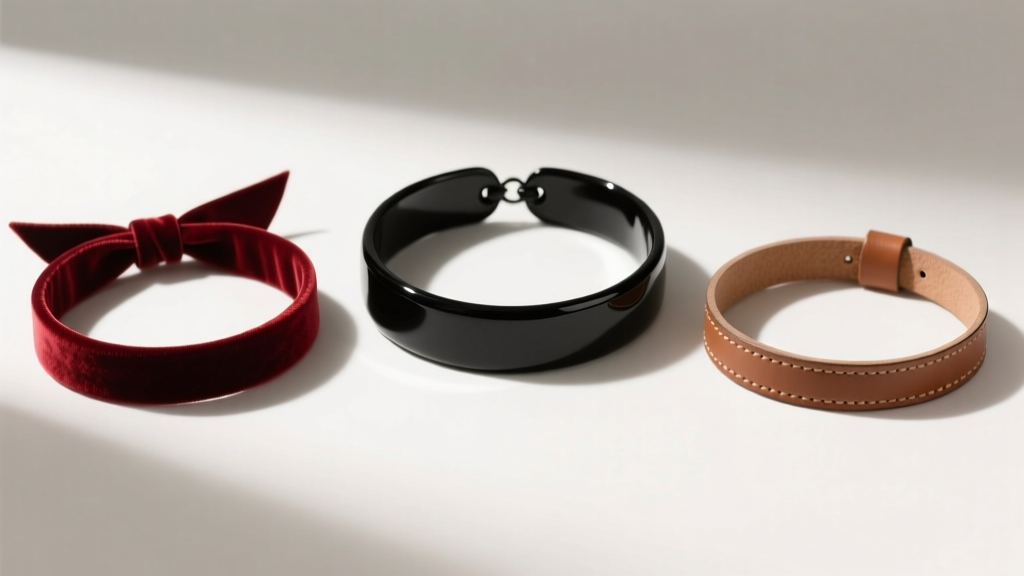
Not every short necklace qualifies as a hickey necklace. The defining characteristic is the flush fit and the material profile. To achieve the look without cutting off circulation, jewelers and accessory designers rely on specific materials that offer stretch, flexibility, or precise adjustability.
Material Breakdown and 2026 Market Standards
When shopping for a hickey necklace, understanding the material grade is crucial for both comfort and longevity. Cheap plastics can cause contact dermatitis, while high-quality alternatives offer breathability and skin-safe wear. Below is a comparative analysis of the most common materials used in contemporary flush-fit chokers.
| Material Type | Dimensions & Gauge | Pros & Cons | Est. Price Range |
|---|---|---|---|
| Woven Nylon (Tattoo Choker) | 0.8mm - 1.5mm monofilament | Highly stretchy, nostalgic. Con: Traps sweat, degrades in UV light. | $8 - $25 |
| Silk-Blend Velvet | 10mm - 25mm width | Luxurious, opaque, soft on skin. Con: Attracts lint, stains easily. | $15 - $45 |
| Full-Grain Leather | 2mm - 5mm thickness | Durable, molds to neck shape. Con: Not water-resistant, stiff initially. | $35 - $85 |
| Medical-Grade Silicone | 3mm - 6mm rounded cord | Waterproof, hypoallergenic. Con: Can grip skin and hair if untextured. | $20 - $50 |
Precision Sizing: How to Measure for the Perfect Flush Fit
The most common mistake beginners make when buying a hickey necklace is guessing their neck size. Standard necklaces rely on a 16-inch or 18-inch drop, but a hickey necklace requires a bespoke, skin-tight measurement. If it is too tight, it restricts swallowing and causes discomfort; if it is too loose, it loses the defining 'hickey' aesthetic and looks like a poorly fitted standard choker.
The One-Finger Glide Protocol
- Use a Soft Tailor's Tape: Wrap a flexible measuring tape around your neck exactly where you want the necklace to sit. For a true hickey necklace, this is typically just above the collarbone, resting lightly on the lower thyroid cartilage.
- The Measurement: Note the exact circumference in inches or centimeters. For most adult women, this falls between 12.5 and 14 inches. For men or those with thicker necks, it may range from 14.5 to 16 inches.
- The Allowance: Add exactly 0.5 inches (1.25 cm) to your base measurement. This micro-allowance ensures the necklace sits flush against the skin without compressing the trachea.
- The Test: When trying it on, you should be able to slide exactly one index finger under the band. If you can fit two fingers, it is too loose. If you cannot slide a finger underneath, it is a safety hazard and must be resized.
Styling Frameworks: Proportions, Necklines, and Face Shapes
Because a hickey necklace draws an immediate, horizontal line across the most sensitive part of the neck, it drastically alters your visual proportions. Styling it correctly requires an understanding of necklines and facial geometry. As noted by trend forecasters at Harper's Bazaar, the revival of the 90s choker relies heavily on contrasting the tight neck accessory with relaxed, voluminous garments.

Matching Necklines to the Flush Choker
- Off-the-Shoulder & Bardot: This is the gold standard for hickey necklaces. The exposed skin of the shoulders provides negative space, allowing the tight choker to act as a focal point without competing with fabric.
- Deep Scoop & Plunging V-Neck: A tight velvet or leather band creates a striking visual contrast against a deep neckline, framing the face and elongating the upper torso.
- High Crew Necks & Turtlenecks: Avoid these entirely. A hickey necklace worn over a thick turtleneck looks bulky and loses its skin-tight edge, while wearing it under a tight crew neck creates a cluttered, suffocating silhouette.
Face Shape Considerations
The width of your hickey necklace should be chosen based on your facial structure. If you have a round or square face shape, a thick 25mm velvet band can visually shorten your neck and widen your jawline. Instead, opt for a thinner 2mm leather band or a delicate woven nylon choker to maintain vertical elongation. Conversely, those with oval, oblong, or heart-shaped faces can easily carry the visual weight of a wider, more dramatic band, which helps to balance out longer facial proportions.
Longevity and Care Protocols for Skin-Tight Jewelry
Because hickey necklaces sit in direct, continuous contact with the skin, they are exposed to sebum, sweat, perfume, and environmental pollutants. Proper maintenance is non-negotiable if you want to preserve the material and prevent skin irritation.
- Woven Nylon & Silicone: These materials are prone to trapping dead skin cells and oils in their micro-textures. Wash them weekly using a soft-bristled toothbrush, warm water, and a mild antibacterial soap. Rinse thoroughly and air dry flat. Never use harsh alcohols on silicone, as it will degrade the matte finish and cause it to become sticky.
- Velvet Ribbons: Velvet is highly susceptible to water spots and lint. Do not submerge velvet chokers. Instead, use a specialized velvet lint brush or a piece of masking tape to lift debris. If the ribbon becomes stained, take it to a professional dry cleaner who specializes in delicate textiles.
- Leather Bands: Full-grain and PU leather will dry out and crack if exposed to sweat and sunlight. Wipe the band down with a slightly damp microfiber cloth after heavy wear, and apply a thin layer of beeswax-based leather conditioner once a month to maintain suppleness and prevent the edges from fraying against your skin.
Final Thoughts on the Hickey Necklace Trend
The hickey necklace is far more than a fleeting nostalgic gimmick; it is a versatile, structural accessory that anchors alternative and minimalist wardrobes alike. By understanding the precise material grades, adhering to the one-finger glide sizing protocol, and strategically pairing the choker with complementary necklines, you can elevate this edgy piece from a costume accessory to a cornerstone of your personal style. Whether you prefer the raw, nostalgic grit of a woven nylon tattoo choker or the dark, romantic elegance of a silk-blend velvet ribbon, the key to mastering the hickey necklace lies in the precision of its fit and the confidence of its styling.


