Holly The Heroic Necklace Troubleshooting: Chain & Enamel Fixes
Learn how to fix chain snapping, tarnish, and enamel chipping on your Holly the Heroic necklace with our expert 2026 troubleshooting guide.

Understanding the Unique Wear Patterns of Character Pendants
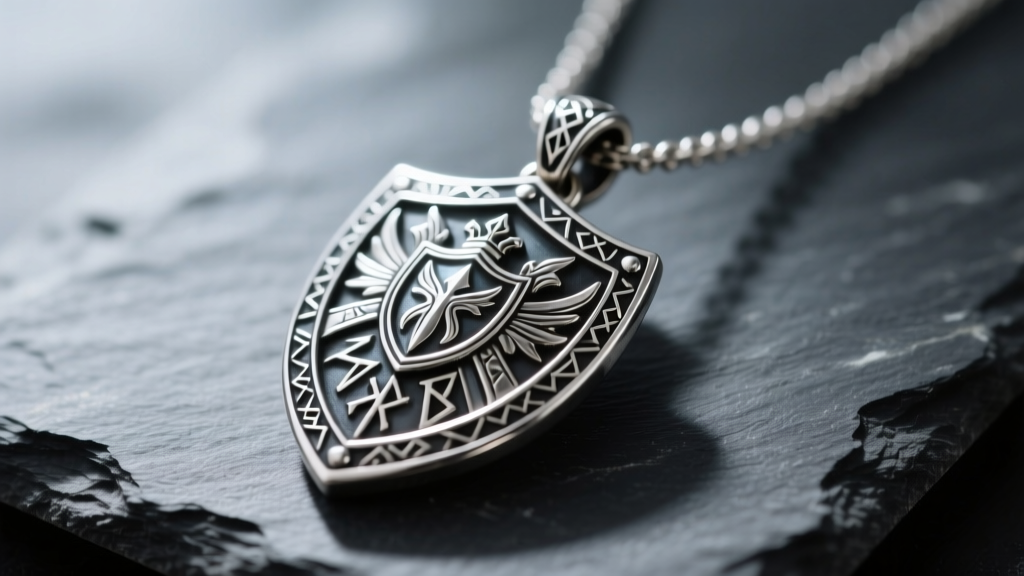
Owning a highly detailed, character-themed piece of jewelry like the Holly the Heroic necklace is a fantastic way to showcase your fandom or personal aesthetic. However, bespoke and character-driven pendants often feature intricate cast details, mixed metals, and cold enamel accents that require specialized care. Unlike simple geometric pendants, the Holly the Heroic necklace features deep crevices in the armor and shield motifs that trap environmental pollutants, skin oils, and sulfur. Furthermore, the sheer weight of a solid cast-metal heroic pendant puts immense dynamic stress on standard jewelry chains. In this 2026 troubleshooting guide, we will break down the most common failure modes associated with heavy, intricate character necklaces and provide exact, jeweler-grade solutions to restore and protect your piece.
The Weight Problem: Why Your Chain Keeps Breaking
The most frequent complaint we see with heavy character pendants is chain failure. The Holly the Heroic pendant, typically cast in solid 925 sterling silver or bronze, can weigh anywhere from 18 to 35 grams depending on the specific edition and dimensions. Many collectors initially pair these heavy pendants with standard 1.0mm or 1.2mm rope or cable chains. While a 1.0mm sterling silver chain might have a static tensile strength of 3 to 4 pounds, the dynamic shear force generated when the pendant swings against your chest while walking can easily snap the soldered links over time.
Upgrading to the Right Chain Gauge and Style
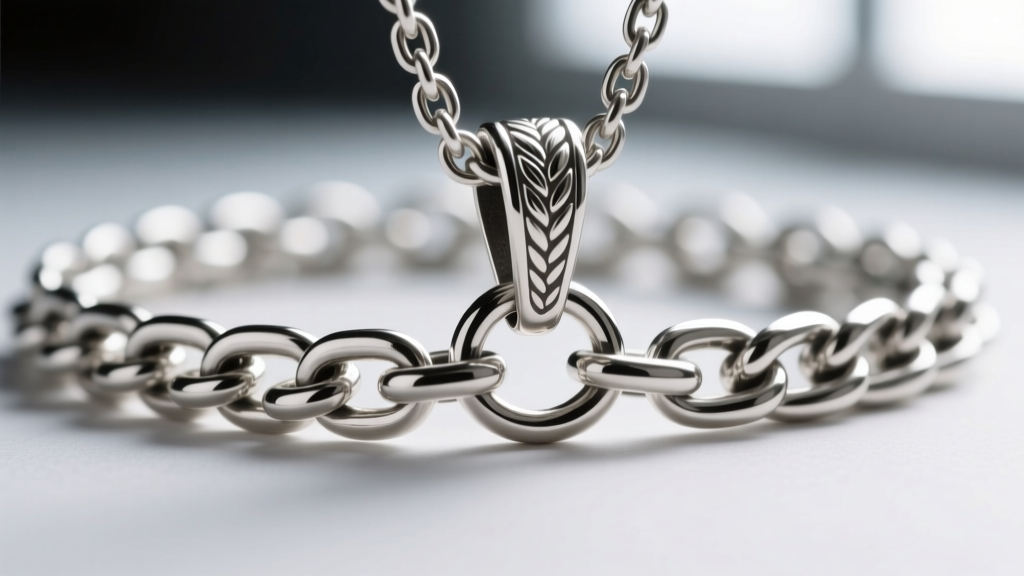
To prevent catastrophic chain failure and the potential loss of your pendant, you must upgrade to a chain that offers both high tensile strength and structural rigidity. We recommend abandoning delicate rope chains in favor of Wheat (Spiga) or Box chains. According to the Rio Grande Jewelry Chain Guide, interlocking wheat chains distribute weight across multiple angled links, drastically reducing the shear stress on any single solder point.
| Chain Style | Minimum Gauge (mm) | Weight Capacity | Durability Rating |
|---|---|---|---|
| Wheat (Spiga) | 2.5mm - 3.0mm | Up to 45g | Excellent |
| Box Chain | 2.0mm - 2.5mm | Up to 35g | Very Good |
| Cable (Standard) | 3.0mm+ | Up to 40g | Good |
| Rope Chain | Not Recommended | N/A | Poor (High Shear Risk) |
Tackling Tarnish in Intricate Character Details
The intricate armor plating, hair textures, and shield engravings on the Holly the Heroic necklace are exactly what make it beautiful, but they are also magnets for oxidation. Sterling silver reacts with hydrogen sulfide in the air and on human skin, creating black silver sulfide tarnish. In deep recesses, a standard polishing cloth cannot reach the tarnish, leaving the pendant looking dirty and aged in an unappealing way.
The Electrochemical Cleaning Method
For solid silver pendants without glued-in gemstones or cold enamel, the electrochemical reduction method is the safest way to remove tarnish from microscopic crevices without stripping away the metal. The Gemological Institute of America (GIA) notes that this method converts silver sulfide back into elemental silver.
- Line a glass or ceramic bowl with aluminum foil, shiny side facing up.
- Place the Holly pendant directly on the foil.
- Sprinkle 1 tablespoon of baking soda and 1 tablespoon of non-iodized salt over the pendant.
- Pour boiling water into the bowl until the pendant is fully submerged. You will see bubbling and smell a faint sulfur (rotten egg) odor.
- Let it sit for 3 to 5 minutes, then remove with wooden tongs, rinse thoroughly in distilled water, and pat dry with a microfiber cloth.
Warning: If your specific edition of the Holly the Heroic necklace features glued cubic zirconia accents or epoxy-based cold enamel on the shield, do not use this method. The boiling water and chemical reaction will dissolve the cyanoacrylate adhesives, causing stones to fall out.
Safe Cleaning for Enamel and Gemstone Editions
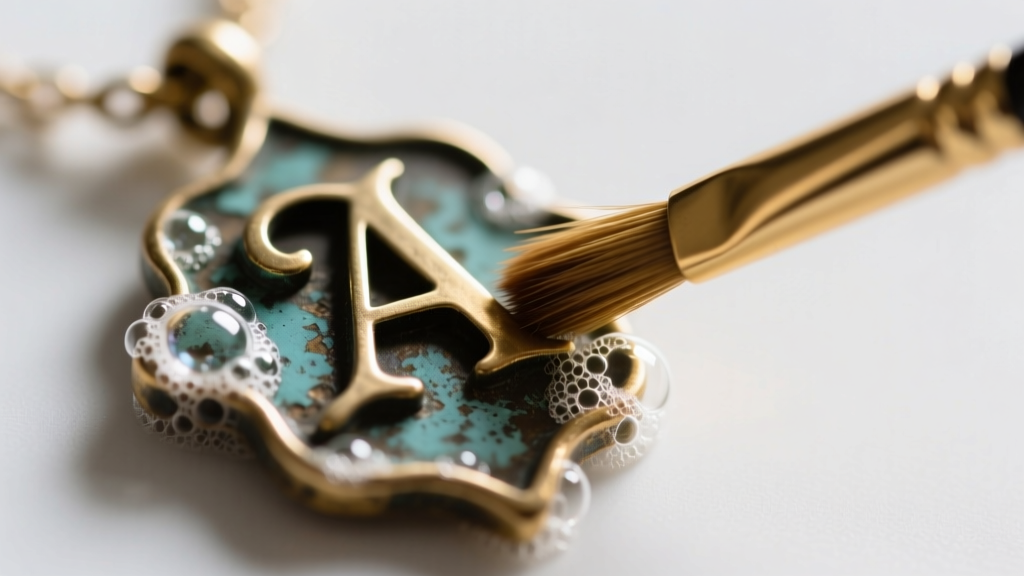
If your pendant contains glued elements or enamel, you must use a mechanical cleaning approach. Mix a few drops of phosphate-free dish soap (like Dawn) into lukewarm water. Use a soft brass jewelry brush—never a hard nylon or steel brush, which will scratch the silver and dull the enamel. Gently agitate the soapy water into the crevices of the armor and hair details. The brass bristles are softer than sterling silver and will dislodge trapped dead skin and lotion without marring the metal's finish.
Restoring Chipped Cold Enamel and Patina
Many heroic character pendants utilize cold enamel (a two-part jewelry epoxy resin) or oxidized patinas to create contrast between the raised silver elements and the recessed background. Over time, knocks against doorframes or desks can chip this enamel, and friction can rub away the dark antiquing patina.
Touching Up Enamel with Jewelry-Grade Epoxy
If a chip occurs on an enameled section of the shield or armor, do not use standard superglue, which dries brittle and yellows under UV exposure. Instead, source a jewelry-grade cold enamel kit or a two-part clear epoxy resin. Mix a microscopic amount, tint it with specialized jewelry pigment powders to match the original color, and apply it into the chipped recess using a fine-tipped needle or toothpick. Allow it to cure for 24 hours in a dust-free environment, then gently buff the surface flush with a high-grit (3000+) polishing pad.
Re-Antiquing Recessed Details
If the dark contrast in the intricate hair or chainmail details has worn away, you can restore it using a Liver of Sulfur (LOS) solution. Dip a cotton swab into a diluted LOS solution and carefully paint it only into the recessed areas. The sulfur will instantly oxidize the silver, turning it dark brown or black. Once dry, lightly polish the raised surfaces with a jeweler's rouge cloth, leaving the recesses dark and restoring the pendant's three-dimensional depth.
Bail Friction and Clasp Failures
The bail—the loop that connects the Holly the Heroic pendant to the chain—is a critical failure point. Because the pendant is heavy and swings constantly, the interior of the bail acts like a saw against the chain. Over two to three years of daily wear, a steel or silver chain can actually wear a groove completely through a soft sterling silver bail, resulting in the pendant dropping off unnoticed.
Installing a Bail Insert
To prevent bail wear, take the necklace to a local bench jeweler and ask them to install a hardened steel or platinum jump ring inside the bail, or have them solder a tungsten carbide bail insert. This creates a hardened barrier that the chain rubs against, ensuring the silver bail will never wear through. Additionally, swap out any standard spring-ring clasps on your chain. Spring rings lack the internal tension to hold heavy pendants securely and often pop open when snagged on clothing. Upgrade to a 9mm or 11mm solid sterling silver lobster clasp, or for modern convenience, a neodymium magnetic clasp equipped with a secondary safety catch chain.
Summary Checklist for Long-Term Wear
- Chain: Upgrade to a 2.5mm+ Wheat or Box chain with a lobster clasp.
- Cleaning: Use the aluminum foil/baking soda method for solid silver; use a brass brush and mild soap for enameled/gemstone versions.
- Storage: Store in an airtight anti-tarnish ziplock bag with a 3M anti-tarnish strip when not in use.
- Maintenance: Inspect the bail hole every 6 months for deep grooving and replace the bail or add an insert if necessary.
By addressing these specific mechanical and chemical vulnerabilities, your Holly the Heroic necklace will remain a pristine, battle-ready centerpiece in your jewelry collection for decades to come.


