Holy Water Necklace Buying Guide: Vials, Metals & Care
Discover what to look for in a holy water necklace. Compare borosilicate vials, O-ring seals, and 316L steel chains for leak-proof, lasting wear.

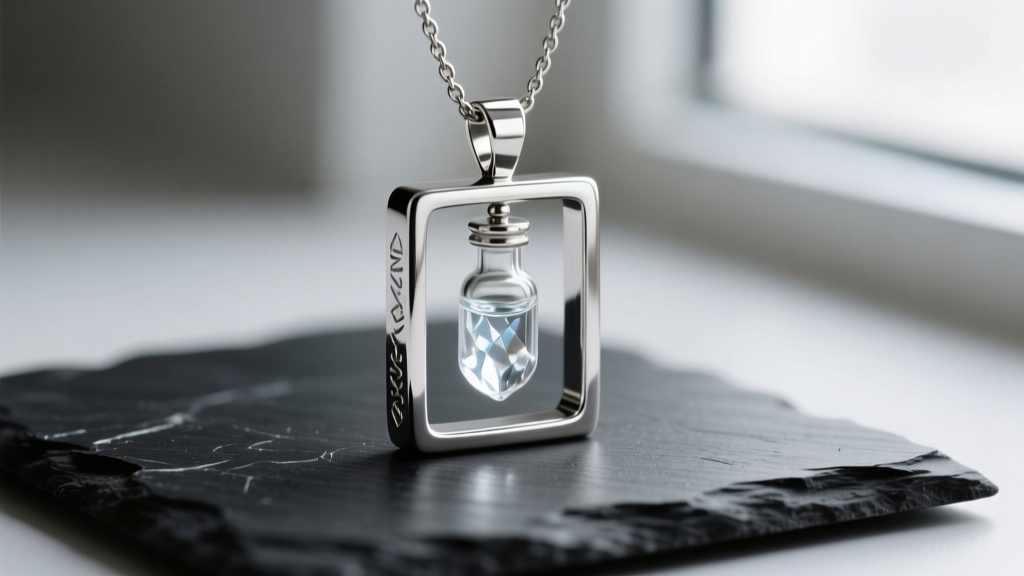
A holy water necklace is far more than a simple fashion accessory; it is a wearable reliquary designed to keep a sacred liquid secure against the rigors of daily life. Unlike standard gemstone pendants, a liquid-filled vial introduces complex structural vulnerabilities, including hydrostatic pressure, thermal expansion, and constant kinetic movement. In 2026, advancements in micro-machining and metallurgy have vastly improved the reliability of these pieces, yet the market remains flooded with poorly constructed novelties that leak, tarnish, or shatter within weeks.
Whether you are purchasing a piece for personal devotion, a baptism gift, or as a memorial keepsake, understanding the mechanical and material specifications of the pendant is critical. This comprehensive buying guide breaks down the exact glass types, sealing mechanisms, metal grades, and chain gauges required to ensure your holy water necklace remains watertight and pristine for a lifetime.
The Anatomy of a Reliable Holy Water Vial
The core of any holy water pendant is the vial itself. The material of the vial dictates its clarity, weight, and most importantly, its resistance to thermal shock. When worn against the skin, the pendant is subjected to rapid temperature fluctuations—from the ambient chill of an air-conditioned room to the 98.6°F heat of the human body.
Borosilicate vs. Soda-Lime Glass
Many mass-produced pendants utilize standard soda-lime glass due to its low manufacturing cost. However, soda-lime glass has a high coefficient of thermal expansion, making it susceptible to micro-fractures when exposed to sudden temperature changes. Over time, these invisible fractures compromise the structural integrity of the vial, leading to sudden shattering.
For a reliable holy water necklace, you must seek out borosilicate glass. Often recognized by the brand name Pyrex, borosilicate glass contains boron trioxide, which drastically lowers its thermal expansion coefficient. This makes it highly resistant to thermal shock, ensuring the vial remains intact whether you are stepping out into freezing winter air or wearing it during a sweltering summer day. Furthermore, borosilicate is inherently more resistant to chemical degradation, ensuring the water inside remains uncontaminated by leaching minerals.
The Sealing Mechanism: Where Most Pendants Fail
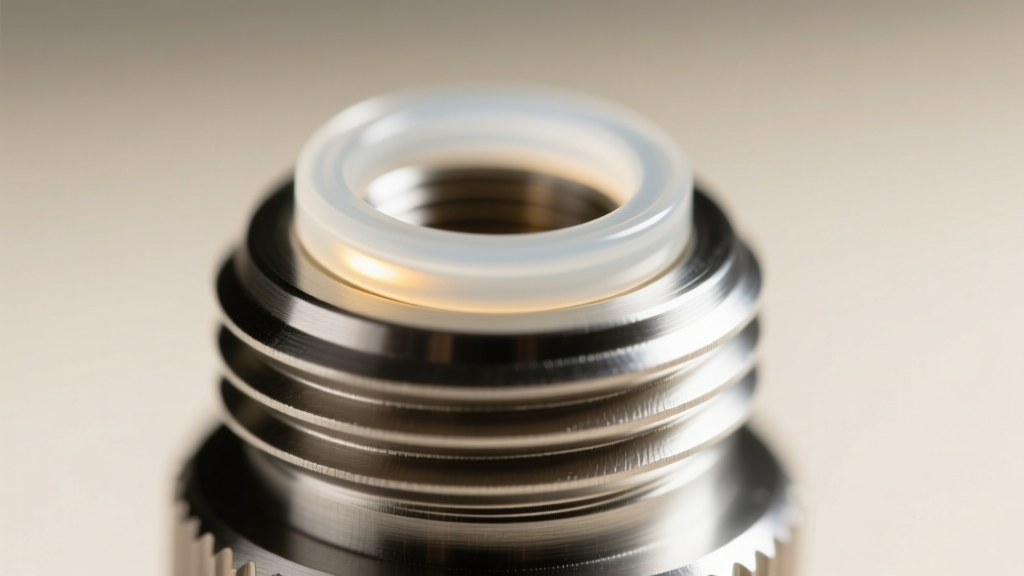
The most common point of failure in liquid-filled jewelry is the cap. A holy water necklace is subjected to constant agitation, inverted positioning, and varying internal pressures. If the seal fails, the sacred contents are lost, and the surrounding metal housing may suffer water damage or tarnishing.
- Friction-Fit Stoppers (Avoid): Often found in cheap novelty pendants, these rely on a simple cork or rubber plug pushed into the neck of the vial. Body heat expands the air inside the vial, creating positive pressure that literally pushes the stopper out over time.
- Glued Caps (Proceed with Caution): Some manufacturers use cyanoacrylate or UV-cured resins to bond a metal cap to a glass rim. While initially secure, prolonged exposure to skin oils, sweat, and water will degrade the adhesive bond, eventually resulting in a catastrophic leak.
- Threaded Caps with O-Rings (The Gold Standard): The only truly reliable sealing method involves precision CNC-machined threads paired with an elastomeric O-ring. When shopping, look for pendants that specify the use of a silicone O-ring rather than standard nitrile or neoprene. Silicone does not degrade, dry out, or harbor bacteria when exposed to constant moisture.
Metal Housing and Water Resistance
The metal housing protects the glass vial and serves as the aesthetic foundation of the necklace. Because a holy water necklace is designed to hold liquid, the exterior metal is frequently exposed to moisture, sweat, and occasional spills. Therefore, the metallurgical composition of the pendant is paramount.
| Metal Grade | Tarnish Resistance | Water Safety | Average Price Range |
|---|---|---|---|
| 316L Surgical Stainless Steel | Excellent | Fully Waterproof | $25 - $65 |
| 925 Sterling Silver (Rhodium Plated) | Moderate | Water Resistant (Plating wears off) | $70 - $150 |
| 14k Solid Gold | Excellent | Fully Waterproof | $300 - $800+ |
| Brass / Zinc Alloy (Plated) | Poor | Not Water Safe (Will corrode) | $10 - $20 |
For everyday wear, 316L surgical stainless steel is the superior choice for the housing. Unlike 304 stainless steel, 316L contains molybdenum, which provides exceptional resistance to chloride pitting and corrosion. This means you can wear it in the ocean, in the shower, or during heavy exercise without the metal rusting or turning your skin green. According to the Federal Trade Commission's Jewelry Guides, proper metal stamping and disclosure are required, so always look for a "316L" or "Surgical Steel" hallmark to ensure you are not being sold a cheap zinc alloy disguised by a temporary silver plating.
If you prefer the prestige of precious metals, 14k solid gold is highly recommended over sterling silver. While Jewelers of America notes that rhodium-plated sterling silver offers a beautiful white-gold look initially, the plating will inevitably wear away at the friction points, exposing the underlying silver which tarnishes rapidly when exposed to water and sulfur compounds in sweat.
Sizing, Weight, and Chain Gauge Requirements
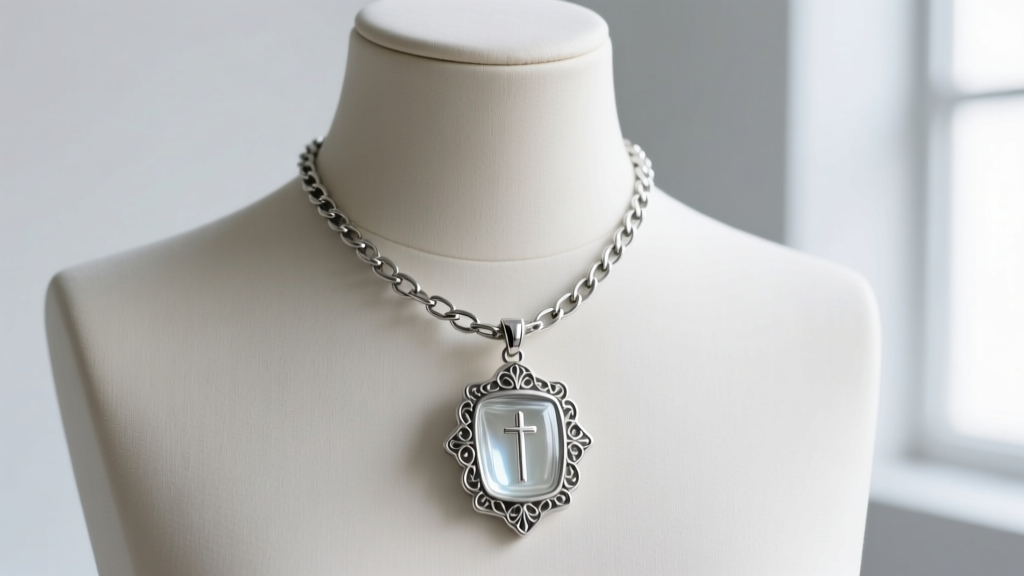
A frequent oversight when purchasing a holy water necklace is neglecting the chain. A glass vial filled with liquid is surprisingly dense. A standard 1-inch cylindrical glass vial filled with water can easily weigh between 15 and 25 grams. When you add the weight of a solid steel or silver protective housing, the total pendant weight often exceeds 35 grams.
Choosing the Right Chain Gauge
Delicate chains (0.8mm to 1.0mm) are entirely unsuited for liquid-filled pendants. The constant kinetic swinging of a heavy pendant will cause metal fatigue at the jump rings and clasp, leading to a snapped chain and a lost relic.
- Recommended Gauge: 1.2mm to 1.6mm.
- Recommended Style: Box chains or Cuban link chains. These styles offer high tensile strength and resist kinking, unlike snake chains which can permanently bend under heavy, swinging loads.
- Clasp Type: Always opt for a sturdy lobster clasp. Spring-ring clasps are notorious for failing under the weight of heavy pendants.
Maintenance and Refilling Protocol
"The longevity of a liquid-filled reliquary pendant depends entirely on the care taken during the refilling process. Over-tightening a threaded cap without cleaning the O-ring is the leading cause of seal failure."
To maintain the integrity of your holy water necklace, follow these strict maintenance protocols when refilling the vial:
- Inspect the O-Ring: Before unscrewing the cap, ensure the exterior is dry. Once opened, inspect the silicone O-ring for any debris, hair, or lint. Even a microscopic fiber trapped in the threads can break the watertight seal.
- Avoid Overfilling: Never fill the vial to the absolute brim. Leave a 2mm air gap at the top. This allows for the thermal expansion of the liquid when the pendant warms up against your body. If filled to the brim, expanding water will exert immense hydrostatic pressure on the glass and the cap threads.
- Hand-Tighten Only: Screw the cap back on until you feel resistance, then give it a quarter-turn more. Never use pliers or tools to tighten the cap, as this will crush the silicone O-ring, permanently deforming it and ruining its ability to create a vacuum seal.
- Exterior Cleaning: Wipe the exterior housing with a microfiber cloth. If the metal becomes dull, a mild soap and water solution is safe for 316L steel and solid gold, but avoid ultrasonic cleaners, as the high-frequency vibrations can shatter the internal glass vial or dislodge the O-ring.
Final Verdict: What to Buy
When investing in a holy water necklace, prioritize mechanical engineering over ornate aesthetics. A beautifully engraved pendant is useless if it leaks onto your clothing. Demand a borosilicate glass vial, a threaded cap with a silicone O-ring, and a 316L stainless steel or 14k gold housing. Pair it with a 1.5mm box chain and a secure lobster clasp. By focusing on these material specifications, you ensure that your sacred keepsake remains secure, pristine, and wearable for decades to come.


