The House Necklace Episode: Gifting Pendants That Steal the Show
Learn how to create your own house necklace episode moment. Our expert gift guide covers metal alloys, chain mechanics, and occasion matching for pendants.

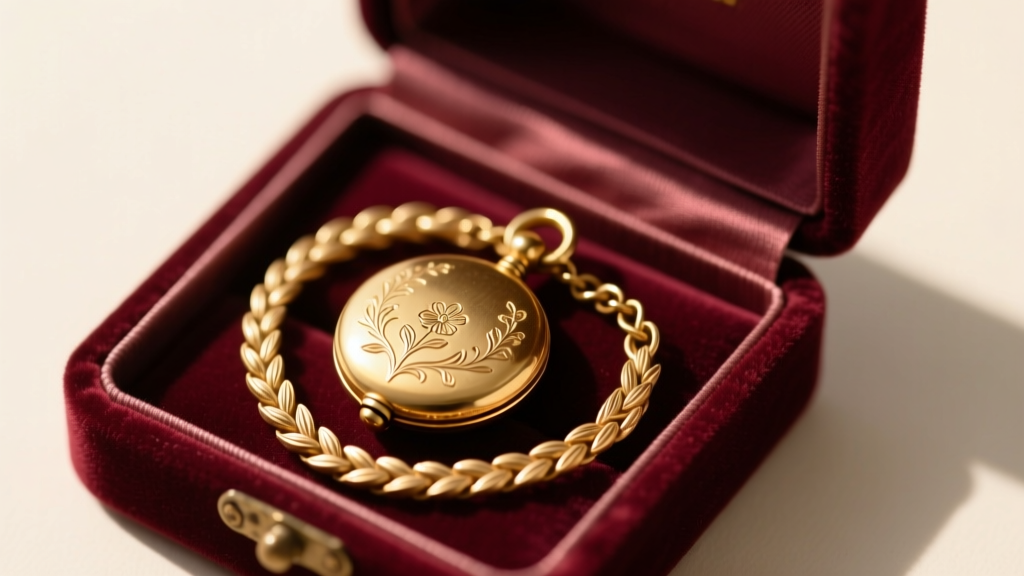
In television history, the "house necklace episode" is a well-known trope: that pivotal, emotionally charged scene where a carefully chosen piece of jewelry shifts the entire narrative arc. Whether it is a dramatic reality TV reveal or a scripted prime-time romance, the gifting of a necklace carries immense narrative weight. But how do you replicate this cinematic impact in real life? Creating your own iconic jewelry moment in 2026 requires moving beyond generic mall-kiosk purchases and understanding the metallurgy, chain architecture, and provenance that transform a simple pendant into a lifelong heirloom.
Decoding the Narrative Weight of Jewelry Gifts
A memorable jewelry gift is never just about the carat weight or the brand name; it is about the intersection of material permanence and emotional resonance. When viewers tune into a "house necklace episode," they are reacting to the intentionality of the gift. The giver has selected a piece that speaks to the recipient's history, style, and future. To achieve this, you must act as both a curator and an engineer. This means understanding how different gold alloys react to skin chemistry over decades, and why certain chain weaves fail under the micro-stress of daily wear.
The Metallurgy of Meaning: Choosing the Right Alloy
According to the Gemological Institute of America (GIA), pure 24k gold is far too soft for daily-wear pendants, possessing a Vickers hardness of merely 25 HV. To create durable jewelry, gold is alloyed with metals like copper, silver, zinc, and palladium. Choosing the right karat weight is the first critical decision in your gifting script.
| Metal Alloy | Composition | Vickers Hardness (HV) | Best Use Case | 2026 Price Tier |
|---|---|---|---|---|
| 14k Yellow Gold | 58.5% Au, 41.5% Cu/Ag/Zn | ~135 HV | Everyday wear, heavy pendants | $$ |
| 18k Yellow Gold | 75.0% Au, 25.0% Cu/Ag | ~115 HV | Luxury gifting, rich color | $$$ |
| Platinum 950 | 95.0% Pt, 5.0% Ru | ~135 HV | Heirloom pieces, diamond accents | $$$$ |
| Sterling Silver | 92.5% Ag, 7.5% Cu | ~65 HV | Budget-friendly, trend pieces | $ |
For a gift meant to signify a major milestone, 18k gold offers a deeply saturated, romantic yellow hue, though it requires the wearer to be slightly more mindful of impacts. If the recipient works with their hands or desires a piece they never have to remove, 14k gold or Platinum 950 provides the necessary structural integrity. Furthermore, consumer awareness regarding contact dermatitis is at an all-time high. Many lower-tier 14k white gold alloys are mixed with nickel to achieve a bright white color, which causes severe allergic reactions in up to 20% of the population. Always specify "nickel-free" white gold (alloyed with palladium) or opt for Platinum 950 to guarantee hypoallergenic performance.
Chain Architecture and Clasp Engineering
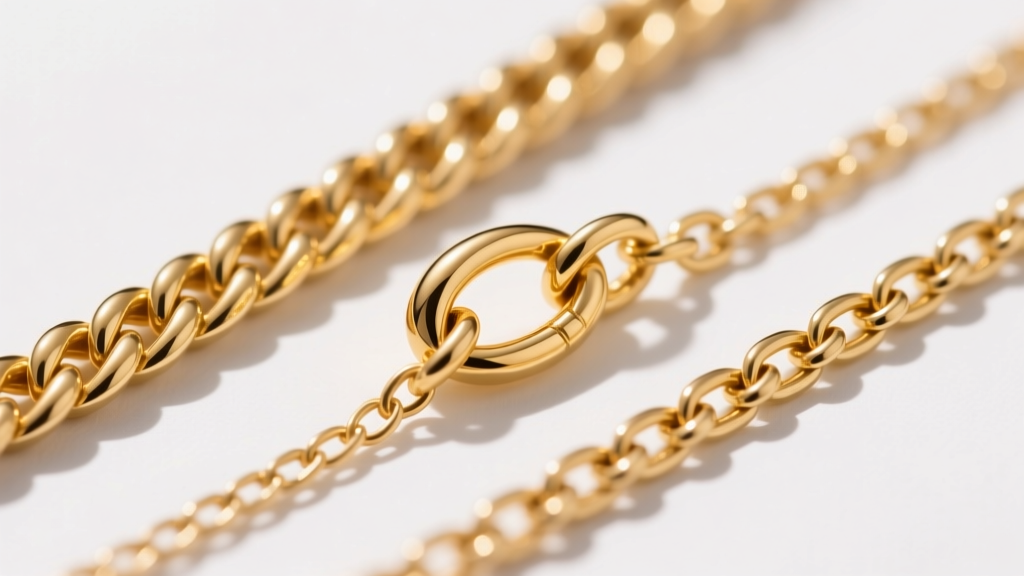
The pendant is the star, but the chain is the stage. A common failure mode in gifted necklaces is the breaking of the chain or the failure of the clasp. Many mass-market jewelers use 0.9mm snake chains or hollow rope chains to keep costs down. Snake chains, while sleek, are notorious for kinking if bent past a 45-degree angle, and their tight link structure traps skin oils and hairs, leading to premature degradation.
The Superiority of the Wheat (Spiga) Chain
For pendants weighing between 2 grams and 8 grams, a 1.2mm to 1.5mm Wheat chain is the gold standard. The Wheat chain features interlocking, multi-directional oval links that distribute tensile stress evenly. Unlike a standard box chain, which can snap at a single weak solder point, a Wheat chain will stretch and deform before breaking, giving the wearer time to notice the damage and seek a jeweler.
Clasp Mechanics: Why the Spring Ring Must Die
Never gift a high-value pendant on a chain equipped with a spring ring clasp. Spring rings rely on a microscopic internal steel spring that is highly susceptible to corrosion from sweat and cosmetics. Within 18 months, the spring often fails, leaving the pendant lost. Always upgrade to a solid 14k or 18k lobster claw clasp, which utilizes a solid metal lever mechanism, or a custom box clasp with a secondary figure-eight safety catch for heavier pieces.
Sourcing the Centerpiece: Hallmarks and Provenance
When sourcing the pendant itself, understanding jewelry terminology protects you from overpaying. The Jewelers of America emphasizes the importance of proper hallmarking and ethical sourcing. Here is how to navigate the secondary and primary markets:
- Antique (100+ Years): Pieces from the Victorian, Edwardian, or Art Deco eras. Look for wear on the bail (the loop that holds the pendant) as a sign of authenticity. Expect to pay a premium for historical provenance.
- Vintage (20-99 Years): Mid-century and Retro-era pieces. These often feature unique, hand-engraved milgrain details that are cost-prohibitive to replicate today.
- Estate (Previously Owned): Can be any age, including modern pieces. Excellent for finding high-karat gold at a discount, provided you verify the purity stamp (e.g., "750" for 18k, "585" for 14k) and the maker's mark.
When buying estate jewelry, use a 10x jeweler's loupe to inspect the bail. If the bail is heavily worn or has been replaced with a modern, laser-welded finding, it indicates the piece has been loved and worn for decades, adding to its romantic provenance.
Occasion Matching: Your Gifting Script
To ensure your gift lands with the emotional impact of a prime-time television finale, match the specifications of the necklace to the specific occasion.
The Milestone Anniversary (10th, 15th, 20th)
The Spec: Platinum 950 bezel-set diamond solitaire (0.50ct - 1.00ct, VS clarity) on a 1.2mm solid platinum box chain with a double-latch safety clasp.
The Narrative: Platinum develops a soft patina over time, symbolizing the beautiful, lived-in reality of a long-term partnership. The bezel setting protects the diamond from snagging, representing security and permanence.
The First Major Holiday Together
The Spec: 14k Yellow Gold custom-stamped initial or zodiac pendant on a 1.0mm cable chain with a secure lobster clasp.
The Narrative: It is personal without being overwhelming. The 14k gold ensures durability for a newer relationship where the piece might be worn daily in the shower or at the gym, while the cable chain offers a classic, unobtrusive aesthetic.
The Grand Apology or Reconciliation
The Spec: A vintage 18k Gold double-sided locket with a hand-engraved floral motif on a 1.5mm Wheat chain.
The Narrative: Lockets inherently speak to hidden depths, secrets, and the desire to keep someone close to the heart. Sourcing a vintage piece shows you spent time hunting for something entirely unique to her, rather than simply clicking "add to cart" on a commercial website.
Final Directions for the Perfect Reveal
The "house necklace episode" is ultimately about the reveal. Discard the flimsy, mass-produced cardboard box the pendant arrived in. Invest in a solid wood or leather-bound jewelry box with a microsuede interior. Present the necklace not just as an accessory, but as a tangible artifact of your relationship's ongoing story. When the clasp clicks shut, you have not just given a gift; you have directed a masterpiece.


