How Much Is a Gold Necklace? The 2026 Occasion Gift Guide
Discover how much a gold necklace costs in 2026. Match karats, weights, and chain styles to every occasion with our expert gifting price guide.

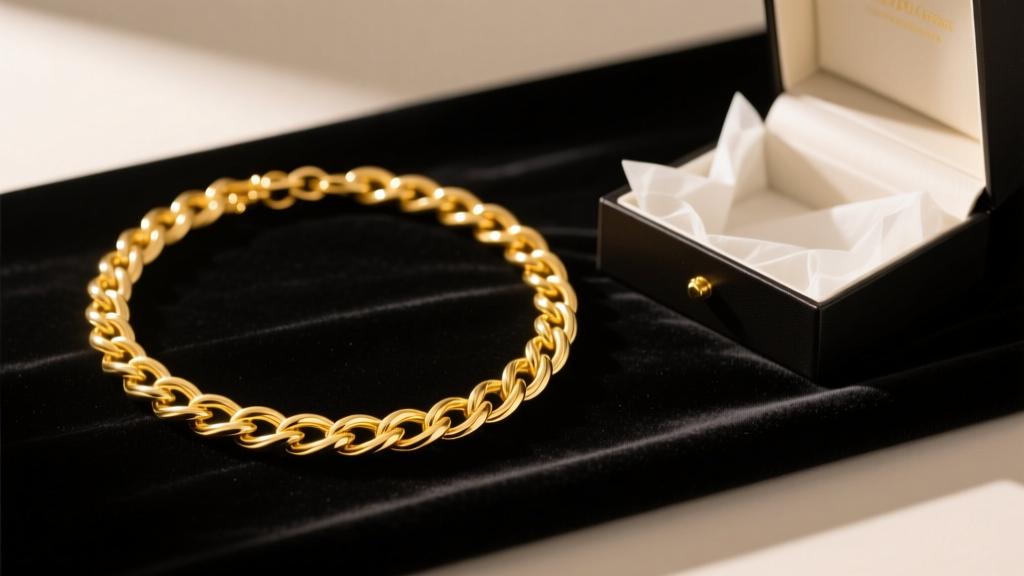
When shopping for a timeless, enduring gift, the most common question buyers ask is: how much is a gold necklace? In 2026, with precious metal markets experiencing dynamic shifts, the answer is no longer a simple flat rate. The cost of a gold necklace is a composite of raw material value, fabrication complexity, brand positioning, and the specific karat purity chosen. Whether you are celebrating a first anniversary, a milestone graduation, or a legacy wedding, understanding the financial anatomy of gold jewelry ensures you never overpay while securing a piece that perfectly matches the occasion.
The Anatomy of Gold Necklace Pricing in 2026
To accurately budget for a gold necklace, you must look beyond the display tag and understand the pricing formula used by reputable jewelers. The retail price is generally calculated as follows:
Retail Price = (Melt Value) + (Fabrication Premium) + (Retail Markup)
The melt value is dictated by the daily spot price of gold. According to Kitco's Live Gold Charts, spot prices in 2026 have maintained a strong baseline, meaning the raw material cost is significant. However, gold jewelry is never 100% pure; it is alloyed with metals like copper, zinc, or silver for durability. A 14k gold chain contains only 58.3% pure gold. Therefore, a 10-gram 14k chain contains roughly 5.83 grams of pure gold.
The fabrication premium covers the labor and machinery required to draw, link, and polish the chain. Intricate designs like rope or Byzantine chains command a much higher fabrication premium than simple cable or box chains, even if they weigh exactly the same. Finally, the retail markup covers the jeweler's overhead, branding, and warranty services, typically ranging from 30% to 150% above the wholesale cost.
Occasion-Based Gifting Guide & Price Tiers
Matching the weight, karat, and style of the necklace to the significance of the event is the hallmark of an expert gift-giver. Here is a breakdown of what to expect in 2026 across three primary gifting tiers.
1. Everyday Wear & First Anniversaries ($300 – $750)
For 'just because' gifts, Valentine's Day, or early anniversaries, the goal is versatility and comfort. You want a piece that can be worn daily without fear of damage or loss.
- Recommended Karat: 10k or 14k (offers superior scratch resistance).
- Weight Range: 2 to 5 grams.
- Chain Styles: Cable, Box, or Wheat chains (16 to 18 inches).
- Gifting Insight: A 14k solid gold box chain in the 3-gram range typically retails between $400 and $600. It is lightweight enough to layer with other pendants but durable enough to withstand daily friction against clothing.
2. Milestone Birthdays & Graduations ($750 – $2,500)
Significant milestones call for a necklace with noticeable presence and elevated craftsmanship. This tier introduces heavier weights and more complex link patterns.
- Recommended Karat: 14k or 18k (18k offers a richer, warmer yellow hue).
- Weight Range: 7 to 15 grams.
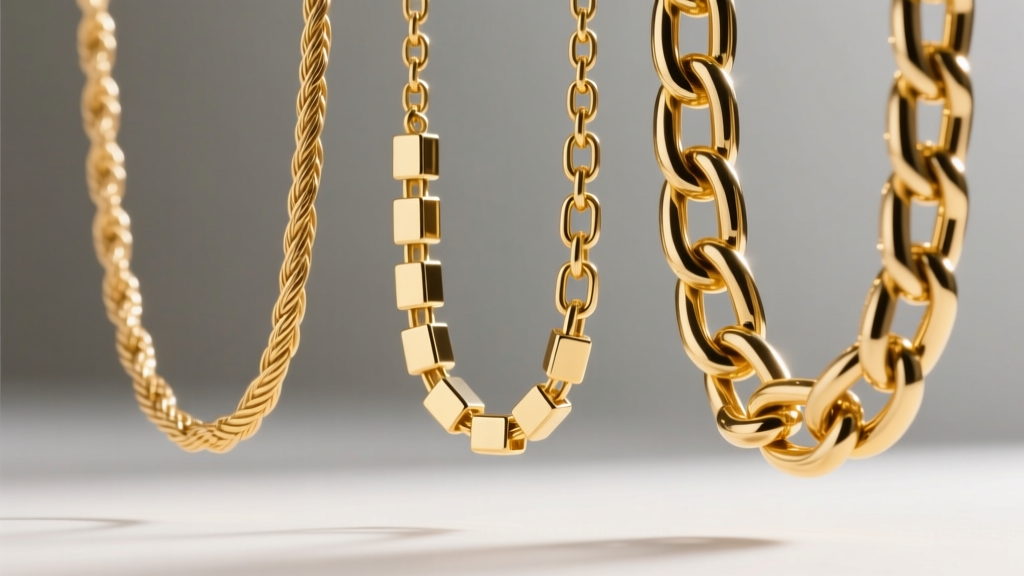
- Chain Styles: Rope, Figaro, or Curb chains (18 to 22 inches).
- Gifting Insight: A 10-gram 14k Figaro chain requires precise soldering for its alternating link pattern, pushing the price into the $1,200 to $1,800 range. This weight provides a satisfying drape and can easily support a medium-sized gemstone pendant or engraved medallion.
3. Weddings, Retirements & Legacy Heirlooms ($2,500 – $10,000+)
When the occasion demands a generational heirloom, the focus shifts to high purity, substantial weight, and artisanal construction. These pieces are often stored in safes and worn only for high-profile events.
- Recommended Karat: 18k, 22k, or 24k (prized for deep color and investment value).
- Weight Range: 20 to 50+ grams.
- Chain Styles: Solid Cuban Links, Hand-Forged Byzantine, or Custom Lockets.
- Gifting Insight: A 30-gram 18k solid Cuban link chain is a massive statement piece. Because 18k gold is softer, the links must be meticulously crafted to prevent stretching. Expect to pay anywhere from $4,500 to over $8,000, heavily dependent on the exact daily spot price and the artisan's reputation.
Gold Purity Matrix: Matching Karats to the Recipient
The Gemological Institute of America (GIA) notes that gold purity fundamentally alters both the color and the structural integrity of the metal. Use this matrix to select the right karat for your recipient's lifestyle.
| Karat | Purity % | Durability | Color Profile | Best Occasion |
|---|---|---|---|---|
| 10k | 41.7% | Very High | Pale Yellow / White | Active lifestyles, daily workwear, budget-conscious gifts. |
| 14k | 58.3% | High | Warm Yellow | Everyday luxury, anniversaries, milestone birthdays. |
| 18k | 75.0% | Moderate | Rich, Deep Yellow | Weddings, high-end pendants, luxury gifting. |
| 22k | 91.6% | Low | Intense Orange-Yellow | Cultural ceremonies, investment pieces, heirlooms. |
| 24k | 99.9% | Very Low | Bright Orange-Yellow | Investment bullion jewelry, strict traditional gifts. |
Hidden Cost Drivers: Hardware and Hallmarks
When evaluating how much a gold necklace is, buyers often overlook the hardware. The clasp is a critical failure point and a significant cost driver.
- Spring Ring Clasps: Standard on lightweight chains (under 5g). They are inexpensive but prone to breaking if snagged.
- Lobster Clasps: The industry standard for medium-weight chains. A solid 14k lobster clasp can add $40 to $80 to the manufacturing cost but provides vastly superior security.
- Box Clasps with Safety Latches: Mandatory for heavy chains (20g+). These intricate mechanisms can add $150+ to the final price but are essential for preventing catastrophic loss.
Furthermore, brand prestige plays a massive role. A 5-gram 18k gold chain from a luxury designer like Cartier or Tiffany & Co. will carry a brand markup of 300% to 500% compared to an identical chain from a reputable independent bullion or jewelry dealer. For pure gifting value, independent jewelers offer vastly superior weight-to-price ratios.
Authenticity Checks: Protecting Your Gift Investment
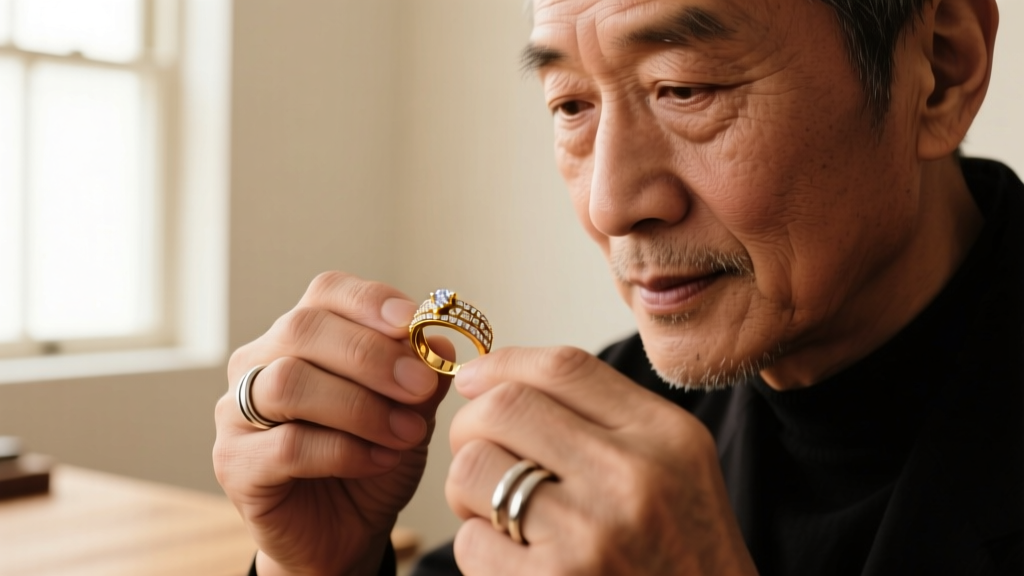
The Federal Trade Commission Jewelry Guides strictly regulate how gold purity can be advertised, but counterfeit stamping remains an issue in secondary markets. When purchasing a gold necklace as a gift, always verify the following:
- The Hallmark: Look for stamps like 10K, 14K, 18K, or their metric equivalents (417, 585, 750). This stamp is usually located on the clasp or the jump ring.
- The Maker's Mark: High-quality chains will also feature a tiny stamp indicating the manufacturer or designer, ensuring traceability.
- The Magnet Test: Pure gold is non-magnetic. If the chain links are attracted to a strong neodymium magnet, the core is likely a ferrous metal. (Note: The internal spring of a lobster clasp may be steel and slightly magnetic, which is normal).
- XRF Scanning: For high-ticket legacy gifts, ask the jeweler to perform an X-Ray Fluorescence (XRF) scan. This non-destructive test provides an exact elemental breakdown of the alloy in seconds.
Final Verdict: Budgeting for the Perfect Gold Gift
Ultimately, determining how much a gold necklace is depends entirely on the intersection of weight, purity, and craftsmanship. For a versatile, everyday gift, budget around $500 for a high-quality 14k piece that balances durability with timeless style. For milestone events, expect to invest between $1,000 and $2,500 to secure a heavier, more visually striking chain that serves as a true keepsake. By prioritizing gram weight and structural integrity over fleeting designer logos, you ensure your gift retains both its sentimental and intrinsic value for decades to come.


