How to Choose & Authenticate a Native American Animal Necklace
Learn how to authenticate, select, and style a genuine Native American animal necklace. Discover tribal hallmarks, silver grades, and spirit meanings.

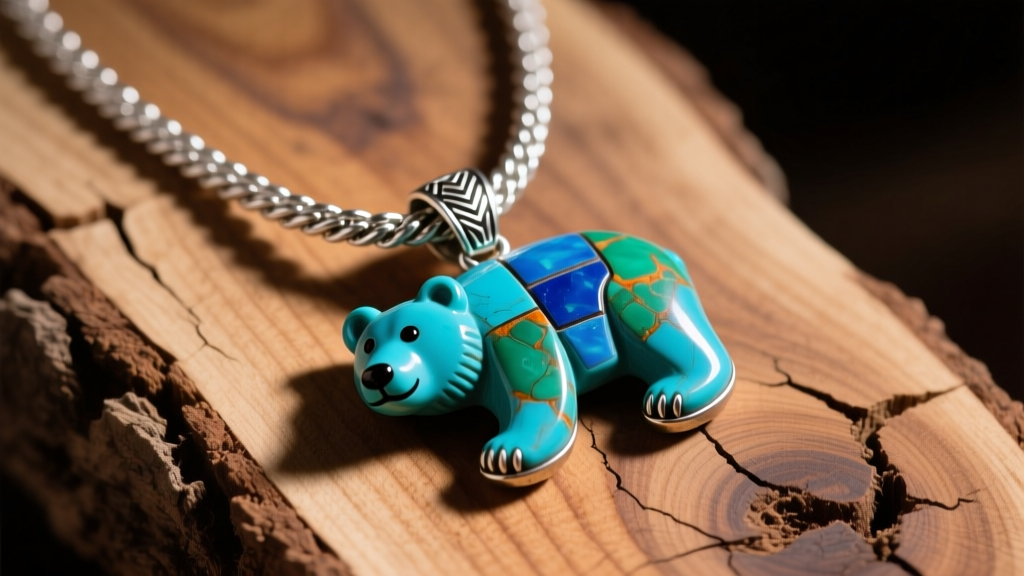
The market for indigenous jewelry is rich with history, artistry, and spiritual significance. However, as the popularity of Southwestern and indigenous fashion continues to surge, the market has unfortunately become saturated with mass-produced imitations. If you are looking to invest in a genuine native american animal necklace, navigating the nuances of tribal origins, material grades, and legal protections is essential. Whether you are drawn to the intricate stone inlay of the Zuni or the bold silver overlay of the Navajo, this step-by-step guide will teach you how to authenticate, select, and properly care for a piece that honors its cultural roots.
Step 1: Understanding Tribal Styles and Artistry
Before making a purchase, it is crucial to understand that 'Native American jewelry' is not a monolith. Different tribes have distinct, historically rooted styles, particularly when it comes to animal motifs. According to the Smithsonian National Museum of the American Indian, the two most prominent styles you will encounter in animal pendants are Navajo and Zuni.
Navajo Silver Overlay and Stamp Work
Navajo artisans are historically renowned for their silversmithing. A Navajo animal necklace often features heavy gauge sterling silver (.925) utilizing techniques like tufa casting, stamp work, or silver overlay. Animal motifs—such as eagles, bears, and wolves—are typically rendered in detailed silver relief or cut-out overlay, sometimes accented with a single, large cabochon of turquoise.
Zuni Fetish Carvings and Inlay
The Zuni tribe is world-renowned for two distinct techniques: stone inlay and fetish carving. A Zuni animal fetish necklace features small, hand-carved animal figures (fetishes) made from materials like turquoise, serpentine, jet, and antler. These are often strung together with tiny silver beads or heishi, or featured as a single, detailed pendant. Zuni channel inlay is another technique where precisely cut stones are set into silver channels to form animal shapes.
Step 2: Verifying Authenticity and Material Grades
The Indian Arts and Crafts Act of 1990 makes it illegal to misrepresent goods as being Native American-produced. To ensure your native american animal necklace is authentic, follow these verification steps:
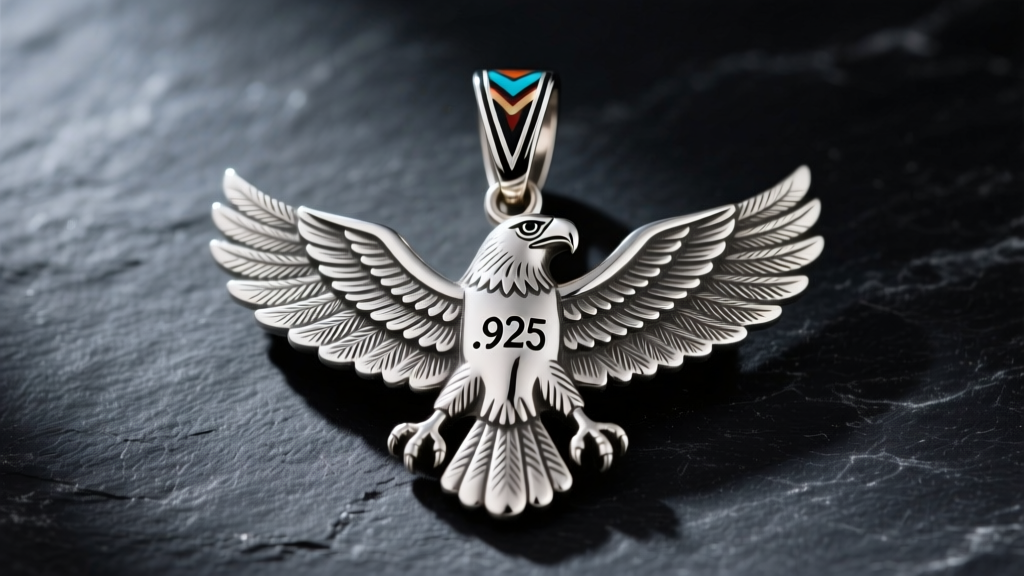
Inspect the Hallmarks and Stamps
Genuine sterling silver pieces will almost always be stamped with '.925' or 'Sterling'. More importantly, look for the artist's hallmark. Navajo and Zuni silversmiths typically stamp their initials, a unique symbol, or their full name on the back of the pendant. You can cross-reference these hallmarks using databases like the Native American Jewelry Hallmark Guide.
Evaluate the Turquoise
Turquoise is a staple in indigenous jewelry, but not all turquoise is created equal. The Gemological Institute of America (GIA) notes that natural, untreated turquoise is highly porous and rare. Many authentic modern pieces use 'stabilized' turquoise (treated with a clear epoxy to prevent crumbling), which is an accepted practice in Native American jewelry. However, you must avoid 'block' turquoise (dyed plastic or resin) and 'reconstituted' turquoise (turquoise dust mixed with glue). Authentic pieces will often specify the mine of origin, such as Kingman, Sleeping Beauty, or Royston.
Check the Weight and Craftsmanship
Authentic handcrafted silver pendants have a substantial weight. A genuine Navajo cast silver bear pendant will typically weigh between 15 and 35 grams. Inspect the edges; hand-stamped or hand-cut silver will have microscopic irregularities, whereas machine-stamped fakes will look perfectly uniform and lack depth.
Step 3: Decoding Animal Symbolism
In many Native American cultures, animals are viewed as spirit guides, each carrying specific medicine or power. Choosing the right animal motif is a deeply personal decision. Below is a guide to common animal spirits found in indigenous jewelry and their traditional associations.
| Animal Spirit | Traditional Meaning | Common Tribal Style | Average Authentic Price Range |
|---|---|---|---|
| Bear | Strength, healing, introspection, and protection. | Zuni Fetish (carved turquoise or antler) | $150 - $600 |
| Eagle | Vision, spiritual connection, courage, and wisdom. | Navajo Overlay (heavy sterling silver) | $250 - $850 |
| Wolf | Loyalty, pathfinding, family, and communication. | Navajo Stamp Work or Zuni Inlay | $180 - $500 |
| Turtle | Longevity, endurance, grounding, and Mother Earth. | Zuni Channel Inlay or Navajo Cast | $120 - $400 |
| Horse | Freedom, stamina, travel, and power. | Navajo Silver Overlay | $200 - $700 |
Step 4: Selecting the Right Chain and Length
A heavy, handcrafted native american animal necklace requires a chain that can support its weight without breaking or looking visually unbalanced. Pairing a 30-gram Zuni bear fetish with a flimsy 1mm chain is a recipe for a lost pendant. Here is how to match your chain to your pendant.
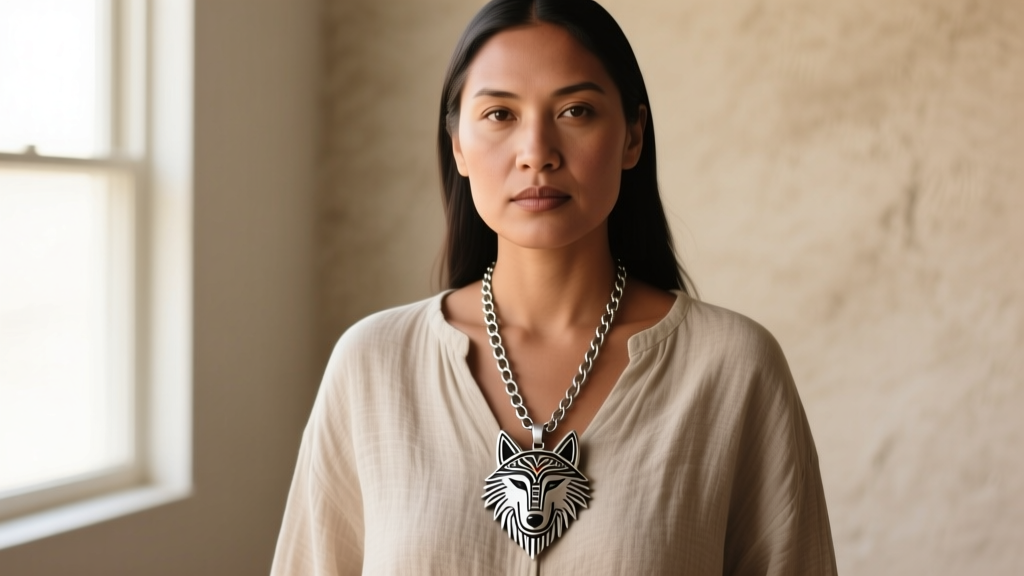
Chain Gauge and Style Recommendations
- Heavy Pendants (20g - 40g+): Opt for a 2.5mm to 3.5mm sterling silver rope chain or a thick liquid snake chain. These provide the tensile strength needed for large Navajo cast pieces or multi-strand Zuni fetish necklaces.
- Medium Pendants (10g - 20g): A 2.0mm box chain or a 2.0mm woven wheat chain offers excellent durability while maintaining a classic, understated look that lets the stone inlay shine.
- Lightweight Pendants (Under 10g): Delicate Zuni inlay pendants or small silver charms pair beautifully with a 1.2mm to 1.5mm cable or box chain.
Determining the Ideal Length
Southwestern pendants often look best when they sit lower on the chest. A 20-inch chain sits at the collarbone, which can make larger animal pendants feel choked. For most Native American animal necklaces, a 22-inch to 24-inch chain is the sweet spot, allowing the pendant to rest comfortably over a t-shirt or blouse while remaining highly visible.
Step 5: Proper Care and Maintenance
Authentic indigenous jewelry requires specific care to preserve both the silver and the organic or porous stones. Improper cleaning can permanently damage a valuable piece.
What to Avoid
Never use commercial silver dips, ultrasonic cleaners, or steam cleaners on a native american animal necklace. The harsh chemicals in dips will strip the intentional oxidation (antiquing) from Navajo stamp work, ruining the contrast. Ultrasonic vibrations can easily fracture natural turquoise, lapis lazuli, and coral.
The Safe Cleaning Method
- Polish the Silver: Use a dry, untreated microfiber polishing cloth to gently buff the sterling silver. Avoid rubbing the cloth directly over porous stones like turquoise or coral.
- Clean the Stones: If your turquoise or shell inlay becomes dull, wipe it gently with a barely damp, soft cotton cloth. Dry it immediately.
- Storage: Store your necklace in an anti-tarnish flannel bag. However, if your piece features natural, untreated turquoise, avoid storing it in extremely dry environments (like a safe with silica gel packets), as the stone can dehydrate and crack over time.
Where to Buy: Sourcing with Confidence
To guarantee you are supporting indigenous artists and purchasing authentic goods, buy directly from tribal artisans at recognized markets like the Santa Fe Indian Market, or from reputable galleries that provide a certificate of authenticity detailing the artist's name and tribal affiliation. The Indian Arts and Crafts Board provides resources and directories to help consumers identify legitimate Native American-owned businesses and certified artisans. By taking the time to authenticate and understand your native american animal necklace, you are not just buying a piece of jewelry; you are investing in a living, breathing tradition of indigenous artistry.


