How to Clean, Polish, and Care for a Heart Necklace
Learn how to properly clean, polish, and store a heart necklace. Expert tips for gold, silver, and gemstone pendants to keep your jewelry shining.

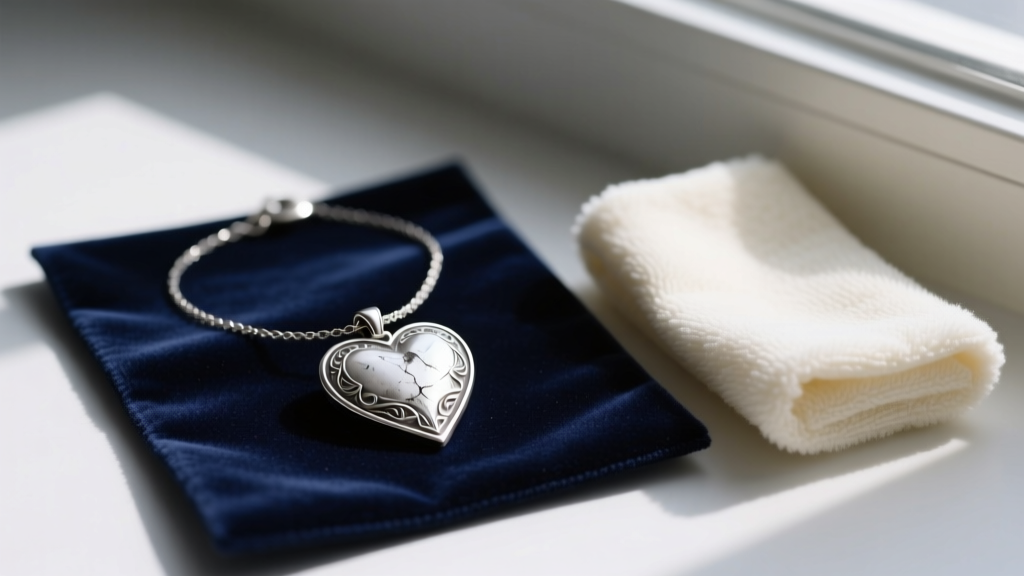
Owning a heart necklace often means holding onto a deeply sentimental piece of jewelry, whether it is an heirloom locket, a diamond-studded pendant, or a minimalist solid gold charm. Because these pieces rest directly against the skin, they are constantly exposed to sebum, environmental pollutants, and cosmetic residues. Over time, this exposure dulls the metal and obscures the brilliance of any inset gemstones. Proper maintenance is not just about aesthetics; it is about preserving the structural integrity of the bail, the chain, and the clasp. In this comprehensive guide, we break down the metallurgical and gemological science of jewelry care to help you maintain your pendant in pristine condition.
The Anatomy of Tarnish and Wear on Heart Pendants
Before applying any cleaning agents, it is crucial to understand why your jewelry degrades. Pure gold and platinum are highly unreactive, but the alloys used to create 14k and 18k gold (such as copper and zinc) are susceptible to oxidation. Sterling silver (92.5% silver, 7.5% copper) is particularly vulnerable to hydrogen sulfide in the atmosphere, which triggers a chemical reaction that forms silver sulfide—a dark, stubborn layer of tarnish.
Furthermore, the anatomy of a heart necklace presents unique cleaning challenges. The 'bail'—the loop that connects the heart pendant to the chain—experiences constant friction. The crevices of intricate milgrain detailing or the hinge of a heart-shaped locket easily trap dead skin cells, lotion, and dust, creating a hardened matrix that requires specific mechanical action to remove.
Material-Specific Cleaning Protocols
There is no universal jewelry cleaner. Using the wrong chemical solution can strip plating, fracture porous stones, or permanently discolor alloys. According to the Gemological Institute of America (GIA), matching your cleaning method to the specific material grade is the golden rule of jewelry maintenance.
Solid Gold and Gold Vermeil Heart Necklaces
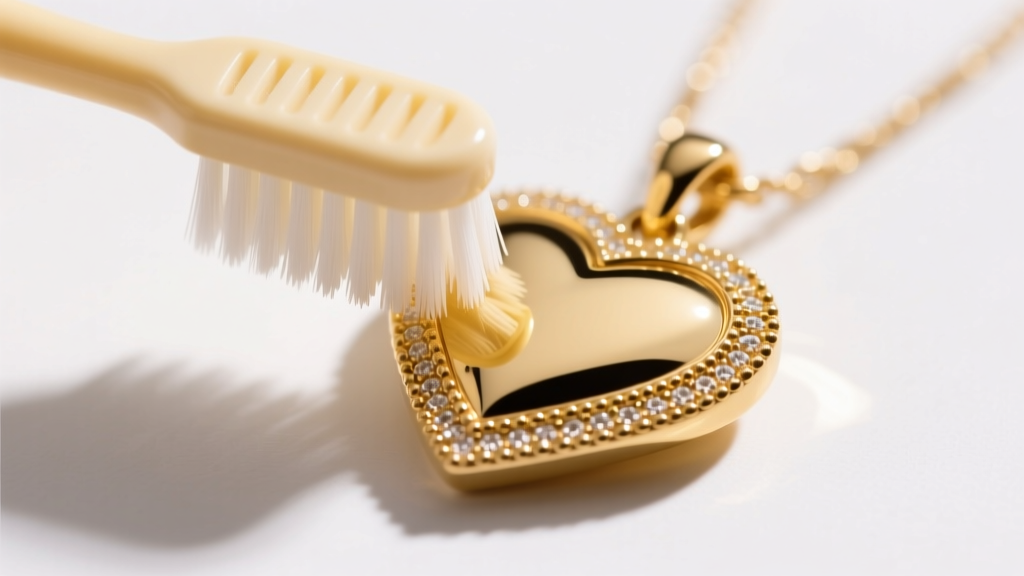
For solid gold and gold vermeil (a thick layer of gold over sterling silver), avoid any cleaners containing chlorine or harsh abrasives. Chlorine causes 'stress corrosion cracking' in gold alloys, which can lead to the sudden snapping of your chain or bail. Instead, use a lukewarm bath of distilled water and a few drops of mild, phosphate-free dish soap (like Dawn). Let the heart pendant soak for 15 minutes to break down oleophilic (oil-attracting) grime, then gently agitate with a soft-bristled baby toothbrush.
Sterling Silver and Rhodium Plating
If your silver heart necklace has lost its luster, avoid abrasive polishing pastes, which remove microscopic layers of metal. For heavy tarnish, utilize an electrochemical reduction bath: line a glass bowl with aluminum foil (shiny side up), add one tablespoon of baking soda and one tablespoon of non-iodized salt, and pour in boiling water. Submerge the silver pendant for 3 to 5 minutes. The sulfur atoms will transfer from the silver to the aluminum foil, reversing the tarnish without removing any base metal. Note: Never use this method on oxidized (intentionally blackened) silver details, as it will strip the antique finish.
Gemstone-Set Heart Pendants
Gemstones require care dictated by their Mohs hardness scale rating and porosity. Diamonds (Mohs 10) and sapphires (Mohs 9) are highly durable and can withstand ultrasonic cleaning and mild soapy baths. However, many vintage or bohemian heart necklaces feature pearls, opals, turquoise, or emeralds. These stones are highly porous or heavily fractured and treated with oils. Submerging them in water or exposing them to ultrasonic vibrations can cause catastrophic structural failure, clouding, or cracking. Clean these delicate stones only with a barely damp, lint-free microfiber cloth.
The Ultrasonic vs. Manual Cleaning Matrix
Ultrasonic cleaners use high-frequency sound waves to create microscopic cavitation bubbles that blast dirt from crevices. While highly effective for some pieces, they are dangerous for others. Use the matrix below to determine the safest approach for your specific heart necklace.
| Material / Stone | Ultrasonic Safe? | Recommended Manual Method | Primary Risk Factor |
|---|---|---|---|
| Solid Gold / Platinum (No Stones) | Yes | Warm soapy soak + soft brush | None |
| Diamond / Sapphire Heart Pendants | Yes | Warm soapy soak + soft brush | Loose prongs vibrating out of place |
| Sterling Silver (No Stones) | Yes | Aluminum foil electrochemical bath | Stripping of intentional oxidation |
| Pearl / Opal / Coral Inlays | No | Damp microfiber wipe only | Water absorption, cracking, delamination |
| Emerald / Turquoise Heart Stones | No | Dry, soft-bristled brush only | Fracture expansion, oil stripping |
Chain Maintenance: Preventing Tangling and Clasp Failure
The pendant is only half the equation; the chain and clasp require equal attention. The most common point of failure on a heart necklace is the jump ring connecting the clasp to the chain, or the bail loop rubbing against the chain links. Over time, friction can wear a hole through an unsoldered jump ring, resulting in the loss of the pendant.
Inspect the jump rings every six months. If you see a visible gap or thinning of the metal, take the necklace to a professional jeweler for laser soldering. Additionally, lobster clasps rely on a tiny internal steel spring. If the clasp becomes stiff, do not force it or apply WD-40, which contains solvents that attract abrasive dust. Instead, apply a microscopic drop of synthetic watch oil or mineral oil to the hinge mechanism using a sewing needle, then work the lever back and forth to distribute the lubricant. The Jewelers of America strongly recommends annual professional inspections for prong tightness and clasp integrity, especially for pieces worn daily.
Proper Storage Techniques to Prevent Scratching
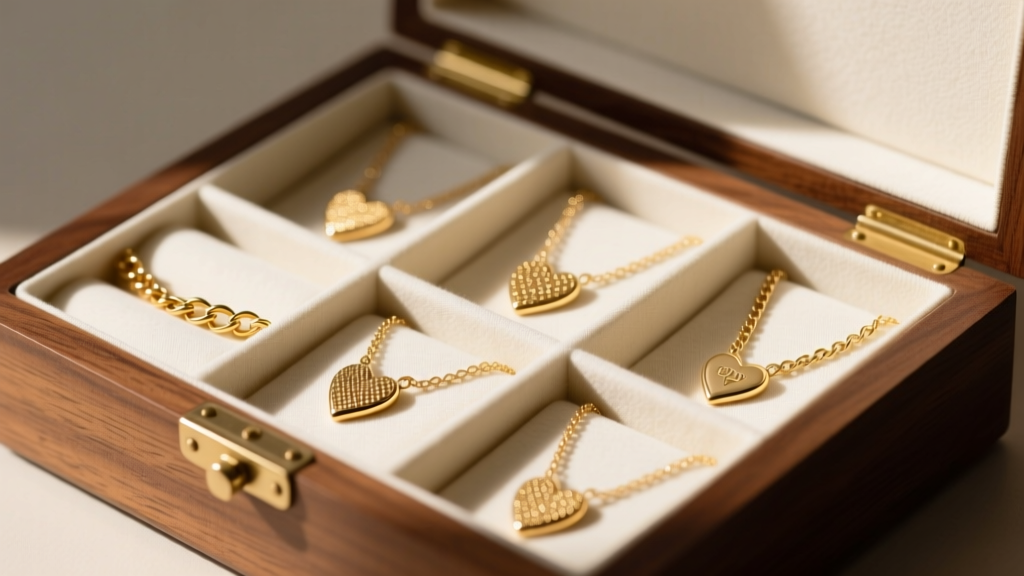
How you store your heart necklace when it is not being worn is just as critical as how you clean it. Tossing jewelry into a communal drawer guarantees micro-scratches, as harder metals and gemstones will easily abrade softer gold and silver surfaces. Furthermore, hanging a heavy solid gold or gemstone heart pendant on a delicate cable chain for long periods can cause 'creep deformation,' permanently stretching the chain links.
Expert Archival Tip: To completely halt the oxidation process for silver and low-karat gold heart necklaces, store them in airtight polyethylene ziplock bags alongside 3M anti-tarnish strips. These strips absorb ambient sulfur and hydrogen sulfide gases, keeping your jewelry bright for up to 12 months without the need for polishing.
Always lay chains flat or hang them vertically from a padded jewelry stand to prevent knotting. If you use a jewelry box, ensure the interior is lined with Pacific Silvercloth or a similar tarnish-inhibiting flannel. By combining scientifically sound cleaning methods with meticulous storage habits, your heart necklace will retain its structural integrity and emotional brilliance for generations to come.


