How to Clean a Necklace: Expert Guide for Trending Metals & Gems
Discover how to clean a necklace featuring trending mixed metals, oxidized finishes, and lab-grown gems without damaging delicate jewelry styles.

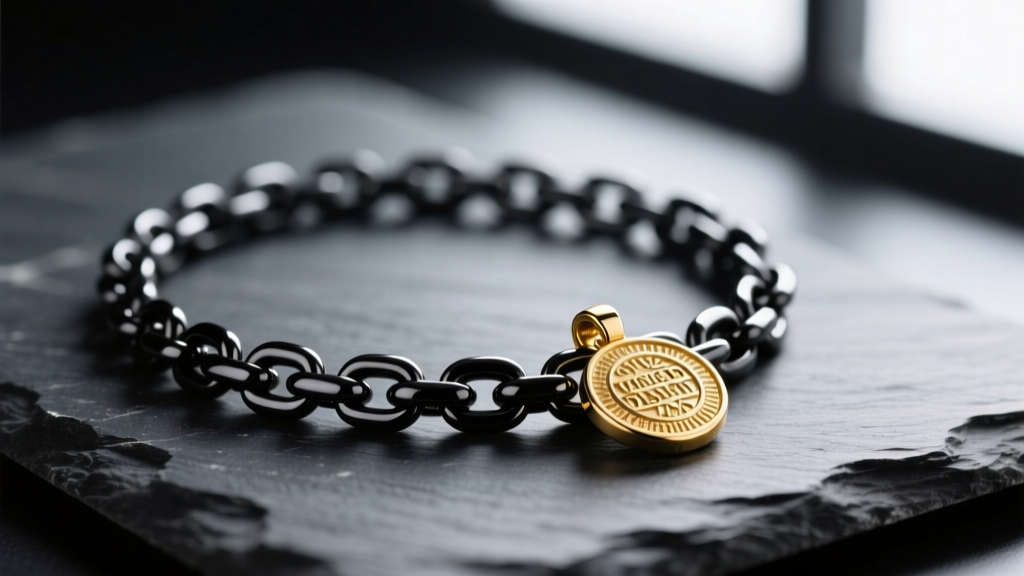
The landscape of necklace design has shifted dramatically. As we navigate the jewelry trends of 2026, the days of simple, uniform yellow gold cable chains are sharing the spotlight with complex, mixed-metal layering pieces, PVD-coated alternative finishes, and intricate oxidized sterling silver pendants. While these contemporary styles offer unparalleled aesthetic depth, they have fundamentally complicated the answer to a seemingly simple question: how to clean a necklace? The traditional baking soda and aluminum foil hacks of the past are now active hazards to modern jewelry finishes. Understanding the material science behind today's trending necklaces is the only way to maintain their brilliance without stripping their intentional patinas or delicate coatings.
The Evolution of Necklace Materials: Why Old Cleaning Methods Fail
To properly care for modern necklaces, we must first analyze the materials dominating current trend forecasts. Traditional electroplating is increasingly being replaced by Physical Vapor Deposition (PVD), a process that vaporizes titanium nitride or zirconium to create a molecular bond with the base metal. PVD coatings are up to ten times thicker and more durable than standard gold plating, offering exceptional resistance to sweat and friction. However, abrasive polishing cloths designed for solid gold will create micro-scratches in PVD layers, dulling the finish permanently.
Simultaneously, the FTC strictly regulates gold vermeil, requiring a minimum of 2.5 microns of gold over a sterling silver base. Many commercial silver dips contain thiourea, a highly toxic and corrosive chemical that strips away this precise micron layer in seconds. When figuring out how to clean a necklace made of vermeil or PVD-coated steel, you must abandon chemical stripping agents and rely on mechanical, non-abrasive cleaning protocols.
The Dirt Trap Factor: Cleaning Specific Chain Weaves
The structural design of a necklace chain dictates its vulnerability to environmental buildup. Skin oils, lotions, and airborne particulates do not accumulate evenly. A delicate rope chain requires a vastly different approach than a geometric box chain. According to the Jewelers of America, failing to address the specific crevices of complex weaves leads to accelerated localized tarnishing and link degradation.
| Chain Weave | Dirt Accumulation Profile | Recommended Cleaning Tool | Risk Level |
|---|---|---|---|
| Box Chain | Lotion and dead skin trap inside the hollow square links. | Soft interdental brushes (0.6mm) to push debris through. | Medium (Links can bend if forced) |
| Rope Chain | Sebum coats the twisted grooves, creating a dark, greasy film. | Extra-soft baby toothbrush (0.1mm bristles) with mild surfactant. | Low (Highly durable structure) |
| Snake Chain | Micro-gaps between smooth plates collect fine dust and cosmetics. | Microfiber cloth wrapped around a wooden toothpick for the edges. | High (Prone to kinking and snapping) |
| Cable Chain | Dirt gathers primarily at the soldered jump ring seams. | Standard soft-bristled brush and ultrasonic (if no gems are present). | Low (Simple, robust geometry) |
Oxidized Finishes and Intentional Patinas
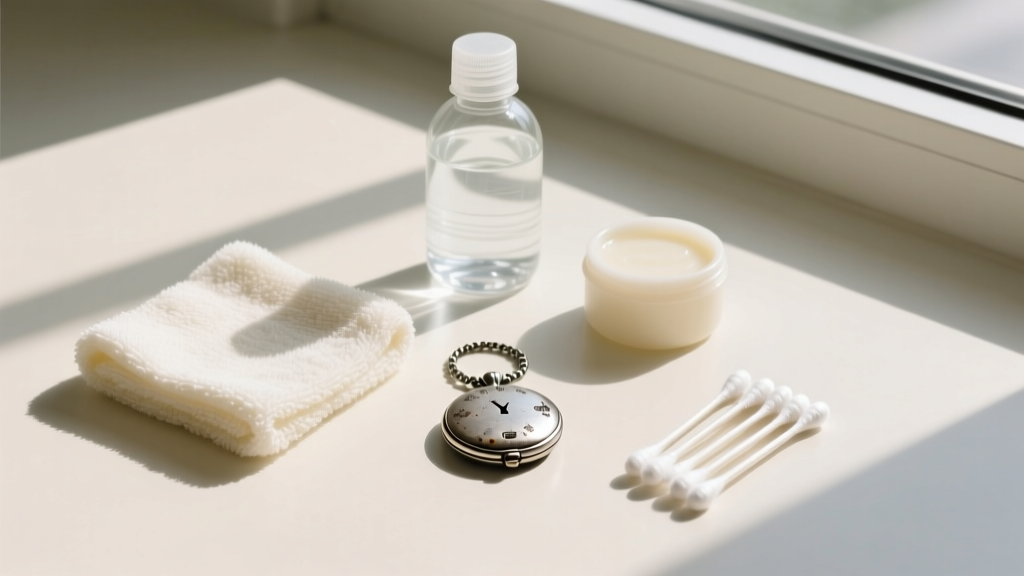
One of the most prominent pendant trends is oxidized sterling silver, where artisans intentionally expose the silver to sulfur compounds to create dark, antique-looking recesses that highlight intricate engravings. If you use a standard liquid silver cleaner on an oxidized locket or pendant, the chemical reaction will instantly strip the black oxidation, leaving you with a flat, overly bright, and ruined piece of jewelry.
The Expert Protocol for Oxidized Silver:
- Mix a few drops of phosphate-free dish soap (like Dawn) into a bowl of lukewarm distilled water.
- Dip a cotton swab (Q-tip) into the solution, squeezing out excess moisture.
- Gently roll the swab only over the raised, polished areas of the pendant, strictly avoiding the dark, recessed engravings.
- Rinse the swab in clean distilled water and wipe away any soap residue.
- Pat dry immediately with a lint-free microfiber cloth to prevent water spots.
Gemstone Accents: Navigating the Mohs Hardness Scale
Modern necklaces frequently feature a mix of lab-grown diamonds, porous opals, and delicate enamel work. The Gemological Institute of America (GIA) emphasizes that a gemstone's Mohs hardness and its toughness (resistance to breaking) are two entirely different metrics. A lab-grown diamond scores a 10 on the Mohs scale and can easily withstand an ultrasonic cleaner. However, an emerald (7.5-8) is heavily included and fractured, meaning the high-frequency vibrations of an ultrasonic machine will shatter it. Opals (5.5-6.5) contain up to 20% water; exposing them to heat or harsh chemicals will cause them to craze and crack.
Quick Gemstone Cleaning Matrix
- Lab-Grown Diamonds & Moissanite: Safe for ultrasonic cleaners, steamers, and mild ammonia solutions.
- Sapphires & Rubies: Safe for warm soapy water and soft brushing. Avoid ultrasonics if the stone is fracture-filled.
- Emeralds, Opals, & Pearls: Strictly wipe with a damp, untreated microfiber cloth. Never submerge.
Ultrasonic Cleaners: A Trend Analysis and Safety Guide
At-home ultrasonic jewelry cleaners have surged in popularity, marketed as a miracle solution for restoring sparkle. These devices use high-frequency sound waves (typically 40-45 kHz) to create microscopic cavitation bubbles in a liquid solution. When these bubbles collapse against the metal, they blast away microscopic dirt. While incredible for solid gold and platinum diamond tennis necklaces, they are catastrophic for layered necklaces featuring glued-in settings, hollow electroformed pendants, or any gemstone with a Mohs hardness below 7.
Furthermore, if your necklace features a PVD coating that has already sustained micro-fractures from daily wear, the intense acoustic vibrations of an ultrasonic cleaner can cause the coating to delaminate and peel off the base metal entirely.
Step-by-Step: The Safest Universal Cleaning Protocol
When you are unsure of the exact material grade or plating thickness of a trending mixed-metal necklace, rely on this universally safe, non-destructive cleaning method recommended by master jewelers:
- Preparation: Plug the sink drain or use a small glass bowl to prevent accidental loss of the necklace or detached clasps.
- The Solution: Combine 1 cup of lukewarm distilled water with 3 drops of mild, lotion-free dish soap. Avoid hot water, which can expand metal settings and loosen gemstone prongs.
- The Soak: Submerge the necklace for exactly 3 to 5 minutes. This allows the surfactants to break down the surface tension of skin oils without compromising chemical bonds.
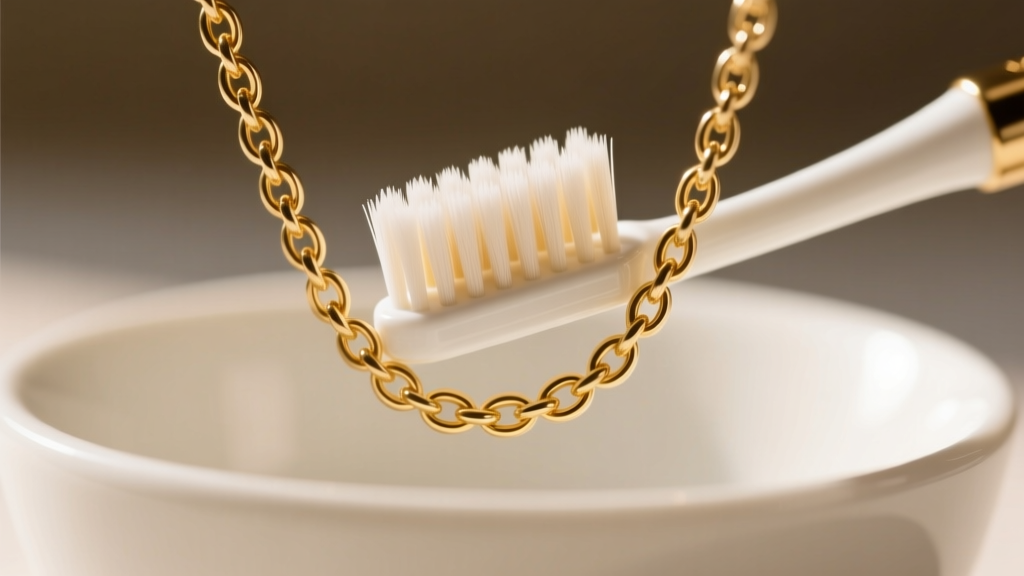
- Agitation: Using an extra-soft baby toothbrush, gently sweep the bristles across the chain links and pendant bails. Always brush in the direction of the metal grain to avoid micro-scratches.
- The Rinse: Rinse thoroughly under a gentle stream of cool distilled water. Tap water contains chlorine and minerals that can leave hard water spots on high-polish finishes.
- Drying: Lay the necklace flat on a clean microfiber towel. Use a hairdryer on the "cool" setting to blow water out of the tiny crevices of the clasp mechanism, preventing internal rust on the steel springs.
Pro Tips for Longevity and Storage
Cleaning is only half the battle; preventative storage is where true jewelry preservation happens. The sulfur in the air is what causes silver to tarnish, and the humidity in a bathroom accelerates the oxidation of brass and copper base metals. Store your layered necklaces individually in anti-tarnish ziplock bags infused with silver guard technology. Tossing a simple silica gel packet into your jewelry box will absorb ambient moisture, drastically reducing the frequency with which you need to clean your necklaces and ensuring your curated 2026 collection remains pristine for decades.


