How to Clean a Gold Necklace Chain: The Ultimate Step-by-Step Guide
Learn exactly how to clean a gold necklace chain at home. Our expert step-by-step guide covers 10k to 24k gold, removing tarnish, and safe drying.

The Science of Gold Tarnish and Buildup
Gold is renowned for its luster and resistance to corrosion, but the reality of daily wear means your favorite pieces are constantly exposed to environmental pollutants, sebum, dead skin cells, and cosmetic residues. Pure 24-karat gold does not tarnish. However, because pure gold is too malleable for durable jewelry, it is alloyed with metals like copper, silver, zinc, and nickel to create 10k, 14k, and 18k gold. According to the Gemological Institute of America (GIA), it is these alloyed metals that react with sulfur and oxygen in the environment, leading to the dull, darkened film we recognize as tarnish.
Furthermore, the intricate geometry of chain links—especially in styles like rope, Cuban, or popcorn chains—creates microscopic crevices where lotions and oils accumulate. Understanding how to clean a gold necklace chain properly requires addressing both the chemical oxidation of the alloys and the physical removal of trapped organic debris without scratching the metal's surface.
What You Need: The Safe Cleaning Kit
Before you begin, gather the correct tools. Using harsh chemicals or abrasive materials is the fastest way to permanently ruin a gold chain's finish.
- Mild Dish Soap: A phosphate-free, pH-neutral dish soap (like Dawn Original) is ideal. Avoid soaps with heavy moisturizers or citrus extracts, as the acids can degrade lower-karat alloys over time.
- Distilled Water: Tap water contains chlorine and hard minerals like calcium that can leave microscopic spots or cause stress corrosion cracking in gold alloys.
- Extra-Soft Baby Toothbrush: Look for bristles rated at 0.1mm or softer. Standard adult toothbrushes are far too abrasive and will leave micro-scratches on high-polish gold.
- Lint-Free Microfiber Cloth: For the final buffing stage.
- Wooden Toothpicks: For dislodging stubborn grime from the clasp and jump rings.
Ingredients to Strictly Avoid
Never use toothpaste, baking soda, or bleach. Toothpaste contains hydrated silica, an abrasive that will permanently dull the gold. Baking soda is highly alkaline and can cause pitting in 10k gold. Chlorine bleach is the ultimate enemy of gold jewelry; it attacks the alloy metals, leading to structural failure and a condition known as stress corrosion cracking, which can cause your chain to snap unexpectedly.
Step-by-Step: How to Clean a Gold Necklace Chain
Follow this exact protocol to restore your chain's original brilliance safely.
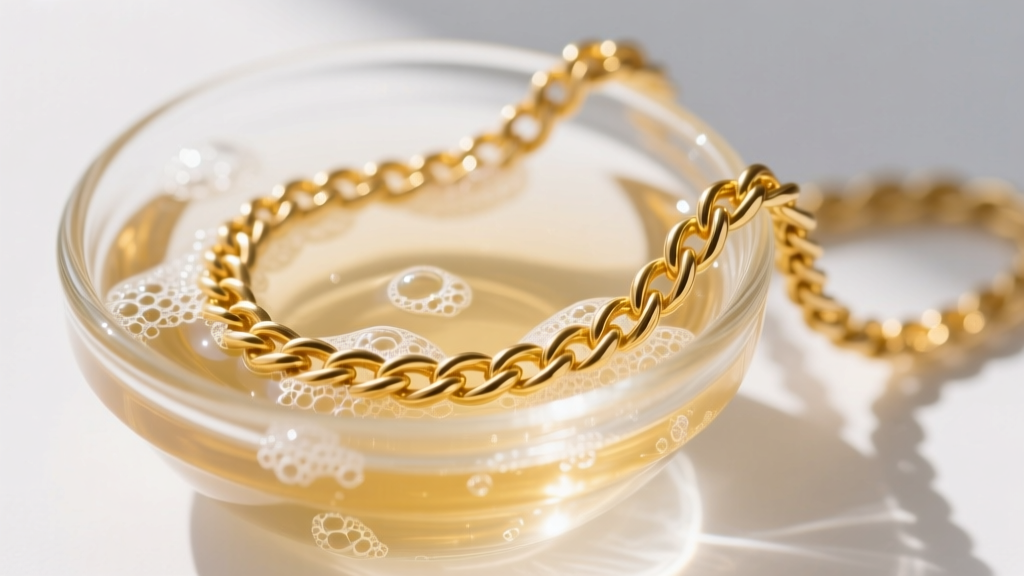
- Prepare the Solution: Fill a small glass or ceramic bowl with lukewarm distilled water (ideally between 85°F and 95°F). Add exactly three to four drops of your mild dish soap and stir gently to create suds. Avoid using plastic bowls, as they can harbor microscopic scratches that trap old polishing compounds or harsh chemicals from previous cleanings.
- The Soak: Submerge the gold necklace chain completely in the solution. Let it soak for 15 to 20 minutes. This window is crucial; it gives the surfactants in the soap enough time to break down the lipid bonds of skin oils and lotions without compromising the metal. If your chain features porous gemstones like pearls, opals, or turquoise, skip the soak entirely and proceed to spot cleaning.
- Gentle Agitation: Swish the chain gently through the water. Do not pull or stretch the chain while it is wet, as gold becomes slightly more susceptible to stretching when lubricated and weighed down by water.
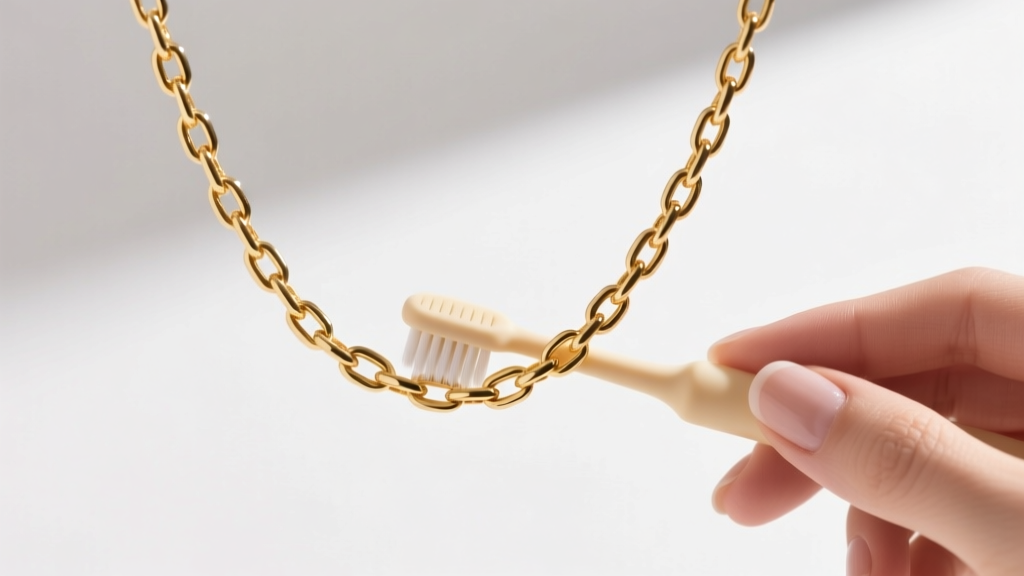
- Targeted Brushing: Remove the chain from the bowl and lay it flat on a clean microfiber towel. Dip your extra-soft baby toothbrush into the soapy water and gently brush along the links. Focus heavily on the interlocking joints, the interior of rope twists, and the crevices of Cuban links. Always brush in the direction of the chain's pattern to avoid snagging.
- The Clasp Detail: The lobster claw or spring ring clasp, along with the soldered jump rings, traps the most dirt. Use a wooden toothpick to carefully scrape out the compacted grime from inside the clasp mechanism. Never use metal needles or safety pins, as they will scratch the gold and potentially bend the tiny internal spring.
Rinsing, Drying, and Polishing Techniques
The rinsing and drying phases are just as critical as the washing phase. Improper drying can lead to water spots or hidden moisture that degrades the chain over time.
Rinsing: Rinse the chain thoroughly under a gentle stream of lukewarm distilled water. Ensure all soap residue is completely washed away, as dried soap will leave a dull, cloudy film on the gold.
Drying Hollow Chains: If you are cleaning a hollow chain (such as a hollow Cuban or popcorn chain), water will inevitably get trapped inside the links. After patting the exterior dry with a microfiber cloth, use a hair dryer on the cool setting to blow air through the links. Never use heat, as rapid thermal expansion can weaken the solder points on the links.
Polishing: Once the chain is 100% dry, use a fresh, clean section of your microfiber cloth to buff the gold. Use long, sweeping motions rather than circular ones to maintain the uniform directional polish of the metal. According to the Jewelers of America, regular gentle buffing with a microfiber cloth is often all that is needed to maintain a high shine between deep cleanings.
Karat Comparison: Cleaning Nuances by Purity
Not all gold chains are created equal. The karat weight dictates the alloy composition, which in turn dictates how the chain reacts to cleaning agents and environmental factors.
| Gold Karat | Gold Purity | Common Alloys | Tarnish Risk | Cleaning Frequency |
|---|---|---|---|---|
| 10k Gold | 41.7% | Copper, Silver, Zinc, Nickel | High (Prone to dark oxidation) | Every 2-3 weeks |
| 14k Gold | 58.3% | Copper, Silver | Moderate (Occasional dulling) | Monthly |
| 18k Gold | 75.0% | Copper, Silver, Palladium | Low (Rarely tarnishes) | Every 2-3 months |
| 24k Gold | 99.9% | None (Pure Gold) | None (Will not tarnish) | As needed for oils |
As the table illustrates, lower-karat gold requires more frequent maintenance due to the higher presence of reactive base metals. Conversely, 24k gold will never oxidize, but its extreme softness means it is highly susceptible to physical scratching during the brushing phase. When cleaning 24k gold, rely entirely on the soaking and swishing steps, minimizing brush contact.
Expert Troubleshooting and Warning Signs
Sometimes, standard cleaning isn't enough. Here is how to diagnose and address specific issues that affect gold chains:
- White or Grey Spots: If your gold chain develops white patches, it has likely been exposed to mercury (often found in older thermometers, certain fluorescent bulbs, or some industrial environments). Mercury forms an amalgam with gold. This cannot be cleaned at home; a professional jeweler must use a specialized torch to vaporize the mercury safely.
- Black Marks at the Links: Dark spots specifically located at the connection points of the links are usually oxidized solder. Solder used to close the links often has a lower karat than the chain itself to ensure a lower melting point. A jeweler can polish these specific points without removing gold from the rest of the chain.
- Pinkish Hue on Yellow Gold: If a yellow gold chain starts looking slightly pink or coppery, it has been exposed to harsh chemicals that have stripped the surface rhodium or depleted the zinc and silver alloys near the surface, leaving the copper dominant. This requires professional re-polishing and potentially re-alloying or rhodium plating by a master jeweler.
Long-Term Storage and Maintenance
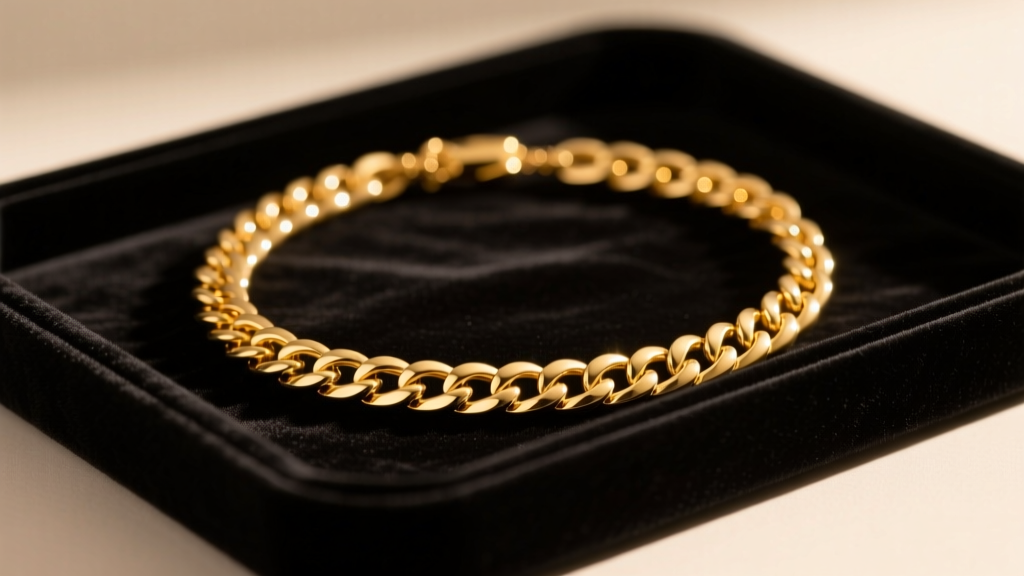
How you store your chain directly impacts how often you need to clean it. Never toss a gold necklace into a communal jewelry box where it can tangle and scratch against harder gemstones like diamonds or sapphires. Store the chain flat or hang it vertically in a climate-controlled environment. Use anti-tarnish strips (which absorb atmospheric sulfur) inside your jewelry box or ziplock bags. By minimizing exposure to humidity and sulfur, you can extend the time between deep cleanings and preserve the structural integrity of your gold necklace chain for decades.


