Wire Name Necklace Trends: 2026 Style & Layering Guide
Explore 2026 wire name necklace trends, from optimal wire gauges and metal grades to advanced layering techniques and typography styles.

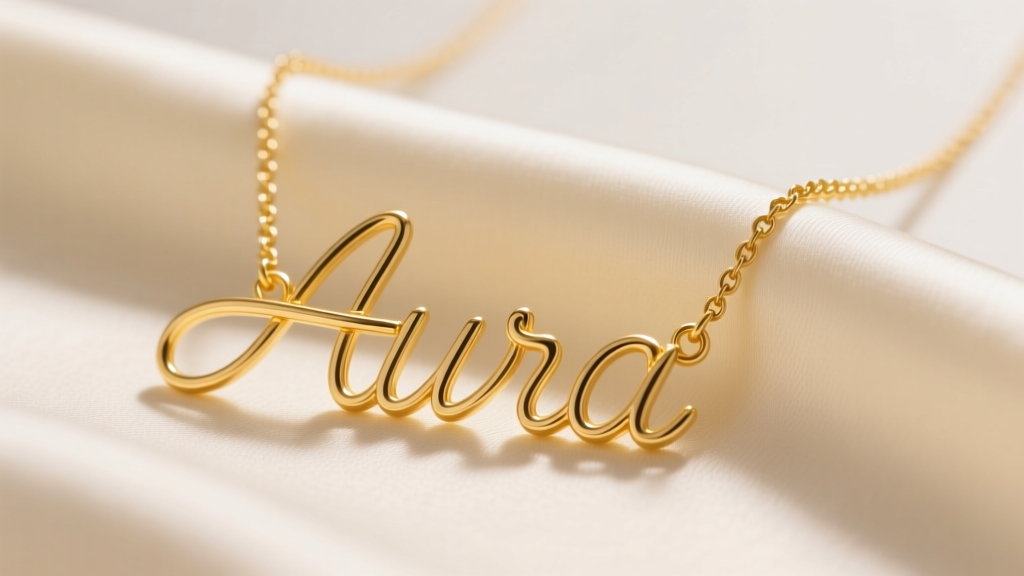
The Evolution: From Y2K Nostalgia to 2026 Minimalism
The wire name necklace has undergone a radical transformation. While the early 2000s popularized chunky, oversized cursive scripts heavily influenced by pop culture and television, the 2026 jewelry landscape demands a completely different aesthetic. Today’s collectors and style enthusiasts are gravitating toward architectural precision, micro-typography, and structural integrity. The modern wire name necklace is no longer just a nostalgic statement piece; it is a sophisticated, bespoke element of a curated layering stack. According to trend forecasts highlighted by Vogue, personalized jewelry has shifted from loud, logo-centric designs to intimate, subtle expressions of identity that prioritize craftsmanship over sheer size.
This shift has fundamentally changed how jewelers approach custom wire bending. The focus is now on negative space, continuous line art, and seamless integration with complementary chains. In this comprehensive guide, we break down the metallurgy, typography trends, and structural frameworks you need to know to master the wire name necklace in 2026.
Wire Gauges and Metallurgy: The Science of Durability
The most critical factor in the longevity and aesthetic of a wire name necklace is the intersection of wire gauge and metal alloy. A beautifully designed script will quickly become unwearable if the tensile strength of the metal cannot support its own geometry.
The Gauge Breakdown
- 18-Gauge (1.02mm): The gold standard for structural integrity. If your name or word exceeds six characters, or features wide loops (like 'g', 'y', or 'f'), 18-gauge wire is mandatory. It provides enough rigidity to prevent the letters from folding onto themselves during daily wear.
- 20-Gauge (0.81mm): Ideal for minimalist, shorter names (3-5 letters) and ultra-fine sans-serif fonts. It offers a delicate, barely-there aesthetic but requires careful handling to avoid bending.
- 22-Gauge (0.64mm) and below: Generally discouraged for continuous wire scripts. While it looks incredibly dainty, it lacks the yield strength to survive the friction and pulling of everyday wear, leading to rapid deformation.
Alloy Selection and Work Hardening
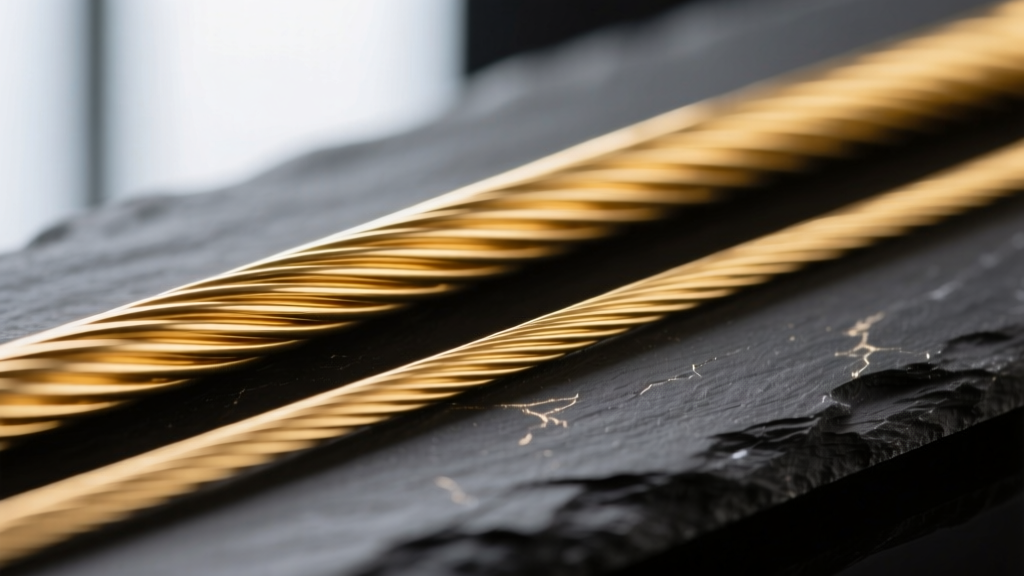
When commissioning or purchasing a solid gold wire name necklace, 14k gold (58.5% purity) is vastly superior to 18k gold (75% purity) for this specific application. The higher copper, silver, and zinc content in 14k gold increases its tensile strength and hardness. Furthermore, the process of bending the wire into letters induces work hardening—a metallurgical phenomenon where the metal becomes harder and more brittle as it is deformed. Expert jewelers will strategically anneal (heat and cool) the wire at sharp corners to prevent micro-fractures, a technique that separates high-end bespoke pieces from mass-market alternatives. For those on a budget, heavy gold vermeil (a minimum of 2.5 microns of gold over a 925 sterling silver core) is acceptable, though the softer silver core makes it more prone to bending than solid 14k gold.
2026 Typography Trends: Beyond the Cursive Script
The traditional looping cursive script is taking a backseat to more modern, editorial typefaces. Industry leaders tracking jewelry design, such as JCK Online, note a massive surge in demand for the following typography styles:
- Brutalist Sans-Serif: Sharp, angular, and entirely lowercase. This style relies on straight lines and harsh 90-degree angles, giving the necklace a modern, almost industrial edge.
- Typewriter / Monospaced: Evoking a vintage, literary feel, monospaced fonts ensure every letter occupies the exact same horizontal space, creating a perfectly balanced, symmetrical pendant.
- Continuous Line Art: Instead of traditional letterforms, the wire forms abstract, continuous loops that only vaguely suggest the letters, prioritizing the flow of the metal over strict legibility.
The Art of the Layer: A Structural Framework
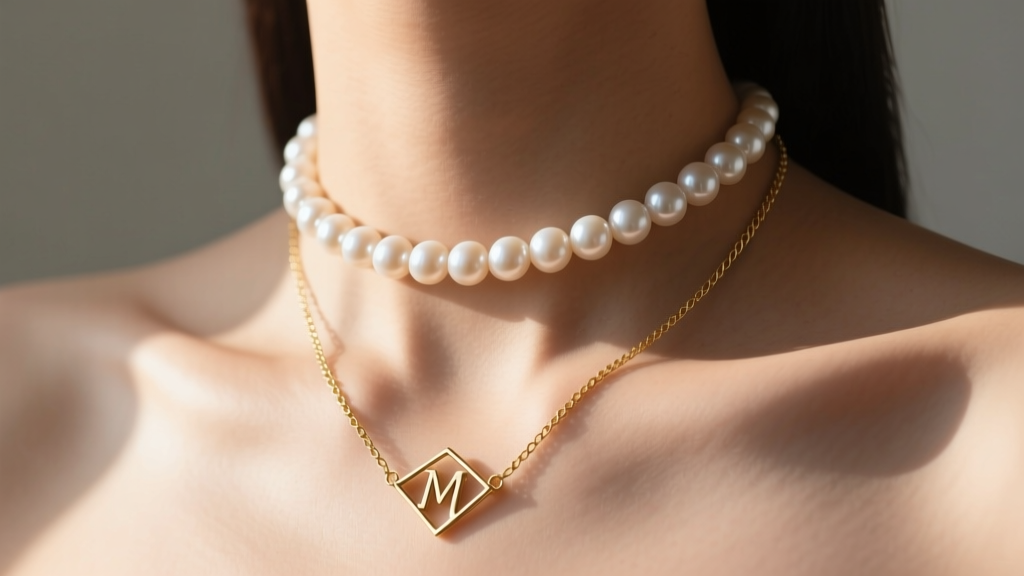
A wire name necklace rarely sits alone in 2026. The contemporary approach involves integrating the personalized piece into a multi-strand stack. However, because wire scripts have irregular, jagged edges and protruding loops, they are notorious for tangling with adjacent chains. To prevent this, you must adhere to the Two-Inch Separation Rule.
The wire name pendant should always act as the anchor piece (usually sitting at the collarbone or just below). The chains layered above and below it must be separated by at least two inches to prevent the clasps and links from catching on the wire lettering.
| Layer Position | Recommended Length | Chain Style | Purpose in Stack |
|---|---|---|---|
| Top (Base) | 14" - 15" | 1.5mm Snake Chain or Pearl Choker | Provides a clean, unbroken visual line above the pendant. |
| Middle (Anchor) | 16" - 18" | Delicate Cable or Box Chain | Holds the wire name necklace; keeps the script centered. |
| Bottom (Extension) | 20" - 22" | Paperclip or Figaro Chain | Adds weight and draws the eye downward, framing the neckline. |
Common Failure Modes and Maintenance
Even the most carefully crafted wire name necklace is subject to specific physical stressors. Understanding these failure modes will help you maintain your piece for decades.
Expert Insight: 'The most common point of failure on a custom wire script isn't the lettering itself, but the jump ring attachments. Because the script is rigid, any lateral twisting force is transferred directly to the solder joints where the jump rings meet the first and last letters.' — Master Bench Jeweler
Troubleshooting and Prevention
- Jump Ring Soldering: Ensure your jeweler uses laser welding or high-karat solder to close the jump rings. Open (unsoldered) jump rings will inevitably pull apart under the weight of the wire script.
- Snagging on Textiles: The terminal ends of the wire (the start of the first letter and the end of the last letter) must be filed completely flush and polished. If the wire name necklace catches on silk or knitwear, do not pull. Unhook the clasp immediately to release the tension.
- Ultrasonic Cleaning Warnings: Never place a wire name necklace in an ultrasonic cleaner if it features bezel-set micro-pavé accents within the lettering. The high-frequency vibrations can easily loosen the adhesive or prongs on these delicate additions. Stick to warm water, mild dish soap, and a soft baby toothbrush.
Pricing and Sourcing in 2026
The cost of a high-quality wire name necklace varies wildly based on the artisan's expertise and the raw material market. In 2026, expect to pay between $180 and $350 for a custom 14k solid gold script (up to 8 letters) from a reputable independent jeweler. Mass-market retailers may offer similar designs in gold vermeil or plated brass for $60 to $120, but these will lack the structural annealing and precise jump-ring soldering required for lifelong wear. When investing in personalized jewelry, always prioritize the bench jeweler's technical skill over the brand name, as the structural integrity of the wire bends is what truly dictates the piece's value and longevity.


