How to Layer and Style Your Infinity and Cross Necklace
Master the art of layering your infinity and cross necklace. Follow our step-by-step guide on chain lengths, metal grades, and neckline pairing.


The infinity and cross necklace is a profound symbol of eternal faith and boundless love, merging two of the most iconic motifs in jewelry history into a single, cohesive pendant. As we navigate 2026's shift towards intentional, meaningful jewelry curation, this specific design has transcended its traditional roots to become a versatile staple in modern layering stacks. However, styling a pendant with such distinct geometric and spiritual weight requires more than just throwing it on with a random chain. To truly elevate your look, you must understand metal grades, chain proportions, and the physics of layering to prevent tangling.
This comprehensive, step-by-step guide will walk you through the exact methodology for selecting, sizing, and layering your infinity and cross necklace to suit any neckline, occasion, or personal aesthetic.
Step 1: Selecting the Right Metal Grade and Finish
Before you begin layering, you must evaluate the material integrity of your pendant. The market is flooded with misleading terminology, and understanding the exact metallurgical standards will save you from premature tarnishing and skin irritation.
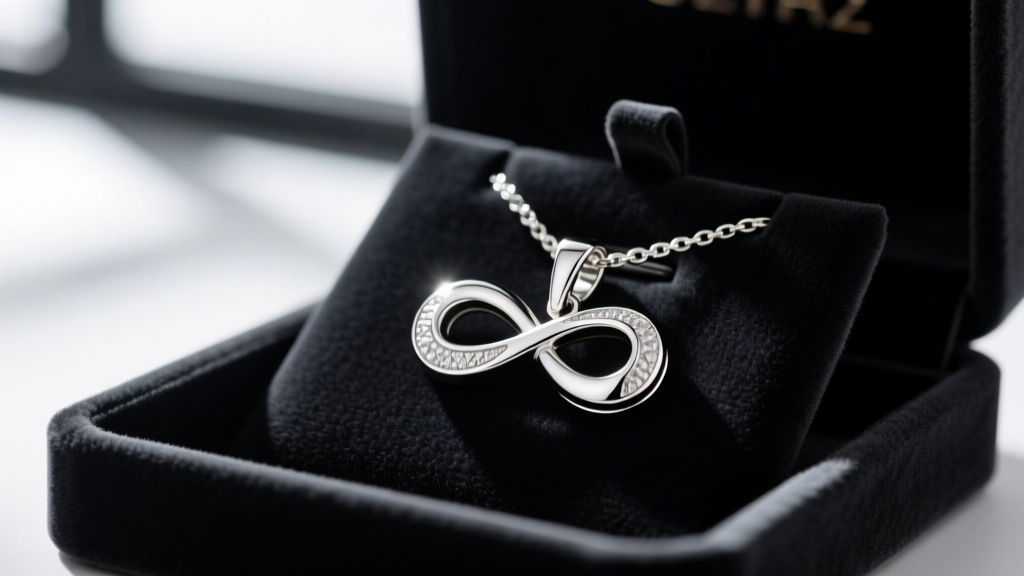
- 925 Sterling Silver with Rhodium Plating: The most accessible entry point. Pure silver is too soft for intricate infinity loops, so it is alloyed with 7.5% copper. To prevent the copper from oxidizing (tarnishing), high-quality pieces are flashed with rhodium. Expect to pay between $35 and $85. This is ideal for cool-toned layering stacks.
- 14k Gold Vermeil (The FTC Standard): Many brands sell 'gold-plated' jewelry that wears off in weeks. True vermeil requires a sterling silver base coated with a minimum of 2.5 microns of 10k, 14k, or 18k gold. According to the Federal Trade Commission's Jewelry Guides, anything less than 2.5 microns is merely gold electroplate. A high-quality 14k vermeil infinity and cross necklace will range from $60 to $120 and offers excellent longevity if kept dry.
- Solid 14k or 18k Gold: For daily wearers who never remove their jewelry, solid gold is non-negotiable. 14k gold (58.5% pure gold) offers the perfect balance of rich color and tensile strength to support the weight of a cross pendant without the chain stretching. Prices for solid 14k pendants typically start at $250 and can exceed $600 depending on gram weight.
Step 2: Calibrating Chain Length to Your Neckline
The visual impact of an infinity and cross pendant changes drastically depending on where it rests on the décolletage. A pendant that measures 18mm by 25mm will look delicate on a 16-inch choker chain but may appear lost on a 24-inch rope chain. Use the following framework to match your chain length to your wardrobe's most common necklines.
| Neckline Type | Ideal Chain Length | Pendant Placement & Effect |
|---|---|---|
| Crew Neck / T-Shirt | 18 inches | Rests just below the collarbone; frames the face and sits perfectly over the fabric hem. |
| V-Neck / Wrap Dress | 20 to 22 inches | Mimics the V-shape of the garment; the cross acts as a focal point drawing the eye downward. |
| Button-Down (Unbuttoned) | 24 inches | Creates a long, slimming vertical line; ideal for a bohemian or relaxed weekend aesthetic. |
| Scoop Neck / Blouse | 16 to 18 inches | Sits snugly in the hollow of the throat; offers a classic, traditional, and elegant silhouette. |
Step 3: Executing the 3-Chain Layering Formula
Layering an infinity and cross necklace with other chains is a masterclass in visual texture, but it comes with a notorious caveat: tangling. When chains of similar widths and lengths rub against each other, the links catch. To prevent this, jewelry stylists use the 'Rule of Varied Proportions'. Here is the exact step-by-step formula for a flawless, tangle-resistant 3-piece stack.
1. The Base Layer (14 to 16 Inches)
Start with a delicate, lightweight chain that sits high on the collarbone. A 1.0mm to 1.2mm cable chain or a tiny 1.5mm bead chain works best. This layer should feature a micro-pavé diamond solitaire or a simple 3mm gold sphere. It provides a subtle sparkle that contrasts with the solid metal of your main pendant.
2. The Anchor Layer (18 to 20 Inches)
This is where your infinity and cross necklace lives. To ensure it stands out, the chain holding this pendant must be structurally distinct from the others. If your base layer is a round cable chain, use a 1.5mm to 2.0mm box chain or a flattened curb chain for the anchor. The angular links of a box chain reflect light differently and physically resist wrapping around round links.
3. The Extension Layer (22 to 24 Inches)
The final chain should be the thickest, acting as a framing device for the entire stack. Opt for a 2.5mm to 3.0mm rope chain or a paperclip chain. Leave this chain bare, or attach a simple, smooth metal bar pendant that sits horizontally, contrasting the verticality of the cross.
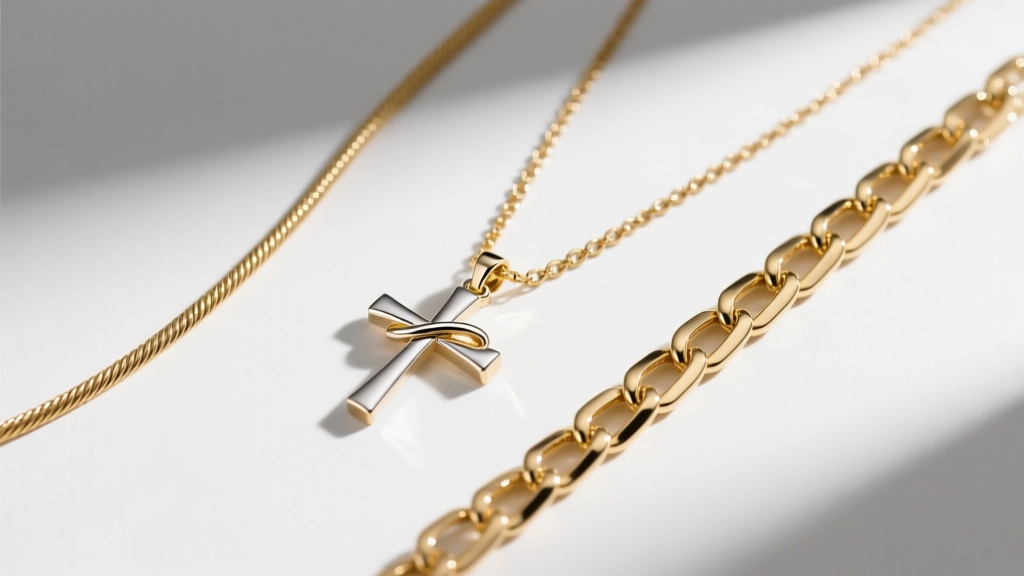
Pro-Tip for Tangle Prevention: If you prefer wearing multiple chains of the exact same length (e.g., all at 18 inches for a chunky, unified look), you must use a multi-strand clasp or a silicone chain separator. These inexpensive tools anchor the chains at the nape of the neck, maintaining a strict 2-inch spacing between the pendants at the front.
Step 4: Balancing Pendant Proportions and Bail Sizing
The bail—the loop at the top of the pendant that threads onto the chain—is often overlooked but is critical for both aesthetics and functionality. An infinity and cross pendant is typically top-heavy due to the horizontal infinity loop extending past the vertical crossbar.
If the bail is too small (e.g., 2mm inner diameter), the pendant will constantly flip backward, hiding the design against your skin. Look for pendants with a reinforced, oversized bail measuring at least 4mm by 6mm. This allows the pendant to glide freely along the chain and naturally right itself due to gravity. Furthermore, ensure the visual weight of the pendant matches the chain. A heavy, 5-gram solid gold cross will stretch a flimsy 0.8mm chain, causing permanent deformation to the links. Always maintain a weight ratio where the chain's gram weight is at least 60% of the pendant's weight.
Step 5: Daily Maintenance and Tarnish Prevention
Because the infinity and cross design features intricate crevices where the two symbols intersect, it is highly susceptible to trapping lotions, perfumes, and dead skin cells. According to gemological care guidelines outlined by the Gemological Institute of America (GIA), regular, gentle cleaning is paramount to maintaining the structural brilliance of your jewelry.
- The Weekly Soak: Mix three drops of mild, phosphate-free dish soap into a bowl of lukewarm water. Let the necklace soak for exactly 10 minutes.
- The Detail Brush: Use an ultra-soft baby toothbrush to gently agitate the junction where the infinity loop meets the crossbar. Never use hard-bristled brushes, as they will leave micro-scratches on high-polish gold or silver.
- The Drying Protocol: Never air-dry layered chains, as water spots will form on the metal. Pat the pendant dry with a lint-free microfiber cloth, and use a hairdryer on the 'cool' setting to blast moisture out of the tiny chain links.
By treating your infinity and cross necklace not just as a symbolic token, but as a precision-crafted accessory requiring deliberate styling and care, you ensure it remains a striking, elegant focal point in your jewelry collection for decades to come.


