The Zoe Sugg Necklace: A Beginner's Guide to Her Iconic Style
Discover the anatomy of the iconic Zoe Sugg necklace aesthetic. Learn about dainty chains, celestial pendants, and how to layer her signature styles.

What Defines the Zoe Sugg Necklace Aesthetic?
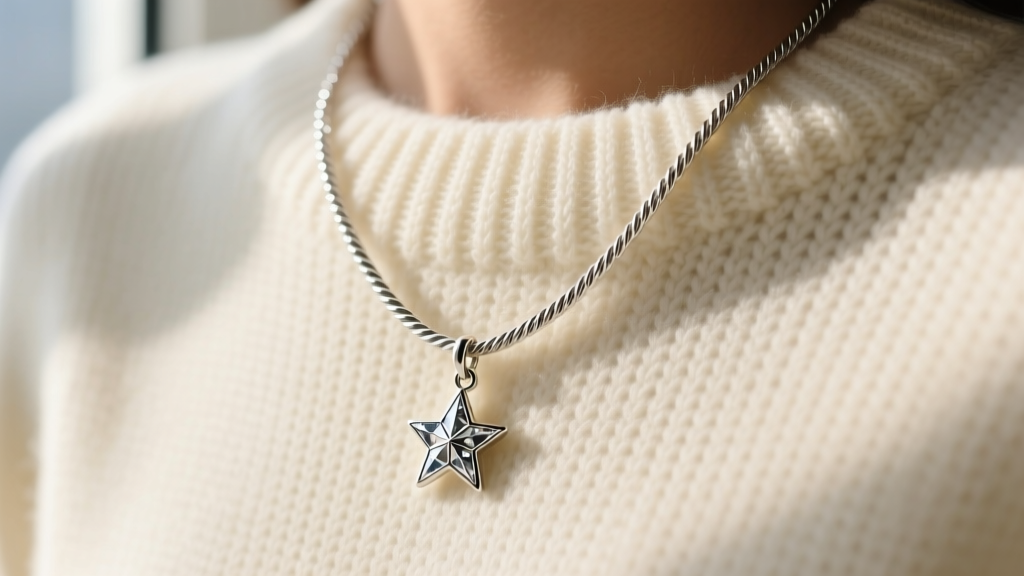
When fans and jewelry enthusiasts search for a Zoe Sugg necklace, they are rarely looking for just one specific item. Instead, they are chasing a highly specific, deeply influential aesthetic pioneered by the British entrepreneur, author, and lifestyle influencer. Over the past decade, Sugg has curated a personal jewelry collection and launched branded lines that heavily favor sentimental, dainty, and easily layerable pieces. For beginners looking to replicate this effortless, everyday glamour, understanding the core anatomy of her style is the first step.
The Core Elements of the Look
- Celestial Motifs: Stars, moons, and sunbursts are foundational to the Sugg aesthetic. These pendants are typically small (under 12mm) and feature subtle cubic zirconia or white topaz accents.
- Sentimental Initials: Block-letter or script initial pendants worn close to the collarbone are a staple, often representing her children or her own initial.
- Dainty Cable Chains: Rather than chunky links, the foundation of this look relies on delicate 1.0mm to 1.5mm cable or rolo chains that catch the light without overpowering the neckline.
- Mixed Metals: While rose gold and yellow gold vermeil dominate, layering silver and gold tones together has become a hallmark of her more recent styling.
Decoding the Materials: Silver, Vermeil, and Plated
To build a collection that mirrors the quality of a genuine Zoe Sugg necklace, you must understand the metallurgy behind dainty jewelry. Because these chains are thin, the base metal dictates their lifespan. Cheap brass bases will snap under tension and turn your skin green, whereas proper precious metals offer flexibility and longevity.
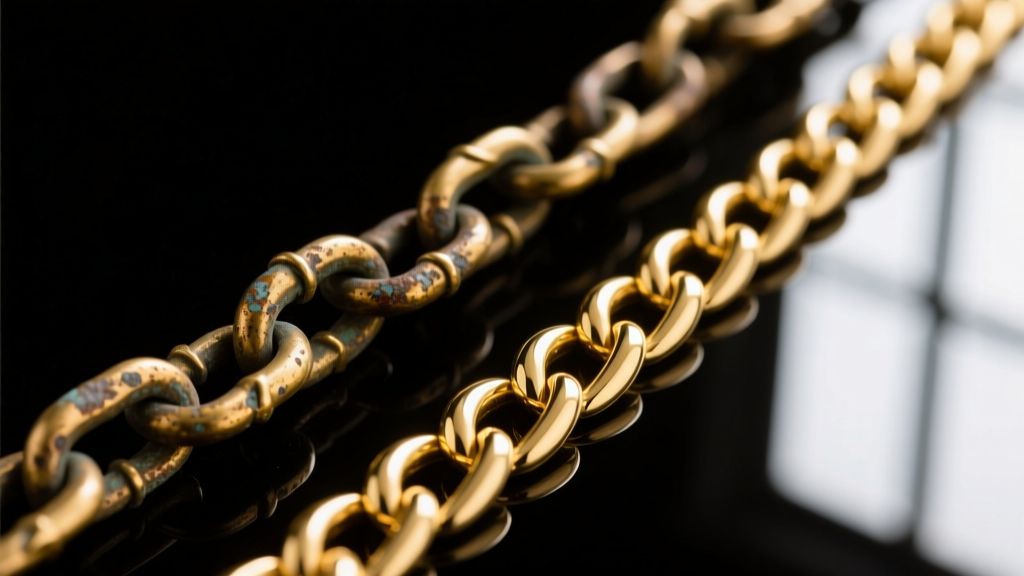
Gold vermeil (pronounced ver-may) is the gold standard for influencer-led jewelry brands. Unlike standard gold plating, which uses a brass or copper base and a microscopic flash of gold, vermeil requires a thick layer of gold over a sterling silver base. According to international jewelry standards, true vermeil must have a gold thickness of at least 2.5 microns. This ensures the piece can withstand daily wear, friction from clothing, and exposure to natural skin oils without immediately wearing through to the base metal.
| Material Type | Base Metal | Gold Thickness | Expected Lifespan | Price Range (USD) |
|---|---|---|---|---|
| Flash Plated | Brass or Copper | Less than 0.5 microns | 6-12 months | $15 - $35 |
| Gold Vermeil | 925 Sterling Silver | Minimum 2.5 microns | 2-5 years | $60 - $150 |
| Solid Gold | Gold Alloy (9k-14k) | N/A (Solid throughout) | Lifetime | $250 - $600+ |
Pro Tip: Always look for the '925' stamp on the clasp or jump ring. According to the Assay Office, genuine sterling silver must meet strict purity standards, ensuring your dainty chain won't degrade rapidly or cause contact dermatitis.
Chain Lengths and the Layering Formula
The magic of the Sugg look lies in the layering, but beginners often make the mistake of choosing chains that are too similar in length, resulting in a tangled mess. To achieve that effortless, cascading effect, you must adhere to the Two-Inch Rule. Every subsequent layer should be exactly two inches longer than the one above it.
The 15-Inch vs. 16-Inch vs. 18-Inch Breakdown
15-Inch (Choker/Collar): Sits snugly at the base of the neck. This is the ideal length for a tiny, solitary celestial pendant or a simple gold bead chain. It draws the eye upward and frames the jawline.
16-Inch (Collarbone): The most versatile length and the workhorse of the Zoe Sugg necklace aesthetic. This is where your primary sentimental piece—like an initial pendant or a small locket—should rest. It sits perfectly in the hollow of the collarbone.
18-Inch (Chest): Drops below the collarbone and rests on the upper chest. This length is reserved for slightly heavier or more intricate pendants, such as a vintage-style coin or a larger starburst motif. It provides visual weight and anchors the layered look.
Clasp and Hardware Mechanics
While often overlooked by beginners, the clasp is the most common point of failure on dainty chains. Most mass-market fashion jewelry uses spring ring clasps, which are notoriously difficult to operate with one hand and prone to snapping when the internal spring degrades.
For a high-quality layering piece, always opt for a lobster clasp. Lobster clasps feature a solid lever mechanism that is far more secure and easier to grip. Furthermore, ensure the necklace includes a 2-inch extender chain. This not only allows for micro-adjustments to perfect your layering gaps but also provides a small amount of 'give' if the chain is accidentally snagged on a sweater, preventing the delicate links from snapping immediately.
How to Style Your Necklaces for Different Necklines
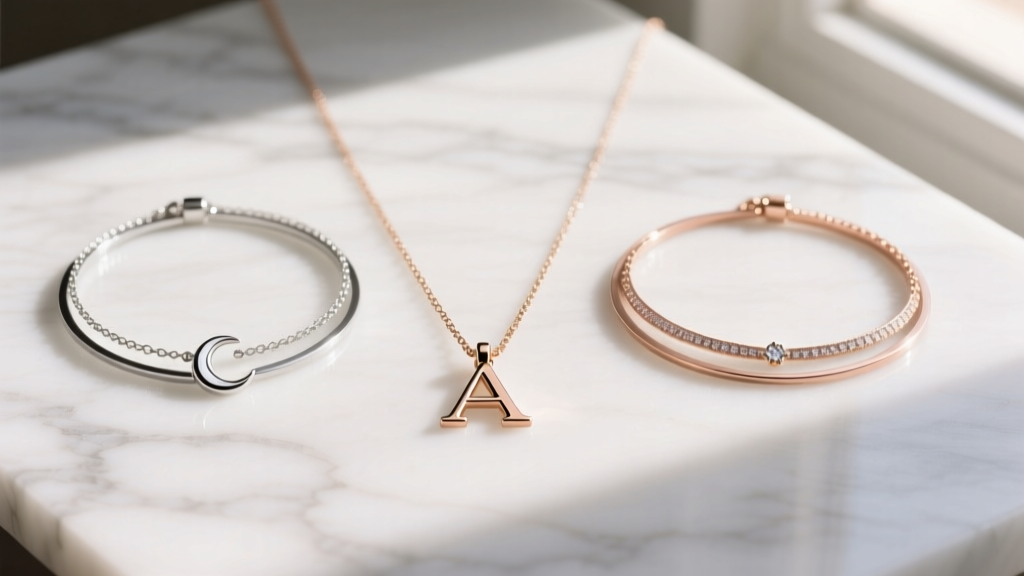
Adapting your jewelry to your wardrobe is crucial for maintaining a polished appearance. Here is how to style your dainty layers based on common necklines:
- The V-Neck: Mirror the geometry of the shirt. Use a 16-inch chain with a vertical drop pendant (like a bar or a teardrop moon) to elongate the neck. Avoid wide, horizontal pendants that clash with the V-shape.
- The Crew Neck: A standard crew neckline sits high and can easily swallow a 15-inch choker. Opt for an 18-inch or even 20-inch chain that rests visibly below the fabric line. A layered coin and initial combo works beautifully here.
- The Off-Shoulder or Boat Neck: These necklines expose a vast canvas of skin. This is the perfect opportunity to showcase a full three-layer stack (15", 16", and 18") to fill the negative space without looking cluttered.
Care and Maintenance for Dainty Jewelry
Dainty chains and vermeil pendants require specific care routines to maintain their luster. The thin layers of gold on vermeil can be worn away by harsh chemicals, friction, and prolonged moisture exposure. According to the care guidelines published by luxury demi-fine brands like Monica Vinader, proper storage is just as important as cleaning.
Daily Maintenance: Always apply your perfumes, hairsprays, and lotions before putting on your jewelry. The alcohols and oils in cosmetics can break down the gold layer and dull cubic zirconia stones. When removing your necklaces, gently wipe them with a dry, lint-free microfiber cloth to remove skin oils and sweat.
Storage Solutions: Never throw your layered necklaces into a communal jewelry box. The friction between pieces will cause micro-scratches, and the chains will inevitably knot. Store each necklace individually in an airtight ziplock bag with an anti-tarnish strip. This strips sulfur from the air, preventing the underlying sterling silver from oxidizing and turning black if the gold layer is compromised.
By understanding the precise chain widths, material grades, and layering mathematics behind the Zoe Sugg necklace aesthetic, beginners can confidently curate a demi-fine jewelry collection that looks expensive, feels deeply personal, and stands the test of time.


