How to Layer and Style a Multi Heart Necklace Flawlessly
Learn how to layer, style, and untangle a multi heart necklace. Expert tips on chain profiles, weight distribution, and jump ring care.

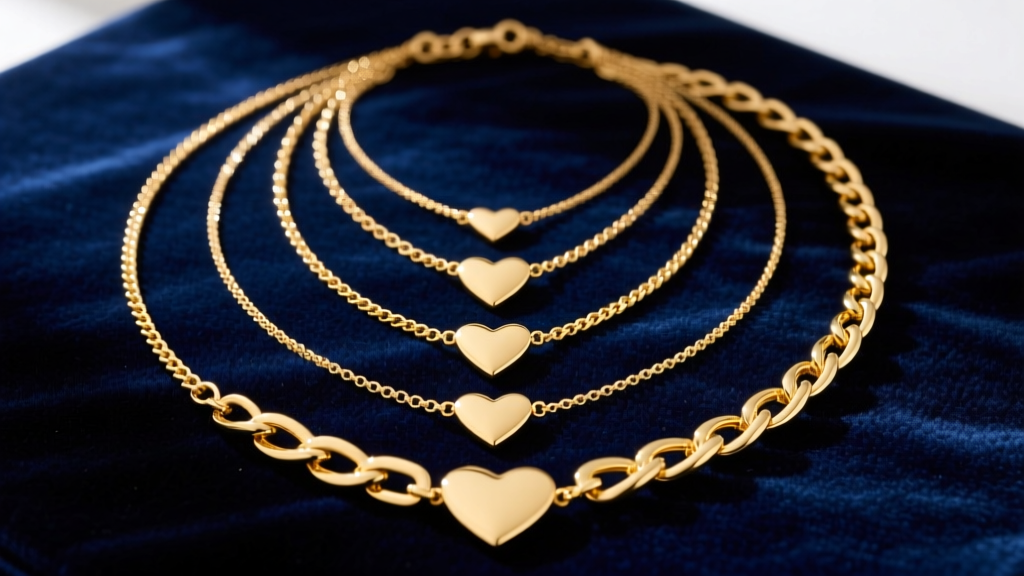
Multi heart necklaces—whether designed as a single station chain featuring five spaced-out pendants or a curated stack of three individual heart chains—offer a deeply romantic, dynamic aesthetic. However, their uneven weight distribution and multiple focal points make them notoriously susceptible to tangling, flipping, and visual clutter. As a jewelry stylist, I frequently see beautiful 925 sterling silver and 18k gold vermeil pieces ruined by improper layering or aggressive untangling. This comprehensive guide breaks down the physics of multi-pendant chains, providing a step-by-step framework to style, layer, and maintain your multi heart necklace flawlessly.
The Physics of Multi-Heart Tangling
Before diving into styling, it is crucial to understand why a multi heart necklace tangles more frequently than a simple solitaire pendant. The pendants act as individual pendulums. When you move, the hearts swing, pulling the chain links in opposing directions. This creates torsion (twisting force) along the chain. If the chain profile is smooth and rounded, like a snake chain, the links easily wrap around one another. Furthermore, if the pendants are clustered too closely together on a single strand, their combined center of gravity forces the chain into a tight V-shape, causing the metal links to torque and knot at the nape of the neck.
Step-by-Step Guide to Layering Without Tangling
Layering a multi heart necklace requires strategic planning regarding length, weight, and chain texture. Follow these three steps to achieve a balanced, tangle-free stack.
Step 1: Choose the Right Chain Profile
Not all chains handle multiple pendants equally. According to Rio Grande's comprehensive chain guide, chains with flat, interlocking links resist torsion far better than smooth, continuous tubes. For a multi heart setup, avoid snake and herringbone chains entirely. Instead, opt for box chains or rolo chains. The distinct, geometric links of a box chain create natural friction that prevents the chain from wrapping around itself, while the open circles of a rolo chain allow the heart pendants to swing freely without twisting the main strand.
Step 2: Calculate the Length Drop
If you are layering multiple individual heart necklaces rather than wearing a single station necklace, you must adhere to the '2-Inch Drop Rule.' The shortest chain should sit at the collarbone (typically 15 or 16 inches), the next should drop 2 inches lower (17 or 18 inches), and the third should rest at the sternum (20 inches). This precise graduation ensures the heart pendants never overlap or strike one another, which is the primary cause of clasp tangling.
Step 3: Balance the Pendant Weights
Visual weight is just as important as physical weight. If your innermost necklace features a delicate 5mm heart, your outermost necklace should feature a larger 15mm or 20mm heart. This creates a cascading visual effect that draws the eye downward, elongating the neck. Mixing metal tones is also highly effective; pairing a 14k yellow gold inner chain with a white gold or oxidized silver outer chain creates necessary contrast, preventing the hearts from blurring into a single metallic mass.
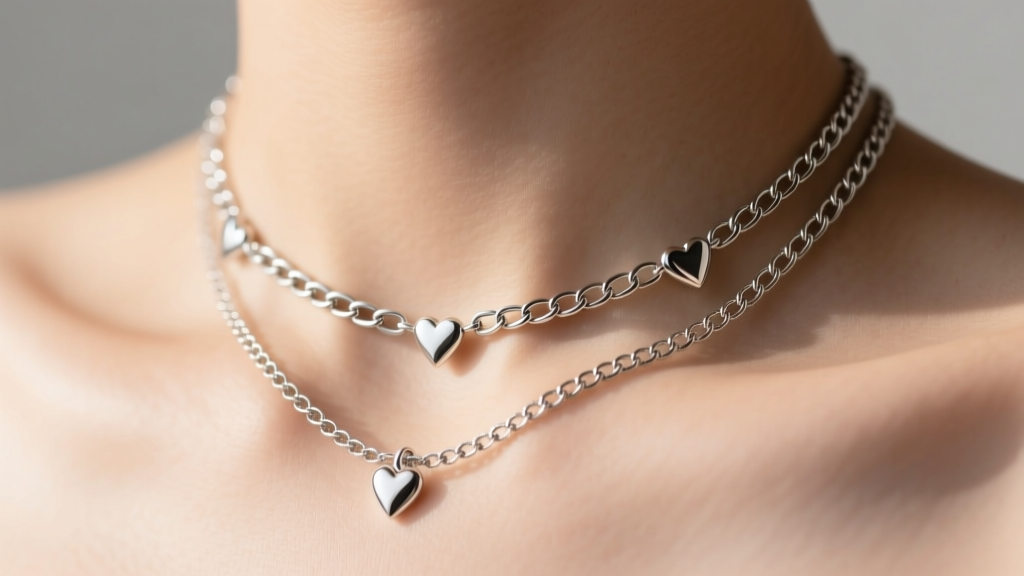
Chain Profile Comparison for Multi-Pendant Setups
Selecting the correct chain is the most critical decision you will make for your necklace's longevity. Below is a structural comparison of common chain types used in multi heart jewelry.
| Chain Type | Link Structure | Tangle Resistance | Best Use Case |
|---|---|---|---|
| Box Chain | Square, interlocking geometric links | High | Heavy heart pendants, everyday wear |
| Rolo Chain | Uniform, round interlocking circles | Medium-High | Layering multiple delicate strands |
| Cable Chain | Oval links, alternating direction | Medium | Lightweight station necklaces |
| Snake Chain | Tightly joined wavy rings, smooth tube | Very Low | Avoid for multi-pendant setups |
How to Untangle a Knotted Multi Heart Necklace
Despite your best efforts, a multi heart necklace will eventually knot. When this happens, the natural instinct is to pull the chain taut to force the knot open. Never do this. Pulling a knotted 1.2mm sterling silver chain will permanently stretch the links, weakening the metal and leading to inevitable breakage.
The Cornstarch and Needle Method
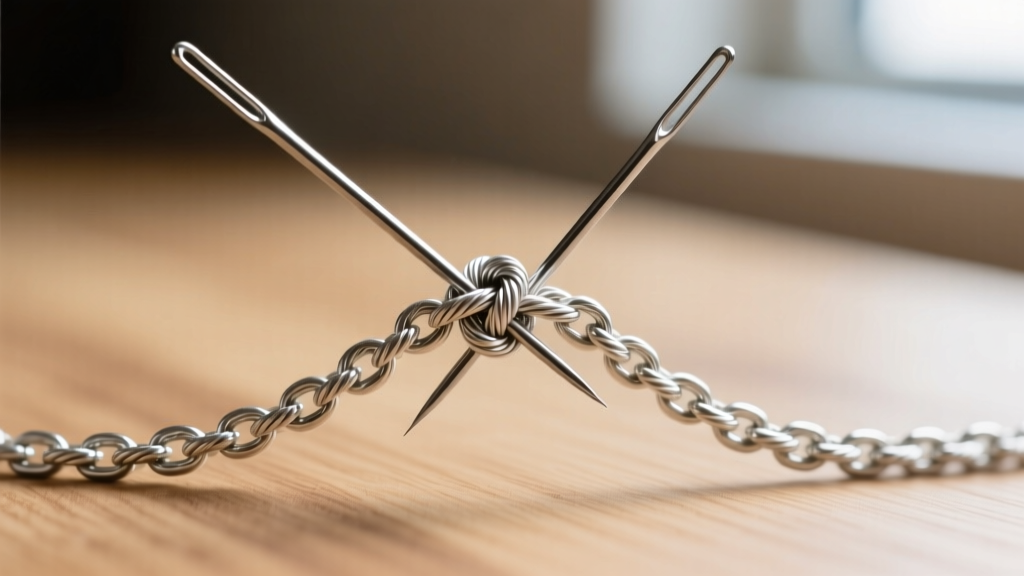
- Apply Friction Reducer: Lay the necklace flat on a hard, well-lit surface. Dust the knot heavily with cornstarch or baby powder. This coats the microscopic grooves of the metal links, drastically reducing friction.
- Use Proper Tools: Do not use your fingernails or safety pins, which can scratch gold vermeil or silver. Instead, use two size 9 beading needles or fine sewing needles.
- Loosen the Core: Insert the tip of the first needle into the absolute center of the knot and gently wiggle it to create a micro-gap.
- Work the Edges: Insert the second needle into the gap and slowly pull the outer loops away from the center. Alternate needles, working outward until the chain slides free.
- Clean the Chain: Wipe away the powder with a microfiber cloth. If the chain is sterling silver, follow up with a specialized polishing cloth to restore the luster, as outlined in GIA's silver care guidelines.
Long-Term Care: Securing Jump Rings and Preventing Tarnish
The structural integrity of a multi heart necklace relies entirely on its jump rings—the small metal loops connecting the heart pendants to the chain. Because the hearts swing like pendulums, they exert constant lateral pressure on these rings.
The Jump Ring Vulnerability
Most mass-produced necklaces use standard 20-gauge unsoldered jump rings. Over time, the pendulum motion will pull the slit of the jump ring open, causing the heart pendant to slip off and be lost. If you are investing in a high-quality multi heart piece, take it to a local jeweler to have the jump rings laser-soldered shut. Alternatively, upgrade the connections to 18-gauge split rings (which look like microscopic keyrings). Split rings are physically impossible to pull open via lateral tension, ensuring your pendants remain permanently secured.
Tarnish Prevention for Multi-Strand Setups
When layering multiple sterling silver heart necklaces, the constant friction between the chains accelerates oxidation and tarnishing. To combat this, store your layered sets flat in an anti-tarnish cloth pouch. Never store a multi heart necklace hanging on a jewelry tree; gravity will pull the pendants downward, stretching the chains and forcing the jump rings open over time. By understanding the mechanics of your jewelry and treating the hardware with respect, your multi heart necklaces will remain a flawless, tangle-free staple in your collection for decades.


