How Do You Make a Hemp Necklace? 2026 Kit Buying Guide
Wondering how do you make a hemp necklace? Explore our 2026 buying guide for the best DIY hemp kits, cord grades, clasps, and artisan alternatives.

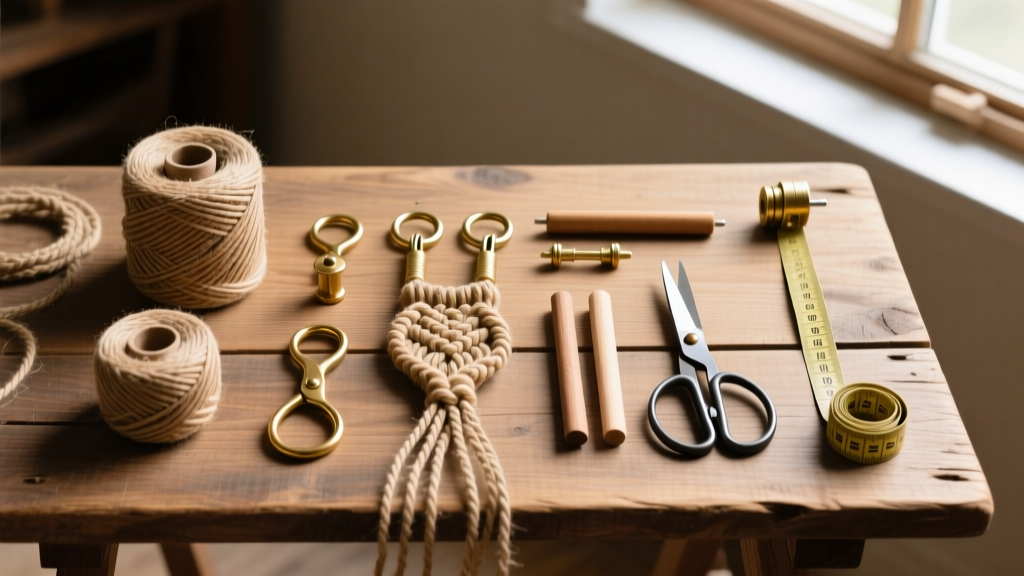
When you first ask yourself, "how do you make a hemp necklace," the answer usually begins with a simple square knot. However, transitioning from a basic childhood craft project to creating durable, wearable, and stylish jewelry requires a deep understanding of material grades, hardware compatibility, and professional finishing techniques. Whether you are sourcing raw materials to build your own macrame designs or evaluating DIY kits to gift a budding jewelry maker, the quality of your components dictates the longevity of the final piece. In this comprehensive 2026 buying guide, we break down exactly what to look for when purchasing hemp cord, jewelry findings, and artisan kits, ensuring your handmade necklaces rival high-end boutique pieces.
Understanding Hemp Cord Grades and Thicknesses
The foundation of any hemp necklace is the cord itself. True jewelry-grade hemp is derived from the bast fibers of the Cannabis sativa plant, prized for its incredible tensile strength and natural resistance to UV degradation. When shopping for hemp cord, you will encounter two primary finishes: unpolished (natural) and polished (waxed).
Polished vs. Unpolished Hemp
Polished hemp cord is treated with a light layer of natural beeswax or plant-based wax. This wax coating serves a critical structural purpose: it binds the microscopic fibers together, preventing fraying during the repetitive friction of macrame knotting. If you are learning how do you make a hemp necklace with intricate micro-macrame patterns, polished cord is non-negotiable. Unpolished hemp, while softer and more flexible, tends to pill and fray over time, making it better suited for simple braided designs or rustic, bohemian chokers where a weathered look is desired.
Diameter Selection Guide
- 1mm (Micro Cord): Ideal for delicate wire-wrapping integration, micro-macrame, and incorporating tiny seed beads. It lacks the structural integrity to support heavy gemstone pendants on its own.
- 2mm (Standard Cord): The industry standard for classic square knot (cobra stitch) necklaces. It provides the perfect balance of knot definition and flexibility, easily accommodating medium-sized glass or stone beads.
- 3mm to 4mm (Chunky Cord): Best for bold, minimalist chokers, adjustable slip-knot closures, and heavy focal pendants. Knots tied with 3mm cord are highly pronounced and create a distinct, rugged aesthetic.
Evaluating Hemp Necklace DIY Kits
If you prefer an all-in-one solution rather than sourcing individual components, DIY kits are an excellent starting point. However, not all kits are created equal. Many mass-market craft kits use low-grade, synthetic-blend "hemp" that snaps under tension. According to jewelry supply experts at Fire Mountain Gems, authentic hemp should feel slightly fibrous but possess a rigid core when pulled taut. Below is a comparison of the primary kit types available on the market in 2026.
| Kit Category | Cord Specs | Included Hardware | Price Range | Best For |
|---|---|---|---|---|
| Beginner Macrame Kit | 20m of 2mm Polished Hemp | Alloy lobster clasps, basic jump rings | $12 - $18 | First-time knotting, learning square knots |
| Artisan Beaded Kit | 15m of 1.5mm Waxed Hemp | Sterling silver tubes, natural stone beads | $35 - $55 | Intermediate makers, bohemian styles |
| Bulk Master Spool | 100m of 2mm Unpolished Romanian Hemp | None (cord only) | $22 - $30 | Production jewelers, custom dyeing |
| Choker & Pendant Kit | 10m of 3mm Braided Hemp | Brass fold-over ends, heavy toggle clasps | $25 - $40 | Statement pieces, heavy focal beads |
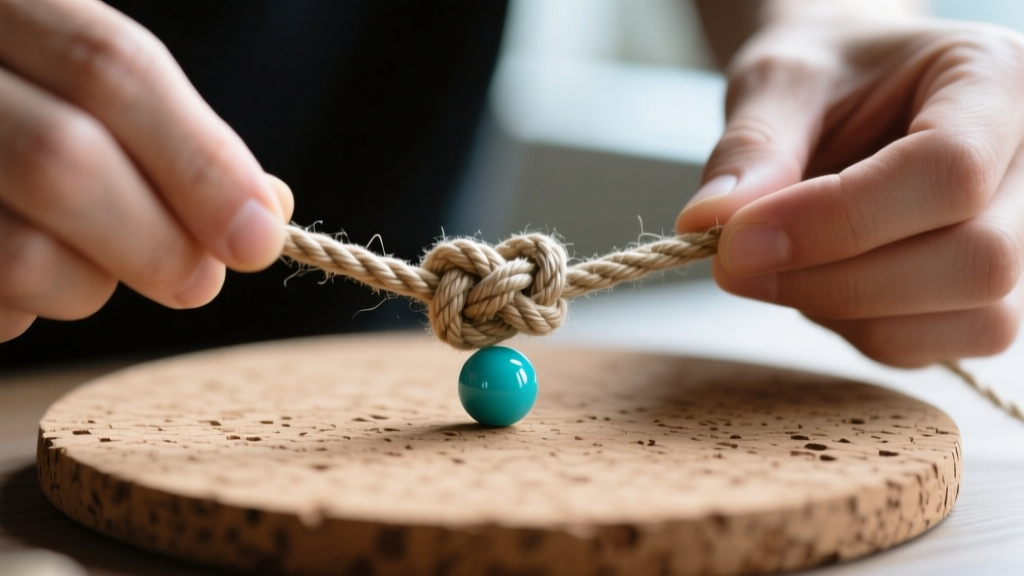
Hardware and Findings: The Weak Point of Hemp Jewelry
The most common failure point in handmade hemp jewelry is the clasp attachment. Unlike metal chains or leather cords, hemp cannot be easily crimped with standard metal crimp beads without the fibers eventually cutting through the soft metal or slipping out. When researching how do you make a hemp necklace that will actually last, you must invest in the correct findings.
Fold-Over Cord Ends and Glue-In Caps
To attach a metal clasp to a hemp necklace, you should use fold-over cord ends (also known as ribbon clamps or cord crimps) or glue-in end caps. For 2mm hemp, a 3mm or 4mm fold-over end is ideal. The process involves applying a specialized jewelry adhesive to the hemp tip, inserting it into the cap, and using nylon-jaw pliers to gently fold the metal teeth over the cord.
Expert Tip: Avoid standard super glue (cyanoacrylate), which dries brittle and will crack when the necklace flexes. Instead, use flexible adhesives like E6000 Fabri-Tac or G-S Hypo Cement, which maintain a flexible bond that moves with the natural stretch of the hemp fibers.
Selecting the Right Clasp
Because hemp necklaces are often thicker and stiffer than delicate chains, lightweight spring-ring clasps are frustrating to use and visually unbalanced. Opt for toggle clasps or magnetic clasps. Toggle clasps provide a secure, mechanical lock that is easy to fasten one-handed, while high-strength neodymium magnetic clasps offer seamless wearability. Always ensure the metal findings are stainless steel, brass, or sterling silver; base metals will quickly rust and stain the porous hemp fibers if exposed to sweat or humidity.
What to Look for When Buying Pre-Made Artisan Hemp
Sometimes, after diving into the mechanics of jewelry making, you may decide to purchase an artisan-crafted piece instead. When shopping for pre-made hemp necklaces on platforms like Etsy or at local craft fairs, apply the same rigorous standards you would use for DIY components.
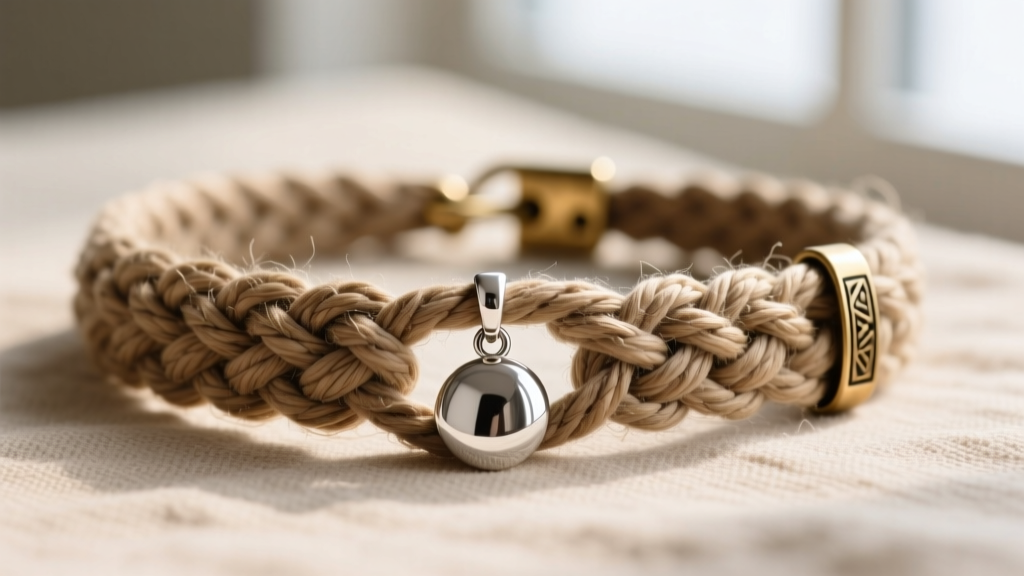
First, inspect the tension of the knots. As noted in macrame tutorials by The Spruce Crafts, proper square knots should sit flush against one another without visible gaps or twisting. If the knots are loose or the necklace feels overly rigid and board-like, the maker likely used too much glue or the wrong cord thickness. Second, check the bead integration. High-quality artisan hemp jewelry will feature beads that are securely locked in place by the surrounding knots, rather than simply threaded onto a single, unsupported strand of cord. Finally, examine the clasp integration. A professional maker will never simply tie a hemp cord directly to a jump ring; look for cleanly finished ends wrapped with waxed thread or secured in metal end caps.
Longevity and Care Protocols
Hemp is a natural, breathable fiber, which means it is highly susceptible to moisture, body oils, and environmental pollutants. To ensure your handmade or purchased hemp necklace lasts for years, strict care protocols are required. Never shower, swim, or exercise while wearing hemp jewelry. When hemp absorbs water, the fibers swell and then contract as they dry, which can cause the cord to shrink, warp, and eventually snap the adhesive bonds at the clasp.
If your necklace becomes soiled, spot-clean it gently with a damp cloth and a mild, pH-neutral soap. Avoid submerging the piece. To restore the luster of polished hemp and protect it from fraying, you can periodically rub a minuscule amount of natural beeswax or jojoba oil into the fibers, buffing it gently with a soft microfiber cloth. By understanding the material science behind hemp and investing in high-quality kits and findings, you can effortlessly create or select necklaces that are as durable as they are beautiful.


