Expert Guide to Seed Bead Necklaces: Sizing, Thread and Tension
Master the technical anatomy of seed bead necklaces. Explore precise bead sizing, thread tensile strength, and tension management for lasting durability.

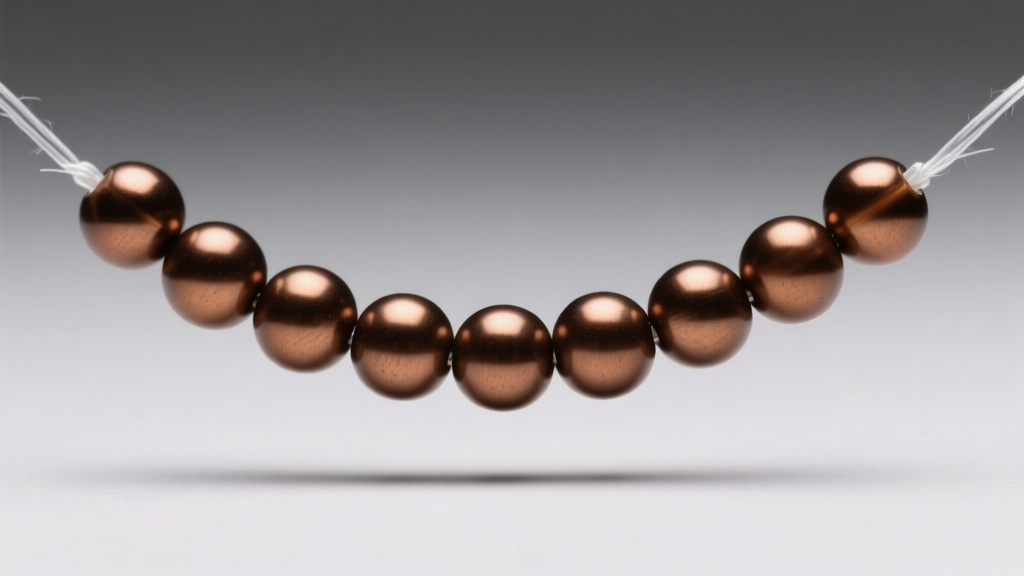
High-end seed bead necklaces are frequently misunderstood as simple craft projects, but creating a durable, fluid, and structurally sound piece of beadwork requires a rigorous understanding of material science, tensile physics, and precision engineering. Whether you are designing a complex right-angle weave collar or a simple, elegant multi-strand rope, the longevity of your necklace depends entirely on the technical decisions made before the first bead is strung.
In this expert deep dive, we dissect the anatomy of professional-grade seed bead necklaces, moving beyond basic color theory to examine the exact mathematics of bead sizing, the chemical properties of modern beading threads, and the mechanical realities of tension management.
The Mathematics of Seed Bead Sizing (Aught Sizes Explained)
The foundation of any bead woven or strung necklace is the seed bead itself. Seed beads are categorized using the "aught" system (e.g., 11/0, pronounced "eleven-aught"). Counterintuitively, the larger the number, the smaller the bead. This system originated from the number of beads that could fit into a standard unit of measure, though modern manufacturing has standardized these into precise metric dimensions.
Cylinder vs. Donut: Delicas and Rocailles
Understanding the geometric profile of the bead is critical for structural integrity. According to technical specifications from Miyuki Beads, there are two primary shapes utilized in necklace construction:
- Cylinder Beads (Delicas/Treasures): These feature flat ends and a large hole-to-bead ratio. An 11/0 Delica measures approximately 1.6mm in diameter with a 0.8mm hole. Their uniform shape allows them to snap together like bricks, creating a stiff, fabric-like beadwork that is ideal for structured collars and geometric pendants.
- Round Beads (Rocailles): These have a traditional donut shape with rounded edges. An 11/0 Japanese Rocaille measures roughly 2.1mm in diameter with a 0.6mm hole. The rounded edges allow the beads to pivot against one another, providing the necessary drape and fluidity required for rope necklaces, fringe, and herringbone stitches.
Expert Insight: Never mix cylinder and round beads within the same structural row of a bead woven necklace. The 0.5mm difference in diameter and the varying hole alignments will cause severe warping and localized thread stress, leading to premature structural failure.
Thread Material Science: Selecting the Right Polymer
The thread is the skeletal system of your necklace. Choosing the wrong thread for your specific bead type and stitch is the leading cause of necklace snapping and sagging. Modern beading threads fall into three distinct chemical categories, each with unique mechanical properties.
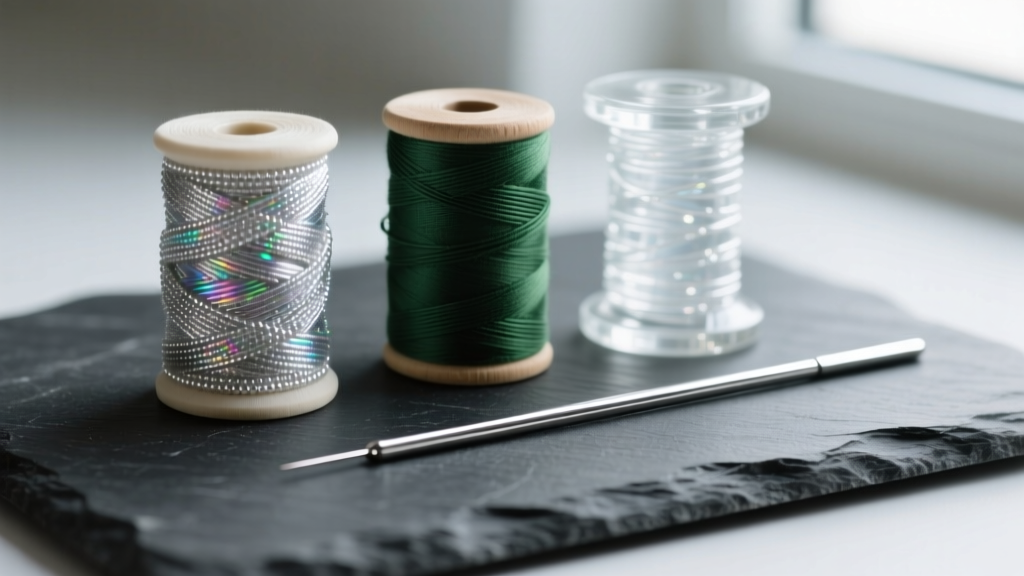
| Thread Type | Material Composition | Tensile Strength (6lb test) | Stretch Factor | Best Application |
|---|---|---|---|---|
| Fireline | Gel-Spun Polyethylene | ~6 lbs (2.7 kg) | Zero Stretch | Right-angle weave, peyote, sharp-edged crystals |
| Nymo | Monofilament Nylon | ~5.5 lbs (2.4 kg) | High Stretch | Fringe, herringbone, soft drape ropes |
| Silamide | Waxed Multifilament | ~7 lbs (3.1 kg) | Low Stretch | Loom work, multi-strand stringing |
The Danger of Thread Fatigue
When working with glass seed beads, the interior of the bead hole often contains microscopic, razor-sharp glass burrs left over from the tumbling and polishing process. As detailed in material guides by Beadaholique, nylon threads like Nymo are highly susceptible to abrasion from these glass edges. If you are incorporating faceted crystal beads (like Swarovski or Preciosa) into your seed bead necklace, you must use a gel-spun polyethylene thread like Fireline. Polyethylene is virtually abrasion-proof against glass and crystal edges, preventing the silent thread fraying that causes necklaces to snap months after completion.
Tension Management and Needle Selection
Tension is the invisible force that dictates both the aesthetics and the lifespan of a seed bead necklace. Novice beaders often pull their thread too tightly, believing that maximum tension equals maximum strength. In reality, excessive tension causes "thread choking," where the polymer fibers are crushed against the sharp interior edges of the seed bead, reducing the thread's tensile strength by up to 40%.
The Physics of the Perfect Stitch
Proper tension requires the thread to glide through the beads with a slight amount of slack, allowing the beads to rest naturally against one another. To achieve this, your needle selection must be perfectly calibrated to your bead size.
- Size 10 English Beading Needle: Required for 11/0 and 8/0 seed beads. The thicker shaft prevents the needle from bending under the pressure of high-tension stitches like right-angle weave.
- Size 12 or 13 English Beading Needle: Essential for 15/0 seed beads or for executing multiple thread passes through an 11/0 bead. Brands like John James manufacture these with tempered steel to resist snapping during tight pulls.
Pro-Tip: Always condition your nylon thread with a micro-crystalline wax (like Thread Heaven or pure beeswax). Waxing reduces the coefficient of friction, allowing the thread to slide through the beads smoothly, which naturally prevents over-tightening and maintains consistent tension across a 30-inch necklace strand.
Clasp Integration and Finishing Techniques
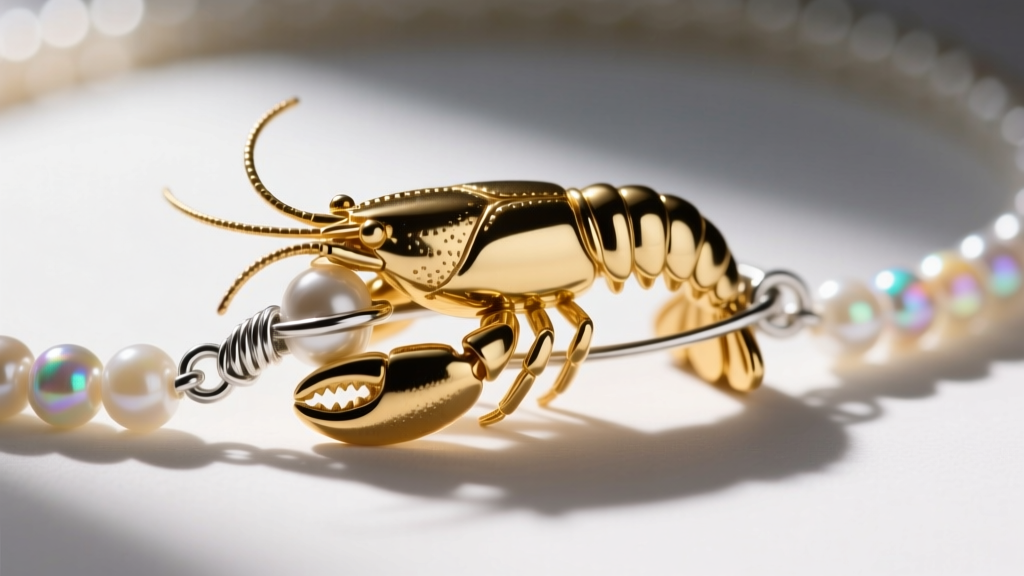
The termination point where the flexible seed bead strand meets the rigid metal clasp is the most common failure point in necklace engineering. Tying a knot directly around a metal jump ring creates a severe shear point; the metal will eventually slice through the thread due to the constant micro-movements of the wearer's neck.
The Wire Guardian Protocol
For strung seed bead necklaces (such as multi-strand ropes or heavy fringe pieces), you must use a mechanical finishing system. According to technical best practices documented by Shipwreck Beads, the gold standard for finishing involves three components:
- Wire Guardians (French Wire): A tiny horseshoe-shaped metal tube that protects the thread from the abrasive edge of the clasp jump ring.
- Crimp Tubes: Use 2x2mm sterling silver or gold-filled crimp tubes rather than round crimp beads. Tubes provide a larger surface area for compression, gripping the thread more securely without cutting it.
- Crimp Covers: Once the tube is compressed using a specialized crimping plier (which folds the metal into a secure C-shape and then rounds it), a metal crimp cover is snapped over the crimp to mimic the appearance of a seamless metal seed bead, ensuring a professional, high-jewelry finish.
Sourcing and Quality Control: Japanese vs. Czech Seed Beads
The geographic origin of your seed beads dictates the amount of structural culling you must perform before stringing. Japanese seed beads (manufactured by Miyuki and Toho) are produced using precision laser-calibrated glass extrusion. This results in a uniformity rate of approximately 99%. When building a complex geometric necklace, this precision is non-negotiable; a single bead that is 0.2mm larger than the rest will cause the entire beadwork matrix to pucker and warp.
Czech seed beads (primarily manufactured by Preciosa) are produced using traditional glass-cane methods. While they offer a stunning variety of organic finishes, metallic lusters, and vintage colors, their uniformity rate hovers around 90%. When using Czech beads for high-tension necklace weaving, you must employ a "culling" process—manually sorting and discarding misshapen or undersized beads before they are integrated into the structural weave. Failure to cull will result in uneven tension distribution, leaving weak points in the necklace's architecture.
Mastering the technical anatomy of seed bead necklaces elevates your work from fragile craft to enduring wearable art. By respecting the mathematics of bead sizing, the chemistry of polymer threads, and the physics of tension, you can engineer necklaces that are as structurally resilient as they are visually breathtaking.


