Expert Care Guide for Your Favorite Women's Statement Necklace
Learn expert cleaning and maintenance tips to protect your women's statement necklace. Discover material-specific care and storage hacks.

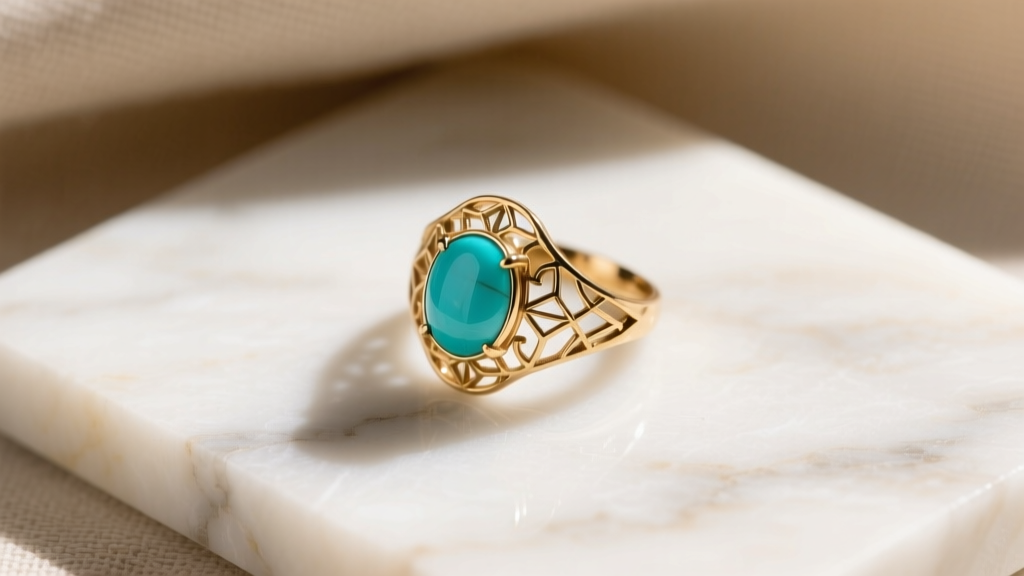
The Anatomy of a Statement Necklace: Why Care is Complex
A high-quality women's statement necklace is rarely made from a single, uniform material. Unlike a simple gold chain or a solitary diamond pendant, statement pieces are architectural feats of mixed media. They frequently combine base metals, precious metal plating, porous gemstones, resin, enamel, and intricate wire-wrapping. This complexity is exactly what makes them visually stunning, but it also renders standard jewelry cleaning methods entirely ineffective—and potentially destructive.
The most common mistake collectors make is treating a mixed-media collar or bib necklace like a solid gold piece. Submerging a multi-strand beaded necklace in commercial liquid silver dip or placing it in an ultrasonic cleaner can dissolve the epoxy holding cabochons in place, strip delicate gold vermeil, and cause irreversible clouding in acrylic or resin elements. To preserve the structural integrity and visual brilliance of your favorite pieces, you must adopt a segmented, material-specific approach to maintenance.
Material-Specific Cleaning Protocols
Before applying any moisture or polishing compound, you must identify the primary materials in your necklace. Below is a definitive guide to the chemical tolerances of common statement necklace components.
| Material | Safe Cleaning Agents | Agents to Avoid | Special Notes |
|---|---|---|---|
| Gold Vermeil (2.5μm gold over sterling) | Mild dish soap, lukewarm water, microfiber cloth | Polishing cloths, silver dip, toothpaste | Polishing cloths contain mild abrasives that will strip the 2.5-micron gold layer over time. |
| Raw Brass & Bronze | Lemon juice and baking soda paste, commercial brass polish | Bleach, ammonia | Must be sealed with a micro-crystalline wax after polishing to prevent rapid re-oxidation. |
| Porous Gemstones (Turquoise, Malachite, Lapis) | Dry microfiber cloth, slightly damp cotton swab | Ultrasonic cleaners, steam, any chemicals | These stones are highly porous and will absorb chemicals, leading to permanent discoloration. |
| Enamel & Cold Resin | Damp microfiber cloth, mild soap | Alcohol, acetone, ultrasonic vibrations | Alcohol and acetone will dissolve cold enamel and cloud cured resin elements. |
| Swarovski & Lead Crystal | Mild glass cleaner (applied to cloth, not sprayed) | Ammonia-based cleaners on foil-backed stones | Ammonia will eat through the metallic foil backing, causing the crystal to look dead and gray. |
For authoritative guidelines on handling delicate and porous gemstones, the Gemological Institute of America (GIA) strongly recommends against using ultrasonic cleaners on any stone with a Mohs hardness below 7, or any stone that has been fracture-filled or dyed, which is incredibly common in statement jewelry turquoise and lapis lazuli.
Step-by-Step Deep Cleaning Routine
When your necklace requires a thorough refresh, follow this meticulous, multi-step process to ensure no component is compromised.
Step 1: Dry Debris Removal
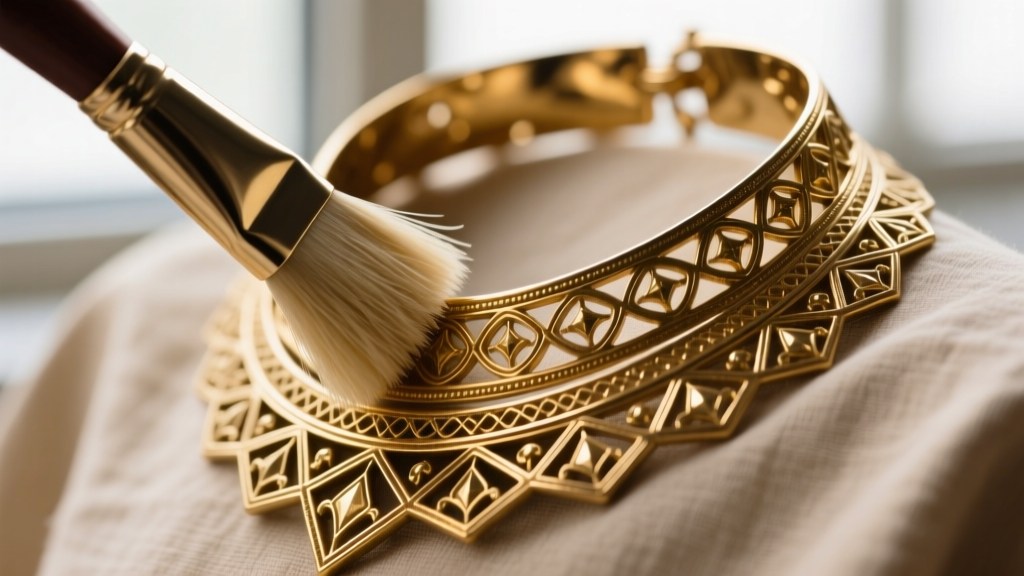
Before introducing any liquid, use a soft-bristle baby toothbrush or a clean, dry makeup brush to gently sweep away dust, dead skin cells, and cosmetic powders trapped in the filigree and bezel settings. This prevents the creation of an abrasive mud when water is introduced.
Step 2: Targeted Aqueous Cleaning
Mix a few drops of phosphate-free, mild dish detergent (like Dawn) into a bowl of lukewarm distilled water. Distilled water is crucial; tap water contains chlorine and trace minerals that can leave water spots on brass and react with copper alloys. Dip a cotton swab or a soft microfiber cloth into the solution, wring it out until it is only barely damp, and gently wipe the metal components. Avoid saturating the piece.
Step 3: The Rinse and Immediate Dry
Do not submerge the necklace to rinse it. Instead, use a separate cloth dampened with pure distilled water to wipe away any soap residue. Immediately follow this with a dry, lint-free microfiber cloth. For intricate crevices, use a hair dryer on the 'cool' setting to blow out trapped moisture. Leaving water in the joints of a wire-wrapped necklace will accelerate localized corrosion.
Structural Maintenance: Clasps, Jump Rings, and Wire
A heavy women's statement necklace can weigh anywhere from 80 to 200 grams. This significant downward force places immense mechanical stress on the findings. According to the American Gem Society, regular inspection of structural components is just as vital as cosmetic cleaning.
- Jump Rings: Inspect the jump rings connecting the clasp to the chain. If your necklace uses split rings (which look like tiny keychains), the heavy weight of the pendant can slowly pull the wire apart, leading to catastrophic loss. Upgrade split rings to soldered jump rings or heavy-gauge oval jump rings for superior security.
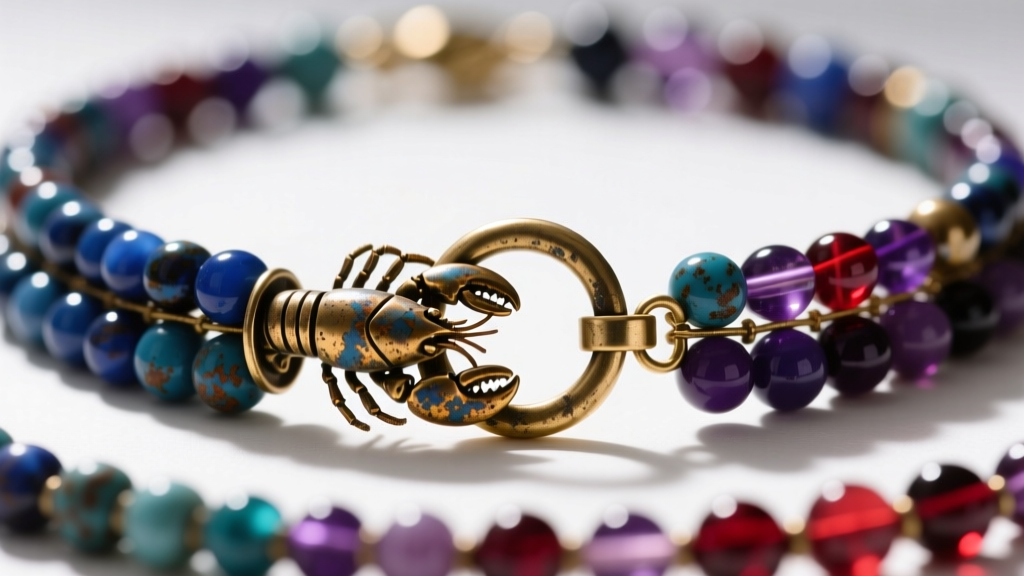
- Lobster Clasps: Test the spring mechanism. If the lever feels sluggish or fails to snap back completely, the internal spring is compromised by lotion buildup or metal fatigue. A jeweler can replace a standard 12mm lobster clasp for under $15.
- Wire Fatigue: If your statement piece features wire-wrapped links, gently flex each connection. Work-hardened wire becomes brittle over time. If you hear a faint 'ticking' sound or see stress fractures at the bends, the wire needs to be replaced before it snaps.
Troubleshooting Common Statement Necklace Disasters
Even with careful wear, accidents happen. Here is how to handle the most frequent emergencies without ruining the piece.
Perfume and Hairspray Overspray
Alcohol and aerosol propellants can leave a sticky, cloudy film on resin, acrylic, and enamel elements. Do not use commercial jewelry cleaner to remove this. Instead, use a specialized plastic polish like Novus No. 1. Spray it onto a microfiber cloth and gently buff the affected area. This will remove the chemical film and restore optical clarity to resin stones.
Green Skin from Brass and Copper
The infamous green stain left on the décolletage is caused by a chemical reaction between the copper in the brass alloy and the lactic acid and salts in your sweat, creating copper chloride. To prevent this without altering the look of the necklace, apply a thin, even coat of Renaissance Micro-Crystalline Wax to the back of the pendant and the inner curve of the collar. This museum-grade polymer creates an invisible barrier that blocks skin acids from reaching the metal.
Tangled Multi-Strand Chains
Never pull at a knot in a delicate multi-strand chain; you will permanently stretch and weaken the links. Lay the necklace flat on a smooth surface. Apply a single drop of baby oil or mineral oil directly to the center of the knot. Use two fine sewing needles to gently tease the links apart from the outside in. Once untangled, clean the oiled section with the mild soap method outlined above.
Storage and Environmental Protection
How you store your statement necklaces dictates how often they need cleaning. The cardinal rule of jewelry storage is isolation. Mixed-media pieces should never be tossed into a communal jewelry box where harder gemstones (like quartz or topaz) can scratch softer metals and enamel.
Store each necklace flat in its own individual polyethylene zip-lock bag. Avoid PVC (polyvinyl chloride) plastics, as the off-gassing from PVC can cause silver to tarnish rapidly and can cause certain resins to become tacky over time. Inside each bag, place a 3M Anti-Tarnish strip. These strips contain copper particles that actively absorb hydrogen sulfide and other corrosive gases from the ambient air. For optimal protection, replace these strips every six months.
Finally, never hang heavy statement necklaces on standard velvet busts or open wall hooks for long-term storage. The constant pull of gravity will stretch the chain links and warp the structural wire over time. Always store them flat, fully extended, and in a climate-controlled environment away from direct sunlight, which will bleach organic materials like coral, amber, and dyed stones.


