Daiso Accessories Box Necklace Care & Metal Analysis
Explore the metallurgy of budget jewelry and learn how a Daiso accessories box necklace storage system prevents oxidation and tangling.

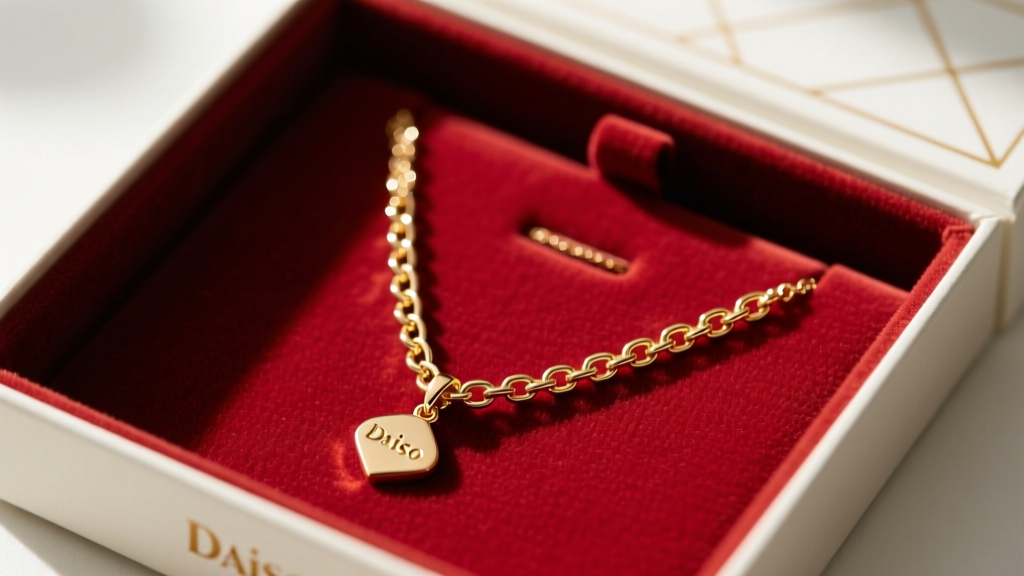
The global fascination with Japanese 100-yen shops has elevated Daiso from a simple discount retailer to a cultural phenomenon. Among their most popular categories are fashion accessories, particularly necklaces that mimic high-end luxury designs for the price of a cup of coffee. However, the extreme affordability of these pieces masks a complex metallurgical reality. Without proper care, budget necklaces rapidly degrade, turning skin green, snapping at the clasp, or losing their luster within weeks. This expert deep dive explores the material science behind these accessories and provides a technical framework for utilizing a daiso accessories box necklace storage system to dramatically extend their lifespan.
The Metallurgical Reality of Budget Necklaces
To understand how to care for ultra-budget jewelry, we must first deconstruct its chemical composition. The vast majority of necklaces sold at the 100-yen price point are not made of solid brass or stainless steel. Instead, they rely on zinc alloy compositions, commonly known as Zamak (an acronym for Zink, Aluminium, Magnesium, and Kupfer/copper). Zamak is favored in fast-fashion manufacturing because of its low melting point, which allows for intricate, high-detail casting in complex molds.
The Flash Plating Threshold
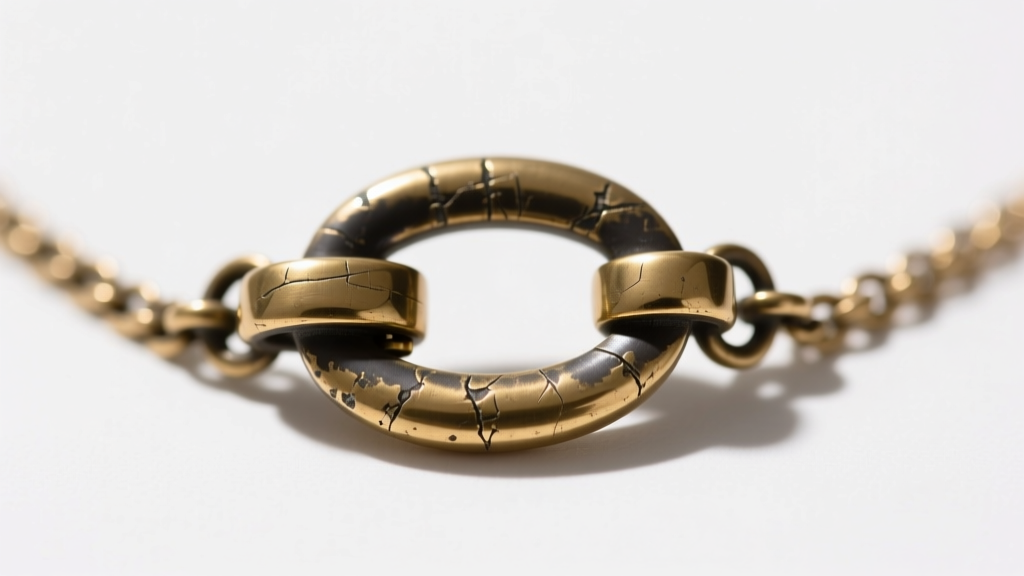
Because raw Zamak has a dull, bluish-gray appearance, it must be plated. Daiso necklaces typically utilize 'flash plating'—an ultra-thin electroplated layer of gold or silver-colored metal. Flash plating generally measures between 0.1 and 0.3 microns (millionths of a meter) in thickness. By contrast, high-quality demi-fine jewelry features heavy gold electroplate at 2.5 microns or more. This microscopic layer is highly susceptible to friction, sweat, and environmental sulfur, meaning the barrier between your skin and the reactive base metal is easily compromised.
The Nickel Underplate Problem
To achieve a bright, reflective finish over dark Zamak, manufacturers often apply a micro-layer of nickel beneath the final gold or silver flash coat. While this improves the visual appeal, it introduces a significant biological hazard. According to the American Academy of Dermatology, nickel contact dermatitis is one of the most common allergic reactions worldwide. When the 0.1-micron top layer wears off at the clasp or pendant bail, the nickel underplate is exposed to sweat, triggering severe, itchy rashes on the neck and chest.
Optimizing the Daiso Accessories Box Necklace Storage Method
Proper storage is the single most effective way to combat the inherent material flaws of budget jewelry. Daiso sells a variety of modular organizers, but configuring your specific daiso accessories box necklace layout requires an understanding of material interactions and atmospheric control. Simply tossing a zinc-alloy chain into a plastic bin guarantees rapid oxidation.
Acrylic vs. Velvet-Lined Organizers
Daiso's clear acrylic stackable boxes are visually appealing and excellent for preventing chain tangling. However, cheap acrylics and PVC plastics can occasionally off-gas trace amounts of volatile organic compounds (VOCs) and plasticizers, which can accelerate the tarnishing of silver-toned flash plating. For long-term preservation, Daiso's velvet-lined, multi-drawer wooden or hardboard accessories boxes are superior. The velvet provides a soft, non-abrasive surface that protects the fragile 0.1-micron plating from micro-scratches, which act as nucleation sites for corrosion.
Expert Tip: Never store budget necklaces in the original PVC blister packs they are sold in. The trapped humidity and plastic off-gassing will cause the chain to tarnish and become brittle within a matter of months.
Atmospheric Control and Anti-Tarnish Integration
The velvet-lined Daiso box is only half the equation. To create a true preservation vault, you must control the micro-climate inside the drawer. Place a small, breathable sachet of indicating silica gel in the corner of the box to maintain relative humidity below 40%. Furthermore, insert 3M anti-tarnish strips or Pacific Silvercloth tabs into the individual necklace compartments. These materials actively absorb atmospheric hydrogen sulfide, the primary catalyst for silver and copper oxidation, effectively pausing the degradation process.
Galvanic Corrosion in Mixed-Metal Storage
A critical error many collectors make when organizing their Daiso accessories box necklace compartments is storing disparate metals in direct physical contact. If a copper-based chain rests against a zinc-alloy pendant in the presence of ambient moisture, it creates a galvanic cell. The zinc, being more anodic, will sacrifice itself and corrode rapidly to protect the copper. Always use the adjustable velvet dividers in your Daiso box to ensure that chains, pendants, and clasps are physically isolated from one another, preventing this electrochemical reaction.
Technical Comparison: Budget vs. Mid-Tier Fast Fashion
Understanding where Daiso sits in the broader jewelry ecosystem helps set realistic expectations for wear and maintenance. Below is a technical comparison of base materials and expected lifespans.
| Retail Tier | Base Metal | Plating Thickness | Clasp Hardware | Expected Lifespan (Daily Wear) |
|---|---|---|---|---|
| Daiso (100-Yen) | Zamak (Zinc Alloy) | 0.1 - 0.3 microns (Flash) | Zinc Lobster / Steel Spring | 1 - 3 Months |
| H&M / Zara | Brass / Stainless Steel | 0.5 - 1.0 microns | Brass Lobster | 6 - 12 Months |
| Demi-Fine (e.g., Mejuri) | Sterling Silver / Bronze | 2.5+ microns (Heavy) | Silver / Gold-Filled | 2 - 5+ Years |
Advanced Preservation and Upgrade Protocols
If you intend to wear a Daiso necklace regularly, passive storage in a Daiso accessories box necklace drawer is not enough. You must actively intervene to seal the metal and upgrade the weakest structural points.
Microcrystalline Wax Coating
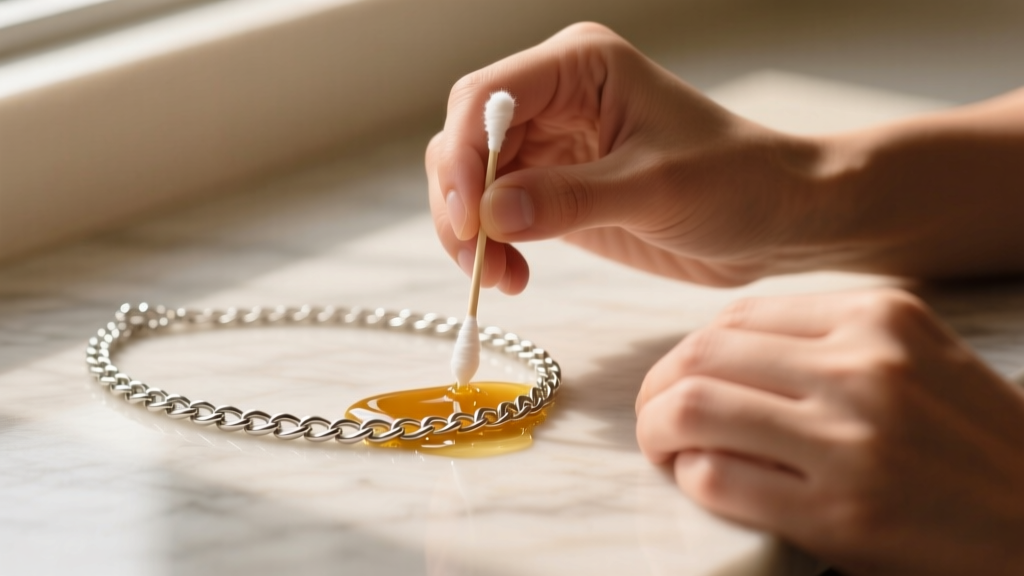
Forget the amateur advice of painting your jewelry with clear nail polish; polyurethane-based polishes often contain solvents that can dissolve cheap flash plating or turn cloudy and yellow under UV exposure. Instead, use a museum-grade microcrystalline wax, such as Renaissance Wax. Apply a microscopic layer to the chain and pendant using a lint-free cotton swab. This creates a stable, non-yellowing, moisture-impermeable barrier that prevents sweat from reaching the nickel underplate, entirely eliminating the risk of contact dermatitis.
Hardware Upgrades: Jump Rings and Clasps
The most common failure point on a budget necklace is the jump ring connecting the clasp to the chain. Daiso jump rings are often made of soft, unplated iron or low-grade zinc, which snap under minimal tension. Using a pair of precision jewelry pliers, carefully open the factory jump ring and discard it. Replace it with a 4mm or 5mm 316L surgical stainless steel jump ring. 316L steel contains molybdenum, which provides exceptional resistance to chloride corrosion (sweat), ensuring the structural integrity of the necklace long after the decorative plating has worn away.
Conclusion
Budget jewelry requires a disproportionately high level of technical care compared to fine jewelry. By understanding the metallurgical limitations of Zamak alloys and flash plating, you can enjoy the aesthetic appeal of 100-yen shop fashion without the frustration of rapid degradation. Implementing a rigorous daiso accessories box necklace storage protocol—complete with atmospheric control, galvanic isolation, and microcrystalline sealing—transforms disposable accessories into durable, wearable art.


