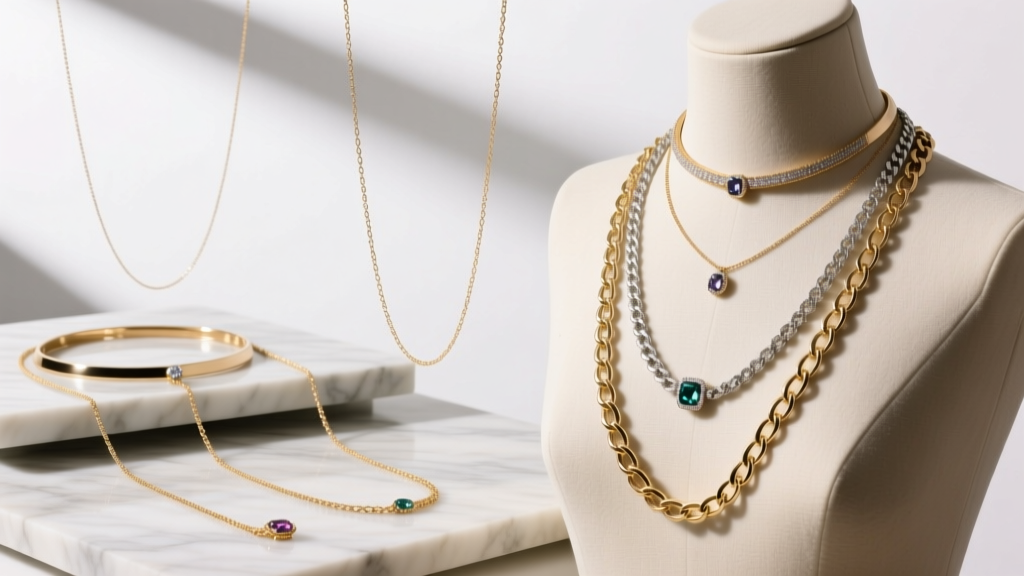
Why She Wore a Pearl Necklace: 2026 Trend Report
Discover why she wore a pearl necklace in 2026. Explore modern pearl trends, grading specifics, styling guides, and the baroque resurgence.

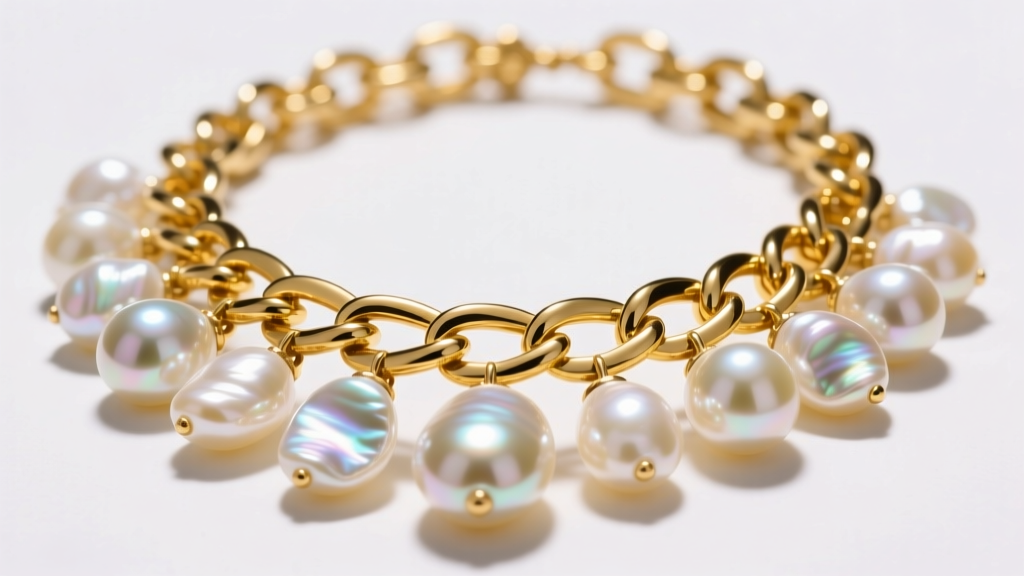
When the fashion press recently noted that she wore a pearl necklace to a major 2026 cultural gala, it wasn't a nod to mid-century conservatism. Instead, it was a masterclass in subversion. The phrase 'she wore a pearl necklace' used to be shorthand for traditional, safe, and perhaps even matronly styling. Today, it signals avant-garde layering, mixed-metal hardware, and a deliberate rejection of minimalism. As we navigate the 2026 jewelry landscape, the pearl has reclaimed its throne—not as a dusty heirloom, but as a dynamic, textural centerpiece for modern wardrobes.
The Evolution of the Pearl Trope
Historically, the pearl necklace was a uniform of the elite, popularized by figures like Jackie Kennedy and Audrey Hepburn. It represented conformity and quiet wealth. However, the 2026 style renaissance has completely dismantled this trope. Today's designers are treating pearls as organic sculptures rather than mere status symbols. The modern narrative isn't just about the pearls themselves, but how they interact with industrial elements like oxidized silver, raw diamonds, and heavy chain links. According to recent industry analyses featured in Vogue's trend forecasting, the juxtaposition of delicate nacre against brutalist metals is the defining jewelry silhouette of the year.
2026 Pearl Trend Matrix: What's Actually Selling
To understand the current market, we must look beyond the classic round white Akoya. The demand for irregular shapes and exotic hues has fundamentally shifted global pearl farming and retail pricing. Below is a breakdown of the dominant pearl types driving the 2026 market, complete with specific grading metrics and current retail valuations.
| Pearl Type | Average Size | Nacre Thickness | 2026 Price Range (Strand) | Trend Status |
|---|---|---|---|---|
| Akoya (Round) | 6.0 - 9.5mm | >0.4mm (Ideal >0.8mm) | $800 - $3,500 | Classic / Refined |
| South Sea (White/Gold) | 10.0 - 15.0mm | >2.0mm | $2,500 - $15,000+ | Quiet Luxury |
| Tahitian (Dark Hues) | 8.0 - 14.0mm | >0.8mm | $1,000 - $8,000 | Edgy / Statement |
| Freshwater Baroque | 10.0 - 20.0mm | Variable (Solid Nacre) | $150 - $900 | Gen Z / Avant-Garde |
The Rise of Baroque and Keshi Pearls
The data clearly shows a massive surge in Baroque and Keshi pearls. Because these pearls are non-symmetrical and often solid nacre (in the case of Keshi), they offer a unique, fingerprint-like aesthetic that appeals to consumers seeking individuality. In 2026, a high-luster, heavily ridged Baroque pearl is often prized above a perfectly round, lower-luster bead.
Decoding the Modern Pearl Aesthetic
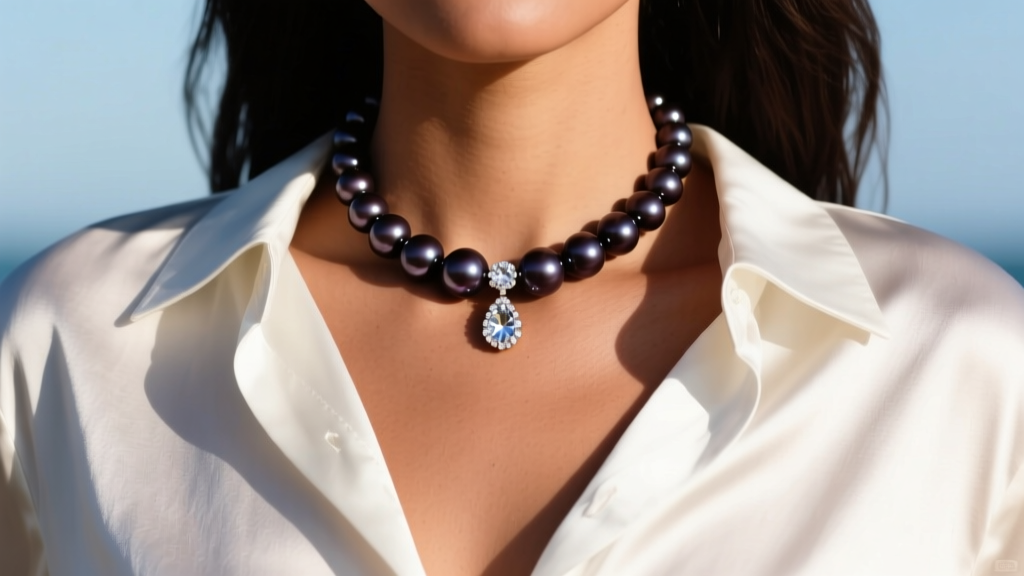
The phrase she wore a pearl necklace in 2026 often implies a hybrid piece. Pure pearl strands are being replaced by 'mixed-media' necklaces. Designers are integrating 14k gold vermeil (which must feature a minimum of 2.5 microns of gold over a sterling silver base to be considered true vermeil) and 316L surgical steel to create adjustable, modular pieces.
Hardware and Clasp Innovations
One of the most significant, yet under-discussed, trends in pearl jewelry is the evolution of the clasp. The traditional lobster claw is being phased out in high-end pearl strands in favor of neodymium magnetic clasps encased in 18k gold. These allow for seamless wearability without compromising the strand's integrity. Furthermore, convertible lariats featuring silicone-backed adjustable stops allow the wearer to shift a single 36-inch opera-length strand into a layered choker in seconds.
Investment vs. Fashion: Grading Your Pearls
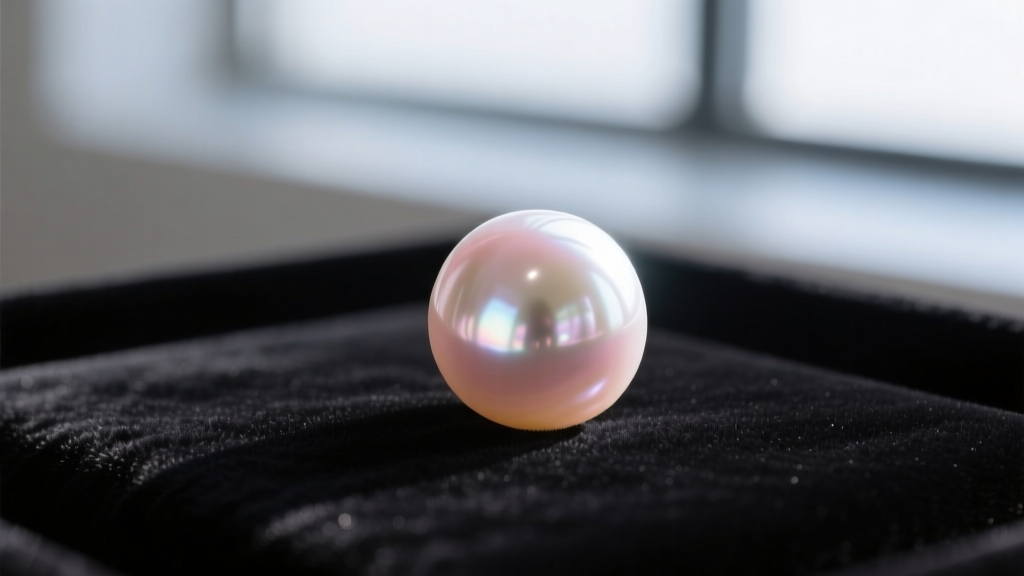
When investing in fine pearl jewelry, understanding the gemological parameters is non-negotiable. The Gemological Institute of America (GIA) evaluates pearls based on seven factors: Size, Shape, Color, Luster, Surface Quality, Nacre Quality, and Matching.
- Luster: This is the most critical value factor. A high-grade pearl will have sharp, mirror-like light reflections. If the light reflection appears cloudy or chalky, the nacre is too thin or of poor quality.
- Nacre Thickness: For saltwater pearls like Akoya, a nacre thickness below 0.4mm is a major red flag, as it will eventually peel or flake. Always request X-ray verification or a reputable lab report for strands priced above $2,000.
- Surface Quality: While Baroque pearls naturally feature ridges and rings, 'clean' round pearls should be free of chalky spots, cracks, or deep pits. AAA-grade pearls are typically 95%+ clean to the naked eye.
How to Style the Statement Pearl in 2026
Moving beyond the traditional princess-length (18-inch) strand, modern styling relies on deliberate asymmetry and the '3-Point Layering Rule'. If she wore a pearl necklace to a contemporary gallery opening, it was likely part of a curated stack.
'The modern pearl is not a standalone accessory; it is an anchor. We pair a 14-inch Baroque choker with a 22-inch oxidized silver chain and a 30-inch matte gold lariat to create depth that interacts with the wearer's movement.' — Elena Rostova, Lead Stylist at Maison Aura.
Neckline Pairings
The interplay between the necklace and the garment's neckline dictates the success of the look. For deep V-necks, a Y-shaped pearl lariat draws the eye downward and elongates the torso. For high-necked mock turtlenecks or crisp button-downs, a chunky 16-inch collar featuring alternating Tahitian and white South Sea pearls provides a striking, high-contrast frame for the face. Avoid wearing long opera-length pearls with busy, patterned blouses; the organic shapes of the pearls will clash with the visual noise of the fabric.
The Verdict on the Pearl Resurgence
Ultimately, the cultural shift surrounding the pearl necklace is about reclaiming femininity on modern terms. The narrative of she wore a pearl necklace is no longer about adhering to a dress code; it is about bending the rules of classic elegance. Whether you are investing in a perfectly matched strand of Hanadama Akoya pearls or layering irregular freshwater Keshi beads with heavy gold chains, the pearl in 2026 is a testament to organic beauty meeting industrial design. As sourcing becomes more transparent and design boundaries continue to expand, the pearl necklace remains the most versatile, enduring, and surprisingly rebellious piece in the modern jewelry box.