Marie Antoinette Necklace Materials: Pearls, Paste, and Metals
Discover the material properties behind the iconic Marie Antoinette necklace. Compare pearls, paste stones, and precious metals for authentic style.

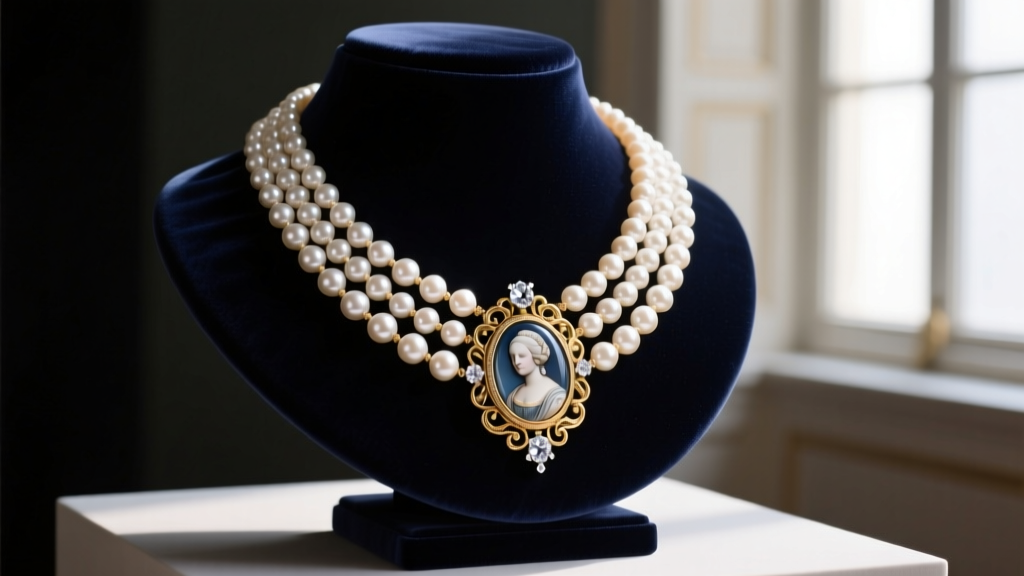
When jewelers and historians discuss the marie antoinette necklace aesthetic, they are rarely referring to a single piece of jewelry. While the infamous 'Affair of the Diamond Necklace' dominates historical lore, the broader court style of the late 18th century introduced a masterclass in material layering, festoon draping, and choker construction. Today, recreating or purchasing a high-quality marie antoinette necklace requires a deep understanding of material science. From the nacre thickness of pearls to the refractive index of Georgian paste stones, the materials you choose dictate not only the historical accuracy of the piece but also its longevity, drape, and skin compatibility.
The Anatomy of Court Jewelry: 18th Century vs. Modern Reproductions
Authentic French court jewelry of the 1780s relied heavily on the 'silver on gold' bi-metal technique. Because platinum was not yet workable for jewelry and white gold did not exist, artisans set diamonds and paste stones in silver to achieve a bright, white metal backdrop that enhanced the stones' brilliance. However, silver tarnishes rapidly when exposed to the sulfur compounds in human sweat, leaving dark stains on the skin and garments. To solve this, the backing and structural links were forged from 18k or 22k yellow gold. Modern reproductions of the marie antoinette necklace typically abandon this bi-metal approach in favor of solid 18k white gold, platinum 950, or rhodium-plated sterling silver, each presenting unique material trade-offs regarding weight, tensile strength, and maintenance.
Pearl Properties: Nacre, Luster, and the Festoon Drape
Pearls are the undisputed cornerstone of the marie antoinette necklace aesthetic, frequently utilized in multi-strand chokers and cascading festoon drops. The weight and drape of these necklaces depend entirely on the pearl's internal structure and density. When sourcing pearls for a historical reproduction, buyers must navigate the gemological differences between natural, cultured, and simulated options.
| Pearl Type | Core Composition | Nacre / Coating Thickness | Specific Gravity (Density) | Price Range (16-inch Strand) |
|---|---|---|---|---|
| Natural Saltwater | Calcium Carbonate (100%) | Solid Nacre | 2.61 - 2.85 | $15,000 - $100,000+ |
| Cultured Akoya | Bead Nucleus (Shell) | 0.3mm - 0.8mm | 2.60 - 2.70 | $800 - $4,500 |
| Cultured Freshwater | Calcium Carbonate (100%) | Solid Nacre (Tissue nucleated) | 2.60 - 2.75 | $150 - $1,200 |
| Majorica (Simulated) | Opaline Glass Core | Guanine Crystalline Lacquer | 2.80 - 3.00 | $200 - $600 |
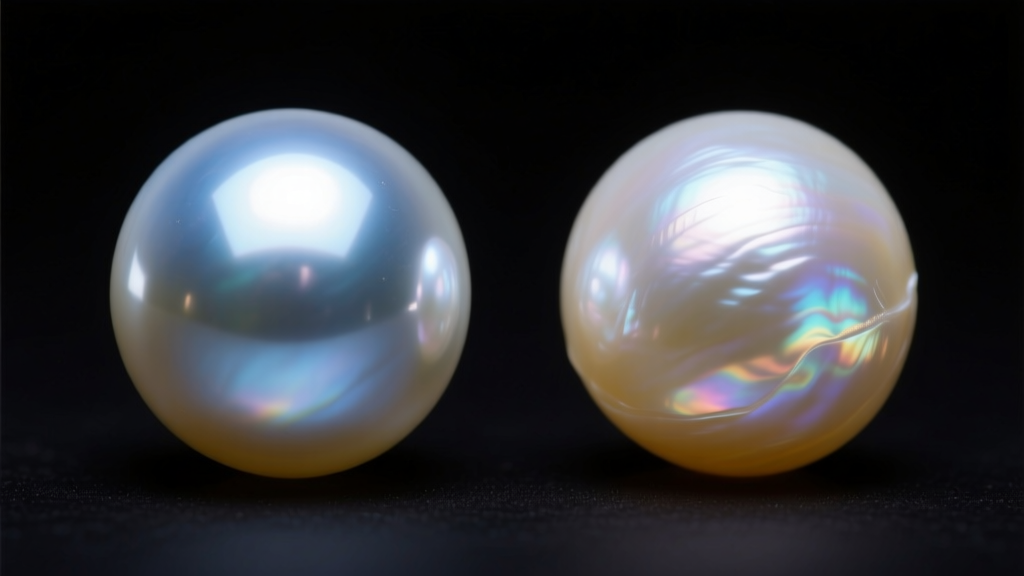
According to the Gemological Institute of America (GIA), the luster of a cultured pearl is directly proportional to the translucency and thickness of its nacre layers. For a marie antoinette necklace that requires a heavy, luxurious drape, solid-nacre freshwater pearls offer the best structural integrity. Because they lack a rigid bead nucleus, they are less prone to catastrophic cracking if the necklace is dropped or pulled. However, for the sharp, mirror-like luster seen in royal portraits, high-grade Hanadama Akoya pearls remain the superior choice, provided the nacre thickness exceeds 0.4mm to prevent premature peeling at the drill holes.
The Weight Factor in Multi-Strand Chokers
A traditional court choker features three to five strands of 7mm to 9mm pearls. A single 16-inch strand of 8mm glass-core simulated pearls can weigh upwards of 85 grams. When multiplied across four strands, plus the weight of the metallic clasp and central cameo, the necklace can exceed 400 grams. This immense weight places severe shear stress on the silk threading. Modern jewelers crafting high-end marie antoinette necklaces now substitute traditional silk thread with ultra-high-molecular-weight polyethylene (UHMWPE) fibers, such as Dyneema, which offer a tensile strength 15 times greater than steel while maintaining the flexible drape required for historical festoon designs.
The Stone Debate: Diamonds, Moissanite, and High-Lead Paste
Beyond the infamous diamond collier, the marie antoinette necklace aesthetic heavily features rivière styles and central cameos surrounded by brilliant-cut stones. In the 18th century, the most historically accurate material for these stones was not diamond, but 'paste'—a high-lead glass invented by Georges Frédéric Strass. Strass paste contained up to 40% lead oxide, which elevated the glass's refractive index (RI) to approximately 1.7 and increased its dispersion, allowing it to mimic the fire of diamonds under the candlelight of Versailles.
Refractive Index and Modern Equivalents
Modern buyers looking for an authentic marie antoinette necklace must weigh the optical properties of contemporary diamond alternatives. While moissanite (RI 2.65) and cubic zirconia (RI 2.15) are popular, their optical performance is entirely wrong for historical reproduction. Moissanite exhibits double refraction and extreme fire, creating a 'disco ball' effect that looks entirely synthetic in a Georgian-style silver setting. Cubic zirconia, while closer to diamond (RI 2.42), lacks the distinct internal scintillation pattern of hand-cut antique stones. For the most accurate visual replication of 18th-century paste, modern artisans use high-barium or zinc-oxide crystal glass with a foil-backed setting. The Victoria and Albert Museum notes that the metallic foil backing was essential in historical paste jewelry to reflect light back through the glass, a technique that modern brilliant-cut diamonds do not require but historical reproductions must employ to achieve the correct depth and glow.
Metallic Foundations: Tarnish, Plating, and Skin Chemistry
The metalwork of a marie antoinette necklace is just as critical as its gems. The intricate milgrain detailing, bow motifs, and open-work galleries of 18th-century chokers require a metal that can be cast with high fidelity and resist the acidic pH of human skin. Sterling silver (92.5% silver, 7.5% copper) is the most common material for entry-level reproductions, but the copper content makes it highly susceptible to tarnishing when exposed to sulfur and humidity.
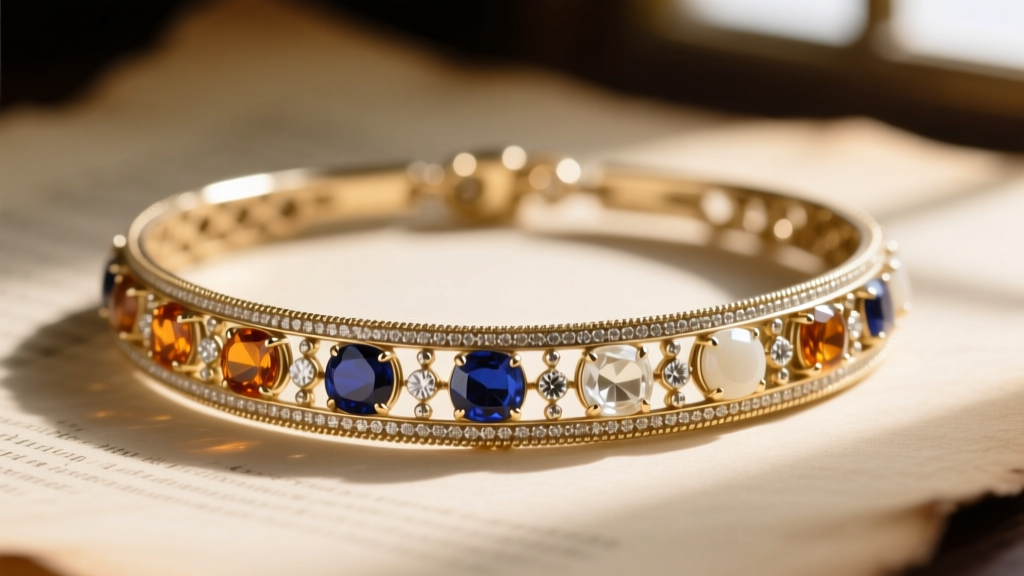
To combat this, premium silver pieces are plated with rhodium, a platinum-group metal. However, standard rhodium plating (0.1 to 0.25 microns) will wear through rapidly on a choker due to constant friction against the collarbone. When commissioning or purchasing a high-wear marie antoinette necklace in silver, insist on a 'heavy flash' rhodium plating of at least 0.75 to 1.0 microns. Alternatively, 18k white gold alloyed with palladium (rather than nickel) provides a naturally white, hypoallergenic foundation that will never tarnish, ensuring the delicate lace and silk ribbon integrations common in this style are never stained by oxidized metal runoff.
Textile Integrations: Silk, Velvet, and Material Degradation
No marie antoinette necklace is complete without its textile elements. Velvet choker bands and silk taffeta ribbon ties are hallmarks of the aesthetic. From a material science perspective, natural protein fibers like silk are highly vulnerable to photodegradation and enzymatic breakdown from perspiration. The amino acids in sweat will weaken silk fibers, causing them to snap under the tension of a heavy pearl drop. Modern iterations often substitute pure silk with synthetic polyester-silk blends, which offer identical visual sheen and drape but possess a vastly superior resistance to UV fading and moisture degradation, ensuring the structural integrity of the necklace's ties remains intact for decades.
Sourcing and Authenticating Your Piece
Whether you are investing in a museum-grade antique or commissioning a bespoke modern reproduction, understanding the material properties of the marie antoinette necklace is essential. Demand transparency regarding pearl nacre thickness, exact metal alloys, and the specific optical composition of any paste or crystal stones. By prioritizing material integrity over superficial design elements, you ensure that your necklace not only captures the opulent spirit of the French court but also stands the test of time as a durable, wearable asset.


