How to Make a Necklace Pendant: A Budget & Value Guide
Learn how to make a necklace pendant while maximizing value. We break down material costs, tool investments, and DIY vs. retail ROI for jewelers.

The True Cost of DIY: Is Fabrication Actually Cheaper?
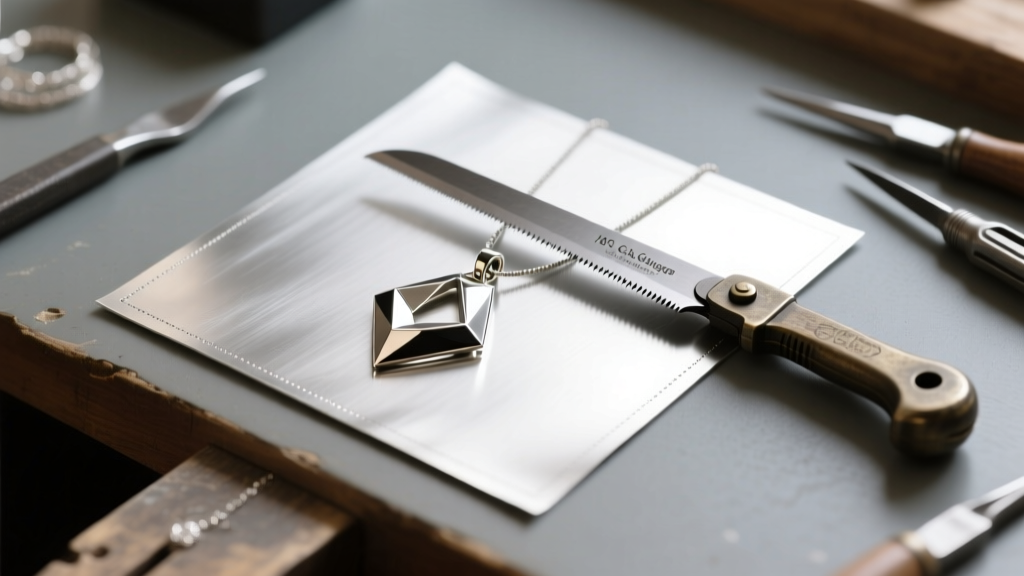
The modern jewelry market is saturated with mass-produced, lightweight pendants that command premium retail markups. When researching how to make a necklace pendant, most beginners assume that DIY fabrication is automatically the most budget-friendly route. However, the reality of metalsmithing requires a nuanced understanding of spot prices, tooling depreciation, and material waste. In 2026, with precious metal markets experiencing continued volatility, calculating the true cost of a handmade pendant means looking far beyond the initial price of a silver sheet.
A standard retail sterling silver pendant weighing 5 grams typically sells for $120 to $250, depending on brand prestige. By contrast, the raw melt value of 5 grams of sterling silver is roughly $3.50 to $4.50. While this massive margin suggests high profitability for the DIY jeweler, you must factor in the cost of saw blades, solder, flux, polishing compounds, and the initial capital required for a micro-torch and bench tools. This guide breaks down the exact economics of pendant fabrication to help you assess whether making your own jewelry yields genuine long-term value.
Material Breakdown: Base Metals vs. Precious Alloys
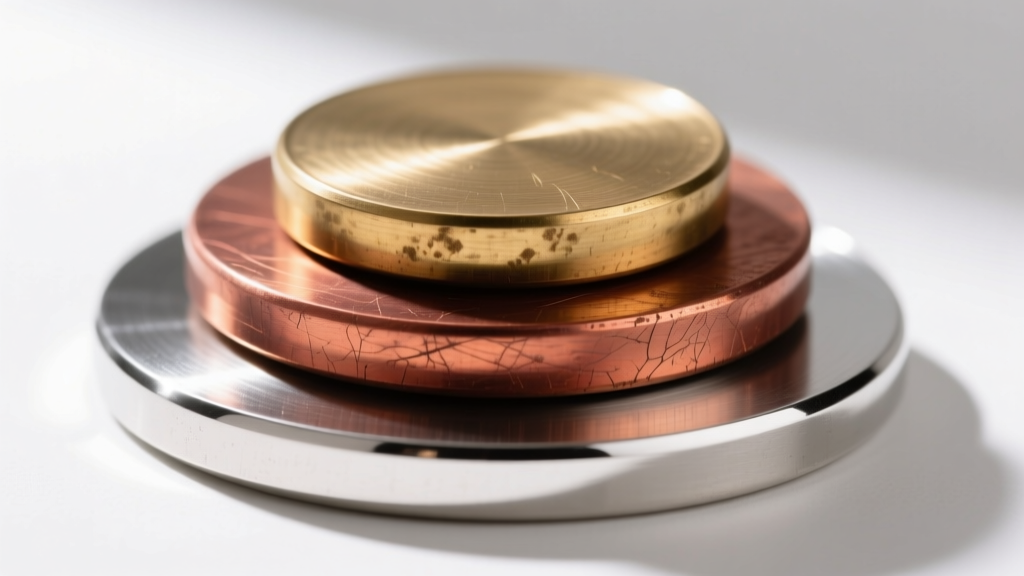
Choosing the right metal is the single most critical budget decision you will make. While base metals like copper and brass are excellent for practicing sawing and soldering techniques, they offer zero resale value and are prone to rapid oxidation. For pendants intended for daily wear or commercial sale, precious alloys are mandatory. Below is a value assessment of the most common pendant materials based on current market averages.
| Material | Grade / Alloy | Approx. Cost per Troy Oz | Tarnish Resistance | Resale / Scrap Value |
|---|---|---|---|---|
| Copper | Pure (C110) | $1.50 - $2.00 | Very Low (Patina) | Negligible |
| Brass | Yellow (C260) | $2.50 - $3.50 | Low | Negligible |
| Sterling Silver | .925 | $35.00 - $45.00 | Moderate | High (Melt Value) |
| Gold-Filled | 14/20 | $40.00 - $55.00 | High | Low (Refining Loss) |
| Palladium White Gold | 14k | $90.00 - $110.00 | Very High | Very High |
According to the Gemological Institute of America (GIA), sterling silver remains the industry standard for accessible fine jewelry due to its optimal balance of malleability, durability, and intrinsic value. For budget-conscious makers, buying dead-soft sterling silver sheet in 18-gauge (1.0mm) thickness provides enough structural integrity for a pendant while minimizing the total gram weight required per piece.
Tooling Investment: Essential vs. Professional Gear
You do not need a $5,000 studio setup to learn how to make a necklace pendant. A highly capable entry-level bench can be assembled for under $150. The key is to invest in high-quality consumables (like saw blades and solder) while economizing on hand tools. Here is a precise budget breakdown for essential fabrication gear:
- Jeweler's Saw Frame & Blades: A standard adjustable frame costs $15-$25. Do not skimp on blades; Swiss-made 2/0 or 3/0 blades ($6 per gross) are mandatory for cutting 18g silver without constant breakage.
- Needle Files: A 6-piece set of diamond or cut-2 steel files ($20-$30) is required for refining edges and fitting the bail.
- Butane Micro-Torch: A high-quality culinary or jewelry butane torch ($35-$50) provides ample heat for soldering small to medium pendants, eliminating the need for an expensive oxy-acetylene setup.
- Soldering Block & Flux: A charcoal block ($15) reflects heat back into the metal. Pair this with a liquid borax-based flux like Stay-Silv ($12) to prevent oxidation during soldering.
- Pickle Solution: Instead of harsh sulfuric acid, use a food-grade citric acid solution or Sparex #2 ($15) kept warm in a dedicated slow cooker to clean oxidation off the silver post-soldering.
Step-by-Step Value Optimization: Fabricating a Silver Pendant
Understanding the metallurgical behavior of silver is what separates amateur crafters from value-driven jewelers. Improper technique leads to material waste, structural failure, and lost capital.
Sawing and Annealing
When cutting your pendant silhouette from an 18-gauge sheet, lubricate your saw blade with beeswax to reduce friction and prevent snapping. After sawing, the metal will be work-hardened and brittle. You must anneal the piece by heating it with your torch until it glows a dull cherry red in low light (approximately 1100°F or 593°C for sterling), then quenching it in water. This realigns the crystalline structure of the silver, making it pliable for texturing or slight bending.
Soldering the Bail: Avoiding Costly Failure Modes
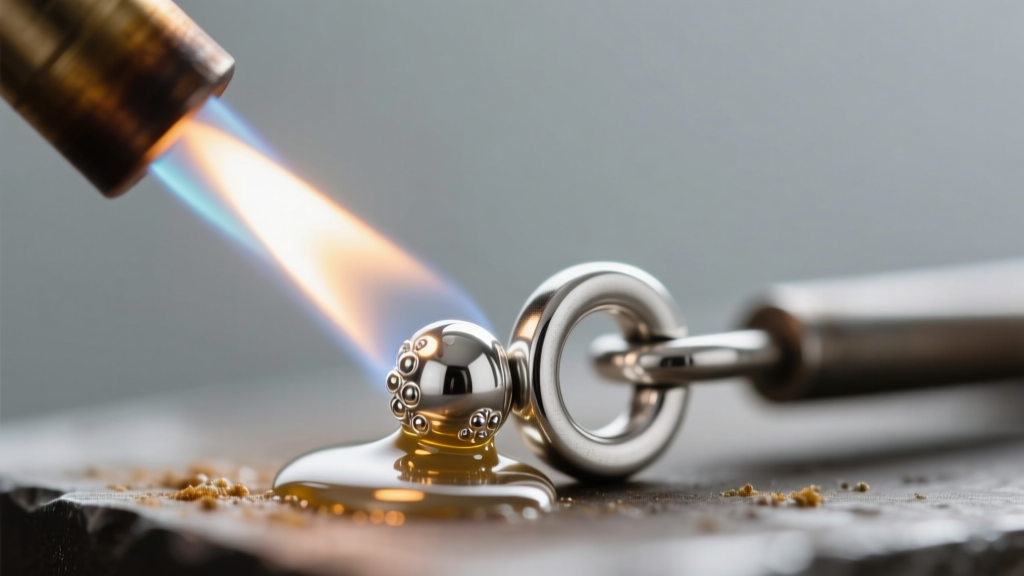
The bail is the loop that connects the pendant to the chain. The most common failure mode in DIY pendants is a 'cold solder joint,' where the solder fails to flow completely into the seam, resulting in a bail that snaps under the weight of a chain. To prevent this, use Medium Silver Solder (melting point ~1390°F / 754°C) for the initial bail attachment. Ensure the mating surfaces are perfectly flush—light cannot pass through the joint—and apply flux generously. Heat the entire pendant evenly, allowing the solder to flash and capillary into the seam.
ROI Analysis: DIY Fabrication vs. Retail Purchasing
Let us evaluate the return on investment by comparing a handmade 5-gram geometric sterling silver pendant against a comparable retail piece. If you purchase a 1-ounce sheet of 18g sterling silver for $40, you can theoretically yield five 5-gram pendants, bringing the raw material cost to $8 per piece. Add roughly $2 per piece for consumables (solder, flux, polishing compound, and saw blade depreciation). Your total hard cost per pendant is approximately $10.
A comparable 5-gram cast pendant from a mid-tier retail brand retails for $140. Even accounting for 4 hours of labor at a beginner's pace, the value generation is immense. However, this ROI flips if you attempt complex stone-setting or lost-wax casting at home without proper training, as the cost of ruined gemstones and specialized equipment quickly eclipses retail pricing. For simple, elegant, die-cut or hand-sawn pendants, DIY fabrication offers unmatched financial value.
Sourcing Authentic Materials to Protect Your Investment
The greatest threat to your budget is purchasing counterfeit or under-karated metals from unverified online marketplaces. To ensure your pendants hold their intrinsic scrap and resale value, you must source from established, reputable bullion and jewelry suppliers. Industry leaders like Rio Grande and Halstead provide certified .925 sterling silver and accurate assay reports. While their upfront cost per ounce might be marginally higher than anonymous marketplace vendors, the guarantee of alloy purity ensures your final product meets fine jewelry standards, protecting both your reputation and your financial investment.
Ultimately, learning how to make a necklace pendant is an exercise in material science and economic discipline. By mastering your tooling, respecting the metallurgy of precious alloys, and sourcing ethically verified metals, you transform a simple craft into a highly valuable, cost-effective jewelry practice.


