How to Match Necklines and Necklaces: A Step-by-Step Guide
Expert guide to matching necklines and necklaces. Learn chain gauges, precise lengths, and fabric pairings for a flawless jewelry look.

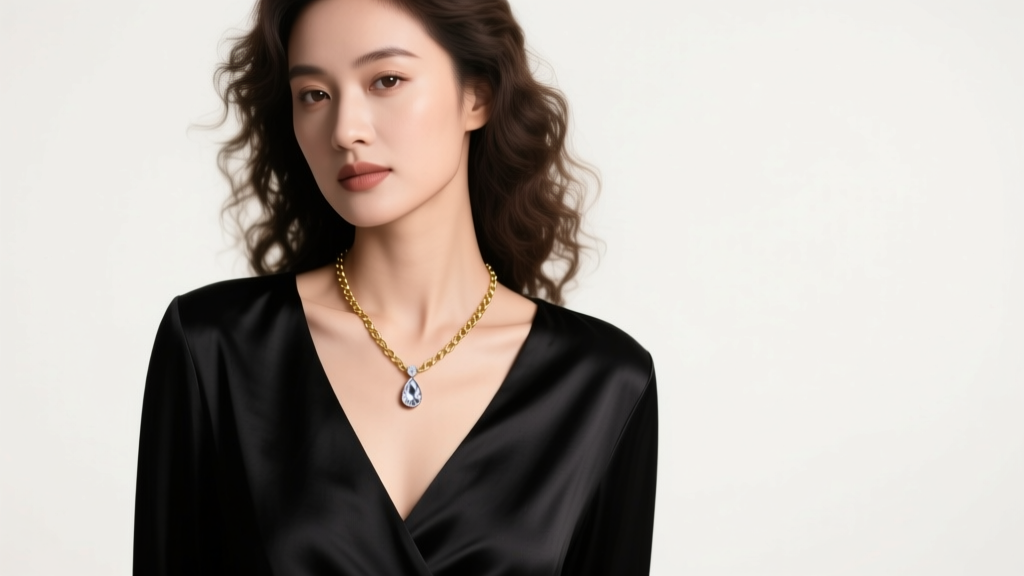
Mastering the interplay between necklines and necklaces is one of the most impactful styling skills you can develop. A poorly matched necklace can tangle in your collar, visually shorten your neck, or clash with the structural lines of your garment. Conversely, a strategically chosen pendant or chain can elongate your silhouette, highlight your collarbones, and elevate a basic outfit into a deliberate, curated look.
This step-by-step guide moves beyond vague fashion advice. We will break down the exact geometry of necklines, the precise chain gauges required for different fabric weights, and the specific necklace lengths that create optical harmony. Whether you are styling a 14k gold cable chain or a heavy gemstone pendant, this framework will ensure your jewelry always complements your wardrobe.
The Core Framework: Framing vs. Filling
Before selecting a specific piece, you must determine the visual goal for your outfit's negative space. When analyzing necklines and necklaces, stylists rely on two primary techniques:
- Framing (The Parallel Rule): The necklace mimics and echoes the shape of the neckline. This creates a cohesive, structured look that emphasizes the garment's architecture. A V-neck paired with a Y-drop pendant is a classic example of framing.
- Filling (The Contrast Rule): The necklace intentionally breaks the lines of the neckline to fill empty space. A curved, multi-strand bib necklace worn over a stark, geometric square neckline creates high-impact contrast.
Expert Insight: Never let a necklace rest exactly on the seam of a collar or hemline. This creates visual tension and physical friction. Always aim for at least a 0.5-inch gap of negative space between the metal and the fabric edge.
Step-by-Step Pairing Guide by Neckline
1. The Crew Neck
The crew neck sits high and close to the base of the throat, offering very little negative space. The most common mistake is wearing an 18-inch princess chain, which ends up sitting directly on the fabric seam, causing the clasp to slide forward and the chain to bunch.
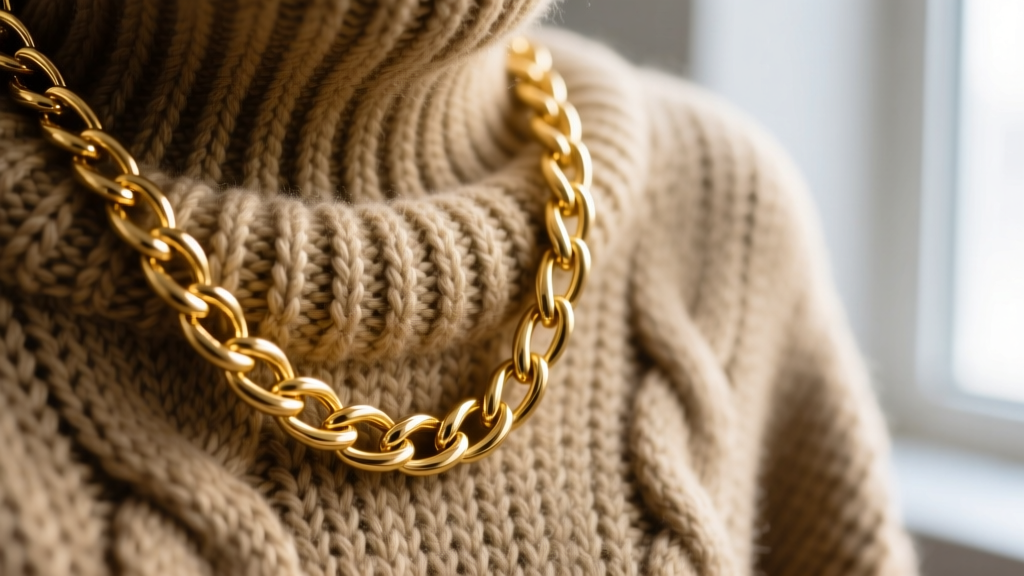
The Solution: Go extreme. Either choose a tight 14-to-15-inch choker that sits entirely above the collarbone, or drop down to a 22-to-24-inch matinee length that rests completely below the collar. If you opt for the matinee, select a chain with a heavier gauge (2.0mm to 3.0mm) to ensure it lays flat against the cotton or wool of the crew neck sweater.
2. The V-Neck & Plunge
V-necks create a natural downward arrow that elongates the neck. Your jewelry should follow this geometric trajectory. According to The Knot's comprehensive necklace length guide, the 18-inch princess length is the universal standard for V-necks because it naturally rests in the center of the exposed chest area.
The Solution: Pair the V-neck with a pendant that mirrors the 'V' shape. Teardrop, pear-cut, or marquise gemstones set in a floating bail work perfectly. Avoid wide, horizontal pendants (like a thick bar necklace), as they will visually chop the elongating effect of the V-neck in half.
3. Sweetheart & Scoop
These necklines feature curved, open horizontal lines that expose the collarbones and upper chest. The goal here is to complement the curve without competing with it.
The Solution: A 16-inch collar or a delicate 18-inch chain with a small, rounded pendant (like a bezel-set cabochon or a simple pearl) works beautifully. For scoop necks, layered chains of 16 and 18 inches create a cascading effect that fills the broader expanse of exposed skin without overwhelming the delicate curve of the hemline.
4. Halter & Off-the-Shoulder
Halter necks and off-the-shoulder tops are inherently complex. They introduce straps, ties, and structural elements around the neck and shoulders. Adding a standard necklace often results in a cluttered, tangled mess.
The Solution: Skip the traditional necklace entirely. Instead, draw attention upward with statement earrings. If you must wear a necklace with a halter, use a 30-to-36-inch opera-length chain worn long and open (unclasped, if it has a lariat style) to create a vertical line that cuts through the horizontal complexity of the halter straps.
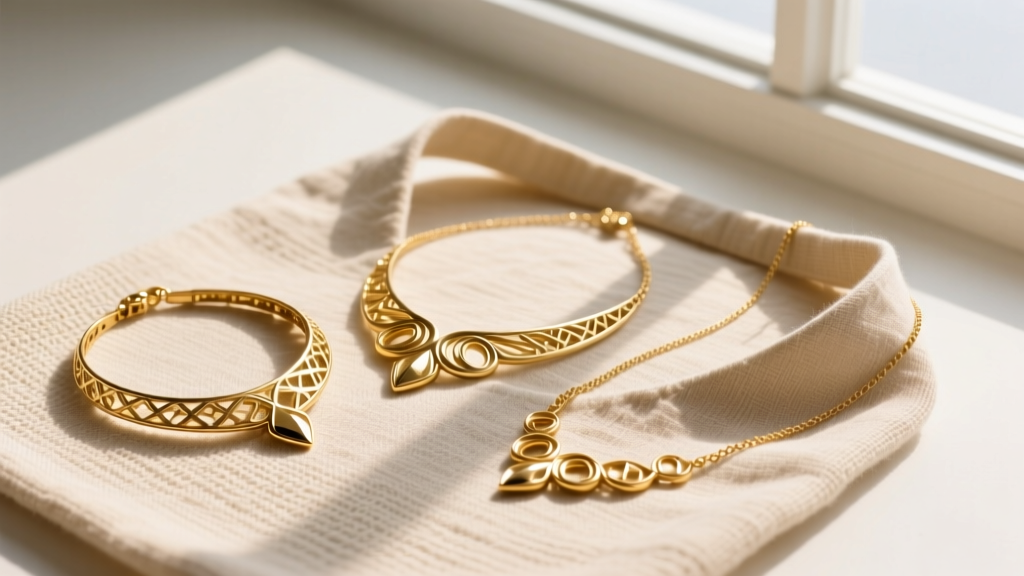
The Matrix: Quick Reference Chart
Use this decision matrix to quickly identify the optimal pairing for your most common garments. This chart factors in both length and pendant weight distribution.
| Neckline Type | Ideal Length | Recommended Chain Style | Pendant Shape | What to Avoid |
|---|---|---|---|---|
| Crew Neck | 14" (Choker) or 24" (Matinee) | Box or Rope (1.5mm+) | Solitaire or None | 18" Princess chains |
| V-Neck | 18" (Princess) | Cable or Snake (1.0mm - 1.5mm) | Teardrop, Pear, Y-Drop | Wide horizontal bars |
| Scoop / Sweetheart | 16" (Collar) to 18" | Delicate Cable or Bead Chain | Round, Oval, Pearl | Heavy, oversized pendants |
| Square Neck | 16" to 18" | Cuban or Figaro (2.0mm+) | Geometric, Square, Bar | V-shaped pendants |
| Off-the-Shoulder | 14" (Choker) or 32" (Opera) | Velvet ribbon or Lariat | Minimalist stud or Tassel | Standard mid-length chains |
Material Weight and Fabric Pairing
Understanding the physics of your jewelry is just as important as the visual aesthetics. The Gemological Institute of America (GIA) provides extensive education on how different settings and metals interact with environmental factors, but fabric friction is a daily concern that requires practical troubleshooting.
Chain Gauges vs. Fabric Weights
A chain's gauge (thickness) dictates how it drapes and how it interacts with textile fibers. Pairing the wrong gauge with the wrong fabric will result in damaged clothing or warped jewelry.
- Delicate Chains (0.8mm - 1.2mm): Ideal for silk, chiffon, and fine satin. These lightweight chains will not pull or warp delicate bias-cut fabrics. However, they will easily snap if caught on the looped threads of a chunky knit sweater.
- Medium Chains (1.5mm - 2.5mm): The versatile workhorses. Perfect for cotton t-shirts, denim, and standard wool blends. They have enough structural integrity to hold pendants weighing up to 5 grams without stretching the links.
- Heavy Chains (3.0mm - 6.0mm+): Reserved for heavy knits, tweed, leather, and outerwear. A thick Cuban link chain will destroy a silk blouse through sheer friction, but it will sit perfectly against the dense pile of a winter coat.
Metal Hardness and Snagging
When styling necklines and necklaces, consider the Mohs hardness and malleability of your metal. 18k yellow gold is softer and more prone to scratching when rubbed against abrasive fabrics like raw denim or sequined bodices. If you are wearing a highly textured garment, opt for platinum or 14k white gold, which offer superior scratch resistance and structural rigidity.
Troubleshooting Common Pairing Mistakes
Even with the right length, technical failures can ruin the look. Here is how to troubleshoot the three most common issues when matching necklines and necklaces:
1. The 'Floating' Clasp
The Problem: Your pendant slides around to the side of your neck, and the clasp constantly migrates to the front of your collarbone. The Fix: This happens when the chain is too light for the pendant. The center of gravity is off. Add a small silicone necklace spacer or use a chain that is at least 1.5mm thick to provide enough counterweight to keep the clasp anchored at the nape of your neck.
2. The Tangled Layer
The Problem: You are layering two chains over a scoop neck, but they continuously knot together. The Fix: Ensure there is a minimum 2-inch difference between the lengths of the layered chains (e.g., a 16-inch and an 18-inch). Furthermore, mix the chain textures. Pairing a smooth snake chain with a textured rope chain reduces the surface friction that causes them to twist and bind together.
3. The Disappearing Pendant
The Problem: Your beautiful gemstone pendant gets lost visually against a busy, patterned blouse. The Fix: Contrast the metal color against the dominant tone of the pattern. If the blouse has warm, busy floral tones, use a stark white metal (platinum or rhodium-plated silver) to create a high-contrast border around the gemstone, separating it from the visual noise of the fabric.
By treating your jewelry and your wardrobe as an integrated system of geometry, weight, and texture, you eliminate guesswork. Use these precise measurements and material rules to ensure your necklaces always enhance, rather than compete with, your chosen necklines.


