How to Choose the Right Necklace Chain Length: A Step-by-Step Guide
Learn how to measure and choose the perfect necklace chain length for any neckline, pendant weight, and body type with our step-by-step styling guide.

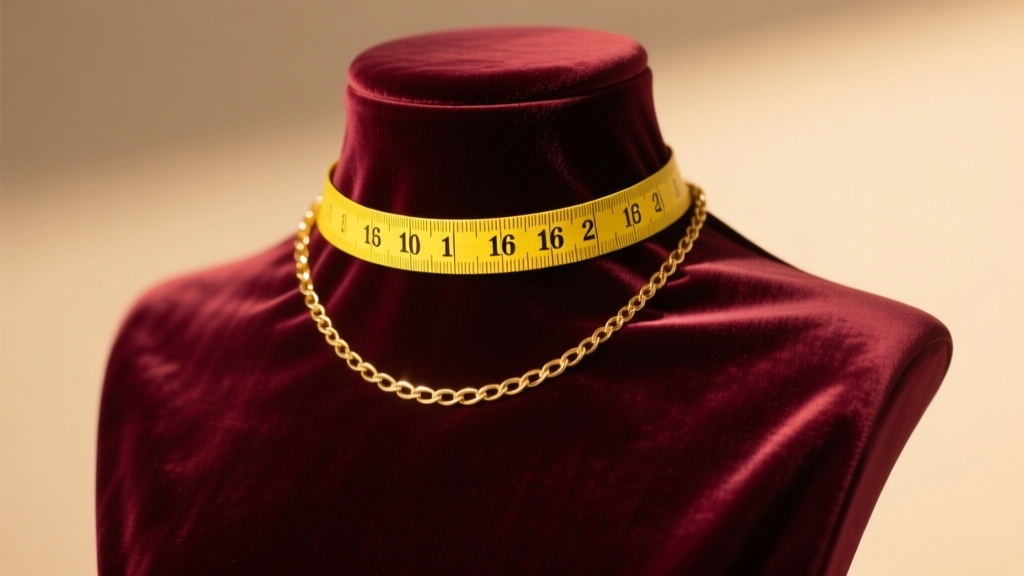
Finding the perfect necklace chain length is a precise intersection of anatomy, physics, and personal style. Whether you are threading a delicate 0.8mm cable chain through a diamond solitaire or layering heavy Cuban links for a modern 2026 streetwear aesthetic, guessing your size leads to poor proportions and uncomfortable wear. A chain that is even half an inch too short can feel restrictive, while one that is slightly too long may fail to frame your neckline correctly.
This comprehensive, step-by-step guide will teach you how to accurately determine your ideal necklace chain length, account for hidden hardware variables, and match your chains to specific necklines and body proportions.
The Step-by-Step Guide to Measuring Your Ideal Fit
Do not rely on guessing or wrapping a rigid metal tailor's tape around your neck, which can kink and provide false measurements. Follow these three steps for precision.
Step 1: The Non-Stretch String Test
Cut a piece of non-stretch cotton string or use a flexible silicone jeweler's measuring tape. Drape it around your neck and adjust it to where you want the bottom of the pendant or the center of the chain to rest. Mark the meeting point with a pen, then lay the string flat against a standard ruler. This gives you your base visual length.
Step 2: Calculate the Bail Drop
The bail (the loop that connects a pendant to the chain) adds hidden length. A standard 4mm to 6mm bail adds approximately 0.25 to 0.4 inches of visual drop. If your string test indicates you want the pendant to rest exactly at 16 inches, but you are using a large 10mm bail, you actually need a 15.5-inch chain to achieve that exact placement.
Step 3: Factor in Clasp Hardware
Jewelry retailers measure chains from the very end of the jump ring to the very end of the clasp. A standard 5x9mm lobster clasp and its accompanying jump ring add roughly 0.5 inches to the total wearable length. When custom-ordering a chain, specify whether your desired measurement includes or excludes the hardware.
Standard Necklace Chain Lengths and Where They Fall
According to Blue Nile's necklace length guide, the industry relies on standard increments. However, how these lengths fall on your body depends entirely on your neck circumference and torso length.
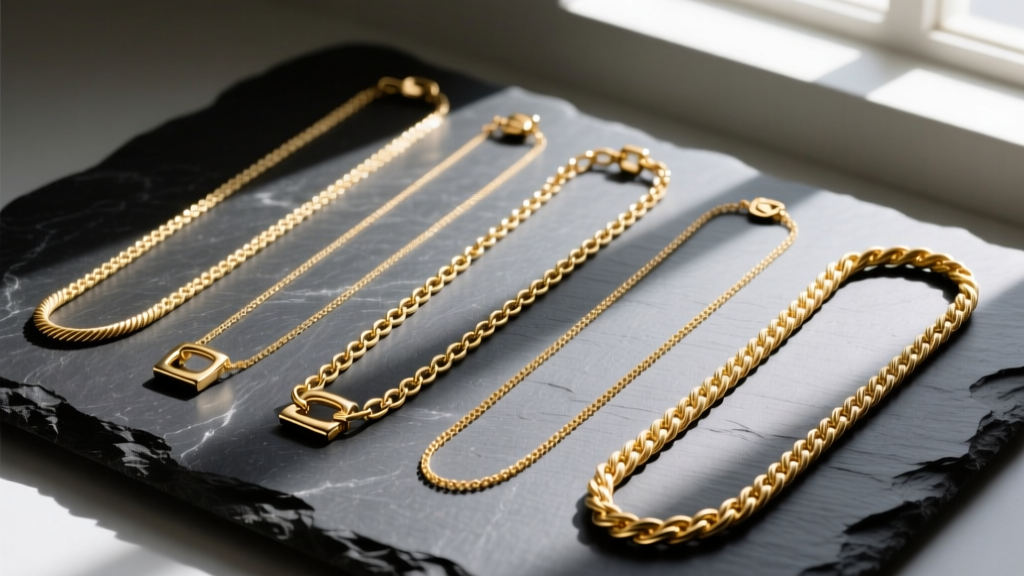
| Length (Inches / cm) | Industry Name | Average Fall Position | Best Necklines |
|---|---|---|---|
| 14" (35cm) | Collar | Tightly wraps base of neck | Off-shoulder, Boatneck |
| 16" (40cm) | Choker | Rests on the collarbone | Crew, Scoop, V-Neck |
| 18" (45cm) | Princess | Just below the collarbone | Any (Universal standard) |
| 20" - 22" (50-55cm) | Matinee | Top of the bust / cleavage | High neck, Turtleneck |
| 24" - 30" (60-76cm) | Opera | Center of bust to sternum | Plunging V, Evening wear |
How to Match Chain Length to Neckline and Anatomy
The interplay between your clothing and your jewelry dictates the visual balance of your outfit. As layering trends continue to dominate in 2026, understanding these pairings is critical.
Neckline Pairings
- Crew Necks: The collarbone-skimming 16-inch choker or an 18-inch princess chain with a small, geometric pendant works best. Avoid chains that end exactly at the seam of the collar, as this creates visual clutter.
- V-Necks: Mirror the geometry of the shirt. An 18-inch or 20-inch chain with a Y-drop or a teardrop pendant that sits roughly one inch above the apex of the V-neck creates a seamless, elongating line.
- Scoop Necks: These expose a wide canvas of the chest. Opt for a 16-inch chain layered with a 20-inch chain to fill the negative space without competing with the garment's hem.
Body Type and Neck Proportions
A standard 16-inch chain will act as a tight collar on someone with a 15-inch neck circumference, but will hang as a loose princess length on someone with a 13-inch neck. The Spruce Crafts recommends measuring your actual neck circumference and adding 2 to 4 inches to find your most comfortable baseline 'choker' or 'collar' length. For petite frames (under 5'4"), chains longer than 24 inches can overwhelm the torso, visually shortening your height. Conversely, plus-size individuals or those with longer torsos often find that standard 18-inch chains sit too high; upgrading to a 20-inch or 22-inch baseline provides a much more flattering, proportional drape.
Technical Considerations: Gauge, Weight, and Hardware
Choosing a necklace chain length is not just about aesthetics; it is a structural engineering decision. The longer the chain, the more tensile stress is placed on the individual links and the clasp.
Metal Purity and Tensile Strength
If you prefer ultra-delicate chains (0.8mm to 1.0mm box or cable chains), be cautious with length. 18k gold is exceptionally soft. A 24-inch 18k gold box chain under 1.2mm will gradually stretch out of shape from the sheer weight of its own links over a year of daily wear. For long, delicate chains, opt for 14k gold, platinum, or stainless steel, which offer superior tensile strength and resist elongation.
Clasp Upgrades for Longer Lengths
Standard spring ring clasps are notorious for fatigue failure and are only suitable for lightweight chains under 18 inches. If you are purchasing a 20-inch to 30-inch chain, or attaching a heavy pendant, you must upgrade to a lobster clasp or a magnetic neodymium clasp. Ensure the jump ring connecting the clasp to the chain is soldered shut; an open jump ring will easily pull apart under the swinging pendulum weight of a long chain.
Troubleshooting Common Chain Length Mistakes
"The most common mistake I see in the repair shop is customers forcing a heavy pendant onto a 16-inch, 0.9mm chain. The pendant rests too high, the chain takes all the friction at the bail, and eventually, it snaps. Always match the chain gauge and length to the weight of the focal piece." — Master Bench Jeweler
What to do if your chain is too short?
Do not pull or stretch it. Purchase a 2-inch to 3-inch chain extender. These are inexpensive, easily attached via the existing clasp, and allow you to fluctuate between a choker and a princess length depending on your outfit.
What to do if your chain is too long?
If a chain lacks a clasp that allows for easy shortening, a jeweler can remove links and re-solder the jump ring in under 15 minutes. Alternatively, you can use a small, silicone necklace tightener or a discreet safety pin at the nape of the neck to bunch the excess chain, though this is only recommended for temporary fixes on lightweight metals.
Final Thoughts
Mastering your necklace chain length transforms jewelry from a mere accessory into a tailored extension of your personal style. By utilizing the string test, accounting for bail drops, and respecting the tensile limits of your chosen metal gauge, you can curate a collection that fits flawlessly and lasts a lifetime.


