How to Open a Necklace: Clasp Types, Value & Repair Costs
Learn how to open a necklace safely without breaking the clasp. Compare clasp values, repair costs, and upgrade options to protect your jewelry.

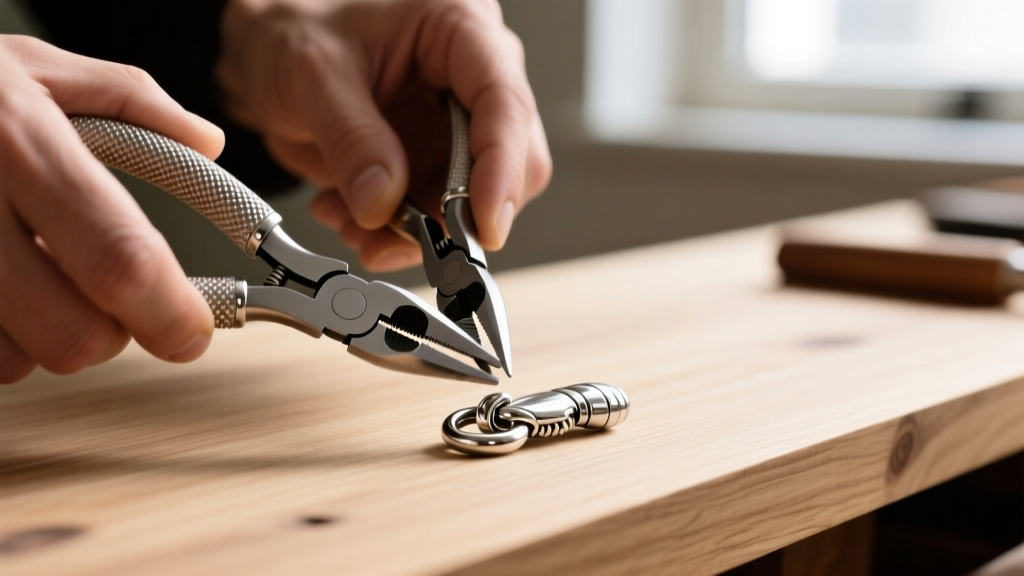
Learning how to open a necklace properly is one of the most overlooked aspects of jewelry ownership. Every year, thousands of dollars in precious metals and gemstones are lost or damaged simply because a wearer forced a stubborn clasp. From a budget and value assessment perspective, the clasp is the most critical point of failure on any chain. In 2026, with jeweler bench fees averaging $45 to $85 just for basic soldering, destroying a delicate finding through improper handling is an expensive mistake.
This guide breaks down the mechanics of common necklace clasps, provides step-by-step instructions on how to open them without causing metal fatigue, and evaluates the true cost of repair versus upgrading your findings for long-term value retention.
The Hidden Cost of Stubborn Necklace Clasps
When you purchase a necklace, the appraisal or retail value rarely accounts for the mechanical vulnerability of the clasp. A $4 stamped lobster clasp is often tasked with securing a $2,000 diamond pendant. When lotion, skin oils, and environmental dust calcify the internal spring mechanism, the clasp seizes.
Forcing a seized clasp leads to three primary financial losses:
- Component Replacement: Replacing a broken 14k gold lobster clasp costs between $35 and $60, plus labor.
- Chain Damage: Yanking a stuck clasp can stretch or snap the jump rings, requiring chain reconstruction ($50+).
- Pendant Loss: The ultimate budget disaster. If a forced clasp suddenly snaps open under tension, the pendant can slip off and be lost forever.
According to the Gemological Institute of America (GIA), regular cleaning and proper mechanical handling of jewelry findings are essential to preserving the structural integrity and long-term value of your pieces.
Step-by-Step: How to Open a Necklace by Clasp Type
Different clasps require different mechanical approaches. Understanding the engineering of your specific clasp will save you money on avoidable repairs.
1. Spring Ring Clasps (The Budget Standard)
Spring rings are the most common and affordable clasps, typically found on chains valued under $300. They contain a tiny internal coil spring that pushes a metal tab back to open the ring.
- How to open: Use your thumbnail to push the small lever straight down along the curve of the ring.
- Value Warning: Never use your teeth or metal tweezers. Teeth introduce acidic saliva that degrades low-karat alloys, while metal tweezers will scratch the polished surface, lowering the resale value of vintage pieces.
- Troubleshooting: If the lever won't push down, the internal spring is likely calcified. Soak the clasp in warm water with a drop of mild dish soap for 10 minutes, then gently work the lever back and forth. Do not force it, or the internal spring will snap.
2. Lobster Clasps (The Mid-Tier Workhorse)
Lobster clasps are shaped like a lobster's claw and offer better security than spring rings. They are standard on mid-range gold and sterling silver chains.
- How to open: Pinch the top and bottom of the clasp body while pulling the lever down and slightly toward you.
- Value Warning: Cheap lobster clasps are stamped from hollow sheet metal. If you squeeze the body too hard while opening it, the hollow metal will cave in, permanently jamming the mechanism. Always opt for solid cast lobster clasps when upgrading.
3. Barrel and Fishhook Clasps (The Vintage Standard)
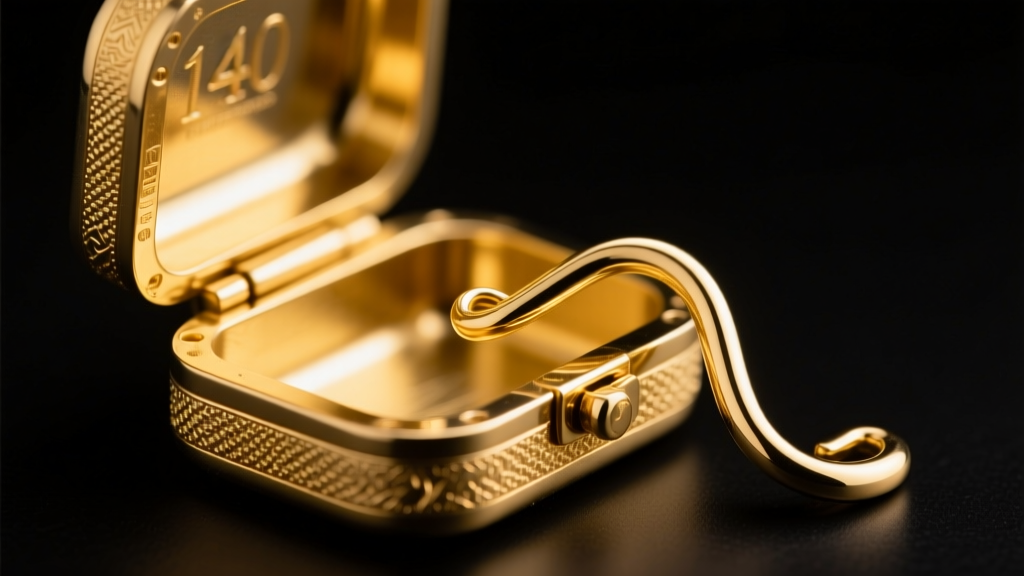
Often found on vintage pearl necklaces and antique gold chains, barrel clasps screw together. Fishhook clasps involve weaving a hook through a figure-eight safety wire.
- How to open (Barrel): Hold the chain on both sides of the clasp. Twist the two halves in opposite directions. Never pull while twisting, as this will cross-thread the delicate internal screws, stripping the metal and ruining a finding that can cost over $100 to custom-replace.
- How to open (Fishhook): Squeeze the sides of the 'fish' body to compress the hook, then slide it backward out of the barrel. If it catches, use a wooden toothpick to gently lift the hook over the internal ridge.
4. Box Clasps with Safety Latches (The High-End Investment)
Box clasps are used on heavy, high-value chains like 5mm+ Cuban links or multi-strand pearl necklaces. They feature a folding tongue that clicks into a boxed groove, secured by a wire safety latch.
- How to open: First, locate the safety latch (a thin wire on the side). Push the wire up and away from the box. Never pull the wire straight out, as this will bend the 20-gauge wire beyond its yield point. Once the safety is clear, press the small metal lever on the top of the box to release the internal tongue.
"The number one reason box clasps fail is that owners pull the safety latch outward instead of lifting it upward. Once that safety wire is bent, the clasp loses 80% of its security value, and the chain is at high risk of slipping off." — Master Bench Jeweler Assessment
Clasp Value Assessment: Repair vs. Upgrade Matrix
When a clasp breaks or becomes too difficult to open, you must decide whether to repair the original finding or upgrade. The table below outlines the financial and practical value of each approach based on current 2026 market rates.
| Clasp Type | Avg. Retail Value | Repair Cost | Upgrade Value Verdict |
|---|---|---|---|
| Spring Ring (5-7mm) | $5 - $15 | $25 - $35 (Labor) | Replace. Repairing is financially illogical. Upgrade to a solid lobster clasp. |
| Lobster (Stamped) | $15 - $30 | $30 - $45 | Replace. Upgrade to a cast lobster or locking carabiner for better security. |
| Lobster (Solid Cast) | $40 - $120 | $45 - $65 | Repair. If the lever is bent, a jeweler can reshape it. High intrinsic gold value. |
| Box Clasp (14k/18k) | $80 - $250+ | $60 - $120 | Repair. Custom box clasps are expensive. Have a jeweler re-tension the tongue. |
| Magnetic (Neodymium) | $30 - $85 | $40 (Re-gluing) | Replace. If the magnet loses polarity or glue fails, buy a new converter. |
When to Stop Forcing It: Assessing Metal Fatigue
Metals suffer from 'work hardening.' Every time you bend a jump ring or a clasp lever, the crystalline structure of the metal becomes more brittle. Sterling silver (Mohs hardness 2.5-3) is particularly susceptible to fatigue cracking at the solder joints.
If you notice a visible gap in the jump ring connecting the clasp to the chain, or if the clasp lever feels 'mushy' rather than offering a crisp spring-back, stop immediately. The American Gem Society (AGS) recommends having a professional jeweler inspect high-value chain connections annually. A $35 laser-welding fee to close a microscopic gap in a jump ring is a fraction of the cost of replacing a lost 2-carat diamond solitaire.
Budget-Friendly Upgrades for Everyday Wear
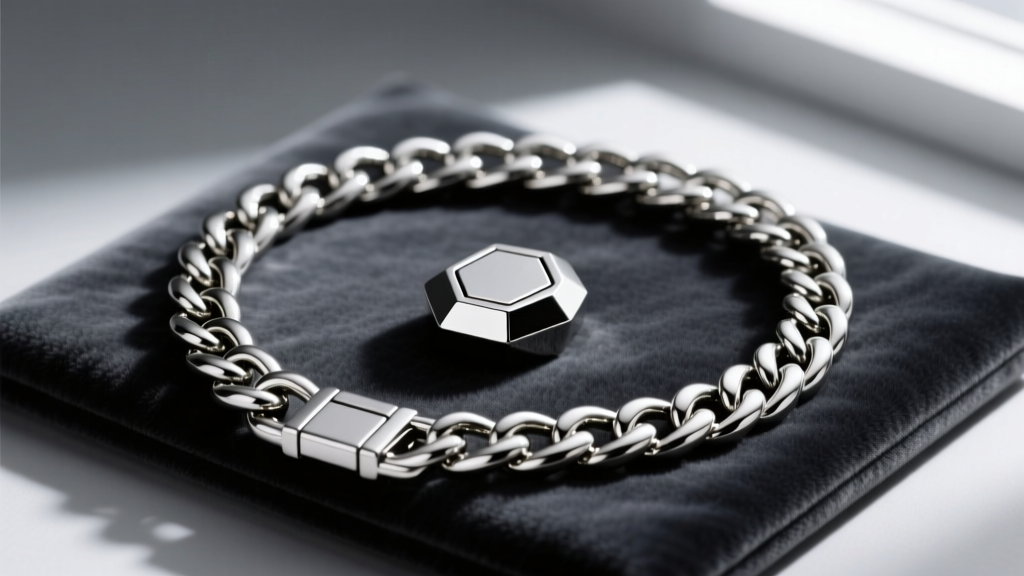
If you struggle with arthritis, poor eyesight, or simply the frustration of tiny spring rings, upgrading your clasp is a high-value investment for your daily wear jewelry.
Magnetic Clasp Converters
For chains under 40 grams, a neodymium N52-grade magnetic clasp converter ($35-$60) is an excellent upgrade. These feature strong rare-earth magnets encased in stainless steel or gold vermeil. They snap together effortlessly, eliminating the mechanical wear and tear of lever-based clasps. However, they are not recommended for heavy chains or high-value pendants, as a sharp tug can separate the magnets.
Locking Carabiner Clasps
Popularized by high-end streetwear and heavy gold chains, locking carabiners feature a threaded barrel that screws over the lever gate. Priced between $45 and $150 depending on the karat weight, they offer the highest security-to-price ratio on the market. They completely eliminate the risk of accidental unclipping, making them the ultimate value proposition for securing expensive pendants.
Essential Tools for the Budget-Conscious Collector
You do not need to visit a jeweler for every minor clasp issue. Keep these three budget-friendly tools at home to safely manage your jewelry:
- Nylon-Jaw Micro-Pliers ($12): Unlike steel pliers, nylon jaws will not mar or scratch soft gold or silver when you need to gently squeeze a stretched jump ring closed.
- Clasp Opening Tool ($4): A small, ergonomic plastic wand with a hooked metal tip designed to hook under spring ring levers, saving your fingernails and providing better leverage.
- Jeweler's Loupe (10x Magnification, $15): Essential for inspecting the solder joints on your jump rings and checking for microscopic cracks before they result in a broken chain.
Conclusion: Protecting Your Jewelry Investment
Knowing how to open a necklace correctly is not just about convenience; it is a fundamental practice in jewelry asset management. By respecting the mechanical limits of your clasps, performing basic maintenance, and making strategic upgrades when necessary, you ensure that your necklaces remain secure and retain their maximum resale and sentimental value for decades to come. Treat your findings with the same care you give your gemstones, and your jewelry will reward you with lifelong reliability.


