How to Read the Colors of a Mood Necklace: A Step-by-Step Guide
Learn how to read the colors of a mood necklace with our step-by-step guide. Discover the thermochromic science, color charts, and care tips.

The Thermochromic Science Behind the Magic
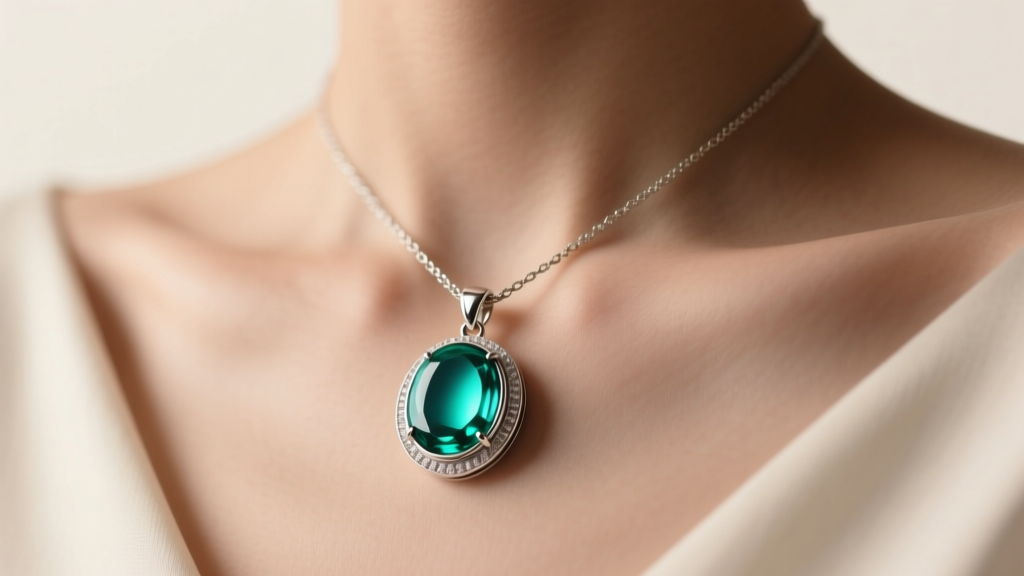
Before diving into the step-by-step process of interpreting your jewelry, it is crucial to understand the science dictating the colors of a mood necklace. Unlike traditional gemstones that rely on light refraction through crystalline lattices, mood pendants utilize thermochromic liquid crystals. Specifically, these are cholesteric liquid crystals encased within a hollow glass or quartz vial.
When your peripheral skin temperature changes, it alters the physical pitch (the twist) of these liquid crystals. This microscopic twisting changes the wavelength of light that is reflected back to your eye. For instance, a tighter twist reflects shorter wavelengths (blues and violets), while a looser twist reflects longer wavelengths (reds and oranges). Understanding this thermal dependency is the first step to accurately reading your pendant, as ambient room temperature and the thermal conductivity of the metal setting (sterling silver conducts heat much faster than brass or stainless steel) will heavily influence the colors of a mood necklace at any given moment.
Step 1: Calibrating Your Baseline Temperature
To get an accurate reading, you must first establish a baseline. The human body's core temperature rests around 98.6°F (37°C), but peripheral skin temperature—especially at the chest and neck where a pendant rests—fluctuates between 70°F and 85°F (21°C to 29°C) based on blood flow, stress, and environment.
The Calibration Process
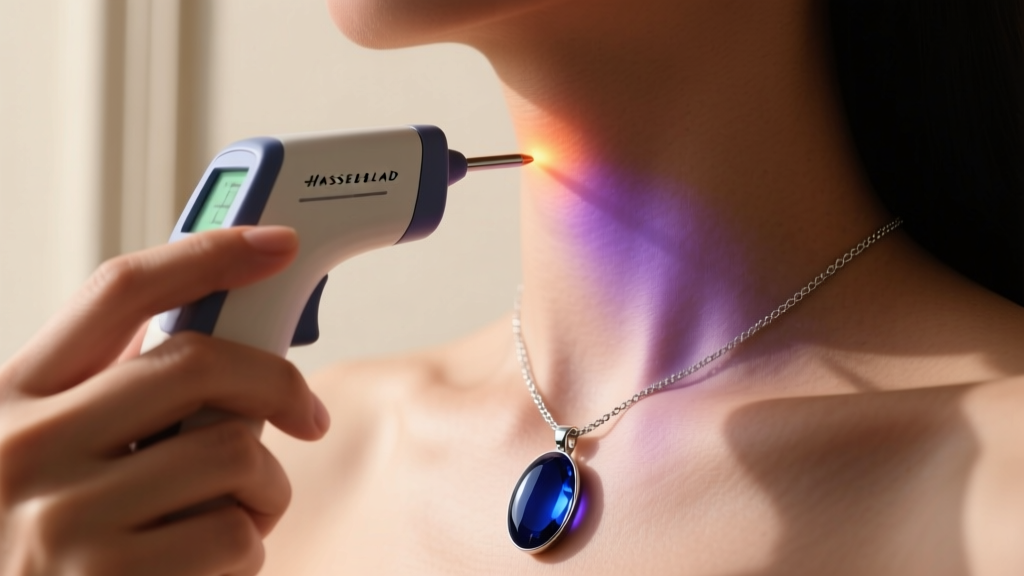
- Acclimate the Metal: Hold the pendant in your palm for 60 seconds before putting it on. This prevents the initial 'shock' of cold metal from skewing the liquid crystals into a false black or gray reading.
- Check the Ambient Room: If your room is below 68°F (20°C), the pendant will likely default to darker, cooler colors regardless of your actual emotional state. Aim for a room temperature of 72°F (22°C) for the most accurate baseline.
- Wait for Equilibrium: Once placed against your sternum, wait exactly 3 to 5 minutes. The glass vial acts as a slight insulator, meaning the thermochromic liquid takes time to match your exact skin temperature.
Step 2: Decoding the Colors of a Mood Necklace
Once your pendant has reached thermal equilibrium, you can begin interpreting the display. Below is the definitive color chart, mapped to specific temperature thresholds and their corresponding physiological 'moods'.
| Color Displayed | Skin Temp Range | Physiological State | Associated Mood |
|---|---|---|---|
| Black / Dark Gray | Below 70°F (21°C) | Restricted peripheral blood flow | Stressed, Anxious, or Cold |
| Amber / Orange | 70°F - 74°F (21°C - 23°C) | Slightly elevated heart rate | Nervous, Restless, or Uneasy |
| Yellow-Green | 75°F - 78°F (24°C - 26°C) | Normal resting baseline | Calm, Average, or Content |
| Teal / Bright Green | 79°F - 82°F (26°C - 28°C) | Optimal relaxed circulation | Happy, Relaxed, or Peaceful |
| Deep Blue / Violet | 83°F - 86°F (28°C - 30°C) | Increased surface blood flow | Passionate, Excited, or Amorous |
According to gemological experts at the Gemological Institute of America (GIA), the purity of the leuco dyes mixed with the liquid crystals determines the vibrancy of these shifts. Cheaper, mass-produced pendants often use diluted dyes, resulting in muddy transitions rather than the crisp color changes detailed above.
Step 3: Troubleshooting Stuck or Cloudy Colors
A common frustration among wearers is when the colors of a mood necklace become 'stuck' on a single hue, or the stone turns completely clear or pitch black. Here is how to troubleshoot these specific failure modes:
The 'Permanent Black' Failure Mode
If your pendant is stuck on black even when you are warm, the glass or quartz vial has likely suffered a micro-fracture. This allows air to enter the chamber, oxidizing the liquid crystals and destroying their thermochromic properties. Unfortunately, this is irreversible, and the pendant must be replaced.
The 'Cloudy Clear' Water Damage Issue
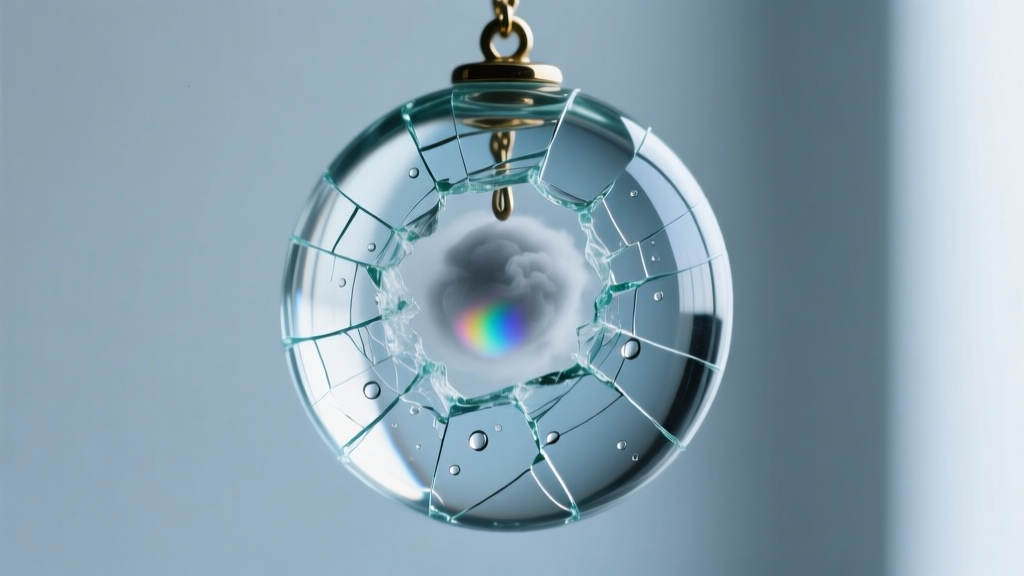
Showering or swimming with your necklace is the fastest way to ruin it. If water breaches the seal, it mixes with the leuco dyes, causing them to clump and lose their light-refracting capabilities. The stone will appear cloudy, milky, or completely clear. Pro Tip: Always remove thermochromic jewelry before exposure to high humidity or submersion in water to preserve the chemical integrity of the dye.
UV Degradation
Prolonged exposure to direct, harsh sunlight can break down the molecular bonds in the liquid crystals over time. If your necklace stays a permanent, dull yellow-green regardless of temperature, it has suffered UV bleaching. Store your pendant in a dark jewelry box when not in use to extend its lifespan.
Step 4: Styling and Layering Based on Your Mood Color
Reading the colors of a mood necklace is only half the fun; styling your outfit to complement the active color elevates the piece from a nostalgic novelty to a deliberate 2026 fashion statement.
- When the Pendant is Blue/Violet: These cool, deep tones pair beautifully with silver chain layering. Try layering your mood pendant on a 16-inch sterling silver snake chain with a 20-inch oxidized silver link chain. The cool metals will amplify the icy blue hues of the thermochromic stone.
- When the Pendant is Green/Teal: Lean into earthy, organic aesthetics. Layer the mood necklace with matte finish beads, such as unpolished turquoise or green aventurine, on a leather cord. This creates a cohesive, bohemian look that highlights the vibrant green center.
- When the Pendant is Black/Gray: Embrace the moody, darker aesthetic by pairing it with gunmetal hardware and black onyx pendants. A black mood stone layered over a dark turtleneck or a charcoal silk blouse creates a striking, high-contrast monochrome outfit.
Final Thoughts on Thermochromic Jewelry Care
Mastering how to read the colors of a mood necklace requires a blend of scientific understanding and environmental awareness. By calibrating your baseline, avoiding water damage, and understanding the exact temperature thresholds of the liquid crystals, you can transform this classic accessory into a reliable, interactive piece of wearable art. Treat the thermochromic vial with the same care you would give to a delicate opal or pearl, and it will continue to reflect your inner state for years to come.