How to Spell Necklace: Engraving Tips & Jewelry Care
Learn how to spell necklace correctly for custom engravings, plus expert 2026 care and cleaning tips for personalized nameplate pendants and chains.

The Spelling Dilemma: Why Custom Engravings Go Wrong
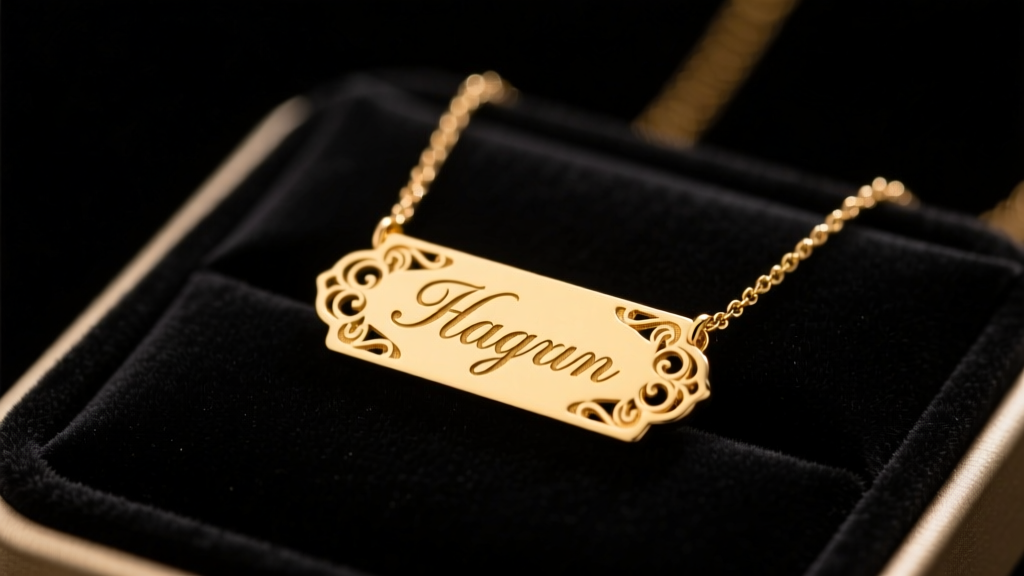
It sounds like a surprisingly simple question, but "how to spell necklace" remains one of the most frequently searched jewelry-related queries online. Why? Because when it comes to custom nameplate pendants, laser engravings, and personalized gifts, a single typo turns a cherished keepsake into an expensive, unwearable mistake. The correct spelling is necklace (frequently misspelled as neckless or neckalace).
In 2026, the trend of hyper-personalized, typographic jewelry has reached new heights. Advanced CNC cutting and laser engraving allow for ultra-thin, intricate script fonts. However, this pursuit of aesthetic elegance introduces structural vulnerabilities. Knowing how to spell your desired word correctly is only step one; understanding how to clean, maintain, and protect these delicate, custom-cut pieces is where true jewelry expertise lies.
Material Science: Alloys, Tarnish, and Typography
Before applying any cleaning solution to a custom name necklace, you must understand the metallurgy of your piece. According to the Gemological Institute of America (GIA), pure 24k gold is too soft for daily-wear nameplates. Therefore, jewelers use alloys.
- 14k Gold (58.5% Gold): The industry standard for custom script necklaces. The remaining 41.5% consists of copper, silver, and zinc. This higher alloy content makes the metal rigid enough to support the thin "bridges" between cursive letters without snapping.
- 18k Gold (75% Gold): Richer in color but softer. Custom pendants in 18k gold require thicker font bases to prevent the letters from bending when caught on clothing.
- Sterling Silver (92.5% Silver, 7.5% Copper): A popular, affordable choice for engravings. However, the copper content reacts with hydrogen sulfide in the air to form silver sulfide—the black tarnish that aggressively builds up in the tight, hard-to-reach crevices of cursive letter loops.
The 40kHz Ultrasonic Cleaner Danger
Many consumers toss their jewelry into ultrasonic cleaners without a second thought. For a standard cable chain, this is fine. For a custom script necklace, it can be catastrophic. Ultrasonic cleaners operate at high frequencies (typically 40,000 cycles per second), creating microscopic bubbles that implode against the metal—a process called cavitation. While this blasts away dirt, the intense localized shockwaves can easily snap the 0.8mm connection points of a delicate cursive "l" or "e", or shake loose micro-pave diamonds set into the lettering.
The 2026 Protocol for Cleaning Script Pendants
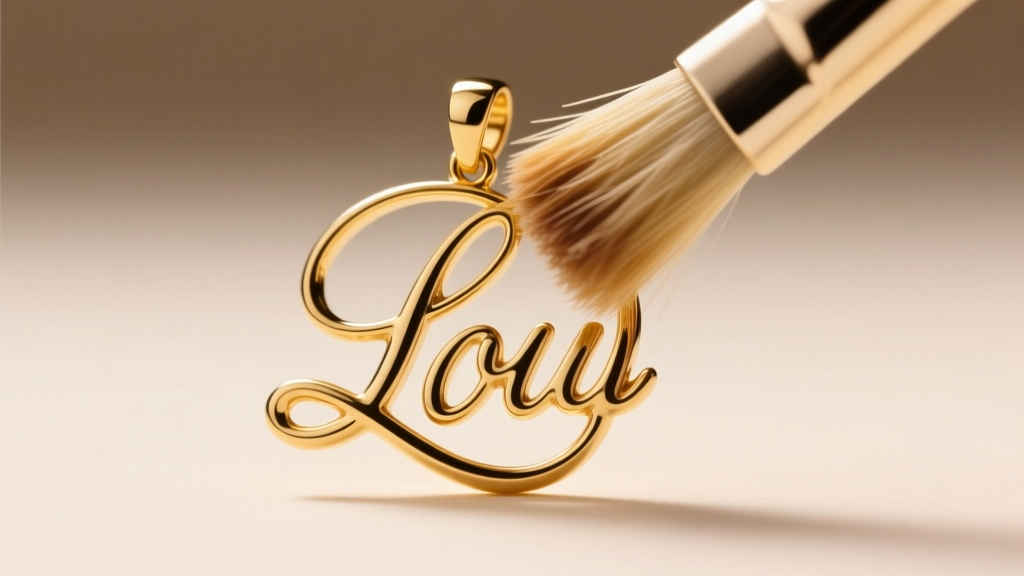
To safely maintain the brilliance of your personalized jewelry without compromising its structural integrity, follow this expert-approved, manual cleaning protocol. The GIA's gem care guidelines emphasize gentle, non-abrasive methods for intricate designs.
- The Prep: Line a small glass bowl with a soft microfiber cloth to prevent accidental scratching if the piece slips from your fingers.
- The Solution: Mix three drops of mild, phosphate-free dish soap (like Dawn or a dedicated jewelry surfactant) into a cup of lukewarm distilled water. Avoid tap water, as chlorine and hard water minerals can leave microscopic deposits in the engraving grooves.
- The Soak: Submerge the necklace for exactly 3 to 5 minutes. This loosens sebum, dead skin cells, and cosmetic residue trapped behind the nameplate.
- The Agitation: Using an extra-soft, baby-bristle toothbrush, gently sweep along the grain of the metal and the flow of the script. Never scrub aggressively against the thin connecting bridges of the letters.
- The Rinse & Dry: Rinse under a gentle stream of lukewarm distilled water. Pat dry with a lint-free cloth, and use a cool-air hair dryer to blast moisture out of the tiny prong settings or overlapping letter joints.
"Never use toothpaste or baking soda pastes on custom engravings. These contain silica and calcium carbonate, which are harder than gold and silver and will permanently dull the mirror finish of your nameplate."
Troubleshooting Common Custom Pendant Issues
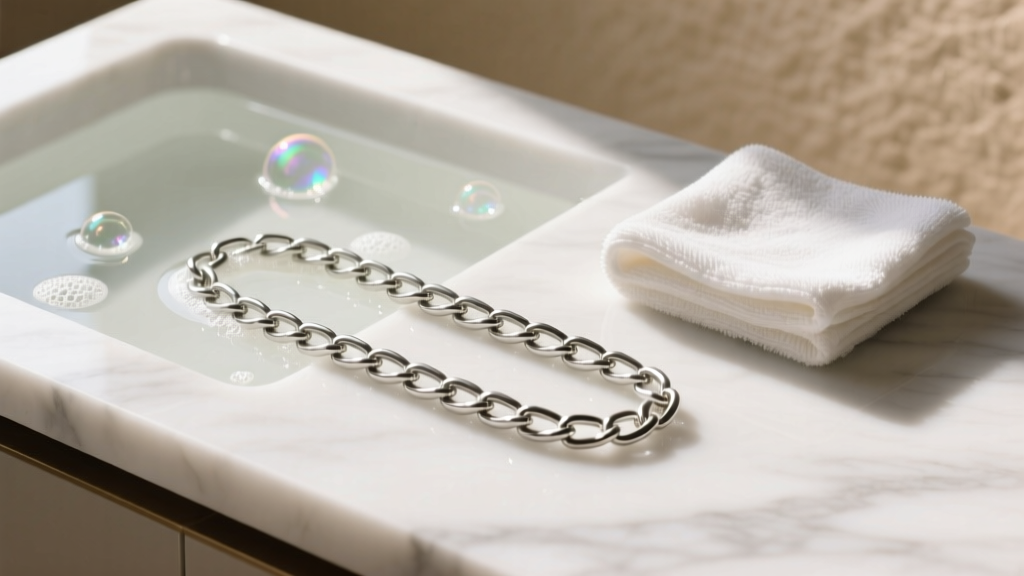
Personalized necklaces face unique wear-and-tear scenarios. Use this diagnostic table to troubleshoot common problems.
| Problem | Root Cause | Expert Solution |
|---|---|---|
| Black buildup in letter grooves | Oxidation of copper alloys or trapped cosmetic powders. | Use a wooden toothpick (never metal) to gently dislodge debris, followed by a silver polishing cloth for sterling pieces. |
| Chain tangling in the script | Using chains with open links (like cable chains) that catch on the loops of cursive fonts. | Switch to a Box Chain or Snake Chain. Their smooth, continuous surfaces glide over letter loops without snagging. |
| Bent or warped letters | Sleeping in the necklace or applying pressure to 18k/24k soft gold alloys. | Take to a jeweler for laser-welding reinforcement. Do not attempt to bend soft gold back into shape with pliers, as it will work-harden and snap. |
| Faded matte engravings | Abrasive polishing compounds wearing down the oxidized contrast in laser-stamped grooves. | Avoid liquid silver dips. Have a professional re-apply the antiquing solution (liver of sulfur) to the grooves. |
Archival Storage for Personalized Pieces
Proper storage is the final pillar of jewelry maintenance. Custom name necklaces should never be tossed into a communal jewelry box where the rigid edges of the letters can scratch softer gemstones or become tangled with other chains.
Store your personalized pendants in individual, airtight polyethylene ziplock bags. Squeeze out as much air as possible before sealing to slow the oxidation process. For sterling silver nameplates, include a 3M anti-tarnish strip or store the piece inside a Pacific Silvercloth pouch, which actively absorbs sulfur compounds from the micro-environment. By treating your custom jewelry with the same precision and care that went into spelling and crafting it, you ensure that your personalized statement piece remains flawless for decades to come.


