Choosing Your Necklace Wedding Gold: 14K vs 18K vs 22K
Compare 14K, 18K, and 22K necklace wedding gold alloys. Discover hardness, color differences, pricing, and the best karat for your bridal jewelry.

The Metallurgy of Bridal Necklaces
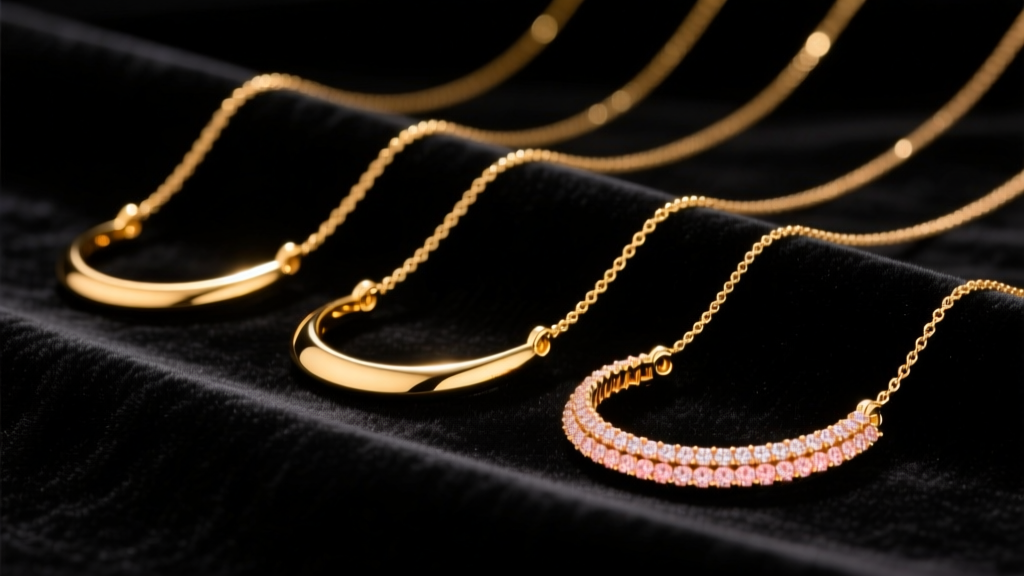
When selecting a necklace wedding gold piece, the karat weight dictates not only the price but the structural integrity, color depth, and longevity of the jewelry. Pure gold (24K) is inherently malleable—so soft that it can be bent with bare hands. To transform this precious metal into a durable chain or pendant setting capable of withstanding the rigors of a wedding day and decades of daily wear, metallurgists alloy it with base metals like copper, silver, zinc, and palladium. According to the Gemological Institute of America (GIA), the specific ratio of these alloying metals fundamentally alters the Vickers hardness (HV), tensile strength, and oxidation resistance of the final piece.
Understanding these material properties is critical for brides and grooms investing in fine jewelry. A delicate 22K gold chain may offer a breathtaking, rich yellow hue, but it is highly susceptible to deformation if snagged on a lace bridal gown. Conversely, a 14K gold chain provides superior tensile strength but sacrifices some of that coveted warm saturation. This guide breaks down the exact material properties, pricing tiers, and practical applications of the most common gold alloys used in bridal neckwear.
14K vs. 18K vs. 22K: A Detailed Property Comparison
To make an informed decision, you must look beyond the price tag and examine the physical properties of the alloys. The table below outlines the core differences between the three most prominent karat choices for a necklace wedding gold design, based on an 18-inch cable chain with a standard 5mm bail and pendant setting.
| Karat | Gold Purity | Vickers Hardness (HV) | Primary Alloys | Est. Price Range (2026) |
|---|---|---|---|---|
| 22K | 91.6% | 70 - 90 HV | Silver, Copper, Zinc | $1,800 - $2,800 |
| 18K | 75.0% | 135 - 150 HV | Copper, Silver, Palladium | $950 - $1,600 |
| 14K | 58.3% | 160 - 180 HV | Copper, Silver, Zinc, Nickel | $450 - $850 |
14K Gold: The Pragmatic Choice for Active Lifestyles
Comprising 58.3% pure gold, 14K gold is the workhorse of the American jewelry market. Its higher concentration of alloy metals (primarily copper and silver) grants it a Vickers hardness of up to 180 HV. This makes it exceptionally resistant to scratching, denting, and clasp deformation. If your wedding necklace features a heavy gemstone pendant—such as a 3-carat diamond solitaire or a dense sapphire cabochon—14K gold provides the necessary structural grip to keep the prongs secure over decades of wear. However, the trade-off is color; 14K yellow gold has a noticeably paler, slightly greenish-yellow tint compared to higher karats due to the silver and zinc content.
18K Gold: The Luxury Standard for Heirloom Pieces
Widely considered the pinnacle of fine jewelry, 18K gold (75% pure) offers the perfect equilibrium between luxury and durability. With a hardness rating around 140 HV, it is soft enough to allow master jewelers to execute intricate milgrain detailing and delicate filigree work on pendant bezels, yet strong enough to hold most gemstones securely. The high gold content yields a deeply saturated, warm yellow color that flatters almost all skin tones. For a necklace wedding gold piece intended to become a multi-generational heirloom, 18K is the industry standard recommended by the Jewelers of America.
Color Variations: The Chemistry of White and Rose Alloys
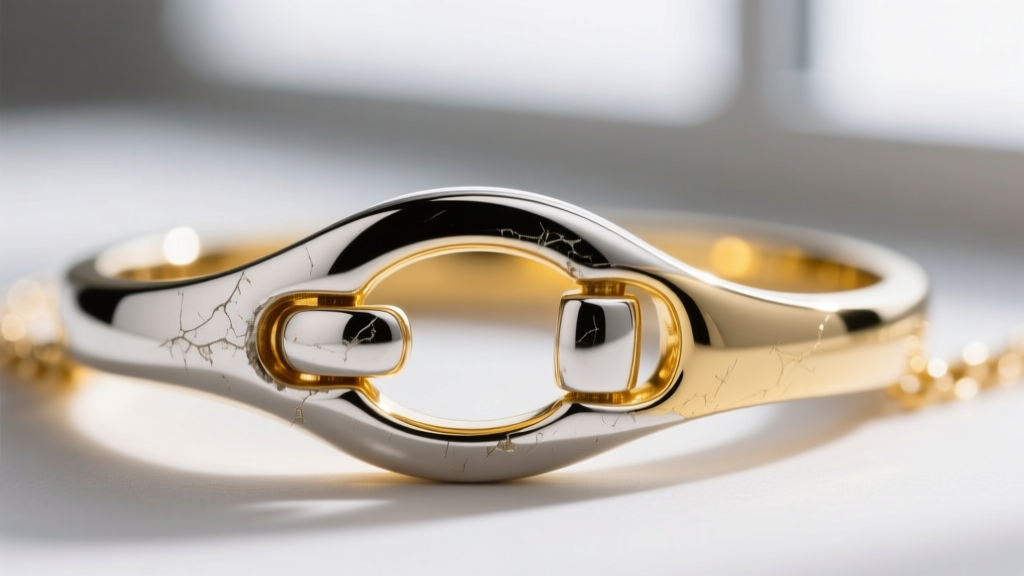
Gold is naturally yellow. Any deviation from this color requires specific metallurgical interventions that affect both the maintenance requirements and the hypoallergenic properties of the necklace.
The Copper Factor in Rose Gold
Rose gold achieves its romantic, blush-pink hue through a high concentration of copper. A typical 18K rose gold alloy consists of 75% gold and 25% copper (sometimes with a trace of silver to soften the red tint). Copper is a highly durable metal, which means 18K rose gold is actually slightly more resistant to surface scratching than 18K yellow gold. However, copper is prone to oxidation. Over years of exposure to skin oils, lotions, and humidity, a rose gold wedding necklace may develop a subtle patina, darkening slightly to a more vintage, burnt-orange tone. This is not tarnish that damages the metal, but a natural evolution of the copper alloy that many vintage jewelry collectors highly prize.
Palladium vs. Nickel in White Gold
White gold is created by alloying pure gold with white metals like palladium, silver, and historically, nickel. To achieve the bright, mirror-like finish associated with platinum, white gold necklaces are electroplated with a microscopic layer of rhodium. It is crucial to understand that this rhodium plating is not permanent. Friction from the clasp, exposure to cosmetics, and natural skin acidity will wear the plating away within 12 to 24 months, revealing the underlying alloy, which often has a faint yellowish-gray cast.
Expert Tip: If you are purchasing an 18K white gold necklace, seek out "nickel-free" or palladium-based white gold alloys. Palladium-white gold has a naturally whiter base color, meaning that when the rhodium plating inevitably wears thin, the underlying metal is far less noticeable than traditional nickel-silver alloys.
Skin Sensitivity and Hypoallergenic Properties
A wedding day is long, and a necklace rests directly against the highly sensitive skin of the décolletage and neck. Contact dermatitis from jewelry is almost exclusively caused by nickel, a cheap, hardening agent used in lower-karat white and yellow gold alloys. According to dermatological studies referenced by the World Gold Council, up to 15% of the population has a nickel sensitivity.
- 22K & 24K Gold: Inherently hypoallergenic. The alloy metals (silver/copper) rarely cause reactions.
- 18K Yellow/Rose Gold: Generally safe, as copper and silver are the primary hardeners.
- 14K White Gold: High risk if alloyed with nickel. Always verify the alloy composition with the jeweler before purchasing a piece that will sit against the collarbone for 12+ hours.
Chain Styles and Structural Vulnerabilities
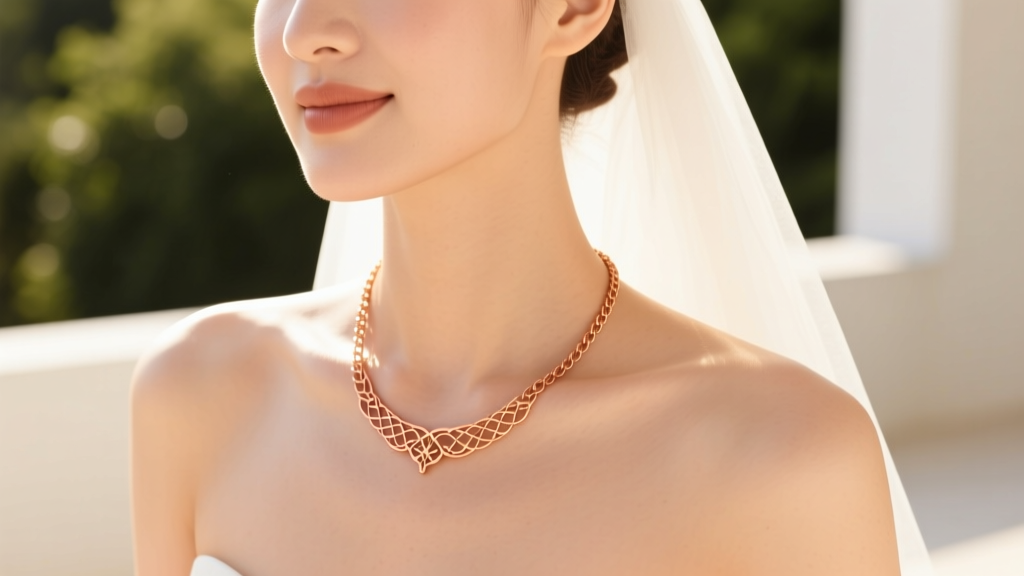
The karat weight you choose must align with the specific chain style of your wedding necklace. Not all chains are created equal, and softer gold alloys will fail prematurely if paired with high-stress chain weaves.
Delicate Chains (Box, Cable, and Rope)
Thin box chains and delicate rope chains rely on the structural integrity of microscopic solder joints. If you choose a 22K or even a soft 18K gold for a sub-1.5mm box chain, the links are highly susceptible to stretching and snapping under the weight of a pendant. For chains thinner than 1.5mm, 14K gold is strongly recommended to ensure the tensile strength required to prevent catastrophic failure on your wedding day.
Substantial Chains (Figaro, Cuban, and Wheat)
Thicker, interlocking chain styles like the wheat or Figaro chain distribute weight and tension across multiple overlapping links. These robust structures can safely accommodate the softer, richer 18K and 22K gold alloys. A 3mm 18K wheat chain provides immense luxury and weight without the structural anxiety of a finer chain, making it an ideal canvas for a heavy diamond or gemstone bridal pendant.
Final Verdict: Matching the Alloy to Your Vision
There is no universally "best" karat; the ideal necklace wedding gold alloy depends entirely on your design priorities and lifestyle. If your priority is a rich, heirloom-quality yellow gold pendant with intricate hand-engraving, 18K gold is the undisputed champion, offering the perfect canvas for master craftsmanship. If you are designing a minimalist, everyday diamond solitaire necklace that you plan to wear through the gym, travel, and decades of daily life without removing, the pragmatic durability of 14K gold will serve you best. Finally, if you are investing in a traditional, high-purity ceremonial piece meant to be worn exclusively on the wedding day and stored as a family asset, the buttery luster of 22K gold is unmatched. By understanding the metallurgy behind the karat stamp, you ensure your bridal necklace remains as enduring as the commitment it symbolizes.


