How to Style and Choose Pendants for a 20 Inch Chain Necklace
Master the 20 inch chain necklace with our step-by-step styling guide. Learn bail sizing, chain link selection, and pendant weight matching.

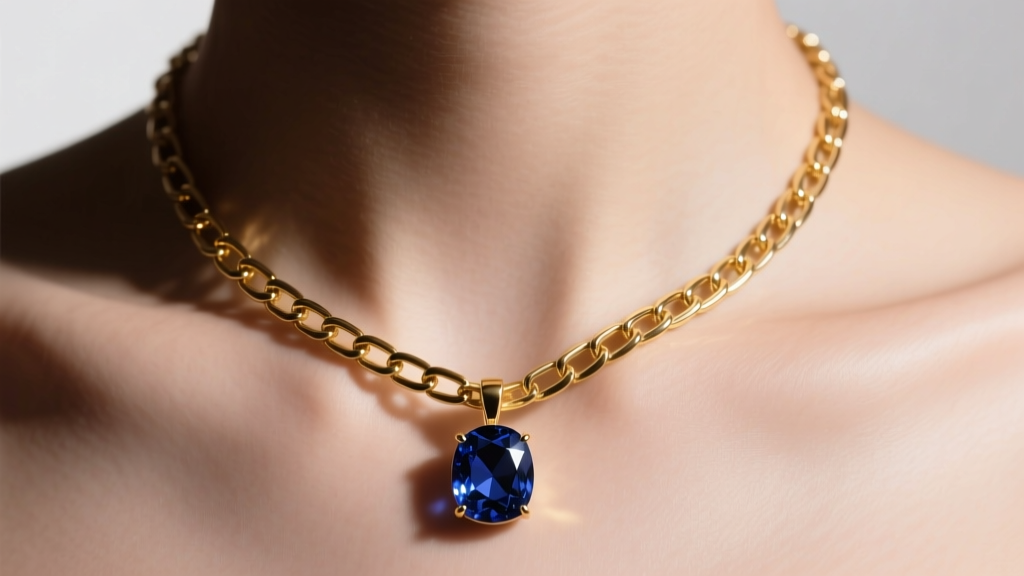
The 20 inch chain necklace is widely considered the "Goldilocks" of jewelry lengths. It is not as restrictive as a 16-inch choker, nor does it plunge as deeply as a 24-inch matinee chain. Instead, it rests elegantly on the upper chest, making it the ultimate canvas for pendant layering and standalone statements. However, pairing the right pendant with this specific length requires a precise understanding of metal gauges, bail clearances, and visual weight distribution. In this step-by-step guide, we break down the exact mechanics of styling a 20-inch chain, ensuring your jewelry looks bespoke and withstands daily wear.
The Anatomy of a 20-Inch Drop: Where It Actually Sits
Before selecting a pendant, you must understand the geometry of a 20-inch drop. Jewelry measurements are taken end-to-end, including the clasp. On an individual with a 14-inch neck circumference, a 20-inch chain will drop approximately 3 inches below the collarbone, sitting squarely on the upper sternum. On a 16-inch neck, it will sit closer to the collarbone. This variance means that a pendant that looks perfectly proportioned on one person may appear overly dominant or disproportionately small on another. The key to mastering the 20 inch chain necklace is anchoring your styling decisions to the pendant's visual weight relative to the chain's thickness, rather than relying solely on millimeter dimensions.
Step 1: Matching Chain Width to Pendant Weight
The most common mistake consumers make is pairing a heavy, solid-cast pendant with a delicate, micro-linked chain. This not only looks visually unbalanced but creates severe tensile stress on the chain links, leading to premature stretching or snapping. According to metallurgical standards for jewelry, the chain's width and link structure must support at least three times the static weight of the pendant to account for dynamic movement (walking, bending, pulling).
| Chain Width (mm) | Max Pendant Weight (g) | Recommended Bail Inner Diameter (mm) | Best Metal Types |
|---|---|---|---|
| 1.0 - 1.5 | 2g - 5g | 2.0mm - 2.5mm | 14k Gold, Sterling Silver |
| 2.0 - 3.0 | 5g - 12g | 3.5mm - 4.0mm | 18k Gold, 316L Stainless Steel |
| 4.0 - 5.0 | 12g - 25g | 5.0mm - 6.0mm | Platinum, Heavy Sterling Silver |
| 6.0+ | 25g+ | 7.0mm+ | Solid Brass, Thick 14k Gold |
For a standard 20 inch chain necklace worn daily, a 2.0mm to 3.0mm width offers the perfect intersection of durability and comfort, easily supporting most medium-sized gemstone or enamel pendants without causing neck fatigue.
Step 2: The Bail-to-Chain Clearance Rule
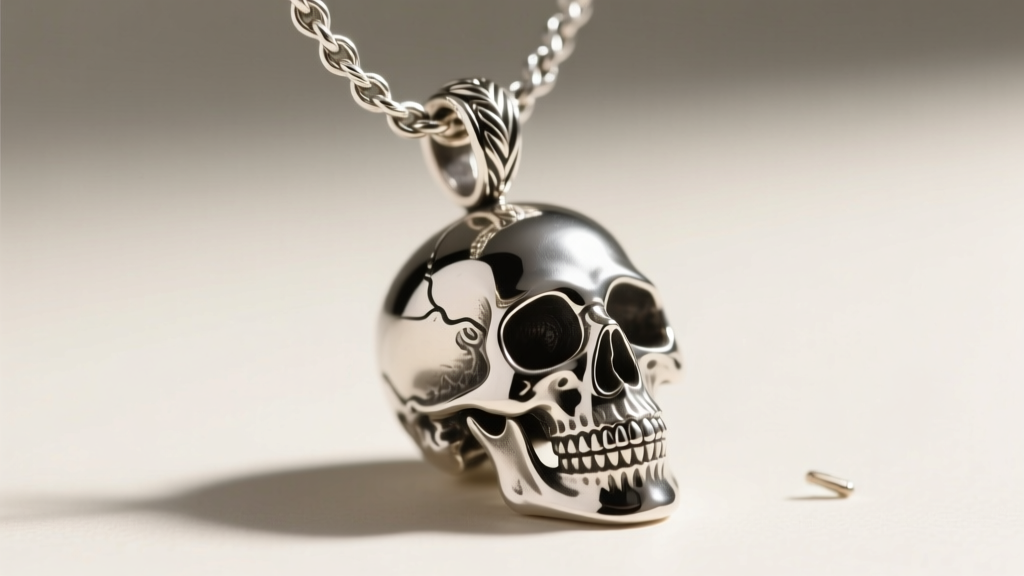
The bail is the loop at the top of the pendant that threads onto the chain. If the bail's inner diameter is too close to the chain's outer width, friction will destroy the metal over time. We utilize the 1.5x Clearance Rule: the inner diameter of the bail must be at least 1.5 times the width of the chain. For example, if you are using a 3mm box chain, your pendant bail must have an inner opening of at least 4.5mm.
"Adequate bail clearance is not just about aesthetics; it is a critical mechanical necessity. When a chain is forced through a tight bail, every movement acts like a microscopic file, slowly sawing through the softer metal of the bail or the chain links." — Jewelers of America
Common Bail Failure Modes and How to Avoid Them
- Abrasive Wear: Diamond-cut chains feature faceted edges that catch the light but act like serrated blades against a soft 14k gold bail. Always pair diamond-cut chains with hardened stainless steel or platinum bails.
- Galvanic Corrosion: Mixing a sterling silver chain with a brass or copper pendant bail can cause a galvanic reaction when exposed to sweat, leading to rapid oxidation and structural weakening. Always match your base metals.
- Bail Deformation: Heavy pendants on thin chains will pull the bail into an elongated teardrop shape. Opt for soldered, thick-wire bails rather than folded sheet-metal bails for any pendant exceeding 8 grams.
Step 3: Selecting the Right Link Style for Pendant Sliding
Not all chain links behave the same way when a pendant is introduced. The physical geometry of the links dictates how smoothly the pendant glides and where it ultimately rests on your chest.
Link Performance Breakdown
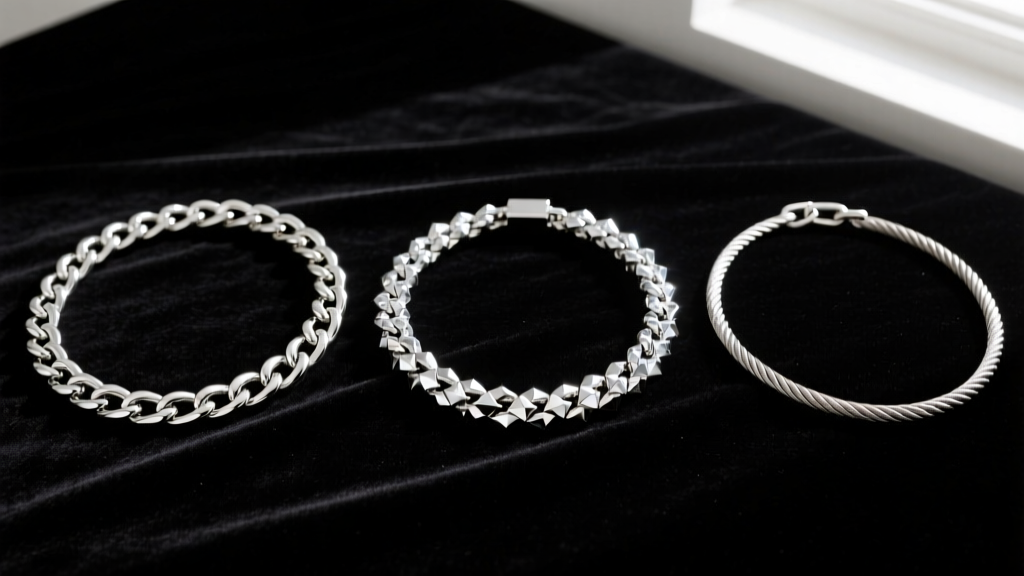
- Box Chains: The undisputed champion for pendant wear. The flat, geometric links create a smooth surface that allows heavy pendants to slide freely and center themselves naturally on the 20-inch drop.
- Cable Chains: A classic choice, but the rounded links can cause the pendant to snag if the links are unsoldered. Ensure you purchase a laser-welded or traditionally soldered cable chain for uninterrupted sliding.
- Rope Chains: While visually stunning, the twisted helix structure creates high friction. Pendants tend to get stuck on the twists, requiring constant manual adjustment. Best reserved for lightweight, fixed-bail pendants.
- Figaro Chains: The alternating long and short links cause the pendant to "jump" across the chest. Avoid Figaro chains for heavy pendants, as the weight will constantly pull the long links out of alignment.
Step 4: Neckline Pairing Framework for the 20-Inch Length
The 20 inch chain necklace is highly versatile, but its impact changes dramatically depending on the garment's neckline. Here is a practical framework for styling your pendant in 2026:
- The Crew Neck T-Shirt: A 20-inch chain will sit roughly two inches below the ribbed collar of a standard crew neck. This creates a clean, framed look. Use a pendant with a diameter of 15mm-20mm to ensure it doesn't get lost in the fabric folds.
- The V-Neck Sweater: The chain will mirror the V-shape of the garment, drawing the eye downward. Opt for elongated, vertical pendants (like a marquis-cut gemstone or a bar pendant) to enhance the slimming visual effect.
- The Button-Down Shirt: For a modern, layered look, unbutton the top two buttons and let the 20-inch chain rest against the skin, inside the collar. Choose a minimalist, high-polish pendant that won't snag on the cotton fabric.
Maintenance: Preventing Clasp Fatigue and Link Stretching
The structural integrity of your 20 inch chain necklace relies heavily on its clasp and terminal links. Spring ring clasps, while common on lower-priced chains, suffer from internal spring fatigue and often fail to close completely after a year of daily use. Always upgrade to a lobster claw clasp with a forged trigger mechanism for any chain supporting a pendant over 5 grams.
Furthermore, inspect the terminal jump rings (the small rings connecting the chain to the clasp). According to the Gemological Institute of America (GIA), unsoldered jump rings are the primary point of failure in necklace structures. The weight of a pendant pulls the chain taut, which can slowly pry open an unsoldered jump ring, resulting in the loss of the entire piece. Ensure your jeweler has laser-welded or traditionally soldered the terminal rings shut. By adhering to these precise mechanical and stylistic guidelines, your 20-inch chain and pendant combination will remain secure, proportionate, and effortlessly stylish for years to come.


