How to Style and Care for a Peru Necklace: Step-by-Step Guide
Learn how to authenticate, style, and safely clean your Peru necklace. Our step-by-step guide covers 950 silver, Andean gemstones, and Alpaca alloys.

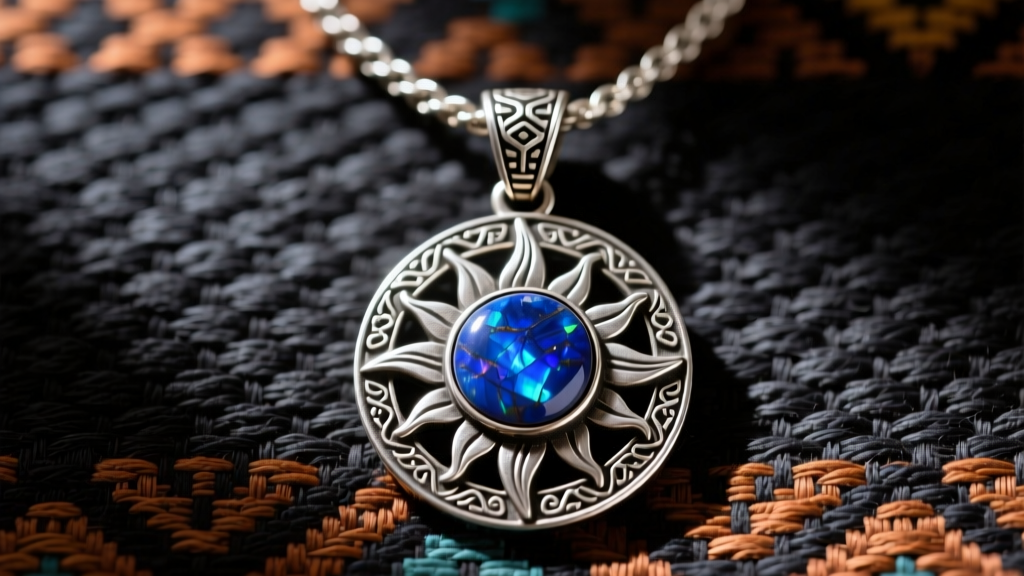
Peruvian artisan jewelry represents a breathtaking intersection of ancient Andean cosmology and masterful metallurgy. Whether you have acquired a vintage piece from a market in Cusco or ordered a contemporary design from a Lima-based silversmith, a Peru necklace is more than just an accessory; it is a wearable artifact. However, the unique materials used in Peruvian jewelry—specifically 950 silver and porous regional gemstones—require specialized care and styling techniques that differ vastly from standard commercial jewelry.
In this comprehensive guide, we will break down the exact metallurgical compositions of Peruvian silver, provide a step-by-step cleaning protocol that protects fragile inlays, and offer actionable styling frameworks to integrate Andean motifs into a modern 2026 wardrobe.
Understanding Your Peru Necklace: 950 Silver vs. Alpaca
Before you apply any polishing cloth or cleaning solution, you must definitively identify the metal of your Peru necklace. The Peruvian jewelry market primarily utilizes two distinct silvery metals, and confusing them can lead to irreversible damage or skin irritation.
The 950 Silver Standard
Unlike the global standard of 925 sterling silver (92.5% silver, 7.5% copper), authentic high-end Peruvian jewelry is frequently cast in 950 silver. This alloy consists of 95% pure silver and 5% copper. The higher silver content yields a noticeably brighter, whiter luster that beautifully complements the vibrant blues and greens of Andean gemstones. However, the reduced copper content makes 950 silver slightly softer than 925. This means that prongs holding gemstones are more susceptible to bending, and the metal will scratch more easily during daily wear. Furthermore, the copper alloy reacts with sulfur in the air, creating a dark copper sulfide tarnish that requires gentle removal.
Identifying Alpaca Silver (and Nickel Warnings)
If your necklace is stamped "Alpaca" or "Alpacca," you are not holding silver. Alpaca silver (also known as German silver or nickel silver) is a base metal alloy typically composed of 60% copper, 20% nickel, and 20% zinc. It contains absolutely zero elemental silver. While Alpaca is highly durable, inexpensive, and resistant to severe tarnishing, the high nickel content is a known trigger for allergic contact dermatitis. If you have sensitive skin, an Alpaca Peru necklace should be worn over clothing rather than directly against the skin.
| Metal Type | Composition | Tarnish Rate | Durability & Hardness | Allergy Risk |
|---|---|---|---|---|
| 950 Silver | 95% Ag, 5% Cu | Moderate (Copper Sulfide) | Soft; prone to scratching | Low |
| 925 Sterling | 92.5% Ag, 7.5% Cu | High | Moderate; standard jewelry hardness | Low |
| Alpaca Silver | Cu, Ni, Zn (No Ag) | Low (Oxidation only) | Hard; highly durable | High (Nickel) |
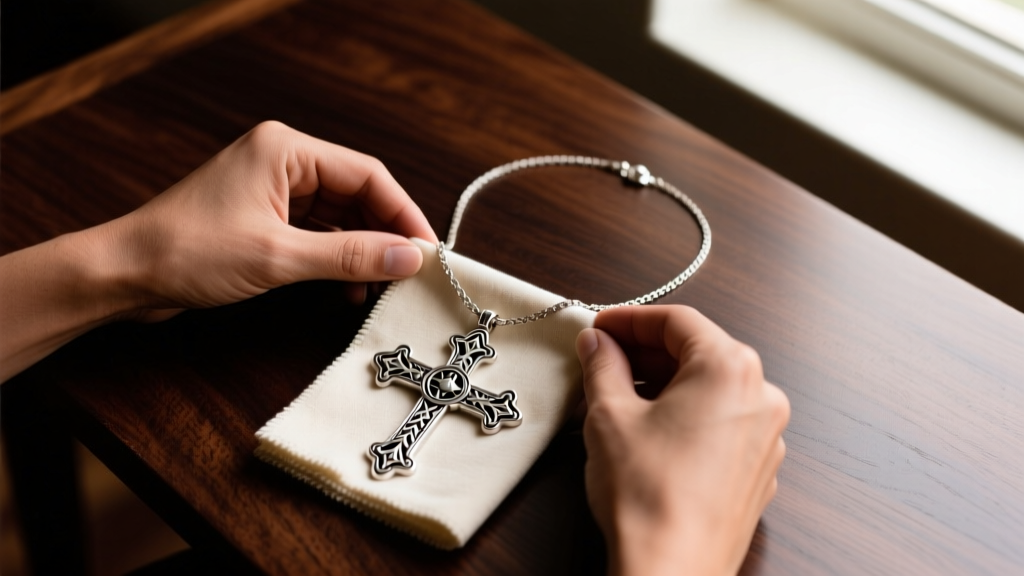
Step-by-Step Guide to Cleaning Peruvian Silver and Gemstones
Peruvian necklaces frequently feature cabochon inlays of regional stones like sodalite, chrysocolla, and lapis lazuli. According to the GIA Gem Encyclopedia, many of these stones are highly porous and chemically sensitive. Submerging your necklace in commercial silver dips or using ultrasonic cleaners will fracture the stones and strip their natural polish.
Step 1: Identify the Gemstone Porosity
Examine the stones in your pendant. If your necklace features Chrysocolla (Mohs hardness 2-4), it is extremely fragile and water-sensitive. Sodalite (Mohs 5.5-6) is slightly harder but will degrade when exposed to harsh chemicals or prolonged moisture. Opals from the Andes require strict hydration control. If your piece features any of these, you must use the "Dry Polish" method outlined below.
Step 2: The Dry Polish Method (For Porous Stones)
- Procure a high-quality, untreated jeweler's microfiber cloth. Avoid chemically treated silver polishing wipes, as the abrasive compounds will scratch the adjacent gemstones.
- Lay the necklace flat on a soft surface to prevent stressing the chain links.
- Using your thumb and forefinger, gently pinch the silver sections of the pendant and rub the cloth back and forth. Do not apply pressure to the gemstone bezels.
- Use a soft-bristled makeup brush (like a clean eyeshadow brush) to gently sweep tarnish and dust out of the intricate crevices of motifs like the Inti sun rays or Chakana steps.
Step 3: Deep Cleaning 950 Silver (Without Damaging Stones)
If your 950 silver Peru necklace is heavily tarnished and features non-porous stones (like quartz or agate), you can use a targeted wet cleaning method. The Silver Institute recommends mild, phosphate-free surfactants for silver maintenance.
- Mix three drops of phosphate-free dish soap into one cup of lukewarm distilled water. (Avoid tap water, as chlorine and fluoride can react with the copper alloy).
- Dip a cotton swab into the solution and carefully dab it only onto the tarnished silver areas, avoiding the stone settings entirely.
- Gently agitate the tarnish with the swab. For stubborn copper sulfide buildup, allow the soapy solution to sit on the silver for exactly 60 seconds—no longer.
- Wipe the silver clean with a damp cloth wrung out in pure distilled water, then immediately pat dry with a microfiber towel.
Expert Warning: Never use toothpaste, baking soda pastes, or aluminum foil electrolysis baths on Peruvian jewelry. The abrasives in toothpaste will permanently cloud polished sodalite, and electrolysis can strip the intentional dark oxidation (patina) that artisans use to highlight the intricate details of Inca and Chimu motifs.
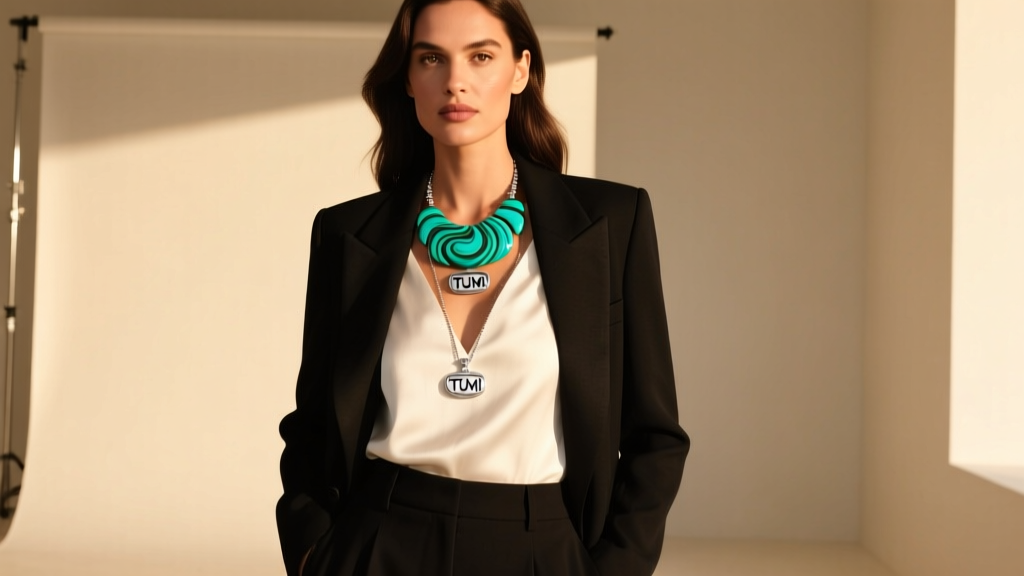
How to Style Andean Motifs for Modern Wardrobes
Styling a Peru necklace in 2026 is all about balancing the bold, historical weight of Andean symbolism with contemporary, minimalist silhouettes. The key is to let the cultural significance of the piece serve as the focal point of your outfit.
Pairing the Chakana Cross
The Chakana (Inca Cross) is a stepped cross representing the three tiers of the Andean cosmos: the upper world (Hanan Pacha), the middle world (Kay Pacha), and the underworld (Uku Pacha). Because the Chakana is geometrically heavy and visually dense, it pairs best with structured, solid-color garments. Wear a medium-length (18 to 20 inches) 950 silver Chakana necklace over a crisp, oversized white button-down shirt or a charcoal turtleneck. The stark contrast allows the stepped edges and central void of the cross to pop without competing with busy patterns.
Layering Sodalite and Chrysocolla Pendants
Peruvian gemstones offer a stunning palette of deep oceanic blues and earthy greens. To layer these effectively without looking cluttered, utilize the "Rule of Three" with varying chain weights and lengths:
- Layer 1 (16 inches): A delicate, 1mm silver box chain featuring a small, minimalist Tumi (ceremonial knife) pendant. The Tumi symbolizes health and good fortune, serving as a subtle, personal talisman close to the collarbone.
- Layer 2 (20 inches): A medium-weight rope chain holding a sodalite cabochon pendant. Sodalite's deep blue with white calcite veining acts as a neutral bridge in your layering stack.
- Layer 3 (24 inches): A bold, statement piece featuring a large chrysocolla or malachite inlay set in heavily oxidized 950 silver. This draws the eye downward and elongates the torso.
Verifying Artisan Marks and Authenticity
When purchasing or authenticating a Peru necklace, always inspect the clasp and the back of the pendant for hallmarks. Authentic 950 silver pieces from Peru are often stamped with "950", "PE", or the specific mark of the artisan cooperative. Many pieces originating from the Cusco region will also feature a small shield or llama stamp alongside the purity number.
Additionally, examine the chain links. Traditional Peruvian chains are often hand-woven or feature a distinct, slightly irregular rope weave that indicates bench-made craftsmanship, whereas perfectly uniform, machine-stamped lobster clasps and chains may indicate that the pendant was mass-produced and assembled with commercial findings. By understanding these nuances, you ensure that your Peru necklace remains a cherished, authentic piece of wearable history for decades to come.


