How to Style Your Keep Collective Multi Chain Necklace
Master the art of layering with our step-by-step guide to styling, adjusting, and detangling your Keep Collective multi chain necklace.


The Anatomy of a Multi-Chain Layered Piece
The modern layered necklace trend has evolved significantly by 2026, moving away from haphazard stacking toward engineered, multi-chain systems. The Keep Collective multi chain necklace exemplifies this shift, utilizing adjustable sliders and mixed-metal finishes to create a bespoke look without the hassle of managing five separate clasps. To master this piece, you must first understand its structural anatomy.
Understanding Chain Weights and Link Types
A successful multi-chain design relies on varying the link profiles to prevent friction-induced tangling. Keep Collective typically utilizes a combination of 1.2mm cable chains, 2.5mm box chains, and 3.5mm figaro or rope chains. According to jewelry manufacturing standards outlined by Rio Grande, mixing chain weaves ensures that the links do not interlock with one another. When wearing a piece crafted from 14k gold vermeil or PVD-coated 316L stainless steel, the differing weights of the chains create a natural cascading drape, allowing the heaviest chain to anchor the pendant or central focal point.
Material Grades and Longevity: What You Are Actually Wearing
Before adjusting your necklace, it is crucial to understand the metallurgy of your piece. The Keep Collective multi chain necklace is frequently crafted using either 14k gold vermeil or PVD (Physical Vapor Deposition) coated 316L stainless steel. These materials behave very differently under the stress of daily friction.
14k Gold Vermeil: By definition, vermeil requires a base of .925 sterling silver coated with a minimum of 2.5 microns of 14k gold. When multiple vermeil chains rub against each other, the friction accelerates the wear of the gold layer, eventually exposing the silver beneath. To mitigate this, always ensure a minimum half-inch gap between individual strands.
PVD-Coated 316L Stainless Steel: PVD coating bonds gold or rose gold vapor to a surgical-grade steel base at a molecular level. This creates a surface that is up to five times more resistant to friction and sweat than traditional electroplating. If your multi-chain piece features PVD chains, you have much more leeway in how tightly you layer the strands, as the risk of friction-induced fading is significantly lower. However, the steel base makes the chains slightly heavier, requiring a more robust primary lobster clasp to support the tensile load.
Step-by-Step: Achieving the Perfect Cascade Drop
Adjusting a multi-strand necklace requires a methodical approach to ensure the chains lay flat against the sternum without twisting. Follow this precise sequence:
- Unclasp and Flatten: Lay the necklace completely flat on a microfiber cloth. Ensure the adjustable silicone or metal bead sliders are pushed all the way to the back of the neck zone.
- Establish the Anchor Chain: Identify the heaviest chain. Adjust its slider so it sits exactly at your desired lowest drop point (typically 20 to 24 inches for a V-neck pairing).
- Create the Graduated Gap: Pull the second chain's slider to create a precise 1.5-inch gap above the anchor chain. The third chain should sit another 1.5 inches above that. This exact measurement prevents the chains from overlapping and rubbing, which degrades gold vermeil plating over time.
- Secure the Neck Base: Fasten the primary lobster clasp at the nape of your neck. If your Keep Collective piece features a secondary safety clasp, secure it to distribute the tensile weight evenly.
- The Final Sweep: Run your thumb and index finger down the length of each chain from the collarbone to the sternum to align the links uniformly.
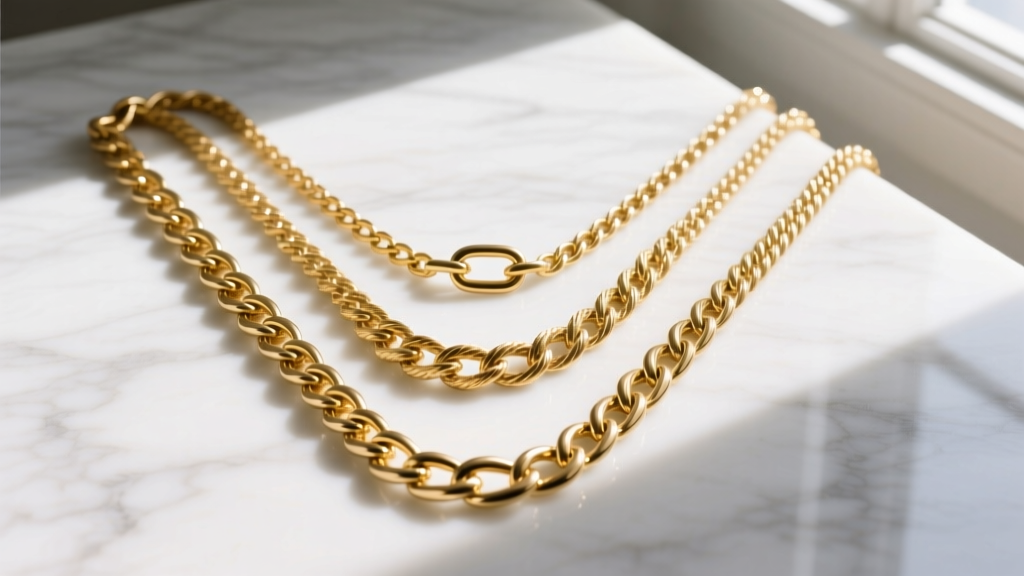
Neckline Pairing Matrix for Multi-Chain Necklaces
Styling a Keep Collective multi chain necklace is not a one-size-fits-all endeavor. The visual weight of multiple chains requires careful neckline pairing to avoid a cluttered silhouette. Below is a strategic matrix for matching your chain drop lengths to common garment necklines.
| Garment Neckline | Optimal Anchor Chain Drop | Visual Effect & Styling Rule |
|---|---|---|
| Plunging V-Neck | 22 - 24 inches | The longest chain should hover exactly 1 inch above the garment's hem to elongate the torso. |
| Crew Neck / T-Shirt | 16 - 18 inches | Keep the cascade tight and high. The shortest chain must rest on the collarbone, above the cotton hem. |
| Off-the-Shoulder | 18 - 20 inches | Utilize mixed metals (gold and silver) to contrast against bare skin and draw the eye inward. |
| Button-Down Shirt | 20 inches (Unbuttoned) | Leave the top two buttons undone. The middle chain should align perfectly with the shirt's lapel edge. |
The Tangle-Free Protocol: Maintenance and Storage
The most common failure point of any multi-chain necklace is improper storage, leading to catastrophic knotting. Because the Keep Collective multi chain necklace features multiple strands connected to a single clasp point, the chains act like independent pendulums when tossed into a drawer. To preserve the structural integrity of the solder joints and the finish of the metal, implement the following storage protocols:
- The Straw Method for Travel: Unclasp the necklace. Thread the entirety of the chains through a rigid silicone or plastic drinking straw before reclasping it. This physically prevents the chains from crossing over one another in your luggage.
- Silica Gel Integration: Store the piece in a sealed polyethylene bag with a 5-gram silica gel desiccant packet. This controls ambient humidity, preventing the oxidation of sterling silver base metals often used beneath gold vermeil.
- Friction Isolation: Never store your multi-chain piece in the same compartment as diamond or sapphire jewelry. As noted by the Gemological Institute of America (GIA), gemstones rank much higher on the Mohs hardness scale and will easily scratch the softer metallic finishes of your layered chains.
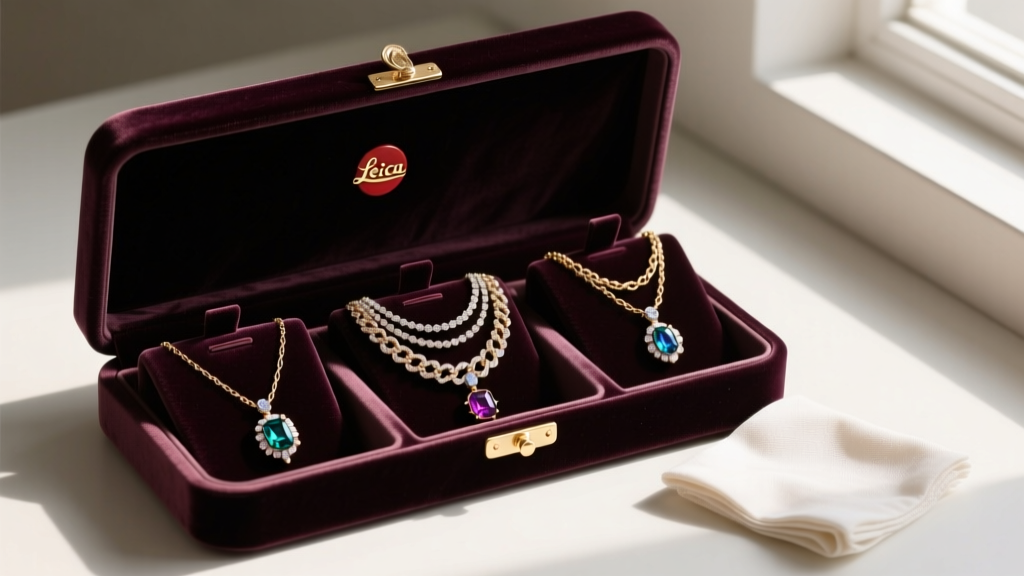
Expert Troubleshooting: Slipping Clasps and Twisted Links
Even with meticulous care, mechanical issues can arise with daily wear. Here is how to troubleshoot the two most common problems associated with multi-strand systems.
Fixing a Slipping Adjustable Slider
If the silicone bead or metal tension slider on your Keep Collective necklace loses its grip and the chain constantly slips down your chest, the internal tension mechanism has worn out. For metal sliders, use a pair of nylon-jaw pliers to apply a microscopic amount of pressure to the side of the slider, increasing the friction against the chain. For silicone sliders, a tiny drop of clear, jewelry-safe resin applied to the inside of the bead and cured with a UV light can restore the grip without damaging the chain links.
Untwisting Micro-Links Without Breaking Solder Joints
When a 1.2mm cable chain twists upon itself, pulling it forcefully will snap the soldered link. Instead, lay the necklace on a flat surface. Insert two fine-point sewing needles into the twisted links and gently push them in opposite directions to open the twist laterally, rather than pulling it longitudinally.
Pro Tip: Always apply perfumes, hairsprays, and lotions at least five minutes before putting on your multi-chain necklace. The alcohol and volatile organic compounds (VOCs) in cosmetics can rapidly degrade the PVD coatings and gold vermeil layers, leading to premature tarnishing and uneven wear patterns.
Final Styling Thoughts
Mastering the Keep Collective multi chain necklace is about understanding the geometry of layering and the physics of metal friction. By intentionally spacing your chain drops, pairing them strategically with your wardrobe, and employing rigorous storage methods, you elevate a simple accessory into a sophisticated, engineered statement piece. Whether you are mixing oxidized silver with bright 14k gold vermeil or stacking delicate cable chains with chunky rope links, the key to 2026's layered aesthetic is precision, not chaos.


