How to Choose and Style the Perfect Single Stone Necklace
Learn how to choose, set, and style a single stone necklace. Our step-by-step guide covers gemstone hardness, chain gauges, and neckline matching.

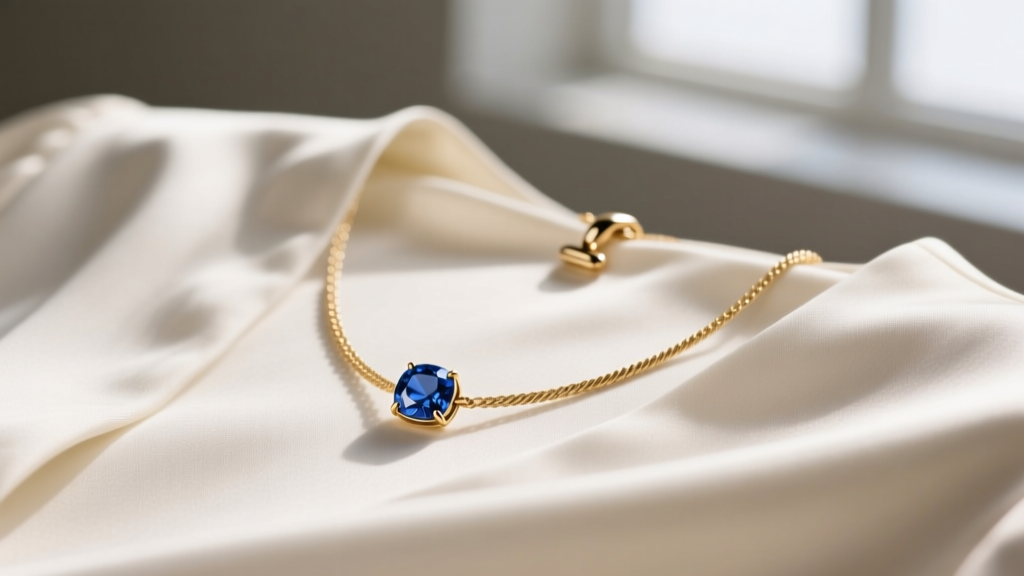
A single stone necklace is the quintessential anchor of any jewelry collection. Stripped of excessive embellishment, it relies entirely on the interplay between a solitary gemstone, the precision of its setting, and the drape of its chain. However, selecting the right solitaire pendant goes far beyond picking a pretty color. It requires a technical understanding of gemstone durability, metal gauges, and structural mechanics to ensure the piece survives daily wear while elevating your wardrobe.
In this step-by-step guide, we break down the exact specifications you need to consider when buying, customizing, or styling a single stone necklace, ensuring your investment is both structurally sound and aesthetically flawless.
Step 1: Match the Gemstone Hardness to Your Lifestyle
The most critical mistake buyers make with single stone pendants is ignoring the Mohs scale of mineral hardness and gemstone cleavage. A necklace rests against the collarbone and chest, making it prone to accidental impacts against desks, steering wheels, and doorways. According to the Gemological Institute of America (GIA), hardness dictates scratch resistance, but toughness dictates how well a stone handles blunt force.
For example, while a diamond is a 10 on the Mohs scale, it has perfect octahedral cleavage, meaning a sharp blow at the wrong angle can fracture it. Conversely, jade is only a 6.5 to 7 on the Mohs scale but possesses exceptional toughness due to its interlocking fibrous structure, making it highly resistant to chipping.
| Gemstone | Mohs Hardness | Toughness / Cleavage | Recommended Setting for Daily Wear |
|---|---|---|---|
| Diamond | 10 | Good / Perfect Cleavage | 4-Prong or Bezel |
| Sapphire / Ruby | 9 | Excellent / No Cleavage | Prong or Bezel |
| Emerald | 7.5 - 8 | Poor / Highly Included | Full Bezel (Mandatory) |
| Opal | 5.5 - 6.5 | Fair / Brittle | Bezel with padded backing |
Expert Rule: If your single stone necklace features an emerald, opal, or tanzanite, avoid prong settings entirely. Prongs leave the girdle (the widest edge of the stone) exposed to micro-abrasions and impacts. A full bezel setting wraps a continuous rim of metal around the gemstone, absorbing shock and protecting vulnerable edges.
Step 2: Select the Right Chain Gauge and Bail
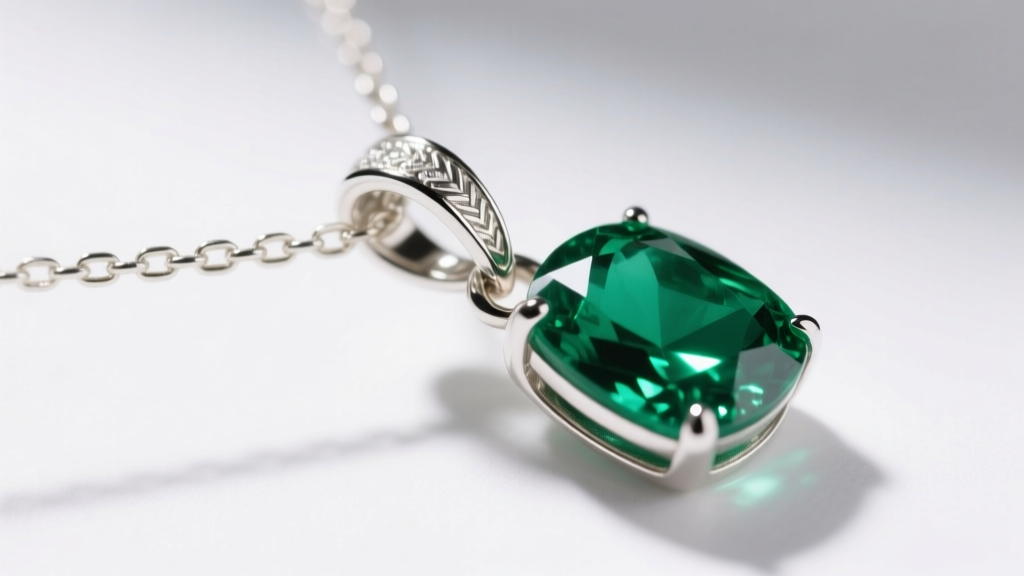
The chain and bail (the loop that connects the pendant to the chain) dictate the longevity of your necklace. A heavy single stone pendant on a micro-thin chain will cause premature wear, stretching the links and eventually snapping the metal.
Chain Gauge Guidelines by Carat Weight
- Under 1.5 Carats (Lightweight): Opt for a 0.8mm to 1.0mm cable or box chain. These provide a delicate, floating illusion without sacrificing structural integrity.
- 1.5 to 4 Carats (Medium): Upgrade to a 1.2mm to 1.5mm rope or wheat chain. The twisted links of a rope chain distribute weight more evenly and resist kinking.
- Over 4 Carats (Heavy Statement): You need a 2.0mm to 3.0mm solid curb or Figaro chain. Hollow chains should be strictly avoided for heavy pendants, as the thin outer shell of gold will easily dent and collapse under the pendulum motion of a heavy stone.
Choosing the Bail Mechanism
For a modern, seamless look, request a hidden bail from your jeweler. This involves drilling a microscopic channel through the top of the gemstone (or the setting's backplate) so the chain slides directly behind the stone. This eliminates the visual interruption of a traditional soldered loop, making the single stone appear as though it is floating on the collarbone.
Step 3: Map the Drop Length to Your Neckline
The visual impact of a single stone necklace changes drastically depending on where it terminates against your clothing. Use this framework to match your chain length to your most common necklines:
- 16 Inches (Choker/Collarbone): Ideal for crew necks, boat necks, and off-the-shoulder tops. The stone rests in the hollow of the throat, drawing the eye upward to the face. Best for stones under 1 carat to avoid looking heavy.
- 18 Inches (Standard Princess): The universal standard. It sits perfectly in the center of a V-neck or scoop neck, filling the negative space without competing with the garment's hemline.
- 20 to 24 Inches (Matinee): Reserved for deep plunging necklines, button-down shirts worn open, or layering over fine-gauge turtlenecks. Larger, elongated single stones (like pear or marquise cuts) perform best at this length, acting as a vertical line that elongates the torso.
According to styling principles outlined by the GIA's educational guides on jewelry wear, the scale of the gemstone must be proportional to the expanse of exposed skin. A 3-carat solitaire on a 16-inch chain against a high-necked blouse will look cramped, whereas the same stone on a 22-inch chain over a silk camisole provides necessary visual breathing room.
Step 4: Master the Art of Layering a Solitaire Pendant
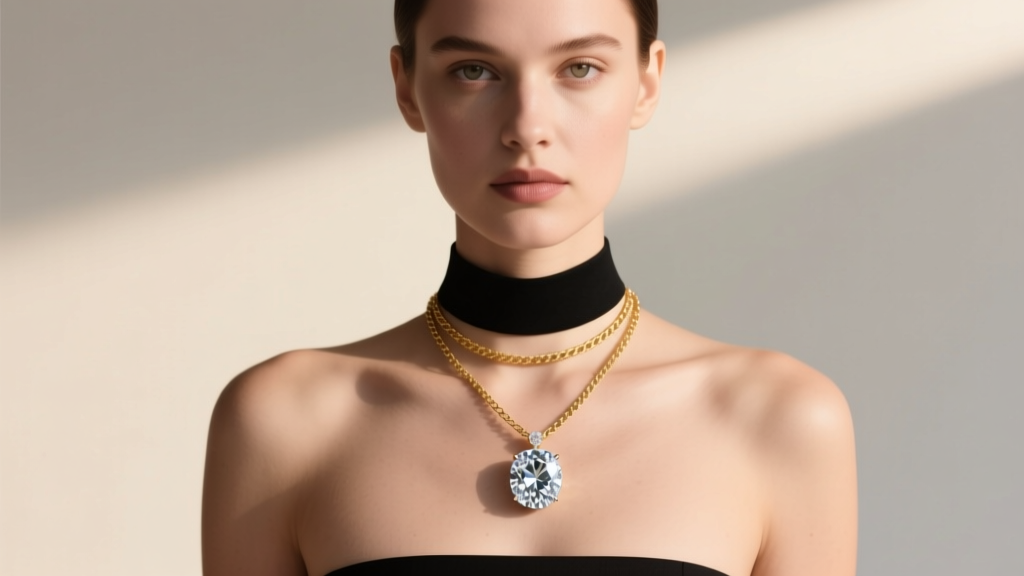
While a single stone necklace is powerful on its own, it serves as the ultimate anchor piece in a layered stack. The key to successful layering is varying the chain textures and maintaining a strict two-inch gap between each necklace to prevent the clasps and stones from tangling and scratching one another.
The 3-Piece Layering Formula
- The Anchor (14-16 inches): Start with a simple, stone-less chain or a micro-pave herringbone choker to frame the collarbone.
- The Focal Point (18 inches): This is where your single stone necklace lives. Ensure the bail allows the chain to slide freely so the stone naturally centers itself.
- The Elongator (20-22 inches): Finish with a textured chain, such as a gold paperclip or snake chain, featuring a small, non-gemstone charm (like a textured gold disc or a simple bar) to draw the eye downward without competing with the primary gemstone.
By treating your single stone necklace not just as an accessory, but as a meticulously engineered focal point, you ensure it remains a versatile, enduring staple in your rotation. Pay attention to the Mohs scale, respect the physics of chain gauges, and map your lengths to your wardrobe, and your solitaire pendant will perform flawlessly for decades.


