How to Style and Care for a Square Pearl Necklace
Learn how to style, layer, and maintain a square pearl necklace. Our step-by-step guide covers neckline pairings, material grades, and cleaning tips.

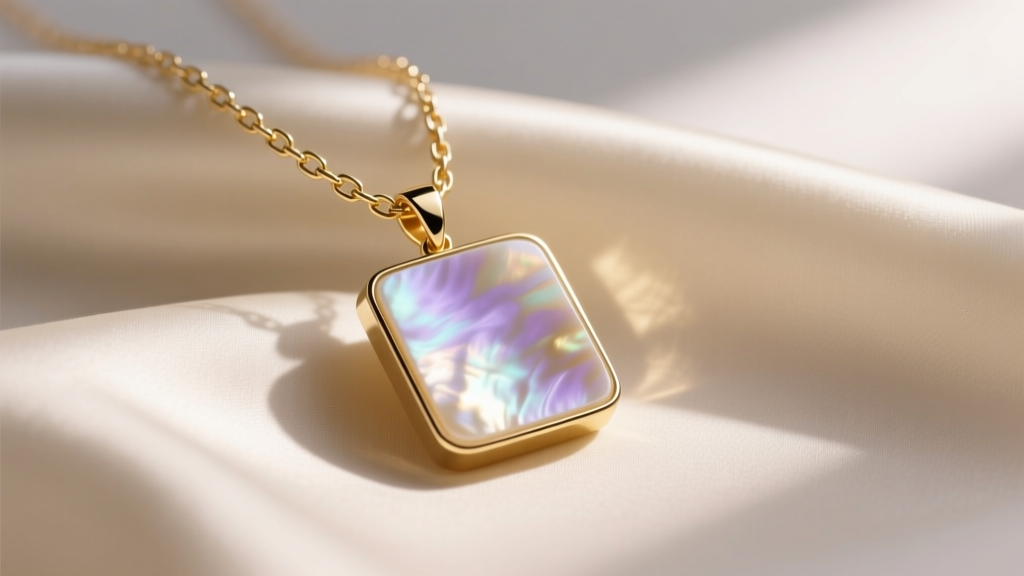
The geometric jewelry movement has completely reshaped how we wear classic gemstones, and the square pearl necklace is at the absolute forefront of this modern renaissance. Unlike traditional spherical pearls that evoke vintage or bridal aesthetics, square-cut pearls and mother-of-pearl inlays offer a sharp, architectural edge that bridges the gap between minimalist daily wear and high-end evening styling. However, styling and maintaining these unique geometric pieces requires a distinct approach. Because the 90-degree angles of a square pearl alter how light reflects off the nacre—and how the piece interacts with your clothing—you need a strategic framework to wear them correctly.
In this comprehensive guide, we will break down the exact anatomy of square pearls, provide a step-by-step layering framework, and detail the specific maintenance protocols required to prevent corner chipping and nacre degradation.
The Gemological Reality: What is a Square Pearl?
Before styling your piece, it is crucial to understand what you are actually wearing. In gemology, a naturally occurring square pearl does not exist. When jewelers refer to a 'square pearl necklace,' they are typically describing one of three distinct materials:
- Square-Cut Mother of Pearl (MOP): The most common and durable option. Jewelers take the inner shell of the Pinctada maxima oyster and use lapidary saws to cut it into perfect geometric squares. High-grade AAA MOP features a minimum thickness of 2.5mm and exhibits a deep, iridescent orient.
- Geometric Cultured Freshwater Pearls: These are actual pearls that have been heavily carved or molded into cubic or square shapes. While beautiful, the carving process can expose the inner bead nucleus if the nacre layer is too thin (anything under 0.8mm is a structural risk).
- Pearl Inlay Pendants: Crushed or finely cut pearl shell set into a square gold or silver bezel, often accented with pavé diamonds.
Understanding your specific material dictates both your styling choices and your cleaning regimen. According to the Gemological Institute of America (GIA), organic gems like pearl and MOP are highly sensitive to structural stress at their edges, making the sharp corners of square cuts particularly vulnerable to impact damage.
Step-by-Step Guide: Matching Necklines to Pearl Drops
The sharp geometry of a square pearl pendant demands intentional neckline pairings. A mismatched neckline will cause the pendant to flip, tangle, or visually clash with the garment's seams.
Step 1: The Square Neckline Pairing
When wearing a square-neck top or dress, mirror the geometry. Choose a square pearl necklace with a 16-inch choker length. The pendant should sit exactly one inch below the collarbone, hovering in the negative space of the square neckline. Avoid long chains here; a 20-inch drop will cross the fabric's horizontal seam, creating visual clutter and causing the square pendant to catch on the hem.
Step 2: V-Neck and Plunge Layering
For V-necks, you need vertical elongation. Opt for an 18-inch to 20-inch matinee length. The square pendant should act as the visual anchor at the apex of the V. To prevent the flat back of a square MOP pendant from sticking to your skin via sweat or friction, ensure the bail (the loop connecting the pearl to the chain) has a slight forward tilt, keeping the pearl angled outward.

Step 3: Crew Neck and Turtleneck Framing
High, tight necklines require heavy contrast. Pair a thick, 2.5mm gold paperclip chain with a large (15mm+) square pearl pendant at a 22-inch length. The heavy chain provides the necessary visual weight to stand out against the dense fabric of a turtleneck, while the long drop breaks up the expanse of the material.
Layering Framework: The 3-Point Geometric Rule
Layering a square pearl necklace requires balancing its sharp edges with complementary chain textures. We utilize the '3-Point Geometric Rule' to ensure the stack remains untangled and visually cohesive. The square pearl must always serve as the focal 'anchor' point.
| Layer Position | Chain Type & Gauge | Length | Pendant / Element |
|---|---|---|---|
| Base (Top) | 1.0mm Cable Chain | 14 inches | 2mm Solid Gold Bead or Tiny Solitaire Diamond |
| Anchor (Middle) | 1.5mm Box Chain | 16.5 inches | 12mm Square Pearl Pendant |
| Outer (Bottom) | 2.5mm Paperclip Chain | 20 inches | Horizontal Gold Bar or Geometric Open Circle |
Expert Tip: Never layer a square pearl pendant with a round, spherical pearl strand. The conflicting geometries will look chaotic. Instead, mix the square pearl with linear elements like gold bars, baguette-cut gemstones, or snake chains to maintain an architectural, modern aesthetic.
How to Clean and Maintain Square Cut Pearls
The 90-degree corners of a square pearl are its biggest vulnerability. Spherical pearls distribute impact force evenly across their curved surface; square pearls concentrate impact directly on their corners, leading to micro-chipping. Furthermore, the nacre on geometric cuts requires specific pH-balanced care. Jewelers of America strongly advises against using commercial silver dips or ultrasonic cleaners on any pearl jewelry, as the high-frequency vibrations can shatter MOP inlays and strip the luster from cultured cuts.
The 4-Step Safe Cleaning Protocol
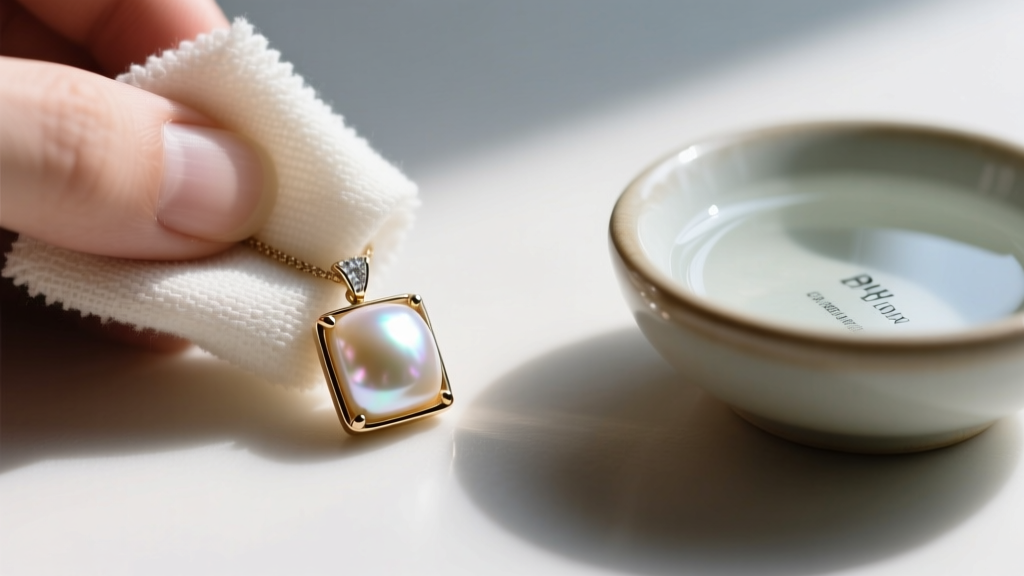
- Prep the Solution: Mix lukewarm distilled water with two drops of pH-neutral baby shampoo (pH between 7.0 and 8.0). Avoid tap water, as chlorine and heavy metals can dull the pearl's orient over time.
- Targeted Wiping: Do not submerge the necklace, especially if the square pearl is glued into a bezel setting. Submersion can weaken the jeweler's epoxy. Instead, dip a microfiber cloth into the solution and gently wipe the flat faces of the square pearl.
- Corner Detailing: Use a dry, ultra-soft makeup brush (like a clean eyeshadow blending brush) to gently sweep dust and skin oils out of the sharp 90-degree corners where the pearl meets the metal setting.
- Flat Drying: Lay the necklace completely flat on a dry towel. Hanging a wet pearl necklace can cause the silk or nylon thread to stretch, or cause water to pool in the drill holes, leading to internal rot.
Expert Troubleshooting: Common Wear Issues
Even with meticulous care, square pearl necklaces present unique wear-and-tear challenges. Here is how to troubleshoot the most common issues:
- Issue: The pendant constantly flips backward.
Solution: Square pendants are often top-heavy. Take the piece to a jeweler and ask them to add a small, clear silicone 'pendant stabilizer' or a counterweight bead to the back of the chain. Alternatively, switch to a box chain, which grips the skin slightly better than a smooth snake chain, reducing rotation. - Issue: Micro-chipping on the bottom corners.
Solution: This occurs when the pendant swings and hits a hard surface like a desk or steering wheel. If you work at a desk, switch to a shorter 16-inch length that keeps the pearl resting on your collarbone rather than swinging freely in the 'impact zone' of your torso. - Issue: Loss of luster on the flat faces.
Solution: Flat-cut pearls show fingerprints and skin acids much faster than round pearls. Wipe the flat surfaces with a dry, lint-free jeweler's cloth after every single wear to prevent acidic buildup from etching into the nacre.
The Golden Rule of Storage: Never store your square pearl necklace in a communal jewelry box. The sharp corners of the square pearl will scratch softer metals, and conversely, harder gemstones like diamonds will easily gouge the flat nacre surface. Always store it in its own anti-tarnish flannel pouch, laid completely flat to prevent chain kinking.
Mastering the square pearl necklace is about embracing its architectural nature. By respecting the material's geometric constraints, pairing it with intentional necklines, and adhering to a strict, non-abrasive cleaning regimen, your piece will maintain its sharp, modern edge and brilliant luster for decades to come.


