How to Choose, Style, and Care for a Star of David Necklace
Learn how to choose, style, and maintain your Star of David necklace with our expert guide on metal grades, chain types, and layering techniques.

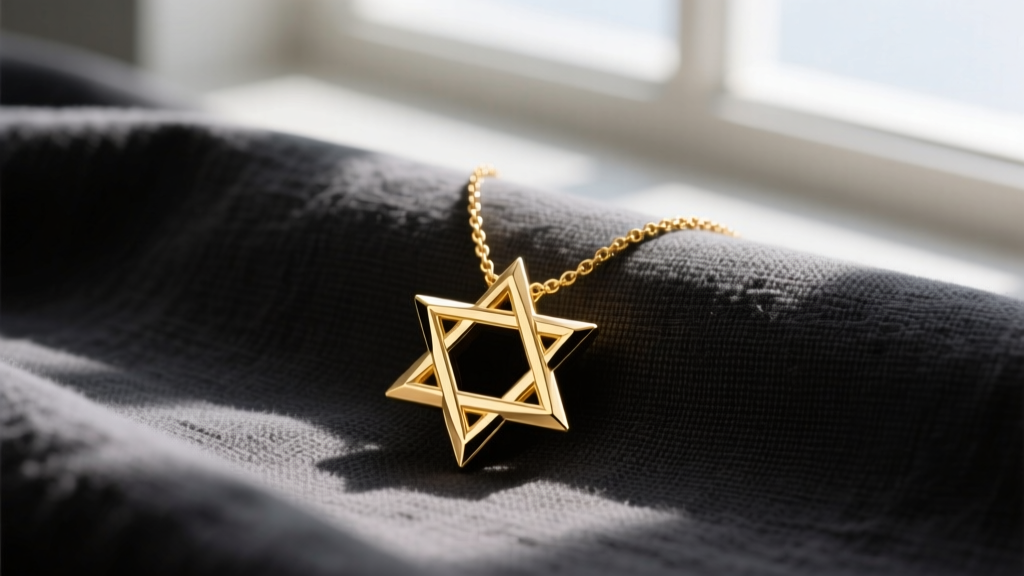
The Timeless Appeal of the Star of David Necklace
The Star of David, or Magen David, is one of the most recognizable and deeply meaningful symbols in jewelry. Whether worn as an expression of faith, a cultural touchstone, or a striking geometric fashion statement, a David necklace commands attention. As we navigate the jewelry trends of 2026, the shift toward heritage pieces with modern styling has made this iconic pendant more relevant than ever. However, selecting the right piece requires more than just picking a design off a shelf. It demands an understanding of metal grades, chain tensile strength, and precise layering proportions.
In this comprehensive guide, we will walk you through the exact steps to choose, style, and maintain a high-quality Star of David necklace that will last a lifetime. From deciphering gold purity to mastering the '2-inch drop' layering rule, these actionable insights will ensure your investment looks impeccable and wears comfortably.
Step 1: Selecting the Right Metal and Material Grade
The foundation of any fine David necklace is its metal. The grade you choose dictates the pendant's color, durability, tarnish resistance, and price point. According to the Gemological Institute of America (GIA), understanding alloy composition is critical for buyers seeking longevity.
Gold Purity: 14k vs. 18k
Gold is the most popular choice for this pendant, but pure 24k gold is too soft for daily wear. Therefore, it is alloyed with other metals.
- 14k Gold (58.3% pure gold): The industry standard for everyday durability. It offers excellent scratch resistance and a slightly paler yellow hue. A solid 14k gold David necklace typically ranges from $250 to $600, depending on weight and craftsmanship.
- 18k Gold (75% pure gold): Prized for its rich, buttery yellow color and hypoallergenic properties. However, it is softer and more prone to micro-scratches. Expect to pay between $450 and $1,200 for a quality 18k piece.
Silver and Platinum Alternatives
For those seeking a cooler tone, Sterling Silver (925) is an accessible option ($50–$150). However, silver oxidizes and requires regular polishing. To mitigate this, look for silver pendants plated with rhodium. Platinum (950) is the ultimate premium choice. It is naturally white, incredibly dense, and will not tarnish, though it commands a premium price tag starting around $800.
Step 2: Choosing the Ideal Chain Style and Length
A common mistake buyers make is pairing a heavy, solid gold pendant with a weak, hollow chain. The chain must support the pendant's weight while complementing its geometric lines. The GIA Jewelry Care Guidelines emphasize that matching the clasp and link strength to the pendant's mass prevents catastrophic breakage.
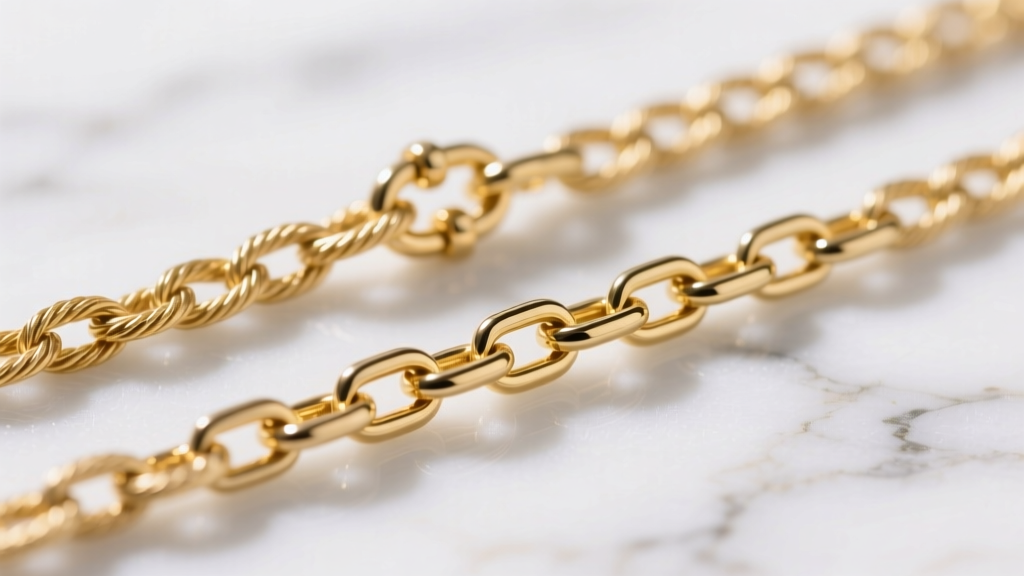
Chain Style Comparison Chart
| Chain Style | Tensile Strength | Best For | Price Modifier |
|---|---|---|---|
| Box Chain | High | Heavy pendants; sleek, modern look | Base Price |
| Rope Chain | Medium-High | Catching light; classic heritage styling | +15% (due to complex twisting) |
| Cable Chain | Low-Medium | Lightweight, minimalist pendants | -10% (simplest to manufacture) |
| Figaro Chain | Medium | Casual wear; adding visual texture | +5% |
Pro Tip: Always upgrade to a lobster claw clasp. Spring-ring clasps frequently fail under the dynamic weight of a swinging pendant.
Step 3: Sizing the Pendant for Your Neckline
The visual impact of your David necklace relies heavily on the millimeter dimensions of the pendant relative to your body type and neckline.
- 12mm – 18mm (Subtle/Minimalist): Ideal for layering or wearing tucked beneath a collar. This size sits flat against the collarbone and is perfect for professional environments.
- 20mm – 25mm (Standard/Everyday): The most versatile size. It is large enough to be noticed over a crew-neck t-shirt but small enough to remain elegant with a V-neck blouse.
- 30mm+ (Statement): Best worn as a standalone piece over dark, solid-colored fabrics. These heavier pieces require a thicker chain (minimum 2.5mm width) to maintain visual balance.
Pay attention to the bail (the loop connecting the pendant to the chain). A hidden bail creates a seamless 'floating' illusion, while a standard soldered loop offers a more traditional, vintage aesthetic.
Step 4: Mastering the Layering Technique
Layering is a dominant trend in 2026, but combining multiple chains without looking cluttered requires strict adherence to spatial rules. The golden rule of necklace layering is the 2-inch drop. This ensures the chains do not tangle and each piece gets its own dedicated visual real estate.

Step-by-Step Layering Formula
- Layer 1 (16 inches): Start with a lightweight 1.2mm cable choker or a simple herringbone chain. This frames the face and draws the eye upward.
- Layer 2 (18 inches): This is your anchor. Place your 20mm Star of David necklace on a 2mm box chain here. The 2-inch gap prevents the pendant from scratching the choker above it.
- Layer 3 (20 inches): Finish with a textured rope chain featuring a small, complementary charm, such as a 5mm gold bead or a tiny Hamsa hand, to balance the visual weight of the Magen David.
'When layering mixed metals, such as a yellow gold David necklace with a white gold choker, ensure the undertones of your clothing are neutral to let the intentional metal-mixing stand out as a stylistic choice rather than a mismatch.' — Jewel Style Radar Editorial Team
Step 5: Cleaning and Maintenance Protocols
Because the Star of David features sharp interior angles and intersecting lines, it is a magnet for skin oils, lotions, and environmental dust. Improper cleaning can ruin specialized finishes, especially if your pendant features the increasingly popular enamel inlays or gemstone accents seen in modern collections.
What to Avoid
Never place an enameled or gemstone-set David necklace in an ultrasonic cleaner. The high-frequency vibrations can shatter stones like opals or turquoise and strip enamel from the metal grooves.
The Expert Cleaning Method
- Mix three drops of mild, phosphate-free dish soap into one cup of lukewarm distilled water.
- Submerge the necklace for exactly 5 minutes to loosen debris.
- Using a clean, extra-soft baby toothbrush, gently agitate the interior corners of the two overlapping triangles. Do not scrub aggressively, as this can induce micro-marring on high-polish 18k gold.
- Rinse under a gentle stream of distilled water and pat dry with a lint-free microfiber cloth. Avoid paper towels, which contain wood pulp that scratches soft metals.
Conclusion
A Star of David necklace is far more than a simple accessory; it is a wearable piece of history and personal identity. By carefully selecting the appropriate metal grade, matching the chain's tensile strength to the pendant's weight, and employing precise layering techniques, you ensure your necklace remains a flawless staple in your wardrobe. Treat your jewelry with the respect it deserves, and it will endure as a timeless heirloom for decades to come.


