Anatomy of the Nurse Jackie Saint Necklace: Metals & Sourcing
Discover the technical anatomy of the Nurse Jackie saint necklace. We analyze metal grades, chain weaves, and patina techniques for screen-accurate styling.

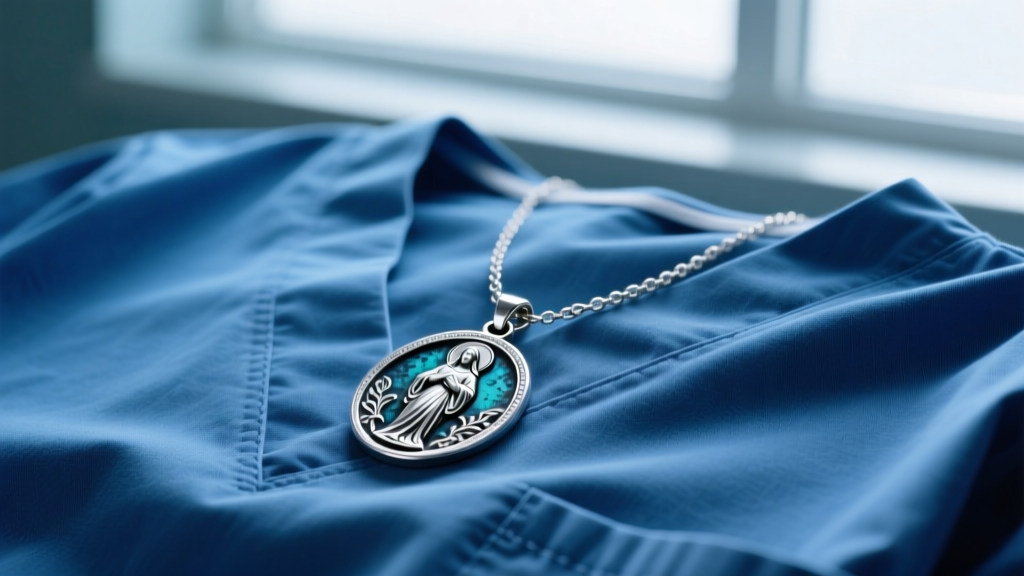
The Sartorial Armor of Jackie Peyton
In the acclaimed Showtime series Nurse Jackie, the titular character’s wardrobe is a masterclass in utilitarian storytelling. While her dark blue scrubs and practical footwear ground her in the gritty reality of an emergency room, it is the nurse jackie saint necklace that serves as her most profound piece of sartorial armor. Typically identified as a St. Christopher or St. Jude medal, this pendant is not merely a prop; it is a visual anchor representing her desperate need for protection and guidance amidst a chaotic life of addiction and high-stakes medical triage.
For jewelry enthusiasts and costumers looking to recreate or understand the technical specifications of this iconic piece, a surface-level search will only yield cheap, mass-produced costume jewelry. To truly capture the essence, weight, and wear-pattern of the screen-accurate nurse jackie saint necklace, we must approach it from a metallurgical and structural engineering perspective. This deep dive explores the exact metal alloys, chain architectures, and oxidation techniques required to replicate a piece of jewelry that looks as though it has survived countless 12-hour shifts in a demanding clinical environment.
Metallurgical Breakdown: Surviving the Clinical Environment
The primary challenge in replicating a worn, screen-accurate silver saint medal is the environment in which it is meant to exist. Standard .925 sterling silver (92.5% silver, 7.5% copper) is highly reactive to the chemicals prevalent in hospital settings. Frequent exposure to chlorhexidine gluconate (surgical scrub), isopropyl alcohol, and the natural pH variations of human sweat accelerates the oxidation of the copper alloy, leading to a dull, grayish-black tarnish that lacks the rich, warm patina seen on screen.
The Case for Argentium Silver
To achieve a durable, low-maintenance piece that mimics the look of the nurse jackie saint necklace without degrading, expert fabricators turn to Argentium Silver. According to the Gemological Institute of America (GIA), Argentium alloys replace a portion of the copper with germanium. This elemental shift dramatically increases the metal's Vickers hardness and creates a transparent germanium dioxide layer on the surface that virtually eliminates traditional tarnishing. For a modern recreation, utilizing .935 Argentium silver ensures the high-polish edges of the saint medal remain bright, even when the recesses are artificially oxidized to mimic years of wear.
Rhodium Plating vs. Raw Patina
While rhodium plating is common in commercial jewelry to prevent tarnish, it is the wrong choice for this specific replica. Rhodium creates a cold, blue-white, hyper-reflective finish that contradicts the warm, lived-in aesthetic of Jackie’s necklace. The screen-accurate finish requires raw, uncoated silver that has been chemically treated to simulate age, allowing the metal to interact naturally with the wearer's skin over time.
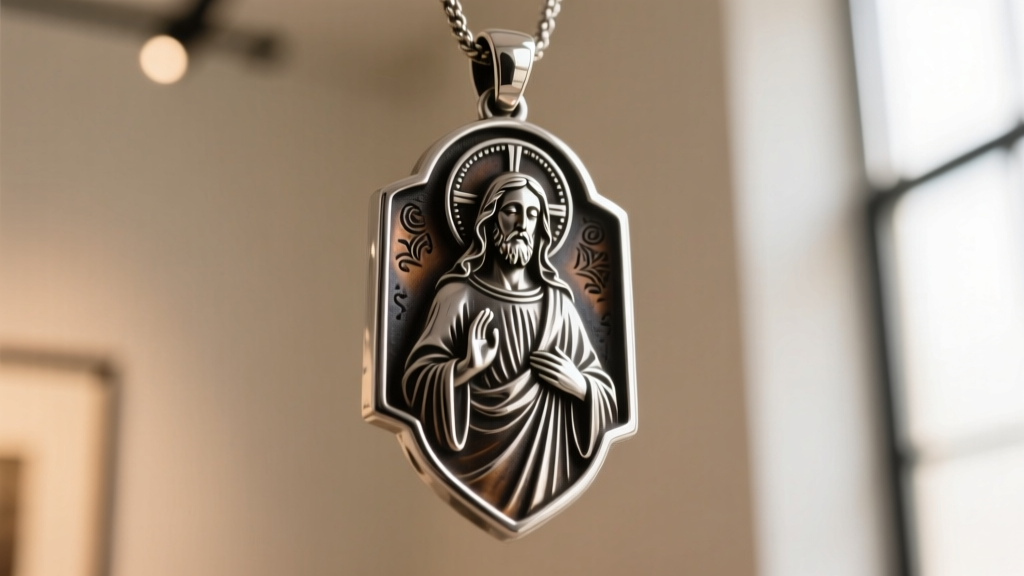
Chain Architecture: Cable, Rolo, and the Perfect Drape
The chain supporting the saint medal is just as critical as the pendant itself. A chain that is too thick will look masculine and clunky, while one that is too thin will snap under the mechanical stress of being pulled over a nurse's cap or snagged on medical equipment. The nurse jackie saint necklace utilizes a classic cable chain, but the specific wire gauge and link aspect ratio dictate its behavior.
Structural Comparison of Chain Weaves
| Chain Type | Wire Gauge | Tensile Strength | Drape Profile | Screen Accuracy |
|---|---|---|---|---|
| Standard Cable | 22-gauge | Low | Fluid, delicate, lays flat | High (Early Seasons) |
| Rolo | 20-gauge | Medium | Structured, heavy, rolls | Medium |
| Mariner | 18-gauge | High | Rigid, nautical, stiff | Low |
For the most accurate replication, a 22-gauge or 20-gauge standard cable chain with an inner link diameter of 2.5mm to 3.0mm is required. Furthermore, the clasp must be a 5mm spring ring clasp rather than a modern lobster claw. Spring rings were the industry standard for lightweight pendant chains during the era the character was conceptualized, and their slightly more cumbersome operation adds to the authentic, utilitarian feel of the piece.
The Jump Ring: A Critical Failure Point
The jump ring connecting the medal to the chain is the most common point of failure in replica jewelry. In mass-produced pieces, the jump ring is left unsoldered, meaning a simple snag on a stethoscope or scrub top will pull the gap open, losing the pendant. A proper fabrication of the nurse jackie saint necklace demands an 18-gauge, 4mm inner diameter jump ring that is fully soldered shut using silver solder and a micro-torch. This ensures the pendant remains permanently secured, capable of withstanding up to 15 pounds of tensile pull force before the chain itself breaks.
The Medal: Die-Striking vs. Casting and Patina Application
The focal point of the necklace is the saint medal itself, typically measuring between 18mm and 22mm in diameter. The manufacturing method of this medal drastically affects its durability and visual depth.
Die-Struck Superiority
Cheap replicas are cast using the lost-wax method, which results in a porous metal structure and soft, rounded edges that lack definition. The authentic nurse jackie saint necklace aesthetic relies on the sharp, high-relief contrast of a die-struck medal. As noted by technical guides from Rio Grande Jewelry Supply, die-striking involves placing a silver blank between two hardened steel dies and applying up to 100 tons of hydraulic pressure. This compresses the silver's grain structure, increasing its density and yielding incredibly crisp lines in the saint's facial features and the surrounding typography.
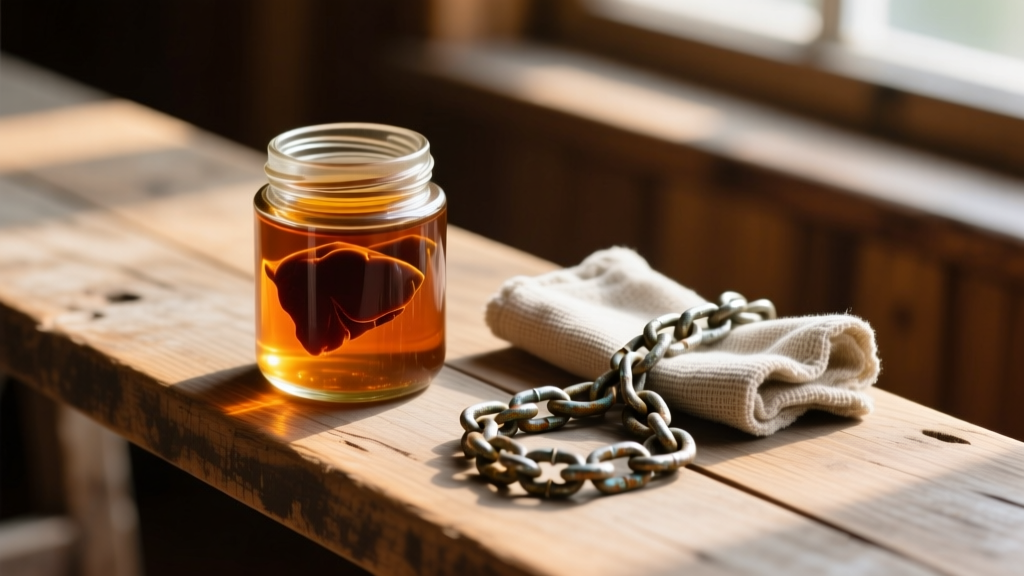
Achieving the 'Hospital Fluorescent' Wear Pattern
To replicate the specific wear pattern seen on screen—where the recessed areas are dark and oxidized, but the high points remain bright and polished—a chemical patina process is required. The industry standard for this is Liver of Sulfur (potassium polysulfide).
- The Solution: Dissolve a pea-sized amount of Liver of Sulfur gel in one cup of warm (not hot) distilled water. Hot water will cause the oxidation to flash too quickly, resulting in a flaky, unstable black layer.
- The Dip: Submerge the die-struck medal and cable chain for exactly 45 to 60 seconds. The silver will transition from yellow to copper, to blue, and finally to a dark gunmetal gray.
- The Quench: Immediately neutralize the chemical reaction by dropping the jewelry into a baking soda and water bath.
- The Polish: Using a treated jeweler's polishing cloth, gently buff only the high-relief edges of the saint medal and the outer links of the chain. This removes the oxidation from the raised surfaces while leaving the deep recesses pitch black, creating a striking three-dimensional contrast that mimics years of friction against a cotton scrub top.
Sourcing and Custom Fabrication Guide
Finding a screen-accurate nurse jackie saint necklace off the shelf is nearly impossible, as most religious jewelry sold in retail environments features high-polish, machine-buffed finishes that lack the necessary character. To acquire a piece that meets these exacting technical standards, you have two primary avenues:
- Commission a Bench Jeweler: Provide a local custom jeweler with the specifications outlined above: a 20mm die-struck St. Christopher or St. Jude medal in .935 Argentium silver, hung on a 20-gauge, 24-inch cable chain with a soldered 18-gauge jump ring and a 5mm spring ring clasp. Request a manual Liver of Sulfur antiquing finish with a high-polish edge buff.
- Vintage Sourcing: Search estate sales and antique jewelry dealers for mid-century die-struck religious medals. Vintage pieces from the 1950s to 1970s were frequently die-struck and feature the exact weight and proportional relief required. You will only need to swap out the chain for a modern 20-gauge cable chain to complete the build.
Conclusion: Wearing the Armor
The nurse jackie saint necklace transcends its origins as a television prop to become a fascinating study in functional, character-driven jewelry design. By understanding the metallurgical realities of silver alloys, the structural necessity of soldered jump rings, and the chemical artistry of controlled oxidation, collectors and fans can recreate a piece that is not only visually identical to the screen but engineered to withstand the rigors of daily wear. It is a testament to the power of jewelry as a narrative device—a small, heavy piece of silver that carries the weight of an entire character's survival.


