How to Choose, Style, and Care for a Uterus Necklace
Learn how to choose, style, and maintain your uterus necklace. Discover the best metals, chain lengths, and layering techniques for anatomical jewelry.

Why Anatomical Jewelry is More Than a Passing Trend
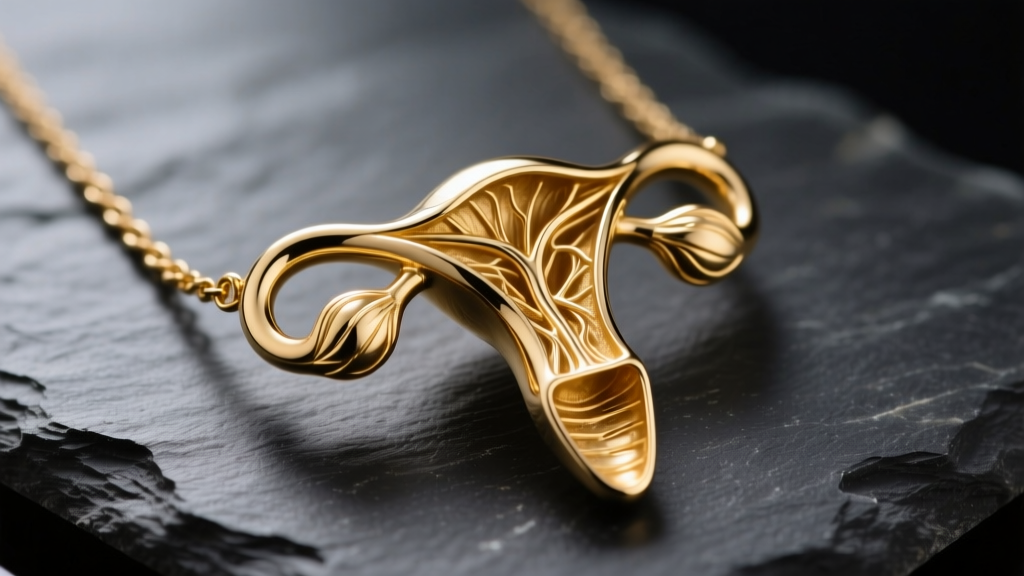
Anatomical jewelry has firmly transcended its origins as a niche medical novelty to become a powerful staple in contemporary personal adornment. Among these pieces, the uterus necklace stands out as a profound symbol of bodily autonomy, feminist art, and deeply personal storytelling. However, styling a piece with such intricate, asymmetrical, and biologically accurate detailing requires a different approach than wearing a standard geometric pendant. The fallopian tubes, ovaries, and uterine body create a wide, horizontal silhouette that interacts uniquely with your collarbone and neckline.
In this comprehensive guide, we will walk you through the exact steps to select, size, layer, and maintain a high-quality uterus necklace. Whether you are purchasing your first piece of anatomical jewelry or looking to refine your daily stack, these expert guidelines will ensure your necklace looks intentional, elegant, and lasts a lifetime.
Step 1: Selecting the Right Metal and Material Grade
The foundation of any fine jewelry piece is its metallurgy. Because a uterus pendant features deep crevices and complex castings, the metal must not only be durable but also resistant to trapping moisture and bacteria. Furthermore, chest jewelry rests directly against the sternum and clavicle—areas prone to sweating and friction. Choosing the wrong alloy can lead to severe contact dermatitis.
According to the Association of Professional Piercers (APP), only specific implant-grade metals should be worn against the skin for extended periods. Here is how the most common metals used for anatomical necklaces compare:
| Metal Grade | Nickel Content | Durability & Weight | Average Price Range | Best For |
|---|---|---|---|---|
| ASTM F136 Titanium (Grade 5) | 0% (Nickel-Free) | Extremely high; lightweight | $45 - $120 | Hyper-sensitive skin, daily wear, active lifestyles |
| 316L Surgical Steel | Trace amounts (8-10%) | High; heavier than titanium | $25 - $60 | Budget-conscious buyers without nickel allergies |
| Solid 14k or 18k Gold | Varies (White gold contains nickel) | Moderate; heavy and malleable | $250 - $800+ | Heirloom pieces, luxury gifts, formal styling |
| Gold-Plated Brass / Zinc Alloy | High (in base metal) | Low; prone to chipping and green skin | $10 - $30 | Avoid entirely for intricate anatomical castings |
Expert Warning: The Mayo Clinic notes that nickel allergies can develop at any point in life. If you are buying a silver-toned uterus necklace, always verify that it is either solid sterling silver (stamped .925) or implant-grade titanium. Avoid "surgical steel" if you have a known history of metal sensitivities, as the trace nickel can leach out when exposed to body oils and sweat.
Step 2: Choosing the Ideal Chain Length and Pendant Scale
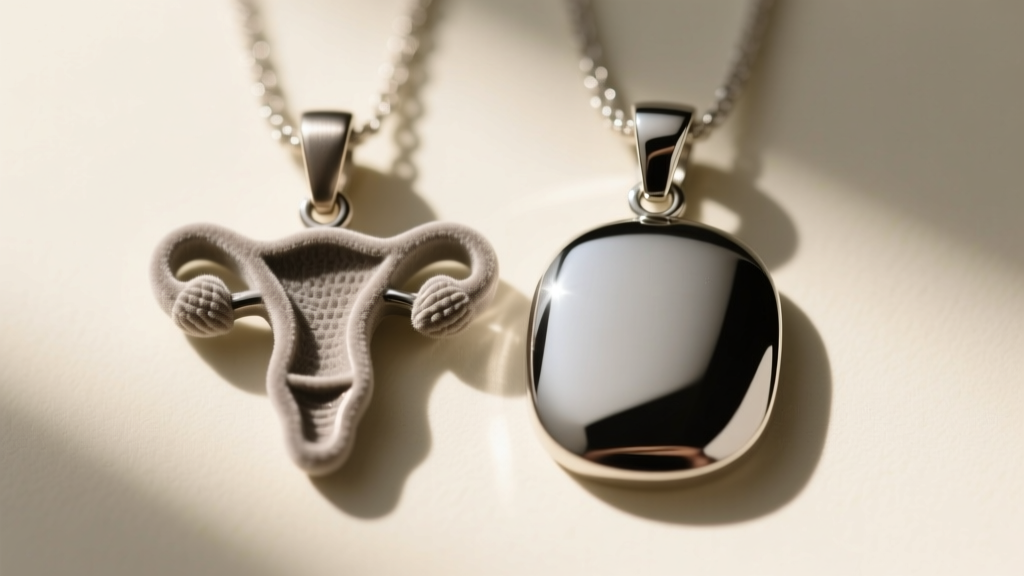
Unlike a simple teardrop or circle pendant, a biologically accurate uterus necklace is horizontally oriented. A standard anatomical pendant ranges from 20mm to 35mm in width. This wide profile dictates strict rules for chain length and thickness to maintain visual balance.
The Scale-to-Chain Ratio
- Small Pendants (15mm - 20mm width): Best paired with a delicate 1.0mm to 1.2mm cable or box chain. Ideal for a subtle, minimalist look.
- Medium Pendants (21mm - 28mm width): Requires a 1.5mm to 2.0mm chain. A rope or wheat chain adds necessary visual weight to support the pendant.
- Large Pendants (29mm - 40mm+ width): Demands a substantial 2.5mm+ chain, such as a thick Cuban link or heavy rope chain, to prevent the chain from snapping and to ensure the piece doesn't look top-heavy.
Matching the Uterus Pendant to Your Neckline
The horizontal spread of the fallopian tubes means the pendant needs adequate "breathing room" so it doesn't get tangled in your clothing. Here is how to match chain length to your most common necklines:
- V-Neck and Wrap Tops: Opt for an 18-inch chain. This allows the pendant to sit perfectly in the negative space of the V, framing the anatomical shape without competing with the fabric's lines.
- Crew Neck and T-Shirts: Choose a 20-inch or 22-inch chain. The pendant must drop below the tight collar of a crew neck to lay flat against the sternum. An 18-inch chain will cause the wide pendant to flip upside down constantly.
- Scoop Neck and Tank Tops: A 16-inch choker length works beautifully here, resting high on the clavicle, provided the pendant is on the smaller side (under 25mm).
- Turtlenecks and Sweaters: Use a 24-inch chain and a heavier, larger pendant. The metal must be substantial enough to lay flat against thick knitwear without curling at the edges.
Step 3: Layering Techniques for Anatomical Pendants
Layering a uterus necklace requires strategic planning. Because the pendant is wide and visually complex, it must act as the undeniable focal point of your stack. Follow the "Two-Inch Rule" to prevent tangling and visual clutter.
- Layer 1 (The Base): Start with a 14-inch or 16-inch simple chain (like a 1.5mm Figaro or bead chain) with no pendant, or a very tiny, subtle gemstone solitaire.
- Layer 2 (The Focal Point): Your uterus necklace should sit at 18 inches. This creates a mandatory 2-inch gap between the first chain and the top of the anatomical pendant, ensuring the fallopian tubes do not snag on the upper chain.
- Layer 3 (The Anchor - Optional): If you want a third layer, use a 22-inch chain featuring a simple, vertical bar pendant or a raw, uncut gemstone drop. The vertical line of the third pendant will contrast beautifully with the horizontal spread of the uterus.

Step 4: Cleaning and Maintaining Intricate Castings
The most challenging aspect of owning anatomical jewelry is maintenance. The intricate detailing of the ovarian ligaments and the textured surface of the uterine body create hundreds of microscopic crevices where dead skin cells, lotion, and environmental dust accumulate. Over time, this buildup can dull the metal and cause skin irritation.
The Weekly Deep-Clean Protocol
According to care guidelines from the Gemological Institute of America (GIA), regular cleaning is essential for maintaining the luster of precious metals. However, standard jewelry dips are often too harsh for textured castings.
- Prep the Solution: Mix three drops of pH-neutral, dye-free dish soap (like original Dawn) into a bowl of warm distilled water. Avoid tap water, as chlorine and hard minerals can leave microscopic deposits in the pendant's crevices.
- Soak: Submerge the uterus necklace for exactly 5 to 10 minutes. This softens sebum and lotion buildup without degrading the metal.
- Agitate Gently: Use a super-soft baby toothbrush (bristle diameter under 0.1mm) to gently sweep the bristles along the fallopian tubes and the back of the pendant. Never use a standard adult toothbrush, as the stiff bristles can cause micro-scratches on high-polish gold or silver.
- Rinse and Dry: Rinse thoroughly under lukewarm distilled water. Pat dry with a lint-free microfiber cloth. Crucial Step: Use a hairdryer on the "cool" setting to blow air into the deep crevices. Air-drying or towel-drying often leaves water spots or lint trapped in the anatomical detailing.
Ultrasonic Cleaner Warning: While ultrasonic cleaners are fantastic for diamond rings, they can be destructive to certain uterus necklaces. If your pendant features enamel accents (such as pink or red resin used to highlight the endometrium or blood vessels), the high-frequency vibrations will shatter the enamel. Always stick to manual cleaning for mixed-media anatomical pieces.
Where to Source High-Quality Uterus Necklaces
The market is currently flooded with cheap, mass-produced zinc alloy pendants that lack anatomical accuracy and tarnish within weeks. To find a piece that truly honors the symbolism of the design, look for independent jewelry artisans and specialized anatomical casters. Platforms like Etsy are excellent resources, but you must filter for sellers who explicitly state their metal grades (e.g., "Solid 14k Gold" or "ASTM F136 Titanium") rather than vague terms like "gold-colored" or "surgical alloy."
Investing in a high-quality, accurately proportioned uterus necklace is an investment in wearable art. By carefully selecting your metal grade, respecting the pendant's horizontal scale, and committing to a meticulous cleaning routine, your anatomical jewelry will remain a striking, meaningful, and pristine addition to your collection for decades to come.


